Loading breed
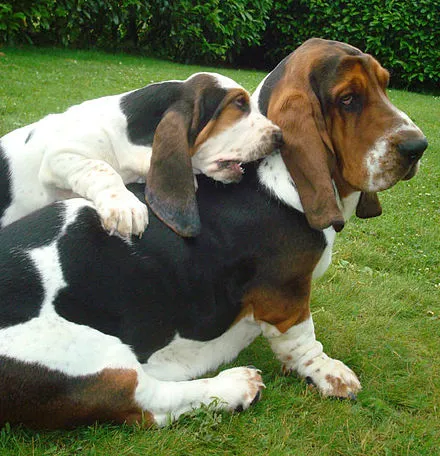
Basset Hound
Health grade DThe Basset Hound is a laid-back looking but extremely enduring low-slung Meutehund (pack hound) — bred to spend hours following hares through dense brush with their nose to the ground and a loud baying voice.
- Height33–38 cm
- Weight20–34 kg
- Life expectancy10–12 yrs
- Puppy price1,200–2,500 €
- Energy3/5
The Essentials at a Glance
The Basset Hound is a laid-back looking but extremely enduring low-slung Meutehund (pack hound) — bred to spend hours following hares through dense brush with their nose to the ground and a loud baying voice.
- Health grade D: The Basset Hound is rated D for health, as it is a chondrodystrophic breed with a significantly increased risk of intervertebral disc disease (IVDD) and can also be affected by severe conditions such as Lafora epilepsy or cervical spondylomyelopathy (Wobbler syndrome).
- You appreciate a dog with a mind of its own and take it with a sense of humor when a command is first given some serious thought.
- You enjoy scent work and leisurely outings — they were bred for hours of endurance on the trail, not for sprints.
- You expect a dog that remains reliably recallable in the woods — when a fresh scent appears, this pack hound's hearing completely shuts off.
Is the Basset Hound right for you?
At a glance
Basset Hound overview
The essentials — key facts, traits, and health priorities — before you dive deeper.
Health grade
Relative to other breeds
S
A
B
C
D
E
Very healthyHigher risk
Elevated risk — responsible breeding really matters.
See full health info & tests →
Note: This health overview is AI-assisted and editorially reviewed. It is for orientation only and does not replace veterinary advice.
Lifespan
10–12 yrs
Height
33–38 cm
Weight
20–34 kg
Practical
- Puppy price: 1,200 – 2,500 €
- Coat: Short, smooth, dense
- Origin: Great Britain
Temperament
Energy
Trainability
Family fit
With kids
Daily life
Care effort
Shedding
Barking
City-friendly
Guard instinct
What matters most
Especially with a Basset Hound, choosing the right breeder is the single most important decision you'll make. Serious breeders consistently test the parents for inherited conditions, prioritize healthy early socialization, and stay accountable long after handover. A cheap puppy without health screening tends to become the most expensive dog later on.
See HonestDog breeder standards →Colors & coat
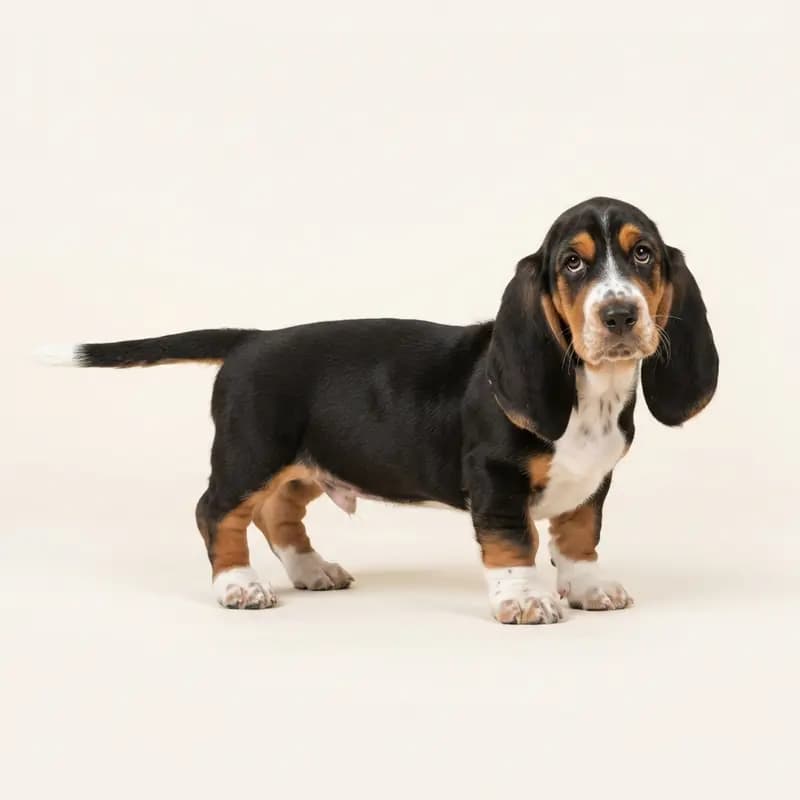
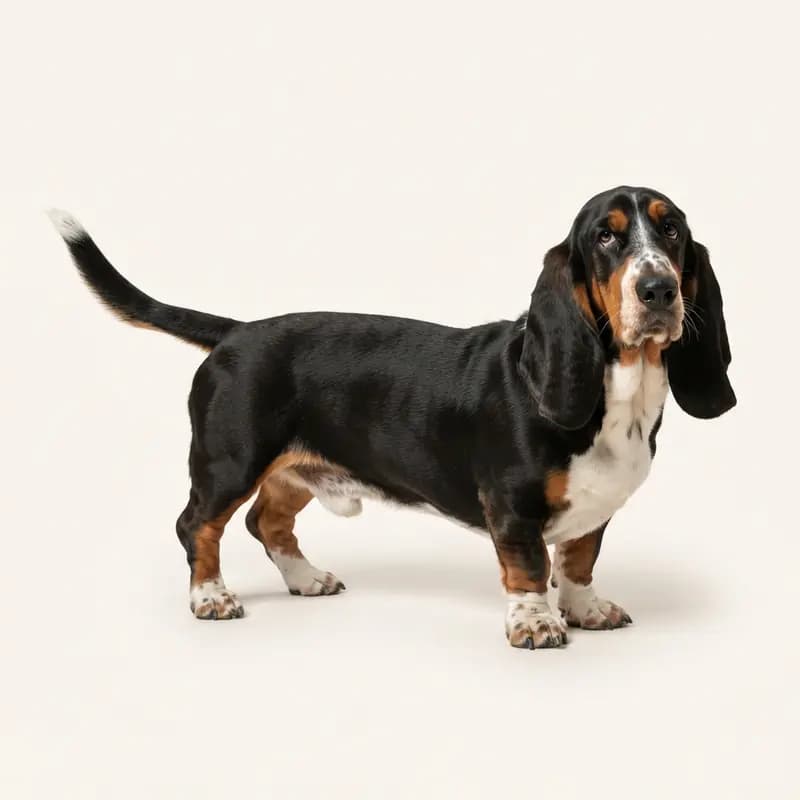
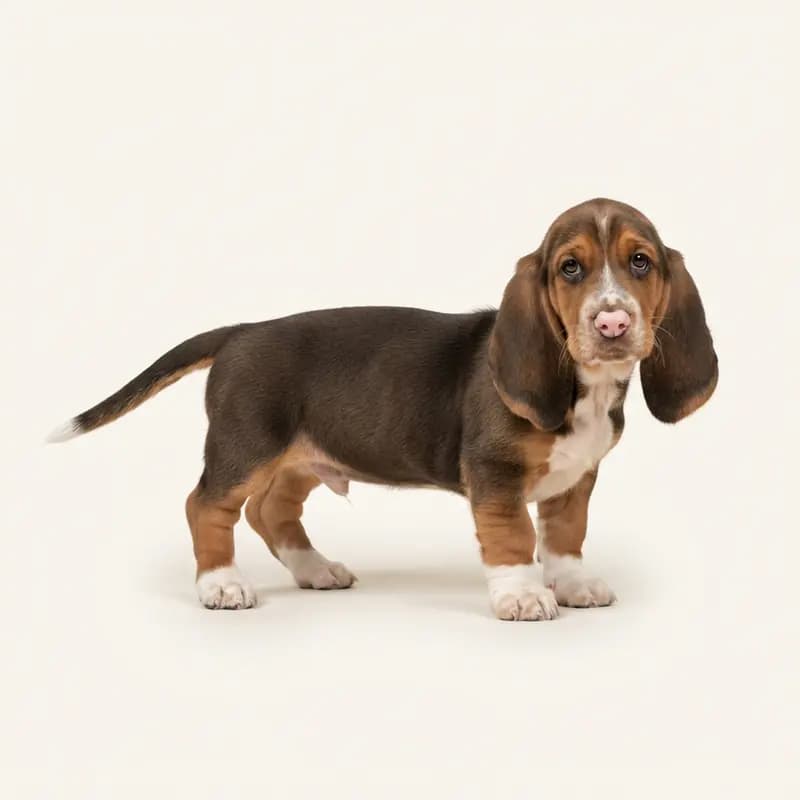
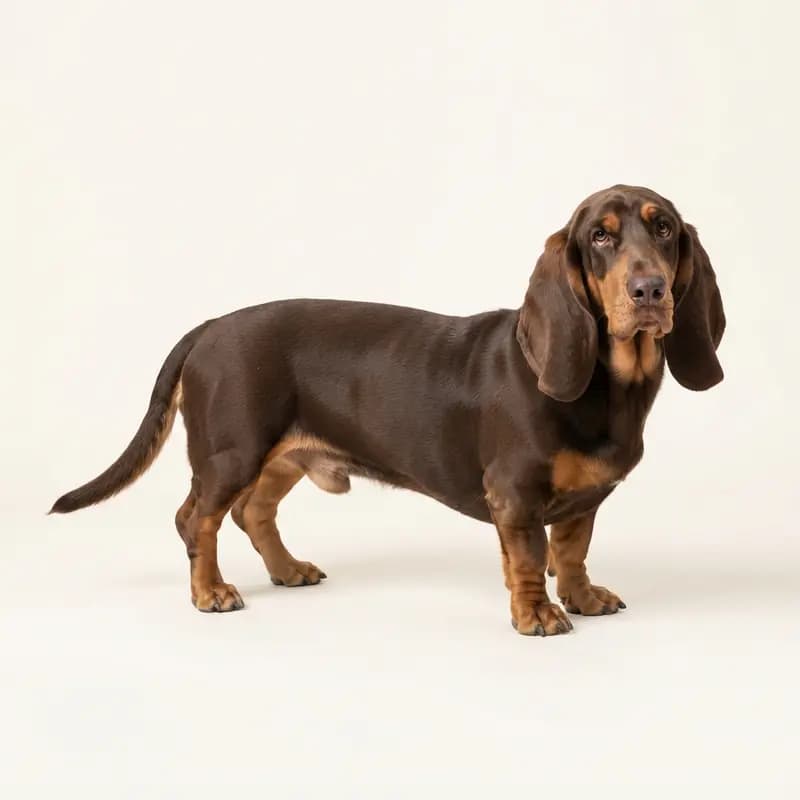
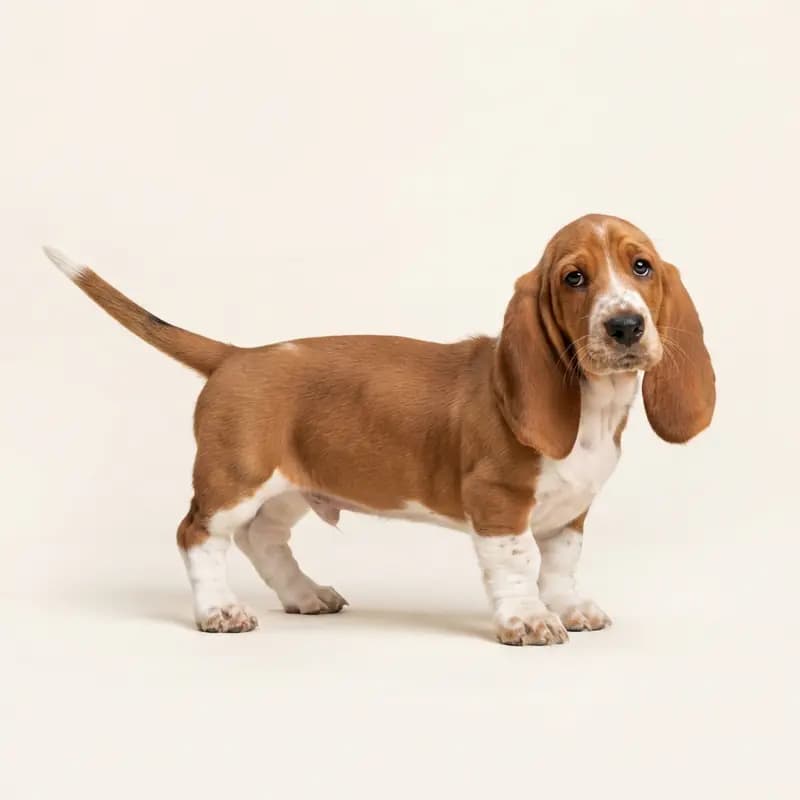
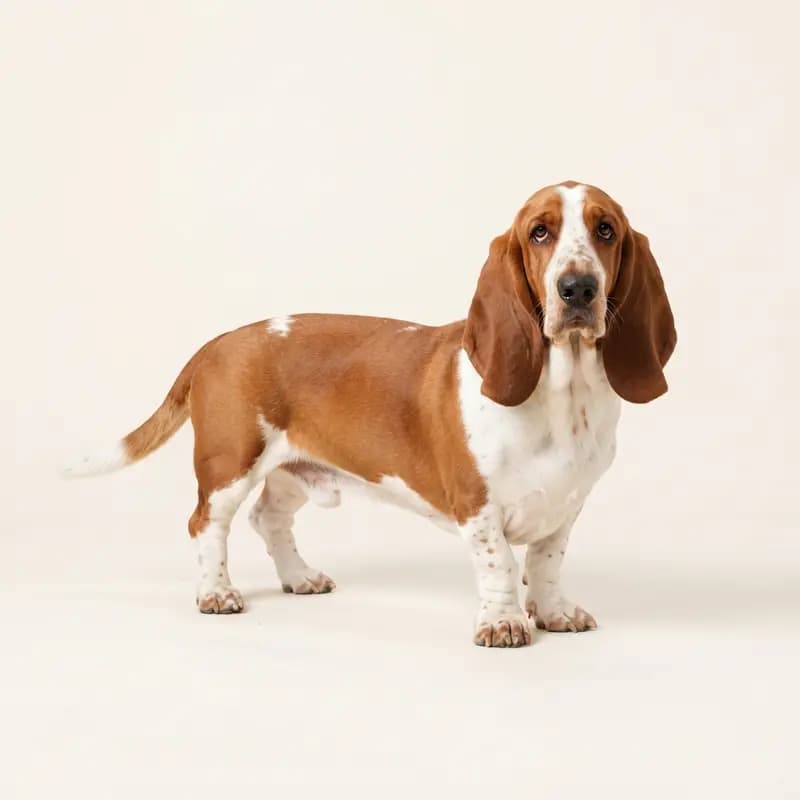
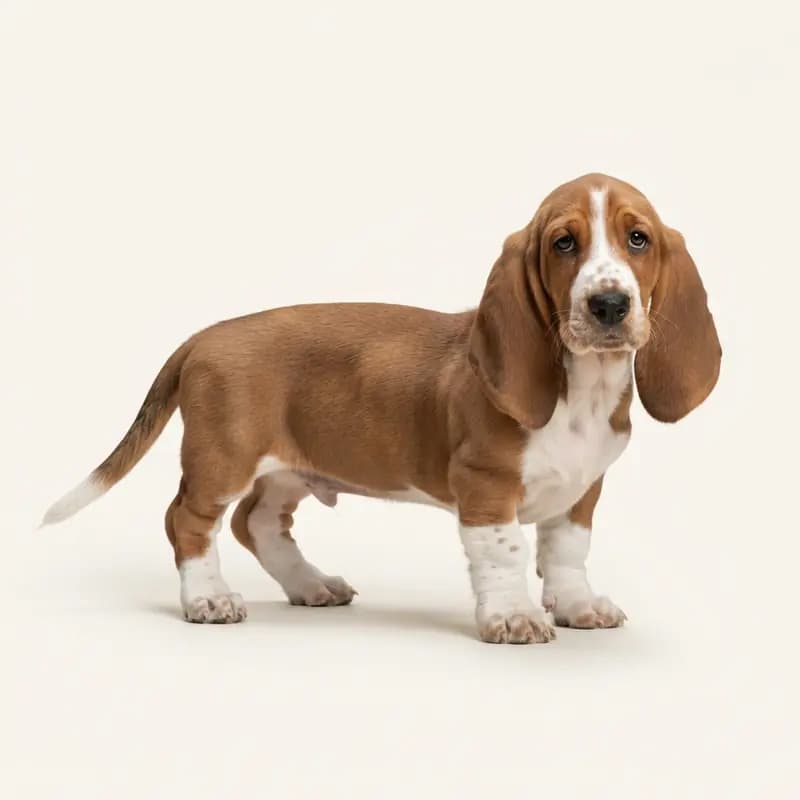
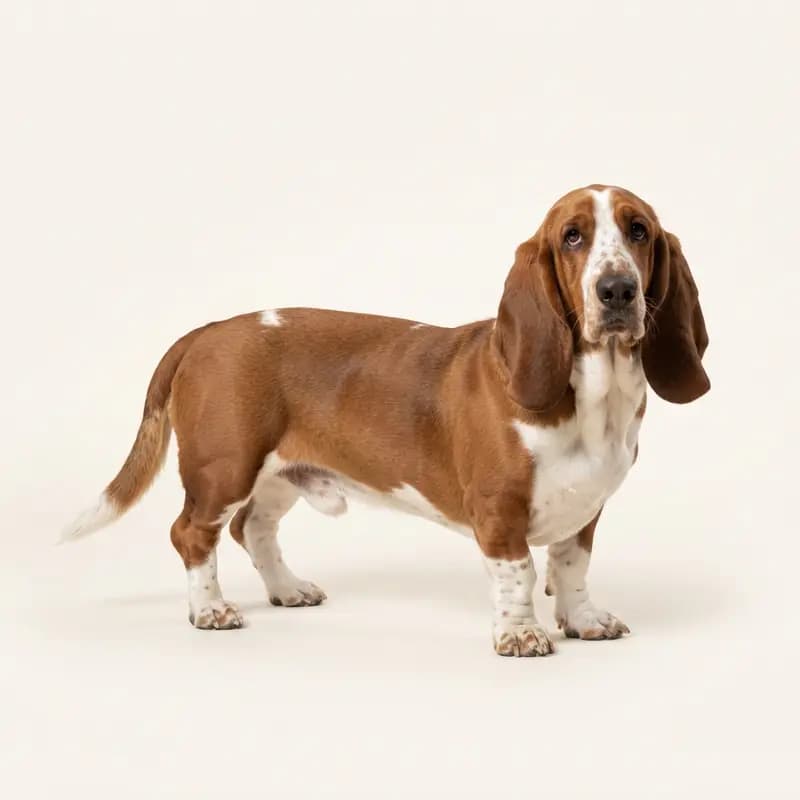
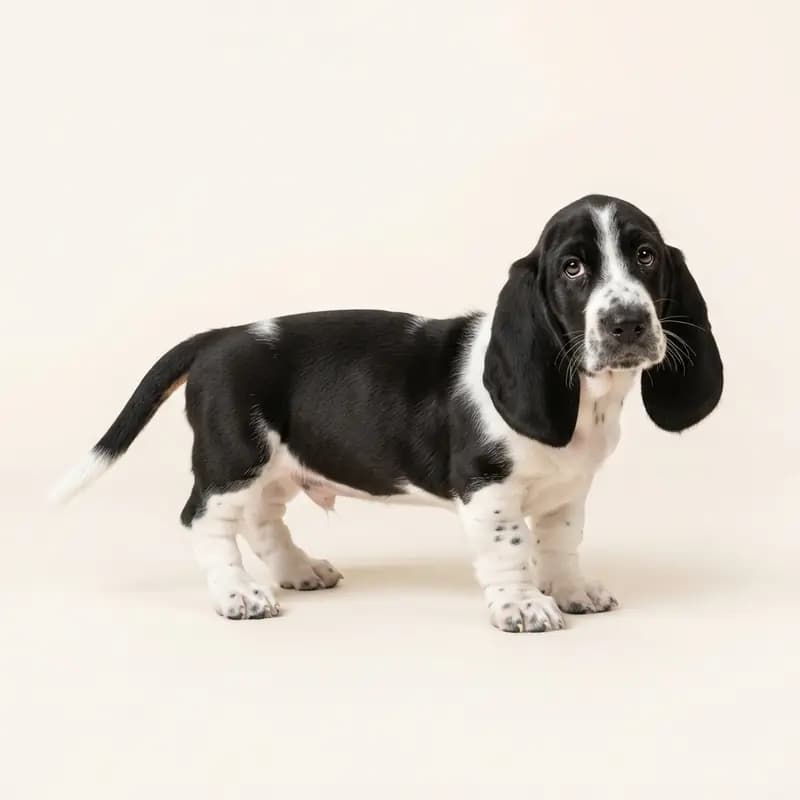
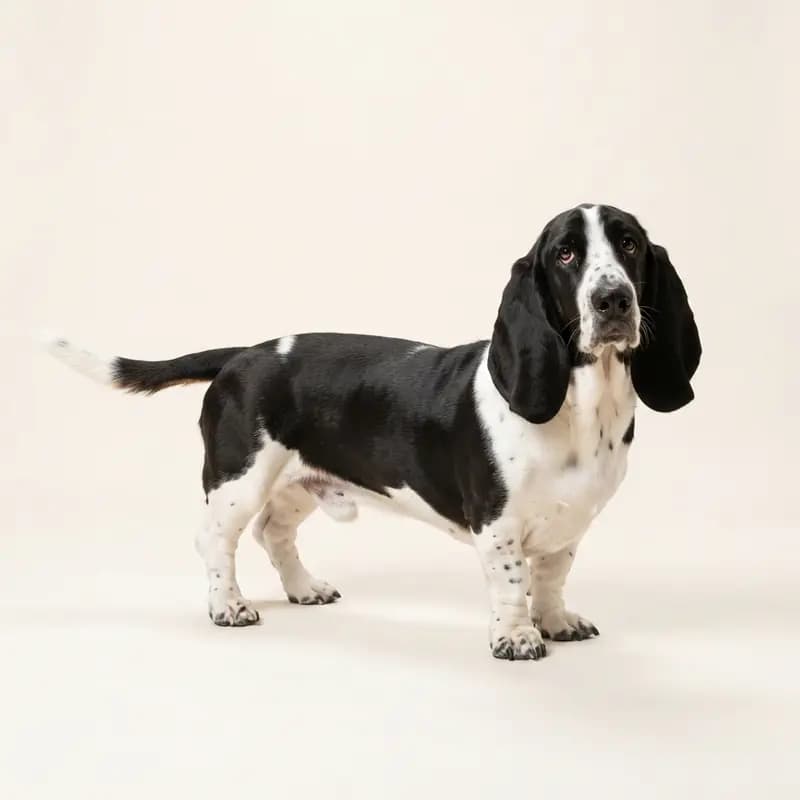
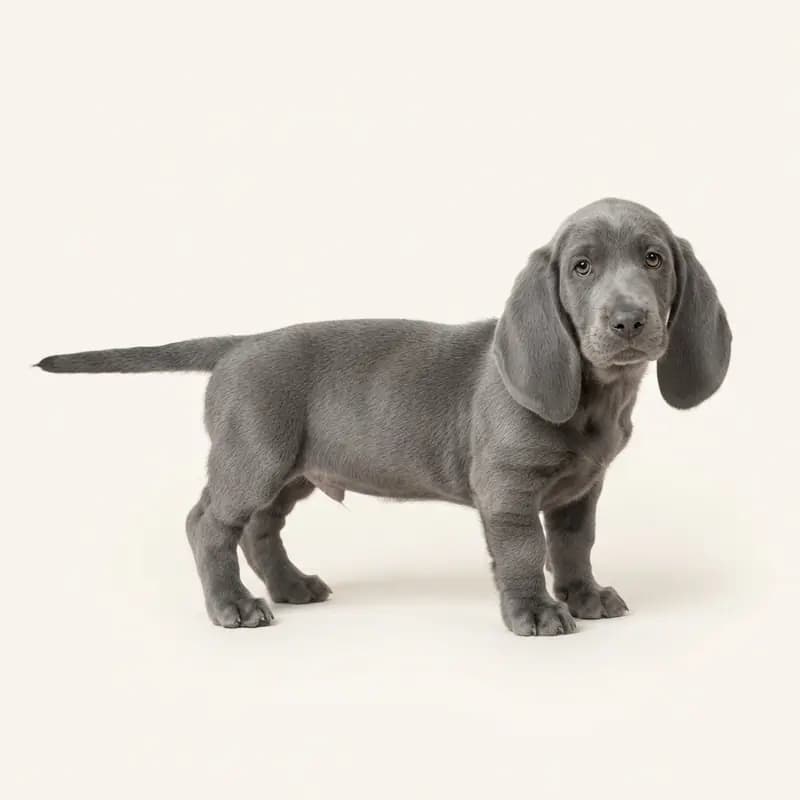
What colors does the Basset Hound come in?
The coat colors you will see in Basset Hound litters — including which ones fall outside the breed standard and which carry genetic risk.
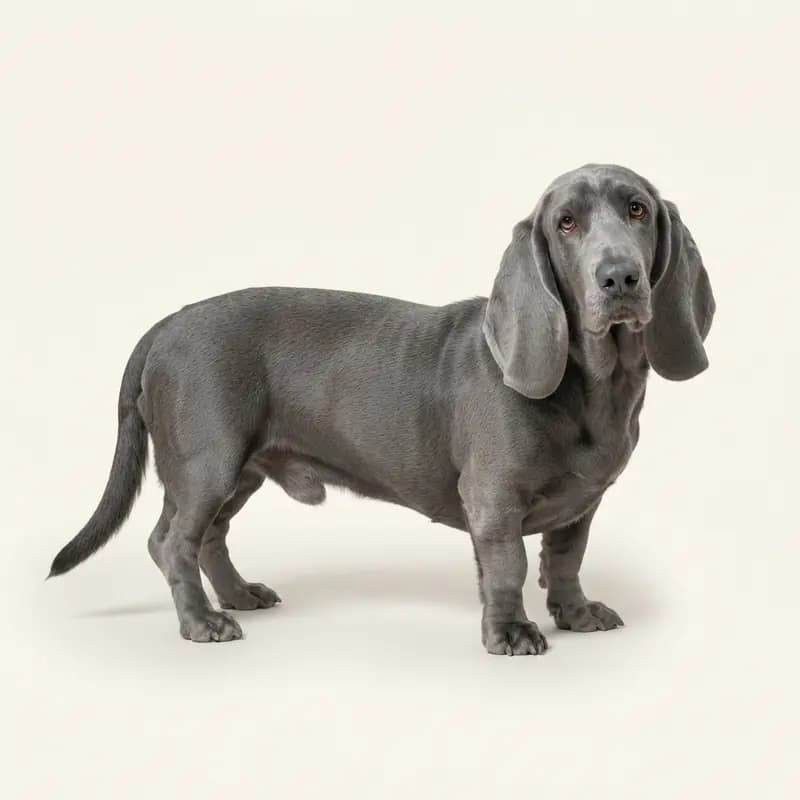
Eye colors
 Brown
Brown
Coat type
 Short
Short Smooth
Is the Basset Hound right for you?
The Basset Hound is a laid-back looking but extremely enduring low-slung Meutehund (pack hound) — bred to spend hours following hares through dense brush with their nose to the ground and a loud baying voice.
Perfect for you if:
- You appreciate a dog with a mind of its own and take it with a sense of humor when a command is first given some serious thought.
- You enjoy scent work and leisurely outings — they were bred for hours of endurance on the trail, not for sprints.
- You live on the ground floor or have an elevator, as their low-slung build is not made for stairs.
Less ideal if:
- You expect a dog that remains reliably recallable in the woods — when a fresh scent appears, this pack hound's hearing completely shuts off.
- You have to leave them alone for long periods daily, which is pure stress for this extremely pack-oriented operating system.
- You are fussy about cleanliness and are bothered by the dirt they inevitably carry into the house with their long ears.
The real vibes check
A Basset Hound doesn't argue loudly; they simply slow down until you give up. What shines in the undergrowth as iron-willed focus on a trail means in everyday life that a walk in the pouring rain might just end right at the front door. You aren't getting an obedient command-follower, but a stubborn yet incredibly charming philosopher who enjoys life at their own rhythm.
Self-check
Would the Basset Hound really fit your life?
Answer 6 quick questions about your everyday life and see how well the Basset Hound fits you — including an honest cost estimate per month, per year, and across the dog's lifetime.
Fit checkCost estimateRisk dice
Takes about 1 minute · free & anonymous
Breed Profile
The Basset Hound is a medium-sized dog with a distinctive appearance. Its short legs and elongated body make it a unique creature. His large, floppy ears and sad-looking eyes give him a charming and expressive look that makes him incredibly likeable. The Basset Hound belongs to FCI Group 6, which includes running dogs and bloodhounds. There are no specific lines within the breed, as is the case with some other dogs. A special characteristic of the Basset Hound is its exceptionally good nose. In fact, it is second only to the Bloodhound in terms of ability to detect scents, making it an excellent sniffer dog.
All measurements in detail
- Height
- 33 - 38 cm (Female), 33 - 38 cm (Male)
- Weight
- 20 - 29 kg (Female), 25 - 34 kg (Male)
- Life Expectancy
- 10 - 12 yrs
- Character
- Loyal, relaxed, patient
- Coat
- Short, smooth, dense
- Coat Color
- Usually tricolor (black, brown, white) or bicolor
- Price
- 1200 - 2500 €
Character & Temperament
The Basset Hound is a relaxed and cozy companion. If you are looking for a calm, even-tempered dog who enjoys spending time with family, the Basset Hound could be exactly what you are looking for. His calm nature makes him a great family dog. He is patient and gets along well with children. However, he tends to be a bit stubborn, meaning he has a mind of his own at times. This little stubbornness can sometimes cause him to be a little picky when it comes to activities that he doesn't necessarily like. But don't worry, with a little patience and understanding he will be a loyal and loving companion. The Basset Hound is known for its exceptional tracking skills. His nose is almost as good as the Bloodhound's, and he loves to follow it. So during walks he can sometimes be a bit stubborn and follow the scent trails he has picked up. It's important to make sure he doesn't stray too far from his path, especially when he's not on a leash. When it comes to other dogs, the Basset Hound is generally sociable and gets along well with them. He is also not overly alert, meaning that while he can alert strangers, he is not necessarily a watchdog. Since the Basset Hound was originally bred for hunting, it has a certain hunting instinct. While he won't necessarily hunt, his nose may tempt him to follow an interesting scent. As for the people side, the Basset Hound is very affectionate and loves to be around his people. However, he is also independent enough to stay alone as long as it is not for too long. In terms of temperament, the Basset Hound can be said to be on the calm side. He is not hyperactive, but he still needs regular walks and mental stimulation. Be careful not to overwhelm him with activities, as his body structure can make him prone to joint problems.
| Trainability Has its own ideas and will test limits. | Strong-willed |
| Watchfulness Occasionally alerts but is fundamentally open. | Low |
| Openness to Strangers Warms up quickly and is generally welcoming. | Friendly |
| Hunting or Herding Drive Noticeable drive — needs attention around small animals. | Moderate |
Fun Fact!
Basset Hounds have the second best sense of smell of all dog breeds - only surpassed by the Bloodhound!
What Awaits You
Bassets suffer from some torturous breeding traits due to overemphasis on traits. Due to loose connective tissue, the skin wrinkles can be extreme, so constant care is necessary to avoid inflammation. A surgical eye lift may be necessary in the eye area. Musculoskeletal problems are also common.
Housing & Care
Despite their size, Basset Hounds are surprisingly adaptable and can be kept in both apartments and houses with a garden as long as they get regular exercise. They are known for their friendliness and patience and tend to get along well with children and other pets. Their calm, easy-going nature makes them good candidates for multi-dog households.
- Family Friendly
Lives for its family — the born family companion.
Ideal family dog - Child Friendly
Extraordinarily patient and loving — a true family dog.
Excellent with children - Dog Friendly
Actively enjoys the company of other dogs.
Dog-friendly - City Friendly
Adapts well to city living and urban environments.
Well-suited to city life
Owning a dog is a privilege, but it's also a real responsibility. Before you bring one into your life, be honest with yourself about the commitment it takes.
Training & Education
Raising a Basset Hound can be challenging as they often have a stubborn, independent personality. They respond best to positive reinforcement and patience. Although they don't necessarily tend to be ball junkies, they love walks and sniffing games because they have a keen sense of smell. It's important to encourage their mental stimulation and give them plenty of opportunities to use their nose.
Nutrition & Care
Basset Hounds can be prone to being overweight, so a balanced, healthy diet is essential. Depending on the dog's age, size and activity level, needs may vary, so it is always good to consult your veterinarian about this. When it comes to grooming, the Basset Hound has a short, dense coat with an undercoat that should be brushed regularly to remove loose hair and promote skin health. They shed moderately and cope well with the climate in Germany.
| Care Level Regular brushing and occasional professional grooming. | Moderate |
| Exercise Needs Needs 1–2 hours of real exercise daily. | Active |
| Shedding No or minimal hair loss — suitable for allergy sufferers. | No shedding |
| Trainability Has its own ideas and will test limits. | Strong-willed |
Our experts are still reviewing this information. Spotted something wrong? Email us at info@honestdog.de.
Health & hereditary diseases
Health
D
Elevated risks
Health grade
The Basset Hound is rated D for health, as it is a chondrodystrophic breed with a significantly increased risk of intervertebral disc disease (IVDD) and can also be affected by severe conditions such as Lafora epilepsy or cervical spondylomyelopathy (Wobbler syndrome). A responsible breeder actively counters these risks through targeted selection and comprehensive health screenings. Before buying a puppy, you must therefore insist on seeing the official test results of the parent animals for hip dysplasia (HD) (limit C or better, with C only allowed to be mated with A or B), primary open-angle glaucoma, and Lafora epilepsy, where a carrier status is only permitted to be bred with a clear partner.
Grade is relative to other breeds — AI-assisted and editorially reviewed.
In daily life this can mean
You should consistently avoid stair climbing, maintain a healthy weight, and regularly care for their skin folds and ears to prevent infections.
The breeder's role
Reputable breeders have the parent animals' eyes, joints, nerves, and blood clotting tested and focus on a moderate build without extreme skin folds.
Note: This health overview is AI-assisted and editorially reviewed. It is for orientation only and does not replace veterinary advice.
No Health Tests Available
No specific health tests are currently available for this breed.
Costs & where to find one
How much does a Basset Hound cost?
A Basset Hound costs around ~€190 per month (€100 – €360, depending on your setup). The first year adds up to roughly ~€4,940 including purchase, equipment and puppy school; across the dog's life (11 years) it comes to about ~€27,560.
With surgery cover, running costs come to about ~€190 per month — in return, your share of a major operation drops from several thousand euros to around 20 percent.
Per month
~€190
In the first year
~€4,940
Across the dog's life
~€27,560
Purchase from a breeder: €1,200 – €2,500
Estimate at a mid-range setup (suburban, dry food, 1–2 hours of daily exercise), average German prices, as of July 2026.
Calculate your personal costs1-minute self-check with your own answers
Looking for a Basset Hound?
HonestDog Concierge
No verified Basset Hound breeders on HonestDog yet
We currently have no breeders for this breed who have passed our verification. Create your short buyer profile: we'll set up your search alert, review a possible source and email you within 28 days.
Appearance, variants & origin
History
The full history
The Basset Hound has its roots in France and is closely related to the Bloodhound. The name "Basset" comes from the French word "bas", meaning "low" means, and refers to the short legs of the breed. The breed is believed to have originated in the 16th century, with the first written mentions of the Basset Hound being found in the 17th century. The Basset Hound was originally used to hunt small game such as rabbits and hares. Its short legs made it move slower than other hunting dogs, allowing hunters to follow it on foot. The breed first became popular in Britain in the 19th century and later in the United States. The Basset Hound was recognized by the American Kennel Club in 1916.
Original Use
The Basset Hound was bred to hunt hares and rabbits and is known for its excellent nose and calm nature.
Origin
Great Britain
Date
1800
Owner experiences
What owners say about the Basset Hound
Zusammengefasst aus öffentlich geteilten Halter-Erfahrungen
Im Alltag und im Zusammenleben mit der Familie zeigt sich der Basset Hound laut vielen Halterberichten als ein extrem anhänglicher, gutmütiger und verschmuster Partner. Er liebt die Nähe zu seinen Menschen, kommt hervorragend mit Kindern sowie anderen Haustieren aus und gilt als treue Seele, die im Haus meist eine angenehme Ruhe ausstrahlt. Viele Besitzer scherzen darüber, dass sie regelrechte „Diven“ sind, die geschickt die besten Plätze auf dem Sofa beanspruchen.
Allerdings weisen erfahrene Halter auch auf einige sehr spezifische, handfeste Herausforderungen im Alltag hin. Der Basset Hound verliert das ganze Jahr über erhebliche Mengen an Haaren, sabbert rassetypisch recht stark – was regelmäßiges Abwischen von Wänden und Möbeln erfordert – und besitzt einen sehr ausgeprägten, typischen „Hundegeruch“, der von manchen Menschen als recht streng empfunden wird.
Spaziergänge mit einem Basset sind selten ein schnelles Vorankommen. Da der Hund permanent mit der Nase am Boden klebt, um jede Fährte ausgiebig zu untersuchen, gleicht das Gassi gehen eher einem langsamen „Zeitunglesen“. Zudem berichten Halter übereinstimmend, dass man aufgrund des markanten, melancholischen Aussehens der Hunde unterwegs ständig von Passanten aufgehalten und angesprochen wird.
Zusammengefasst aus öffentlich geteilten Halter-Erfahrungen
Bei der Erziehung des Basset Hounds stoßen Besitzer fast ausnahmslos auf ein bestimmtes Charaktermerkmal: eine enorme, sprichwörtliche Sturheit. In Hundeforen wird er humorvoll oft als „stur wie zwei Dackel zusammen“ beschrieben. Er ist kein Hund, der Befehle blind ausführt, um seinem Besitzer zu gefallen. Jedes Kommando wird von ihm erst einmal auf seinen Nutzen hin hinterfragt.
Sein extrem feiner Geruchssinn macht die Erziehung im Freien zu einer echten Geduldsprobe. Sobald der Basset Hound eine interessante Spur in die Nase bekommt, schaltet er komplett auf Durchzug. Viele Halter berichten, dass ein Freilauf ohne Leine aufgrund des massiven Jagdtriebs und der Jagd auf der Spur (Spurlaut) oft jahrelanges, konsequentes Training erfordert oder in wildreichen Gebieten schlicht unmöglich ist, da die Hunde sonst stundenlang der Fährte folgen.
Erfolgreich ist die Erziehung laut Haltern nur mit unendlicher Geduld, liebevoller Konsequenz und einer großen Portion Bestechung. Da Bassets extrem verfressen und futtermotiviert sind, lässt sich über positive Verstärkung mit Leckerlis sehr viel erreichen – Druck oder Härte bewirken bei dieser sensiblen, aber eigensinnigen Rasse dagegen das genaue Gegenteil.
Zusammengefasst aus öffentlich geteilten Halter-Erfahrungen
Die Gesundheit und Pflege des Basset Hounds erfordern aufgrund seiner extremen Anatomie – dem sehr langen Rücken auf kurzen, schweren Beinen (Chondrodystrophie) – besondere Aufmerksamkeit. Halter betonen immer wieder, wie wichtig ein striktes Gewichtsmanagement ist. Da die Rasse extrem verfressen ist, neigt sie schnell zu Übergewicht, was wiederum Gift für die Gelenke ist und das Risiko für schmerzhafte Bandscheibenvorfälle (IVDD) sowie Hüft- und Ellenbogendysplasie massiv erhöht. Treppensteigen sollte im Alltag möglichst vermieden werden.
Ein weiterer intensiver Pflegebereich sind die langen Schlappohren. Da sie beim Schnüffeln oft über den Boden schleifen, sammelt sich schnell Schmutz an. Ohne regelmäßige Reinigung und Kontrolle neigen die Ohren zu schmerzhaften Hefe- und Bakterieninfektionen. Auch die hängenden Augenlider sind anfällig für Reizungen und Erkrankungen wie das Glaukom.
Zusätzlich berichten Besitzer von einer Anfälligkeit für Hautfalten-Dermatitis und Futtermittelallergien, die sich oft durch Hautrötungen oder Juckreiz äußern. Wer sich für einen Basset Hound entscheidet, sollte sich daher auf einen überdurchschnittlichen Pflegeaufwand für Ohren, Augen und Hautfalten sowie potenzielle Tierarztkosten einstellen.
Paraphrased from real owner reports
Loading owner stories
FAQ & more
Frequently asked questions about the Basset Hound
Is a Basset Hound the right dog for me?
The Basset Hound is an adaptable dog that adjusts well to various lifestyles. Research the temperament, grooming needs, and space requirements before deciding.
How long does a Basset Hound live?
The average life expectancy of a Basset Hound is 10-12 years. With proper care and regular vet visits, your dog can live a long, healthy life.
How much grooming does a Basset Hound need?
Basset Hound grooming requirements include regular brushing, nail trimming, and dental care. HonestDog provides detailed grooming tips for every breed.
Is a Basset Hound good for families with children?
The Basset Hound can be a great family dog. Proper training and socialization are key. HonestDog provides family suitability information for every breed.
What colors does the Basset Hound come in?
The Basset Hound comes in these colors: Tricolor, Bicolor, Red and white, Brown and white, Black and white, Blue.
Loading related articles
Are you a Basset Hound breeder?
Showcase your kennel on HonestDog and reach families searching for a responsibly bred Basset Hound.
Why HonestDog?
What makes HonestDog different from other platforms
Full transparency
We lay out what we have: who the breeder is, how they work, and any health records they've uploaded. So you can judge for yourself.
Responsible breeding, assured
Every breeder on HonestDog has their identity and documents checked before their profile goes live. Health records they upload are shown on the profile, so you can see exactly what has been tested.
Trust and verification
We verify breeders and buyers alike, so every conversation happens on solid ground. It's a new standard of trust in dog breeding.
Less hassle, more time
We've already checked the breeders' documents and gathered the details, so you can skip the endless research and focus on finding the right puppy for your family.
Our Mission

We connect dog lovers with responsible breeders and shelters to ensure every dog finds the perfect home.
Founded by dog enthusiasts, our platform focuses on ethical dog breeding and adoption.
Why HonestDog?
We connect you with vetted breeders and shelters so you can find your — your new companion — with confidence.
Vetted Partners
Only verified breeders and shelters — for a safe start.
Highest Standards
Every animal's health and wellbeing is our top priority.
Guides & Resources
Guides, checklists, and breed profiles — so you can make a well-informed decision.