Loading breed
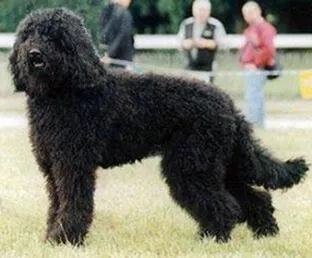
Barbet
Health grade BThe Barbet is a rustic, cooperative Apportierhund (retriever) — bred to tirelessly retrieve waterfowl in cold, wet marshes, which makes him a cheerful but high-maintenance nature enthusiast today.
- Height53–65 cm
- Weight15–27 kg
- Life expectancy13–15 yrs
- Puppy price1,500–2,500 €
- Energy3/5
The Essentials at a Glance
The Barbet is a rustic, cooperative Apportierhund (retriever) — bred to tirelessly retrieve waterfowl in cold, wet marshes, which makes him a cheerful but high-maintenance nature enthusiast today.
- Health grade B: The Barbet is considered a robust breed, but it carries an average genetic burden that can be well managed through targeted breeding screenings.
- You are looking for a close, cooperative companion for daily dummy training or intensive scent work near water.
- You are looking for a people-oriented dog that forms a strong bond with its family and does not like to live in isolation.
- You expect him to walk past puddles — as a true water dog, he will unerringly find every mud hole.
Is the Barbet right for you?
At a glance
Barbet overview
The essentials — key facts, traits, and health priorities — before you dive deeper.
Health grade
Relative to other breeds
S
A
B
C
D
E
Very healthyHigher risk
Solid — a handful of items a good breeder watches.
See full health info & tests →
Note: This health overview is AI-assisted and editorially reviewed. It is for orientation only and does not replace veterinary advice.
Lifespan
13–15 yrs
Height
53–65 cm
Weight
15–27 kg
Practical
- Puppy price: 1,500 – 2,500 €
- Coat: Curly, long, with an undercoat
- Origin: France
Temperament
Energy
Trainability
Family fit
With kids
Daily life
Care effort
Shedding
Barking
City-friendly
Guard instinct
What matters most
Especially with a Barbet, choosing the right breeder is the single most important decision you'll make. Serious breeders consistently test the parents for inherited conditions, prioritize healthy early socialization, and stay accountable long after handover. A cheap puppy without health screening tends to become the most expensive dog later on.
See HonestDog breeder standards →Colors & coat
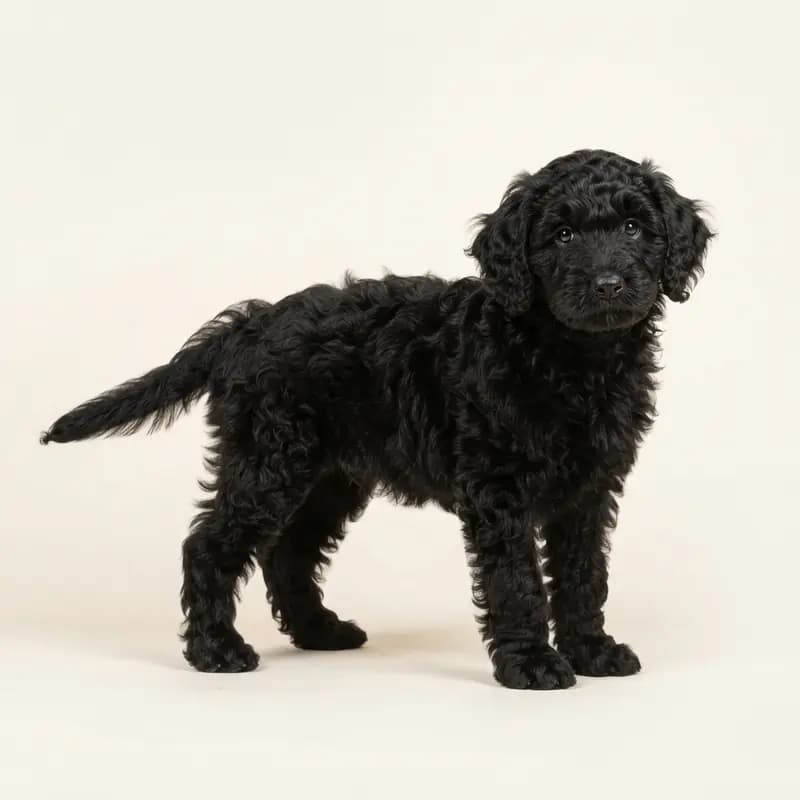
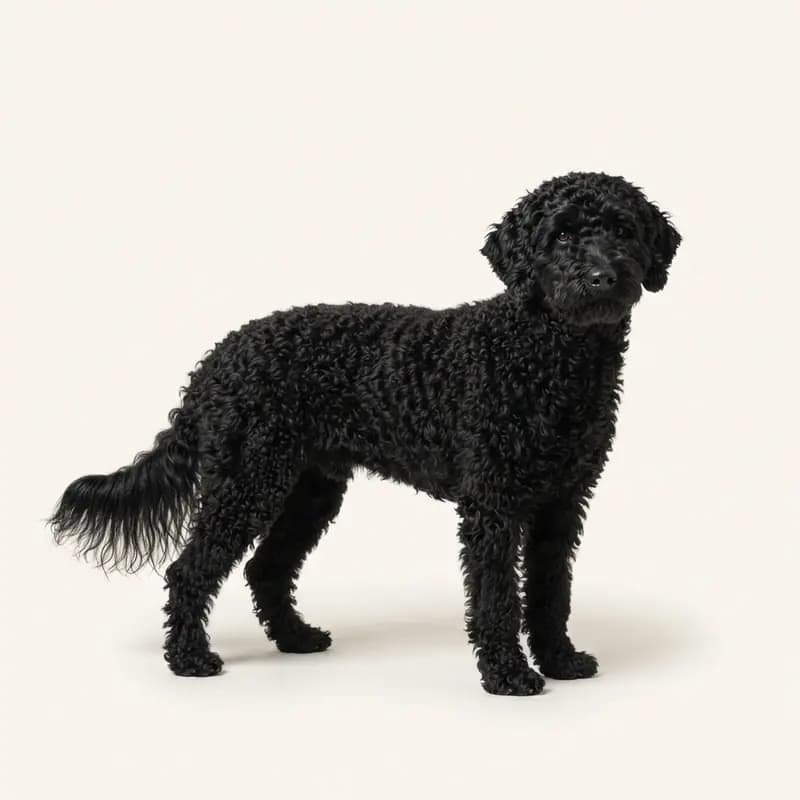
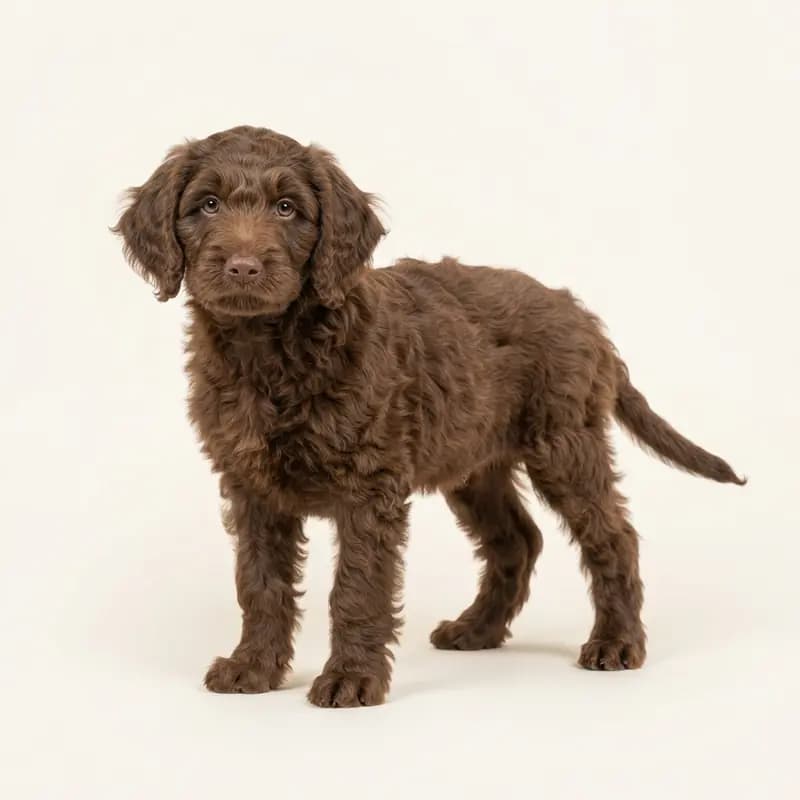
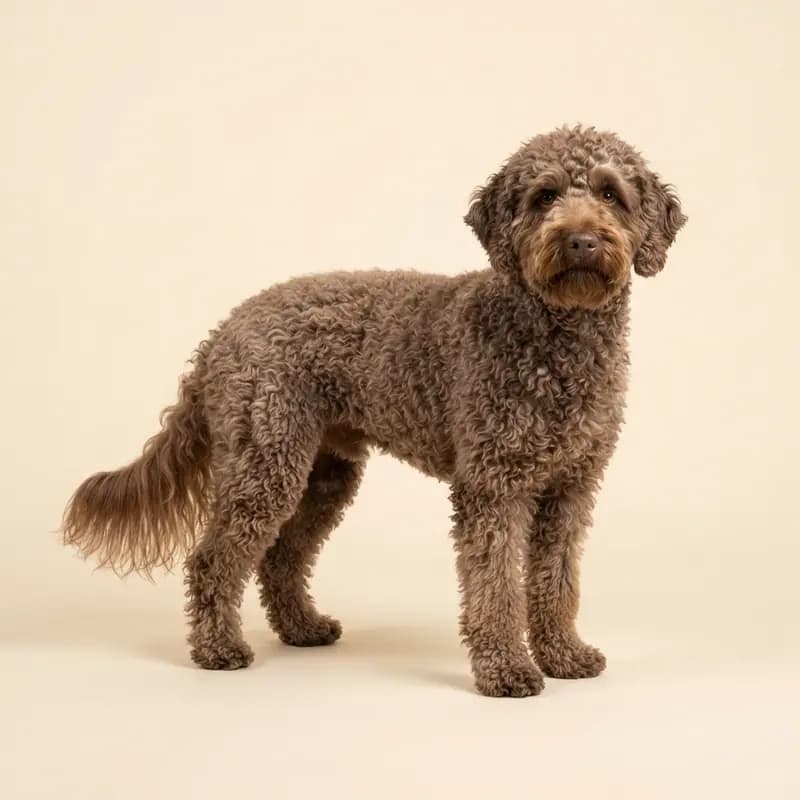
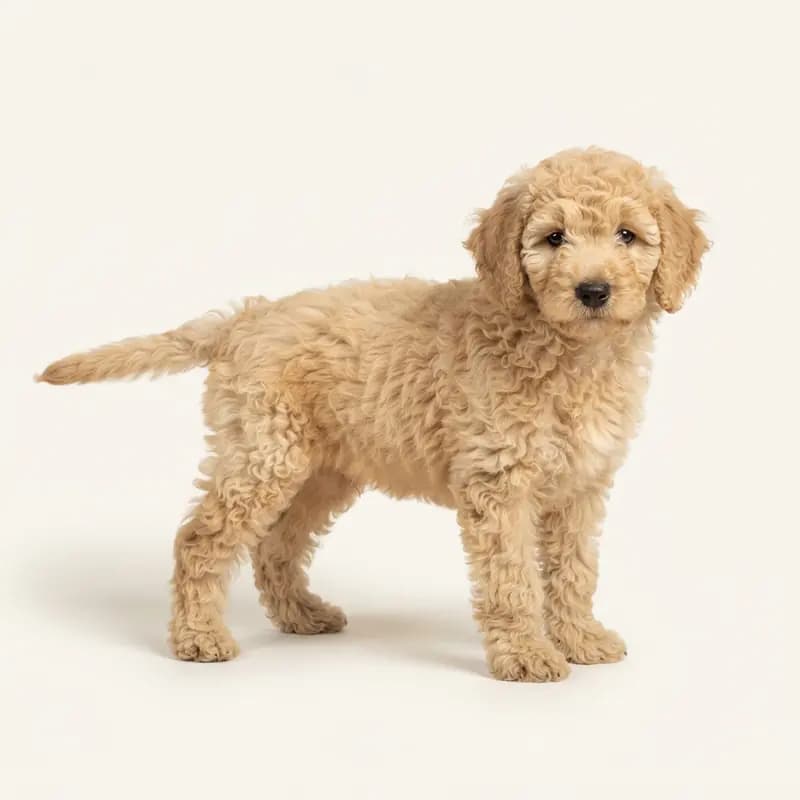
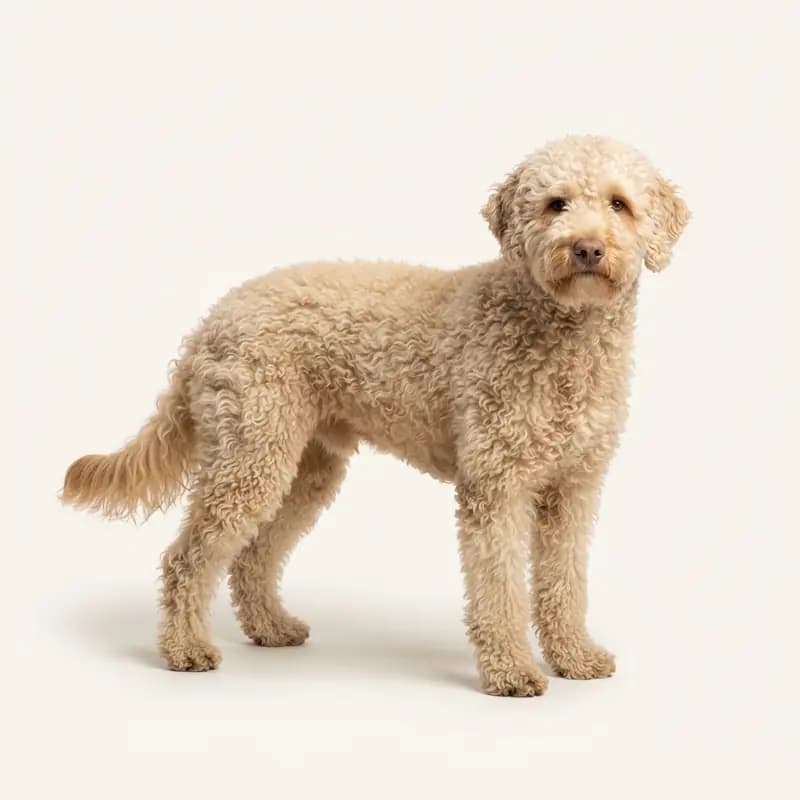
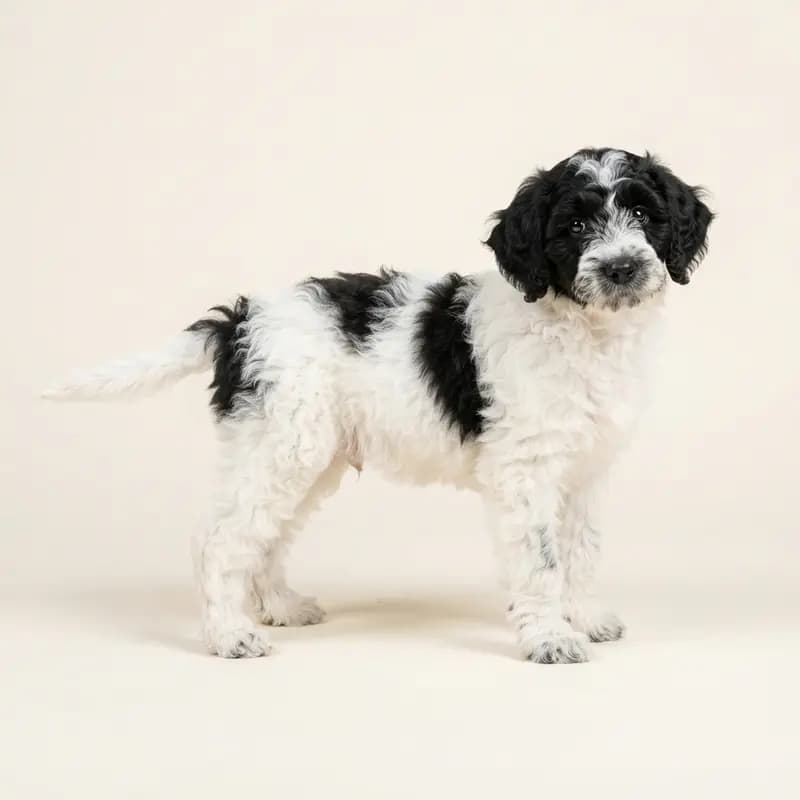
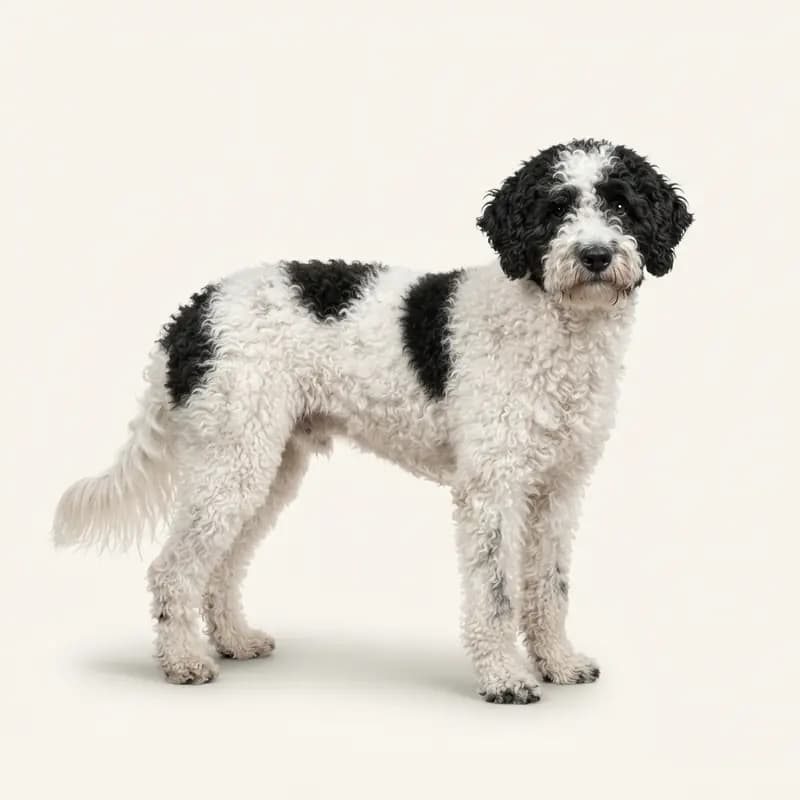
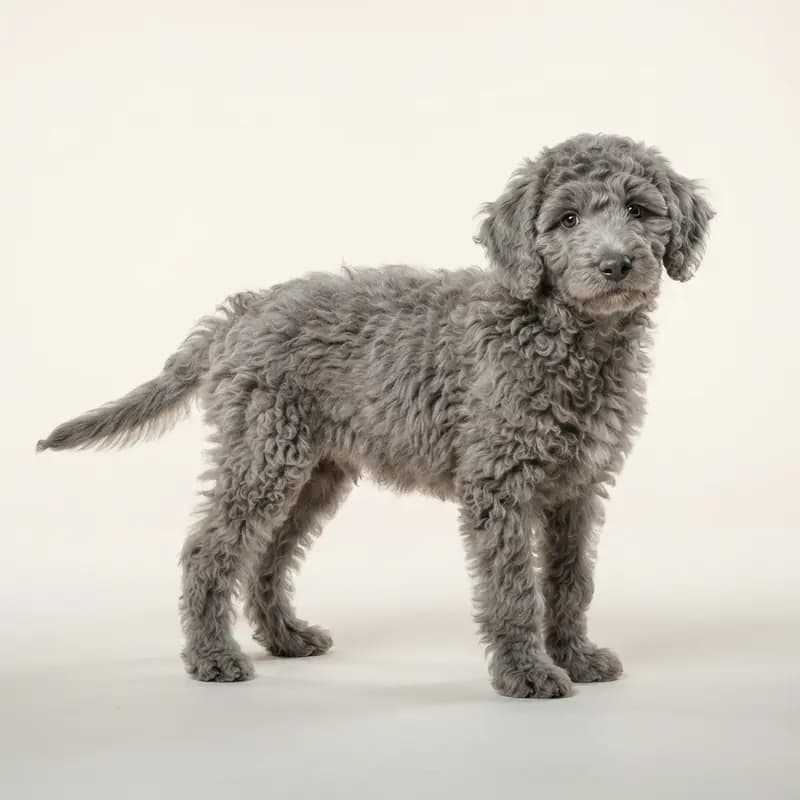
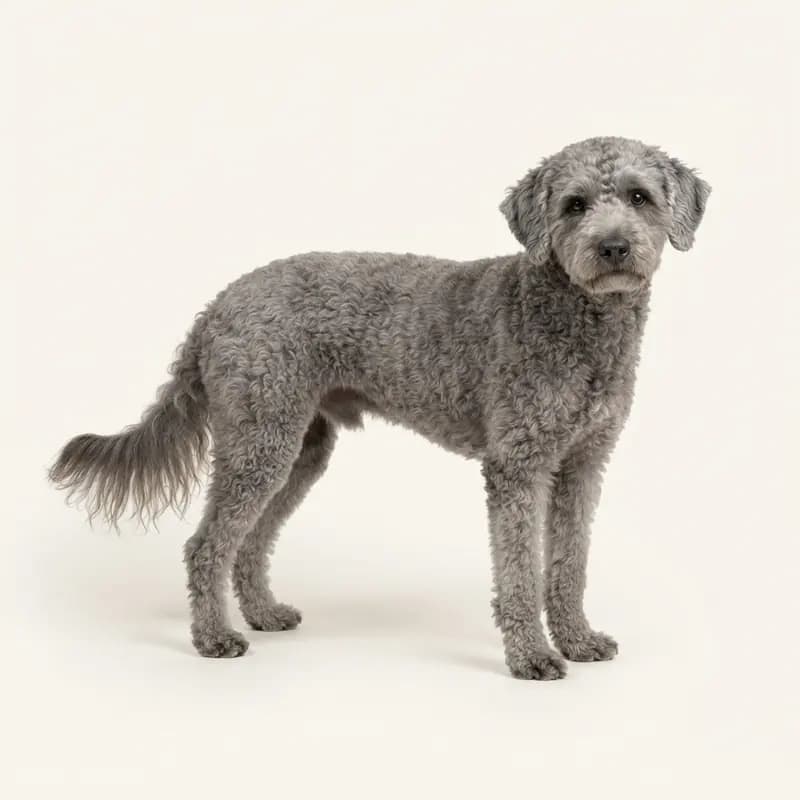
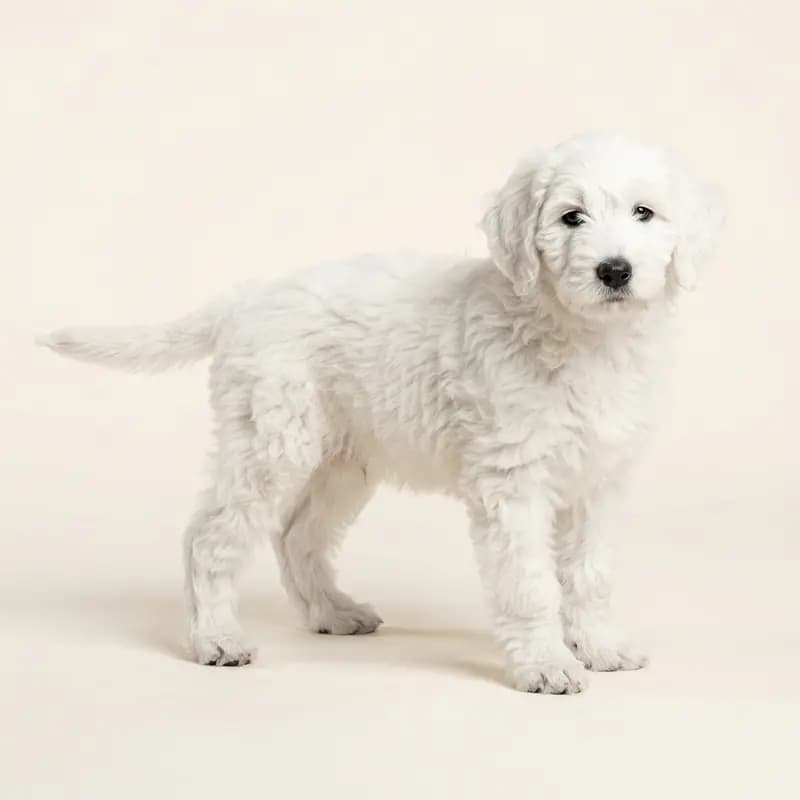
What colors does the Barbet come in?
The coat colors you will see in Barbet litters — including which ones fall outside the breed standard and which carry genetic risk.
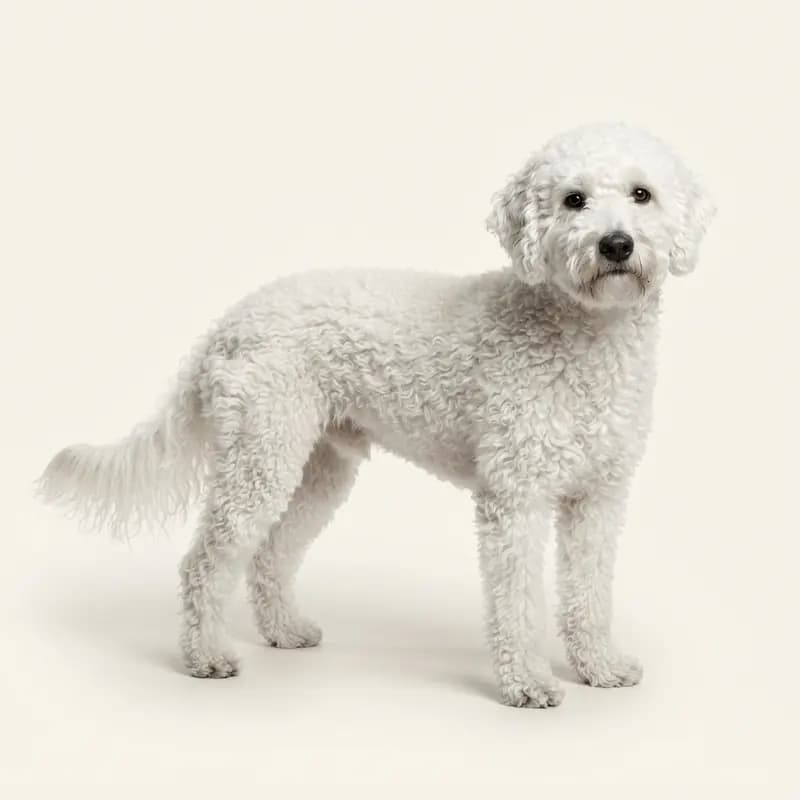
Eye colors
 Brown
Brown
Coat type
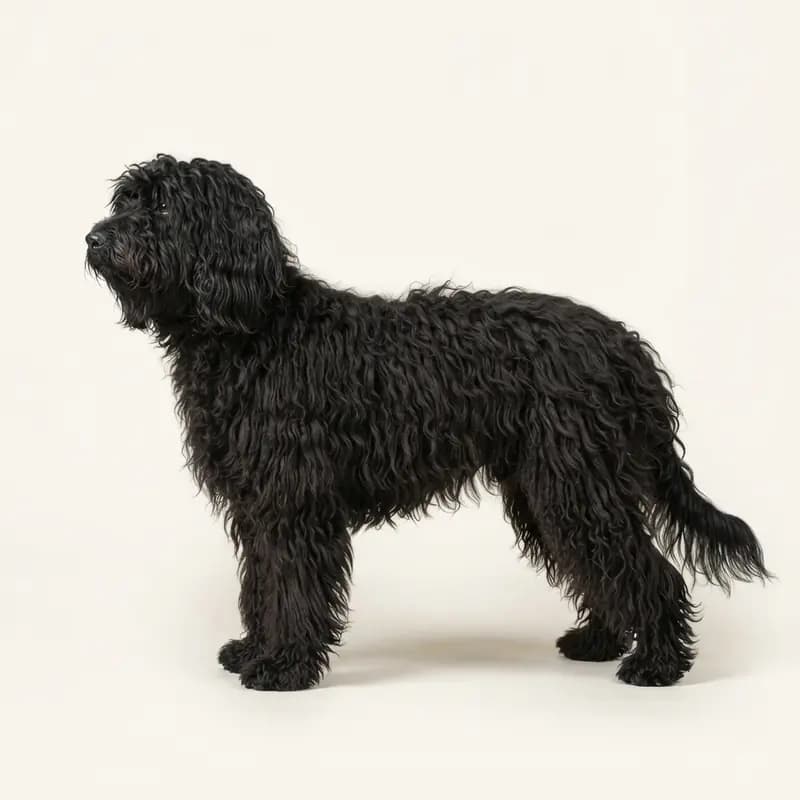 Illustrative image
Long
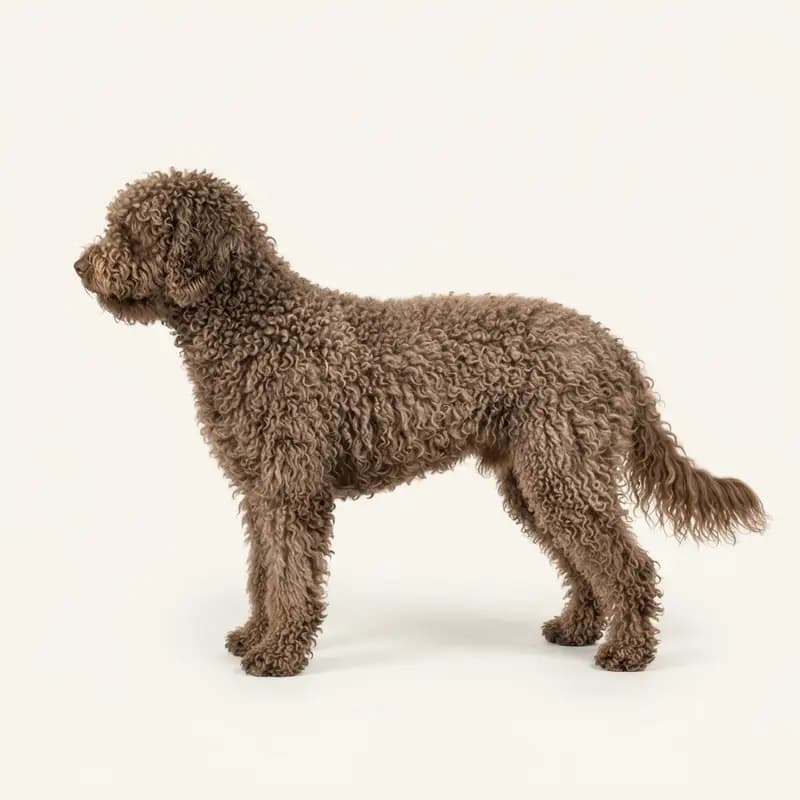 Illustrative image
Curly
Is the Barbet right for you?
The Barbet is a rustic, cooperative Apportierhund (retriever) — bred to tirelessly retrieve waterfowl in cold, wet marshes, which makes him a cheerful but high-maintenance nature enthusiast today.
Perfect for you if:
- You are looking for a close, cooperative companion for daily dummy training or intensive scent work near water.
- You are looking for a people-oriented dog that forms a strong bond with its family and does not like to live in isolation.
- You prefer to spend your free time outdoors in nature, regardless of the weather.
- You are prepared to invest time in elaborate coat care, as he does not shed but mats quickly.
Less ideal if:
- You expect him to walk past puddles — as a true water dog, he will unerringly find every mud hole.
- You plan to leave him alone for long periods every day, as he quickly becomes frustrated without connection and tasks.
- You are extremely meticulous about cleanliness in the house, as his dense curly coat absorbs water and dirt like a sponge.
- You are not prepared to work on impulse control when birds suddenly take flight at the lakeshore.
The real vibes check
A Barbet is like a high-quality all-weather tire: he thrives exactly when other dogs have long since wanted to head back to the dry. You get a highly intelligent, humorous buddy who will go through every swamp for you and really wants to work with you every single day. The downside? Your hallway will often look like a small wetland habitat.
Self-check
Would the Barbet really fit your life?
Answer 6 quick questions about your everyday life and see how well the Barbet fits you — including an honest cost estimate per month, per year, and across the dog's lifetime.
Fit checkCost estimateRisk dice
Takes about 1 minute · free & anonymous
Breed Profile
The Barbet is a medium-sized water dog that immediately catches the eye with its curly, long coat and athletic build. Its fur is dense and has an undercoat, which not only makes it look unique but also provides excellent insulation when working in the water. Coat color varies and can be black, gray, brown, fawn, white or multicolored. He belongs to FCI Group 8, the group of retrieving, searching and water dogs. Compared to some other breeds, the Barbet does not differentiate between show and performance lines, meaning that all dogs in the breed share essentially the same traits and characteristics.
All measurements in detail
- Height
- 53 - 61 cm (Female), 58 - 65 cm (Male)
- Weight
- 15 - 20 kg (Female), 17 - 27 kg (Male)
- Life Expectancy
- 13 - 15 yrs
- Character
- Playful, affectionate, intelligent
- Coat
- Curly, long, with an undercoat
- Coat Color
- Black, Gray, Brown, Fawn, White, Multicolor
- Price
- 1500 - 2500 €
Character & Temperament
The Barbet is known for its playful and affectionate nature. He is very people-oriented and enjoys being part of the family. His intelligence and desire to please make him a great companion and a great working dog. Compared to some other breeds, the Barbet is a relatively active dog. He has a lot of energy and needs daily exercise and mental stimulation to stay happy and healthy. He loves swimming and fetching, and he's also good at agility and other dog sports. The Barbet is generally a very social dog. He gets along well with people and other animals, including other dogs. He is also good with children as long as they treat him with respect and consideration. The Barbet is a very alert dog. He will definitely let you know if someone is at the door or if something unusual is going on around him. However, he is not an excessive barker and will usually only bark if he has a good reason to. As for being alone, the Barbet can learn to be alone, but he prefers to be with his family. He may suffer from separation anxiety if left alone for long periods of time. The barbet sometimes exhibits distinctive prey and hunting behavior, which stems from its history as a water dog. He has a strong retrieving instinct and can sometimes chase birds or other small animals. It is important that he is trained to walk on a leash from a young age and that he is kept in a safe, fenced area when not under direct supervision. Overall, the Barbet is a great breed for people looking for an active, intelligent and social dog. It has a lot to offer and can be a wonderful companion for the right person or family. It's important that he gets the exercise and mental stimulation he needs and that he is treated as part of the family. With the right care and training, the Barbet can be a great companion and friend.
| Trainability Picks up commands quickly and wants to please. | Eager to learn |
| Watchfulness Occasionally alerts but is fundamentally open. | Low |
| Openness to Strangers Warms up quickly and is generally welcoming. | Friendly |
| Hunting or Herding Drive Mild interest in movement and small animals — easily managed. | Low |
Fun Fact!
Did you know that the name "Barbet" from the French word "barbe" comes from what "beard" means? This refers to the characteristic "bearded" Appearance of this lovable dog breed.
What Awaits You
The distinctive feature of this rustic, medium-sized bird dog is the thick, curly fur that covers it from the crown of its large, broad head to the tip of its curved tail. The breed's delightfully shaggy coat and amiable nature give the impression of a Muppet come to life, but the Barbet is a strong, solidly built dog that has been bred for centuries to be an avid hunter and tireless swimmer. He has a calm nature and is easy to train as long as his need for exercise is met. The barbet is an agile athlete that is primarily used to track, scare and retrieve birds. He has a cheerful disposition and is very social and loyal.
Housing & Care
Barbets are extremely social dogs that love being close to their people. They are well suited to city life as long as they get enough physical and mental activity. Small children are usually not a problem for Barbets; they are known for their patience and loving nature with children. They also typically get along well with other pets, including cats, although early socialization is always recommended.
- Family Friendly
Lives for its family — the born family companion.
Ideal family dog - Child Friendly
Extraordinarily patient and loving — a true family dog.
Excellent with children - Dog Friendly
Actively enjoys the company of other dogs.
Dog-friendly - City Friendly
Adapts well to city living and urban environments.
Well-suited to city life
Owning a dog is a privilege, but it's also a real responsibility. Before you bring one into your life, be honest with yourself about the commitment it takes.
Training & Education
Barbets are intelligent, willing to learn, and generally easy to train. They respond very well to positive reinforcement and benefit from early socialization and consistent but gentle training. They love completing tasks but can also be stubborn when bored, so training should be kept varied and interesting. Since Barbets are originally water and retrieving dogs, they are well suited to sports such as agility, obedience and even water rescue. A healthy level of physical and mental activity is important to avoid over-busyness and stress. Since they can be prone to ball addiction, the ball should not be the only form of play and activity. Learning frustration tolerance and impulse control can also be helpful in having a well-balanced dog.
Nutrition & Care
A balanced diet is essential for the Barbet. Because they are prone to hip dysplasia, a diet aimed at maintaining a healthy weight and supporting joints can be particularly beneficial. When selecting food, attention should be paid to the quality and the specific needs in the different phases of life. Nutritional advice from your veterinarian can be helpful. Barbet care requires a little more effort. Their curly, water-resistant coats are prone to matting and should be brushed regularly. They have a dense undercoat and therefore cope well with the German climate. However, they shed relatively little compared to many other breeds.
| Care Level Regular brushing and occasional professional grooming. | Moderate |
| Exercise Needs Needs 1–2 hours of real exercise daily. | Active |
| Shedding No or minimal hair loss — suitable for allergy sufferers. | No shedding |
| Trainability Picks up commands quickly and wants to please. | Eager to learn |
Our experts are still reviewing this information. Spotted something wrong? Email us at info@honestdog.de.
Health & hereditary diseases
Health
B
Solid
Health grade
The Barbet is considered a robust breed, but it carries an average genetic burden that can be well managed through targeted breeding screenings. Hip dysplasia (HD) and elbow dysplasia (ED) are important considerations for a dog of this size, which are minimized through mandatory health tests of the parent animals. In addition, buyers should look for genetic tests for the blood clotting disorder Von Willebrand disease (vWD I) and the eye condition PRA-PRCD to rule out genetic risks.
Grade is relative to other breeds — AI-assisted and editorially reviewed.
In daily life this can mean
You should ensure joint-friendly rearing, consistently groom the curly coat to avoid matting, and schedule regular eye check-ups.
The breeder's role
Reputable breeders have the hips, elbows, and eyes of the parent animals tested and, because of the small gene pool, strictly pay attention to lines without neurological or autoimmune diseases.
Note: This health overview is AI-assisted and editorially reviewed. It is for orientation only and does not replace veterinary advice.
No Health Tests Available
No specific health tests are currently available for this breed.
Costs & where to find one
How much does a Barbet cost?
A Barbet costs around ~€180 per month (€100 – €340, depending on your setup). The first year adds up to roughly ~€5,020 including purchase, equipment and puppy school; across the dog's life (14 years) it comes to about ~€33,420.
With surgery cover, running costs come to about ~€180 per month — in return, your share of a major operation drops from several thousand euros to around 20 percent.
Per month
~€180
In the first year
~€5,020
Across the dog's life
~€33,420
Purchase from a breeder: €1,500 – €2,500
Estimate at a mid-range setup (suburban, dry food, 1–2 hours of daily exercise), average German prices, as of July 2026.
Calculate your personal costs1-minute self-check with your own answers
Looking for a Barbet?
Appearance, variants & origin
History
The full history
The Barbet is an ancient French breed whose exact origins are not certain, but it is believed to have existed as early as the Middle Ages. Its name comes from the French word "barbe", meaning "beard" means - a fitting name for a dog with such distinctive facial hair. The barbet was traditionally used as a water dog, retrieving birds and other prey from the water. It is closely related to other European water dogs such as the Portuguese water dog and the Spanish water dog. The breed has always had a strong place in France, but its numbers declined dramatically after the two world wars. However, thanks to the efforts of dedicated breeders in the 1970s and 80s, the breed was revived. The Barbet was recognized as a separate breed by the American Kennel Club in 2007.
Original Use
The Barbet was bred as a water hunting dog for duck hunting and is known for its thick, curly coat.
Origin
France
Date
1500
Owner experiences
What owners say about the Barbet
Zusammengefasst aus öffentlich geteilten Halter-Erfahrungen
Viele Halter beschreiben den Barbet im Alltag als einen extrem anhänglichen und menschenbezogenen Begleiter, der am liebsten überall mit dabei ist. Im Haus verhalten sich die Hunde meist ruhig und ausgeglichen, suchen jedoch ständig die Nähe ihrer Menschen und neigen dazu, ihren Besitzern wie ein Schatten von Raum zu Raum zu folgen. Diese intensive Bindung macht sie zu wunderbaren Familienhunden, die auch im Umgang mit Kindern als sehr sanft, geduldig und verspielt gelten.
Die Kehrseite dieser engen Bindung ist jedoch, dass vielen Barbets das Alleinsein schwerfällt. Berichten zufolge neigen einige Vertreter der Rasse zu Trennungsangst, weshalb dieses Thema von Anfang an geduldig trainiert werden muss. Zudem ist der Barbet ein absoluter Naturbursche. Seine leidenschaftliche Liebe zu Wasser und Schlamm sorgt im Alltag dafür, dass Spaziergänge selten sauber enden. Halter betonen humorvoll, dass man sich auf einen nassen Hund, Sand im Haus und im Winter auf mühsame Schneeklumpen im dichten Fell einstellen muss.
Zusammengefasst aus öffentlich geteilten Halter-Erfahrungen
In der Erziehung zeigt sich der Barbet als überaus intelligenter und lernwilliger Hund, der einen ausgeprägten „Will to please“ besitzt. Er begreift schnell und lässt sich durch positive Verstärkung hervorragend motivieren. Gleichzeitig betonen erfahrene Halter, dass die Rasse sehr sensibel ist. Eine harte Hand oder zu viel Druck verträgt der französische Wasserhund überhaupt nicht – er schaltet dann stur oder zieht sich zurück. Konsequenz gepaart mit viel Geduld und Einfühlsamkeit ist hier der Schlüssel zum Erfolg.
Obwohl der Barbet heute oft als reiner Begleithund gehalten wird, darf sein Erbe als Jagd- und Apportierhund nicht unterschätzt werden. Viele Besitzer berichten von einem spürbaren Jagdtrieb, insbesondere bei Enten, Vögeln oder beim Stöbern im Dickicht und Schilf. Um diesen Trieb in geordnete Bahnen zu lenken, empfehlen Halter eine gezielte geistige Auslastung wie Dummyarbeit, Suchspiele oder Agility. Auch die Akzeptanz der intensiven Fellpflege muss bereits im Welpenalter als fester Teil der Erziehung trainiert werden, da dies an empfindlichen Stellen sonst schnell zu kleinen Machtkämpfen führen kann.
Zusammengefasst aus öffentlich geteilten Halter-Erfahrungen
Wer sich in den typischen, wuscheligen „Bären-Look“ des Barbets verliebt, unterschätzt laut Berichten aktiver Halter oft den enormen Pflegeaufwand. Der Mythos, dass Barbets als nicht-haarende Hunde keine Arbeit machen, wird in der Praxis schnell widerlegt. Zwar verlieren sie keine kurzen Stichelhaare in der Wohnung, doch das abgestorbene, weiche Haar bleibt im lockigen Fell hängen. Wird der Hund nicht mehrmals pro Woche – an kritischen Stellen wie dem Bart, den Achseln und hinter den Ohren sogar täglich – gründlich gebürstet, verfilzt das Fell rasant zu dichten Platten. Ist dieser Punkt erst einmal erreicht, hilft oft nur noch eine radikale Scherkur bis auf die Haut.
Aus gesundheitlicher Sicht weisen Besitzer zudem auf die Pflege der Ohren hin. Da im Gehörgang des Barbets Haare wachsen, müssen diese regelmäßig vorsichtig gezupft werden, um eine ausreichende Belüftung zu gewährleisten und schmerzhaften Ohrenentzündungen vorzubeugen. Vereinzelt berichten Halter zudem von einer gewissen Empfindlichkeit des Magen-Darm-Trakts sowie einer Anfälligkeit für Überhitzung an heißen Sommertagen, weshalb die großen Gassirunden dann in die kühlen Morgen- oder Abendstunden verlegt werden sollten.
Paraphrased from real owner reports
Loading owner stories
Community Posts
FAQ & more
Frequently asked questions about the Barbet
Is a Barbet the right dog for me?
The Barbet is an adaptable dog that adjusts well to various lifestyles. Research the temperament, grooming needs, and space requirements before deciding.
How long does a Barbet live?
The average life expectancy of a Barbet is 13-15 years. With proper care and regular vet visits, your dog can live a long, healthy life.
How much grooming does a Barbet need?
Barbet grooming requirements include regular brushing, nail trimming, and dental care. HonestDog provides detailed grooming tips for every breed.
Is a Barbet good for families with children?
The Barbet can be a great family dog. Proper training and socialization are key. HonestDog provides family suitability information for every breed.
What colors does the Barbet come in?
The Barbet comes in these colors: Black, Brown, Fawn, Piebald, Grey, White.
Loading related articles
Are you a Barbet breeder?
Showcase your kennel on HonestDog and reach families searching for a responsibly bred Barbet.
Why HonestDog?
What makes HonestDog different from other platforms
Full transparency
We lay out what we have: who the breeder is, how they work, and any health records they've uploaded. So you can judge for yourself.
Responsible breeding, assured
Every breeder on HonestDog has their identity and documents checked before their profile goes live. Health records they upload are shown on the profile, so you can see exactly what has been tested.
Trust and verification
We verify breeders and buyers alike, so every conversation happens on solid ground. It's a new standard of trust in dog breeding.
Less hassle, more time
We've already checked the breeders' documents and gathered the details, so you can skip the endless research and focus on finding the right puppy for your family.
Our Mission

We connect dog lovers with responsible breeders and shelters to ensure every dog finds the perfect home.
Founded by dog enthusiasts, our platform focuses on ethical dog breeding and adoption.
Why HonestDog?
We connect you with vetted breeders and shelters so you can find your — your new companion — with confidence.
Vetted Partners
Only verified breeders and shelters — for a safe start.
Highest Standards
Every animal's health and wellbeing is our top priority.
Guides & Resources
Guides, checklists, and breed profiles — so you can make a well-informed decision.