Loading breed
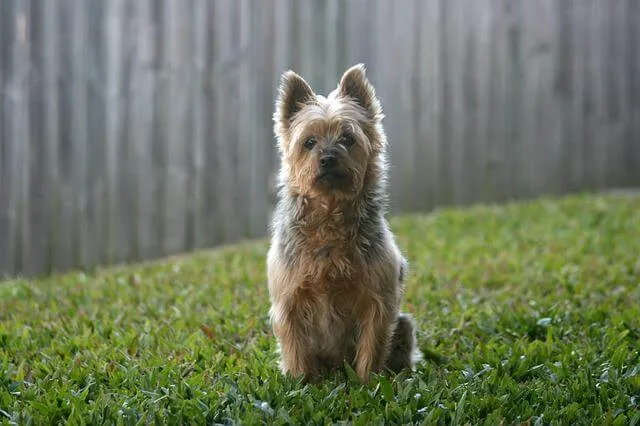
Australian Terrier
Health grade CThe Australian Terrier is a cheerful, lightning-fast companion—bred as a robust Erdhund (earth dog/terrier) and farm guardian, designed to independently kill snakes and guard the home in the Australian outback.
- Height23–26 cm
- Weight4–7 kg
- Life expectancy12–15 yrs
- Puppy price1,200–2,500 €
- Energy3/5
The Essentials at a Glance
The Australian Terrier is a cheerful, lightning-fast companion—bred as a robust Erdhund (earth dog/terrier) and farm guardian, designed to independently kill snakes and guard the home in the Australian outback.
- Health grade C: While the Australian Terrier is quite robust in everyday life, it carries an above-average genetic burden with a clear focus on eye diseases.
- You appreciate a dog that thinks for itself and occasionally challenges you, rather than showing blind obedience.
- You are keen on active engagement like scent work or designated digging corners in the garden—this Erdhund is not just a lap dog.
- You expect him to ignore small animals or the neighbor's cats—he was bred to react to movement in a flash and hunt prey.
Is the Australian Terrier right for you?
At a glance
Australian Terrier overview
The essentials — key facts, traits, and health priorities — before you dive deeper.
Health grade
Relative to other breeds
S
A
B
C
D
E
Very healthyHigher risk
Average — several important tests are expected.
See full health info & tests →
Note: This health overview is AI-assisted and editorially reviewed. It is for orientation only and does not replace veterinary advice.
Lifespan
12–15 yrs
Height
23–26 cm
Weight
4–7 kg
Practical
- Puppy price: 1,200 – 2,500 €
- Coat: Rough, medium length, undercoat present
- Origin: Australia
Temperament
Energy
Trainability
Family fit
With kids
Daily life
Care effort
Shedding
Barking
City-friendly
Guard instinct
What matters most
Especially with a Australian Terrier, choosing the right breeder is the single most important decision you'll make. Serious breeders consistently test the parents for inherited conditions, prioritize healthy early socialization, and stay accountable long after handover. A cheap puppy without health screening tends to become the most expensive dog later on.
See HonestDog breeder standards →Colors & coat
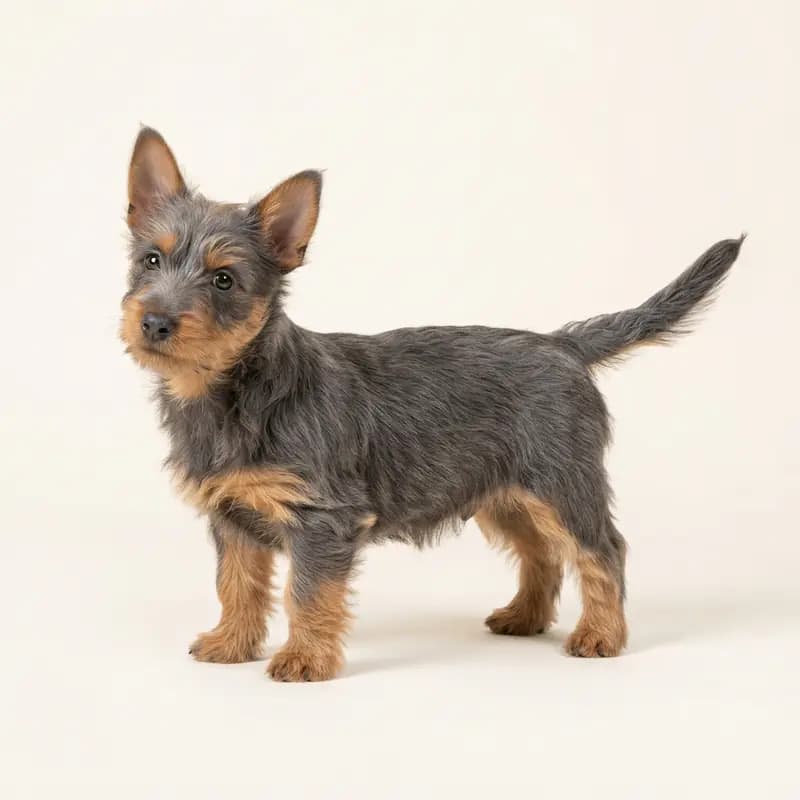
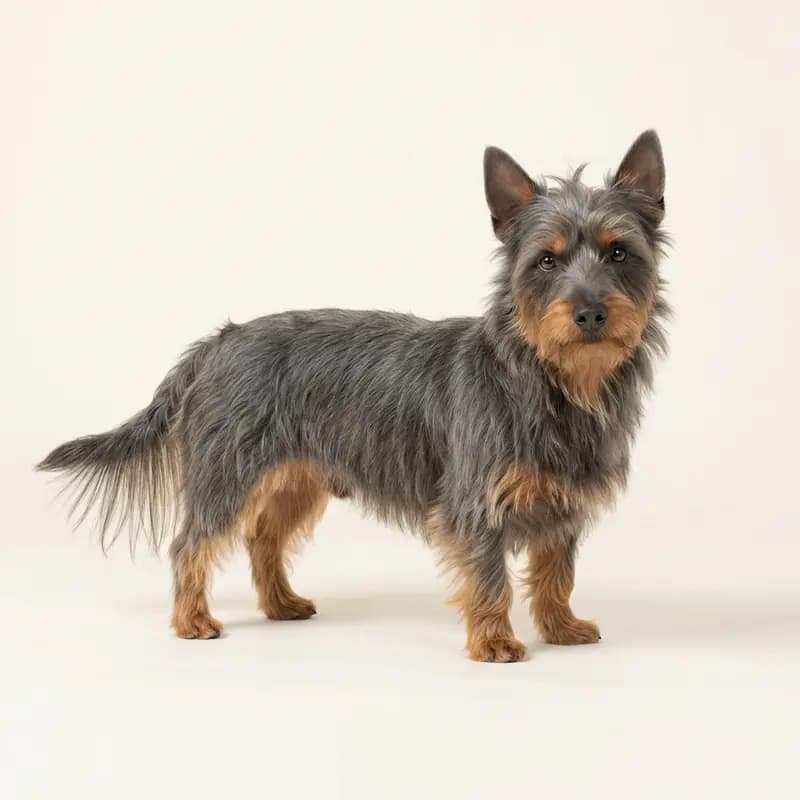
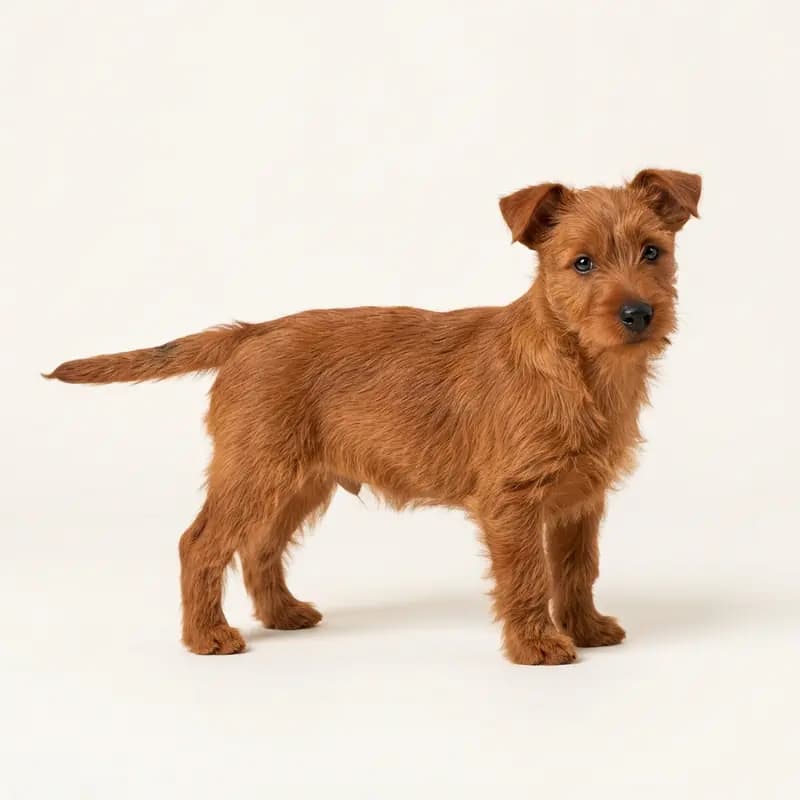
What colors does the Australian Terrier come in?
The coat colors you will see in Australian Terrier litters — including which ones fall outside the breed standard and which carry genetic risk.
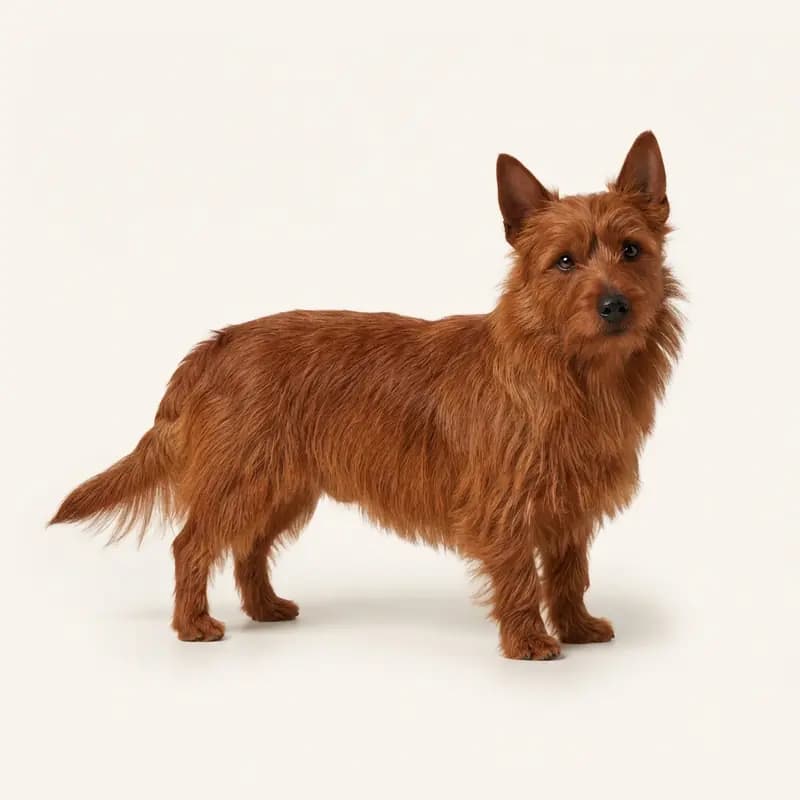
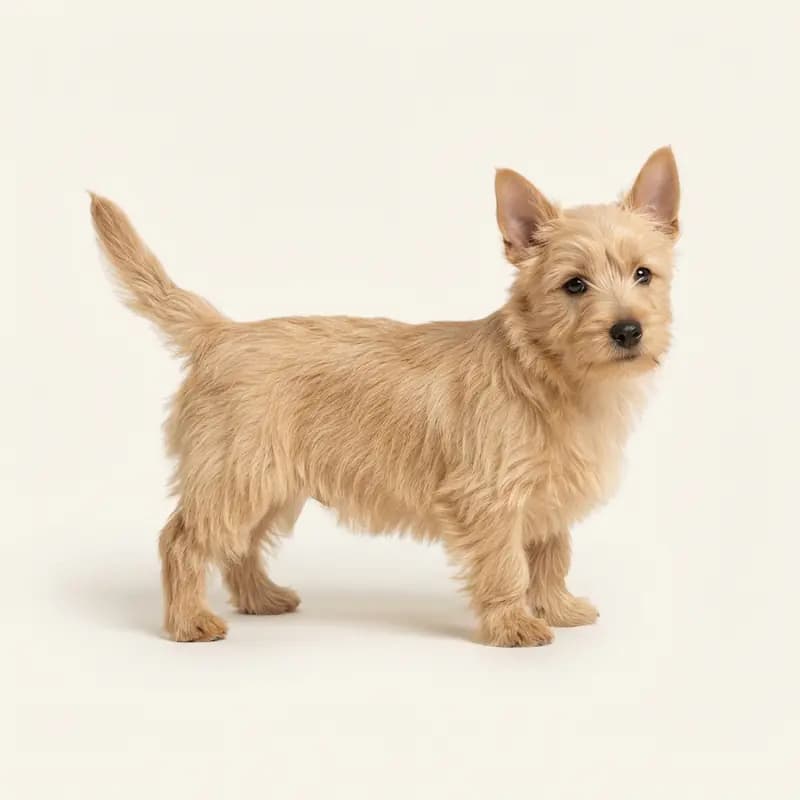
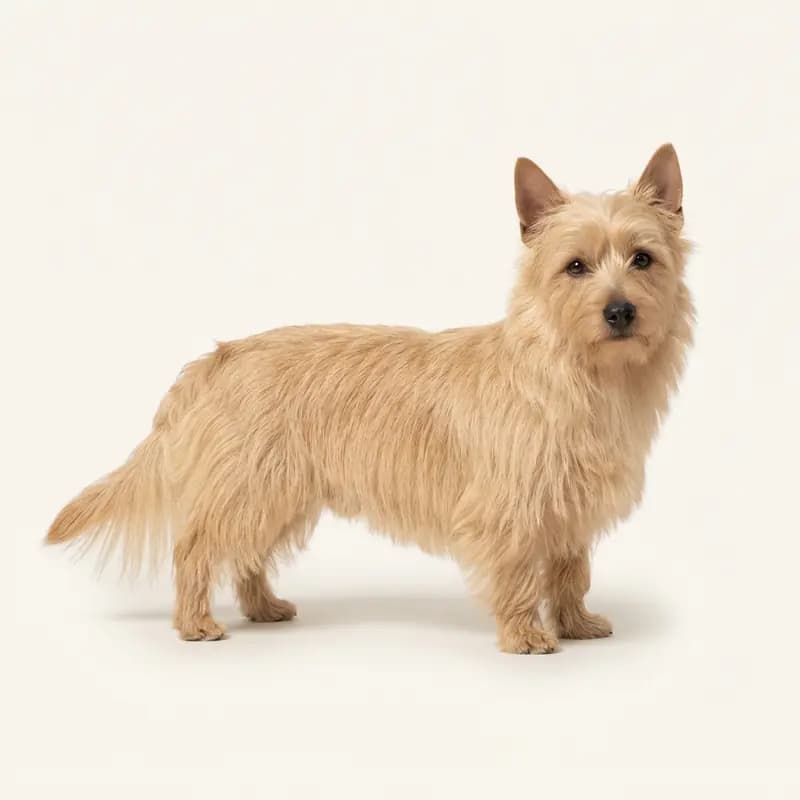
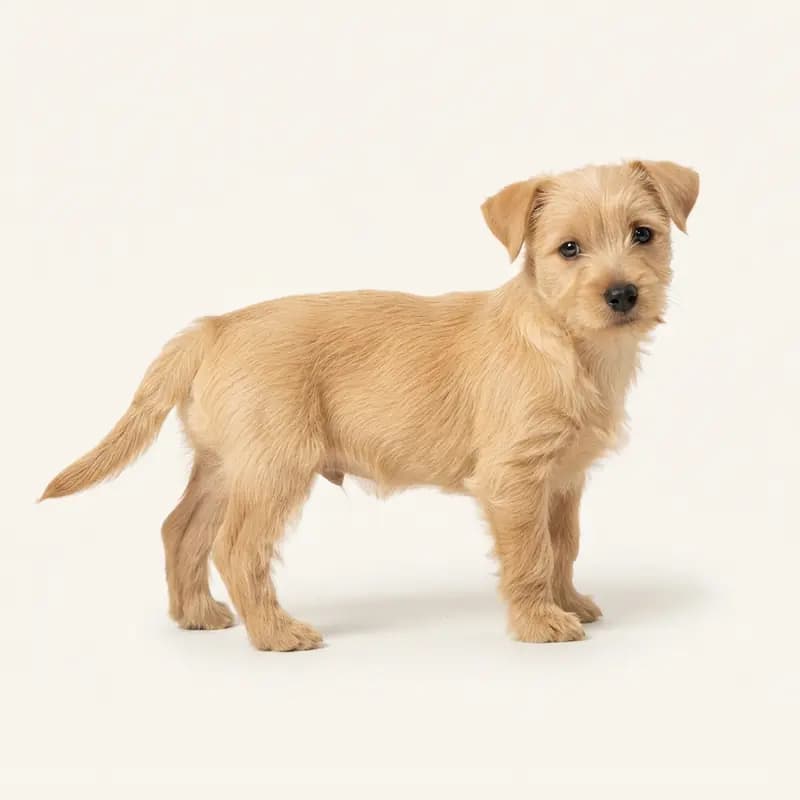
Eye colors
 Brown
Brown
Coat type
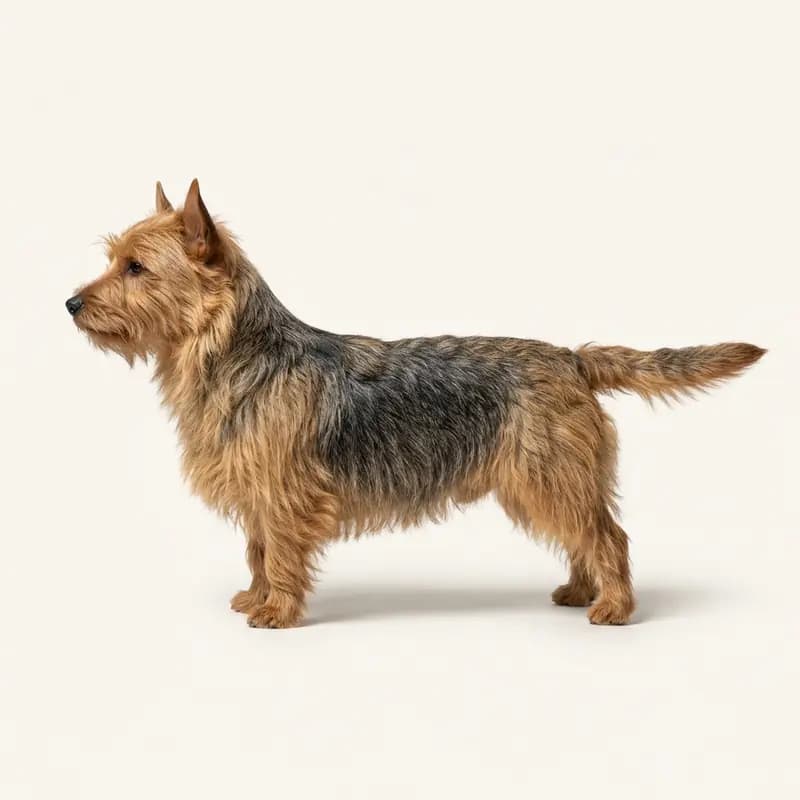 Illustrative image
Wire
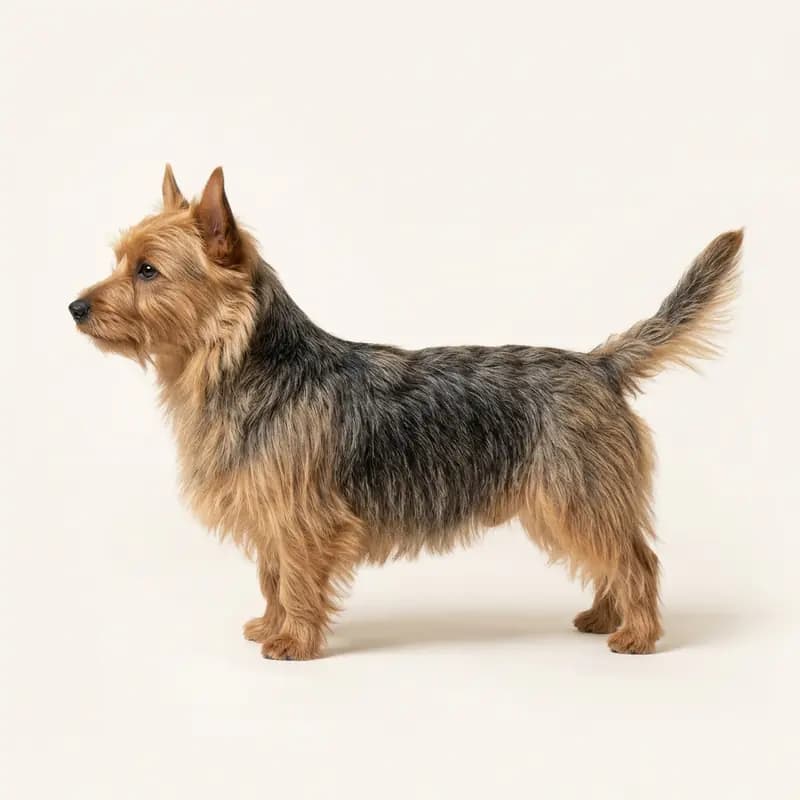 Illustrative image
Medium
 Double coat
Is the Australian Terrier right for you?
The Australian Terrier is a cheerful, lightning-fast companion—bred as a robust Erdhund (earth dog/terrier) and farm guardian, designed to independently kill snakes and guard the home in the Australian outback.
Perfect for you if:
- You appreciate a dog that thinks for itself and occasionally challenges you, rather than showing blind obedience.
- You are keen on active engagement like scent work or designated digging corners in the garden—this Erdhund is not just a lap dog.
- You are looking for a compact, weather-resistant buddy who can easily keep up on any hiking adventure.
- You are prepared to work lovingly but consistently on leash manners and recall from the very beginning.
Less ideal if:
- You expect him to ignore small animals or the neighbor's cats—he was bred to react to movement in a flash and hunt prey.
- You live in an apartment with thin walls and would be bothered by a dog that, as a farm guardian, reliably announces every visitor.
- You are looking for a submissive dog that always avoids conflict with other dogs—a terrier often prefers to stand his ground.
The real vibes check
An Australian Terrier is not a stuffed animal in a handbag format—he is a gritty outback adventurer on short legs. If you guide his courage and independence with a sense of humor, you will have a fearless buddy for life. However, if you expect a quiet follower, he will quickly show you who is actually training whom.
Self-check
Would the Australian Terrier really fit your life?
Answer 6 quick questions about your everyday life and see how well the Australian Terrier fits you — including an honest cost estimate per month, per year, and across the dog's lifetime.
Fit checkCost estimateRisk dice
Takes about 1 minute · free & anonymous
Breed Profile
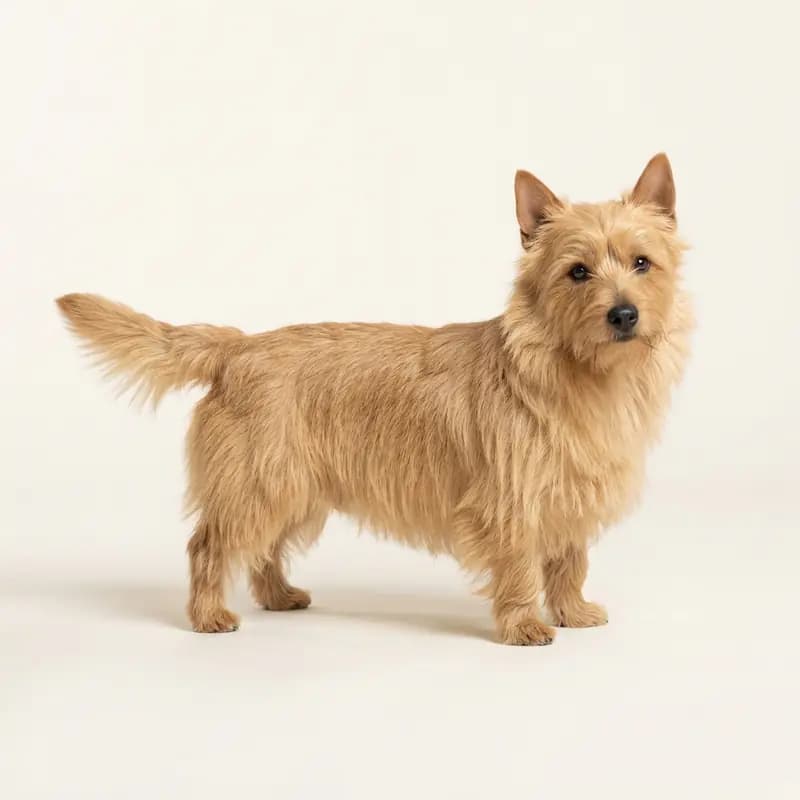
The Australian Terrier is a small but robust dog that shows amazing stamina and energy despite its small size. It has a rough, medium-length coat that protects it from extreme weather conditions and a thick undercoat. Its coat color can range from blue and silver to various shades of red. He belongs to FCI group 3, the terriers, and within this group to section 2, the small terriers. Its physical stature is well proportioned, with a compact frame, strong legs and a bushy tail that is usually carried erect. Its head is long with small, dark and lively eyes that show its intelligence and curiosity. Its ears are small, erect and widely spaced, giving it a distinctive appearance.
All measurements in detail
- Height
- 23 - 24 cm (Female), 24 - 26 cm (Male)
- Weight
- 4 - 6 kg (Female), 5 - 7 kg (Male)
- Life Expectancy
- 12 - 15 yrs
- Character
- Lively, courageous, affectionate
- Coat
- Rough, medium length, undercoat present
- Coat Color
- Blue/silver/sand or red tones
- Price
- 1200 - 2500 €
Character & Temperament
The Australian Terrier is a charming and affectionate dog that quickly becomes a beloved member of the family. He is lively and energetic, with a curiosity and eagerness that make him an entertaining and loving companion. Its original purpose as a hunting and guard dog has shaped its personality. He is brave and alert, always ready to defend his territory and his family. However, this natural guarding instinct can make him prone to excessive barking, especially if he doesn't receive enough mental and physical stimulation. The Australian Terrier has a natural affinity for people and loves the company of his family. He is a very people-oriented dog and tends to form a close bond with his owners. He enjoys being part of daily activities and will often volunteer to help, whether it's helping in the garden or cuddling on the sofa. While he is good at being alone, this should not be done for too long or too often as he needs the company of people or other dogs to be happy and well-adjusted. Being alone for too long can lead to separation anxiety and destructive behavior. Despite being a terrier, the Australian Terrier does not have the extremely strong hunting instinct of some other terrier breeds. However, he still has an instinctive urge to dig and hunt, which should be controlled and directed into appropriate channels. His alertness and keen sense of territory make him an excellent watchdog. Overall, the Australian Terrier is a cheerful, lively and loyal companion who fits well into a family and loves an active lifestyle. He brings many of the typical terrier characteristics, including a sense of independence and a strong will, but his affectionate nature and desire to please his family make him a pleasure to live with.
| Trainability Bred to work closely alongside humans. | Highly trainable |
| Watchfulness Reports unusual activity but stays controlled. | Moderate |
| Openness to Strangers Warms up quickly and is generally welcoming. | Friendly |
| Hunting or Herding Drive Mild interest in movement and small animals — easily managed. | Low |
Fun Fact!
Despite their small size, Australian Terriers were originally bred to hunt snakes and rodents and are still known today for their brave and fearless character.
What Awaits You
The Australian Terrier is considered an adaptable companion with a high hunting motivation. He needs a lot of exercise and activity.
Housing & Care
Australian Terriers can live in an apartment as long as they receive adequate exercise and mental stimulation. They are active and require daily walks as well as play and exercise time. This breed generally gets along well with children and can make a wonderful family dog. Their robust and playful nature makes them great playmates for older children. However, they should always be supervised when around very young children to ensure that play does not become too rough. As for other pets, the Australian Terrier can live with cats and other dogs, especially if it has been socialized with them from an early age. However, due to his terrier heritage, he can have a strong prey instinct and should always be supervised around small animals such as rodents or birds.
- Family Friendly
Loves family life and thrives in a group.
Family-oriented - Child Friendly
Takes boisterous and affectionate children in its stride.
Patient with children - Dog Friendly
Usually gets on fine with other dogs.
Generally tolerant - City Friendly
Adapts well to city living and urban environments.
Well-suited to city life
Owning a dog is a privilege, but it's also a real responsibility. Before you bring one into your life, be honest with yourself about the commitment it takes.
Training & Education
Raising an Australian Terrier can be both a joy and a challenge. They are intelligent and eager to learn, but can also show a certain stubbornness. Patience, consistency and positive reinforcement are the keys to training success with this breed. The Australian Terrier's activity and intelligence make him an excellent candidate for various dog sports such as agility, obedience or Rally-O. These activities can be an excellent way to channel his mental and physical energy in positive directions while strengthening his bond with his owner. It is important to note that although the Australian Terrier is an active dog, he also needs his rest periods. As with any breed, if he is not given enough time to rest and relax, he is at risk of becoming over-employed. This can lead to stress and health problems. It is important to find a good balance between activity and rest.
Nutrition & Care
Australian Terriers have a good appetite and are prone to becoming overweight if their diet is not well controlled. It is important to provide them with a balanced diet tailored to their size, age, metabolism and activity level. Grooming the Australian Terrier is fairly straightforward. They have a double coat of fur consisting of a rough top coat and a soft undercoat that protects them from extreme weather conditions. Their grooming requires regular brushing to remove dead hair and keep their skin healthy. They don't tend to shed excessively, but regular brushing will help minimize the amount of loose hair.
| Care Level Regular brushing and occasional professional grooming. | Moderate |
| Exercise Needs Needs 1–2 hours of real exercise daily. | Active |
| Shedding No or minimal hair loss — suitable for allergy sufferers. | No shedding |
| Trainability Bred to work closely alongside humans. | Highly trainable |
Our experts are still reviewing this information. Spotted something wrong? Email us at info@honestdog.de.
Health & hereditary diseases
Health
C
Solid, watch carefully
Health grade
While the Australian Terrier is quite robust in everyday life, it carries an above-average genetic burden with a clear focus on eye diseases. Risks such as Progressive Retinal Atrophy (PRA) and cataracts require consistent screening to prevent early-onset blindness. Furthermore, anatomical malformations such as a molera (open fontanelle) must be excluded through responsible breeding selection.
Grade is relative to other breeds — AI-assisted and editorially reviewed.
In daily life this can mean
With a healthy weight, joint-friendly exercise during puppyhood, and regular eye check-ups, most dogs stay fit and active for a long time.
The breeder's role
Reputable breeders have the parents' knees, hips, and eyes tested and pay attention to clear bloodlines to reduce the risk of metabolic diseases.
Note: This health overview is AI-assisted and editorially reviewed. It is for orientation only and does not replace veterinary advice.
No Health Tests Available
No specific health tests are currently available for this breed.
Costs & where to find one
How much does a Australian Terrier cost?
A Australian Terrier costs around ~€170 per month (€90 – €310, depending on your setup). The first year adds up to roughly ~€4,710 including purchase, equipment and puppy school; across the dog's life (13.5 years) it comes to about ~€30,040.
With surgery cover, running costs come to about ~€160 per month — in return, your share of a major operation drops from several thousand euros to around 20 percent.
Per month
~€170
In the first year
~€4,710
Across the dog's life
~€30,040
Purchase from a breeder: €1,200 – €2,500
Estimate at a mid-range setup (suburban, dry food, 1–2 hours of daily exercise), average German prices, as of July 2026.
Calculate your personal costs1-minute self-check with your own answers
Looking for a Australian Terrier?
Appearance, variants & origin
History
The full history
The breed comes from Australia and was first bred in the mid-19th century. It is designed to perform a variety of tasks in the harsh and often hostile Australian environment, including rat and snake hunting and home and yard guarding. The original Australian Terriers were a mix of various British terrier breeds, including the Cairn Terrier, Scottish Terrier and Yorkshire Terrier, brought to Australia by settlers from Great Britain. These dogs were selectively bred to create a terrier adapted to both the harsh Australian environment and the needs of the settlers. The Australian Terrier was officially recognized as a breed in 1868, making it one of the first terriers bred outside of Great Britain. He was recognized by the Kennel Club in Great Britain in 1892 and by the American Kennel Club in 1960. Today he is popular in many countries around the world, both as a companion dog and as a working dog.
Original Use
The Australian Terrier was originally bred for pest control and as a guard dog, but is also a popular companion dog.
Origin
Australia
Date
1820
Owner experiences
What owners say about the Australian Terrier
Zusammengefasst aus öffentlich geteilten Halter-Erfahrungen
Viele Halter beschreiben den Australian Terrier als einen überaus anhänglichen und menschenbezogenen Begleiter, der am liebsten überall dabei ist. Im Haus zeigen sie sich bei ausreichender Auslastung oft als ruhige, verschmuser „Klettenhunde“ (Velcro-Dogs). Draußen hingegen erwacht ihr lebhaftes Temperament, und sie lieben es, aktiv am Familienleben teilzunehmen.
Allerdings wird in Erfahrungsberichten auch betont, dass diese enge Bindung eine Kehrseite haben kann. Einige Besitzer berichten von ausgeprägter Trennungsangst und lautstarkem Protest (wie Jaulen und Bellen), wenn die Hunde allein gelassen werden oder sich eingeengt fühlen. Zudem neigen sie dazu, Fremde oder ungewohnte Geräusche wachsam und lautstark anzukündigen.
Im Umgang mit anderen Tieren ist laut Haltern Vorsicht geboten: Während die Verträglichkeit mit Katzen bei früher Gewöhnung meist gut funktioniert, bleibt ihr Erbe als Jagdhund für Kleinnager präsent – Mäuse oder Hamster werden oft sofort als Beute angesehen. Auch bei Begegnungen mit anderen Hunden, insbesondere größeren Artgenossen, neigen die selbstbewussten kleinen Terrier manchmal zur Selbstüberschätzung, weshalb eine frühe Sozialisierung unerlässlich ist.
Zusammengefasst aus öffentlich geteilten Halter-Erfahrungen
In der Erziehung beschreiben Besitzer den Australian Terrier als intelligent und lernwillig, weisen jedoch gleichzeitig auf den typischen „Terrier-Sturkopf“ hin. Sie sind keine Hunde mit blindem Gehorsam und hinterfragen Kommandos gerne mal. Eine konsequente, aber liebevolle und geduldige Führung ist daher der Schlüssel zum Erfolg.
Halter berichten positiv darüber, dass sich die Abrufbarkeit im Freien meist gut trainieren lässt. Viele dieser Hunde halten von Natur aus einen gewissen Radius um ihre Menschen ein und entfernen sich nicht zu weit. Dennoch darf ihr Jagdtrieb nicht unterschätzt werden; ein verlässlicher Rückruf muss von klein auf intensiv geübt werden, um sie auch in wildreichen Gebieten ohne Leine laufen lassen zu können.
Um unerwünschtem Verhalten wie übermäßigem Bellen oder Graben vorzubeugen, betonen erfahrene Besitzer die Wichtigkeit von geistiger und körperlicher Beschäftigung. Sportarten wie Agility, Gehorsamkeitstraining oder Nasenarbeit eignen sich hervorragend, um die cleveren Vierbeiner auszulasten. Ohne diese Aufgaben suchen sie sich schnell eigene, oft unerwünschte Beschäftigungen.
Paraphrased from real owner reports
Loading owner stories
Community Posts
FAQ & more
Frequently asked questions about the Australian Terrier
Is a Australian Terrier the right dog for me?
The Australian Terrier is an adaptable dog that adjusts well to various lifestyles. Research the temperament, grooming needs, and space requirements before deciding.
How long does a Australian Terrier live?
The average life expectancy of a Australian Terrier is 12-15 years. With proper care and regular vet visits, your dog can live a long, healthy life.
How much grooming does a Australian Terrier need?
Australian Terrier grooming requirements include regular brushing, nail trimming, and dental care. HonestDog provides detailed grooming tips for every breed.
Is a Australian Terrier good for families with children?
The Australian Terrier can be a great family dog. Proper training and socialization are key. HonestDog provides family suitability information for every breed.
What colors does the Australian Terrier come in?
The Australian Terrier comes in these colors: Blue and tan, Red, Wheaten, Fawn.
Loading related articles
Are you a Australian Terrier breeder?
Showcase your kennel on HonestDog and reach families searching for a responsibly bred Australian Terrier.
Why HonestDog?
What makes HonestDog different from other platforms
Full transparency
We lay out what we have: who the breeder is, how they work, and any health records they've uploaded. So you can judge for yourself.
Responsible breeding, assured
Every breeder on HonestDog has their identity and documents checked before their profile goes live. Health records they upload are shown on the profile, so you can see exactly what has been tested.
Trust and verification
We verify breeders and buyers alike, so every conversation happens on solid ground. It's a new standard of trust in dog breeding.
Less hassle, more time
We've already checked the breeders' documents and gathered the details, so you can skip the endless research and focus on finding the right puppy for your family.
Our Mission

We connect dog lovers with responsible breeders and shelters to ensure every dog finds the perfect home.
Founded by dog enthusiasts, our platform focuses on ethical dog breeding and adoption.
Why HonestDog?
We connect you with vetted breeders and shelters so you can find your — your new companion — with confidence.
Vetted Partners
Only verified breeders and shelters — for a safe start.
Highest Standards
Every animal's health and wellbeing is our top priority.
Guides & Resources
Guides, checklists, and breed profiles — so you can make a well-informed decision.