Loading breed
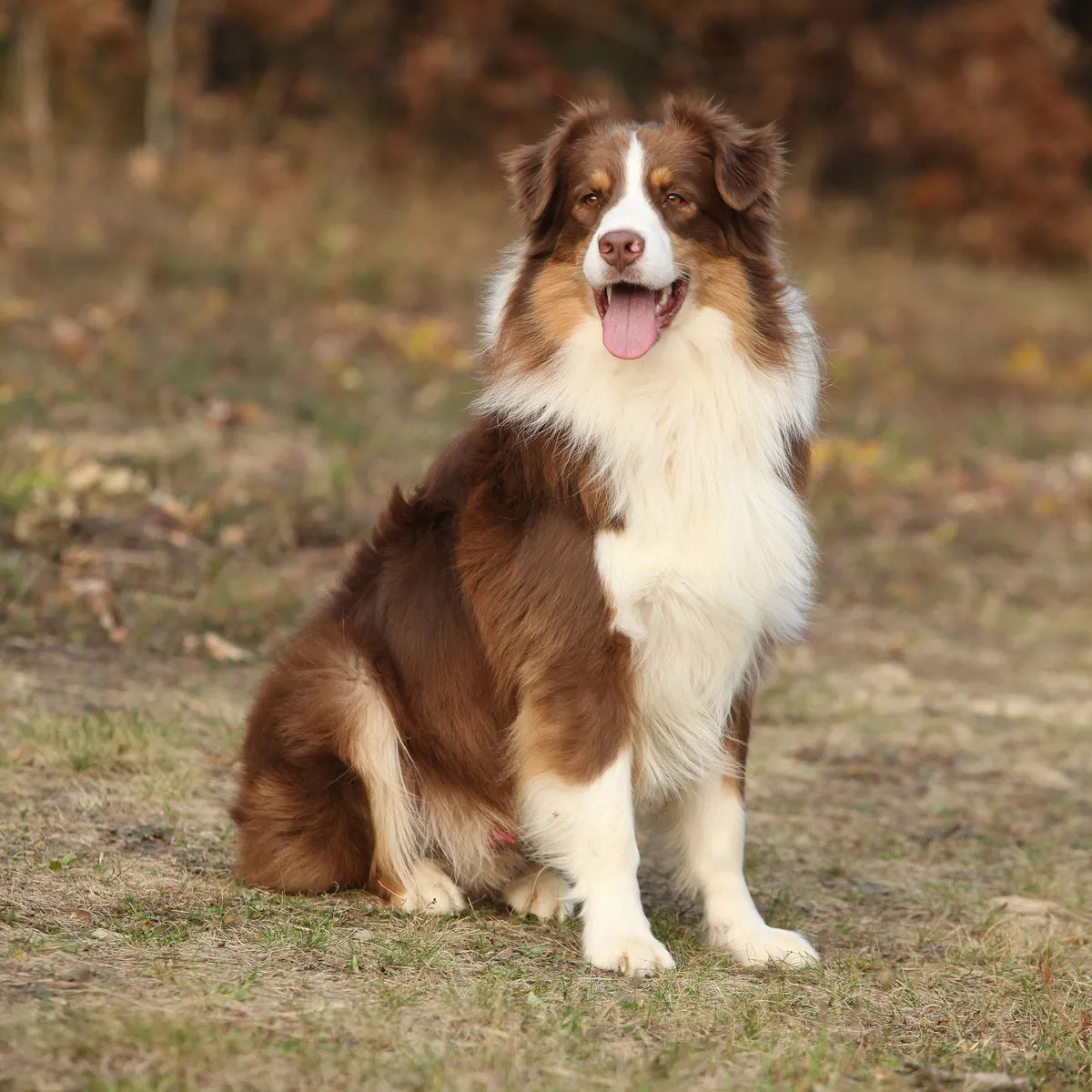
Australian Shepherd
Health grade BThe Australian Shepherd is a highly intelligent, responsive Hütehund (herding dog)—bred to control flocks while reading your every move, which makes them a brilliant partner but also extremely prone to stress.
- Height46–58 cm
- Weight16–32 kg
- Life expectancy12–15 yrs
- Puppy price1,200–2,500 €
- Energy5/5
The Essentials at a Glance
The Australian Shepherd is a highly intelligent, responsive Hütehund (herding dog)—bred to control flocks while reading your every move, which makes them a brilliant partner but also extremely prone to stress.
- Health grade B: The Australian Shepherd is an extremely popular family and working dog, but it carries a genetic burden of 19 mandatory health tests.
- You want to incorporate real mental stimulation or dog sports into your daily routine—a dog with this background will wither away with just walks.
- You are mentally confident enough to reliably teach a dog that reacts to every stimulus how to find calm and develop frustration tolerance.
- You expect them to ignore running children, joggers, or cars—they were bred specifically to control and fixate on such movement stimuli.
Is the Australian Shepherd right for you?
At a glance
Australian Shepherd overview
The essentials — key facts, traits, and health priorities — before you dive deeper.
Health grade
Relative to other breeds
S
A
B
C
D
E
Very healthyHigher risk
Solid — a handful of items a good breeder watches.
See full health info & tests →
Note: This health overview is AI-assisted and editorially reviewed. It is for orientation only and does not replace veterinary advice.
Lifespan
12–15 yrs
Height
46–58 cm
Weight
16–32 kg
Practical
- Puppy price: 1,200 – 2,500 €
- Coat: Dense, medium length, with undercoat
- Origin: USA
Temperament
Energy
Trainability
Family fit
With kids
Daily life
Care effort
Shedding
Barking
City-friendly
Guard instinct
What matters most
Especially with a Australian Shepherd, choosing the right breeder is the single most important decision you'll make. Serious breeders consistently test the parents for inherited conditions, prioritize healthy early socialization, and stay accountable long after handover. A cheap puppy without health screening tends to become the most expensive dog later on.
See HonestDog breeder standards →Colors & coat
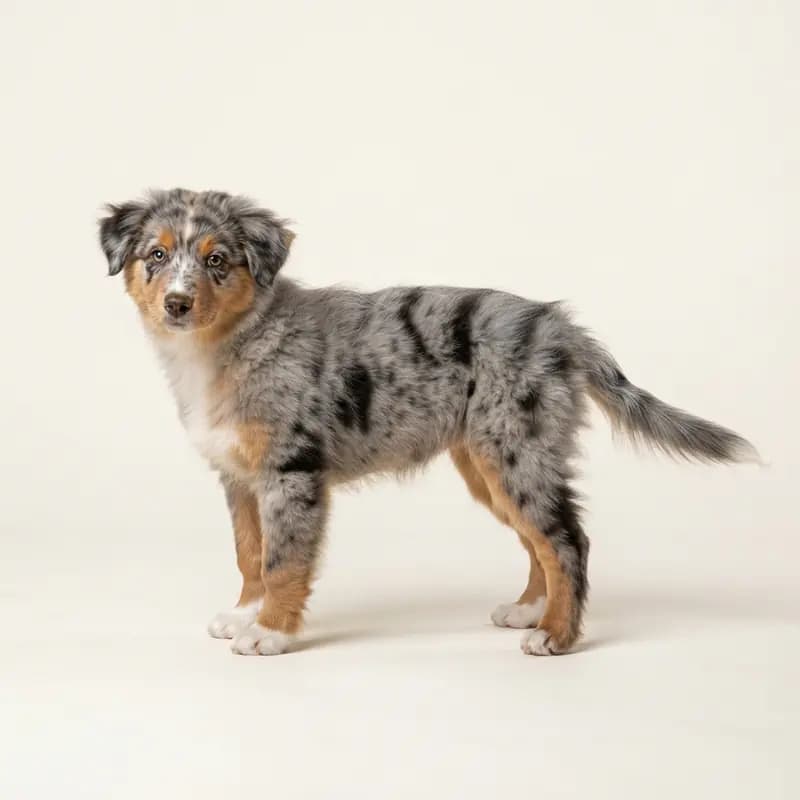
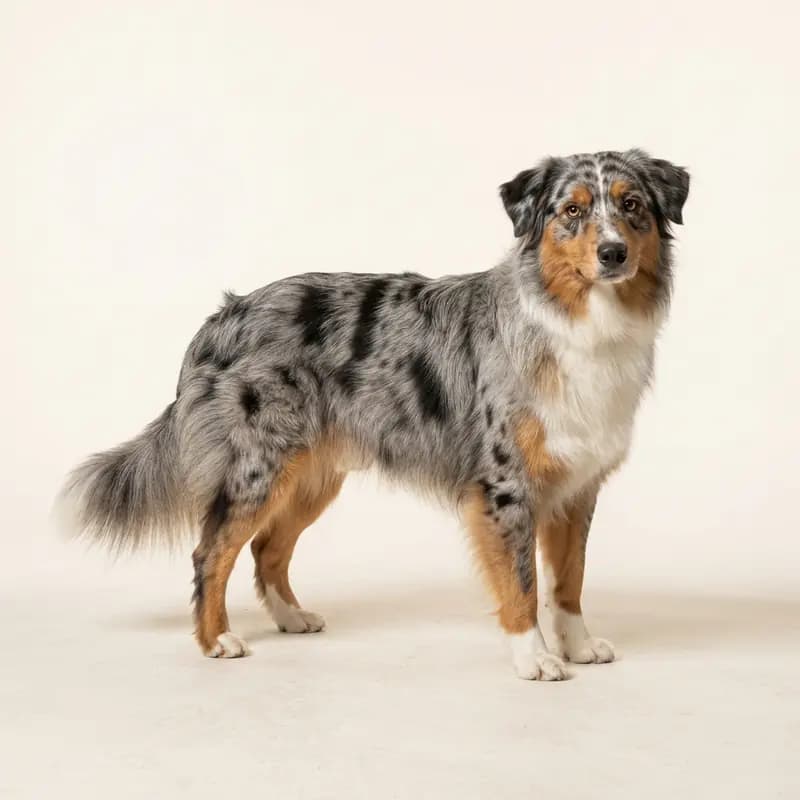
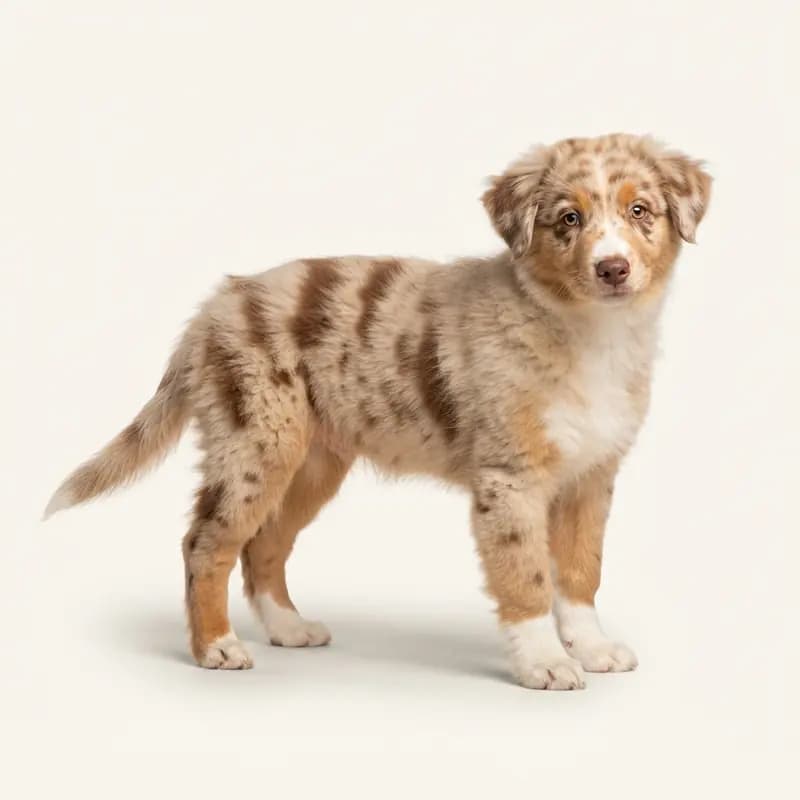
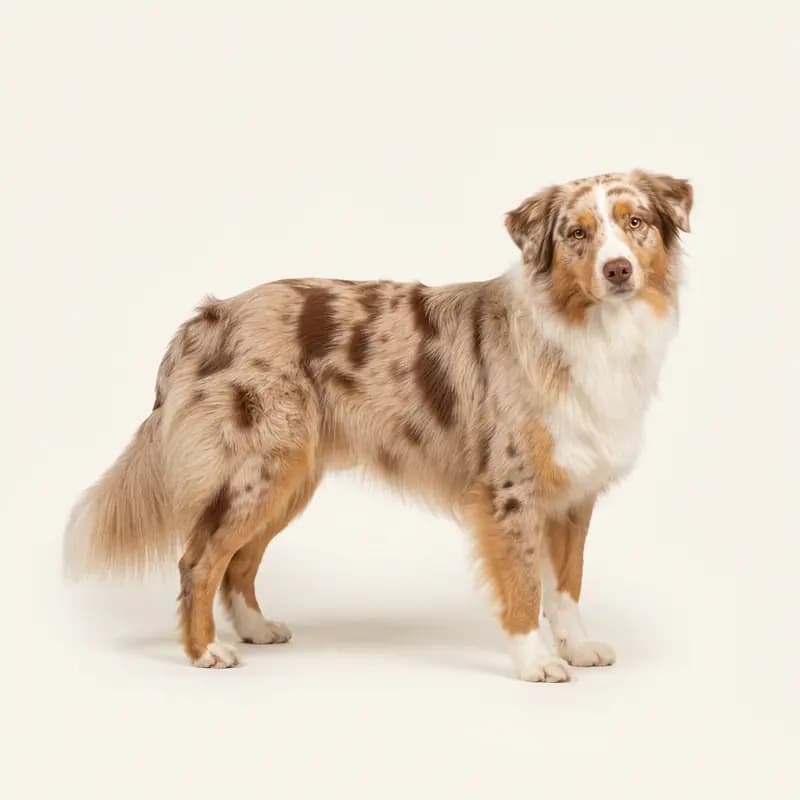
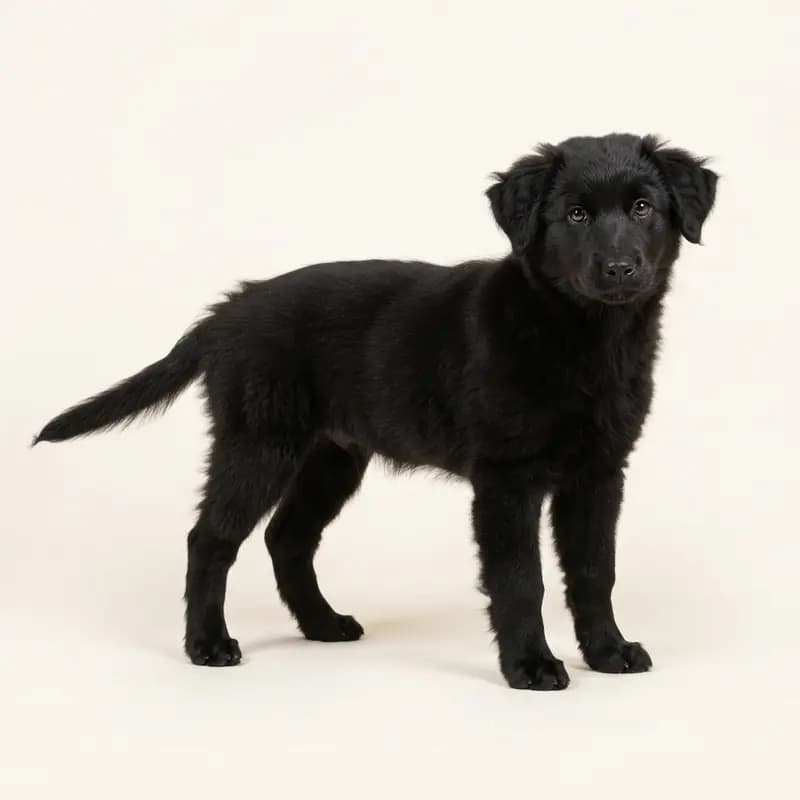
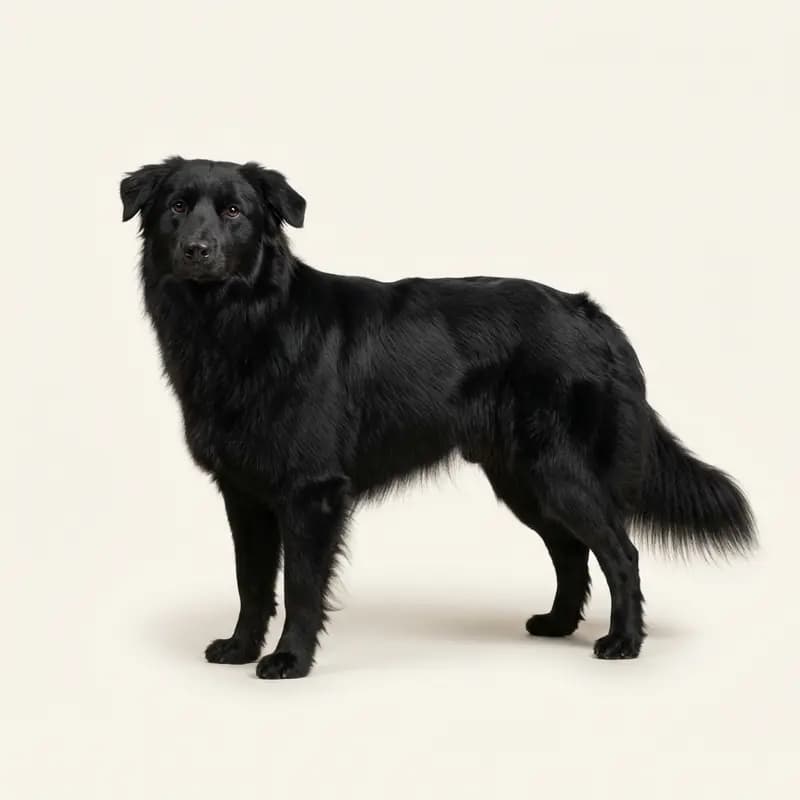
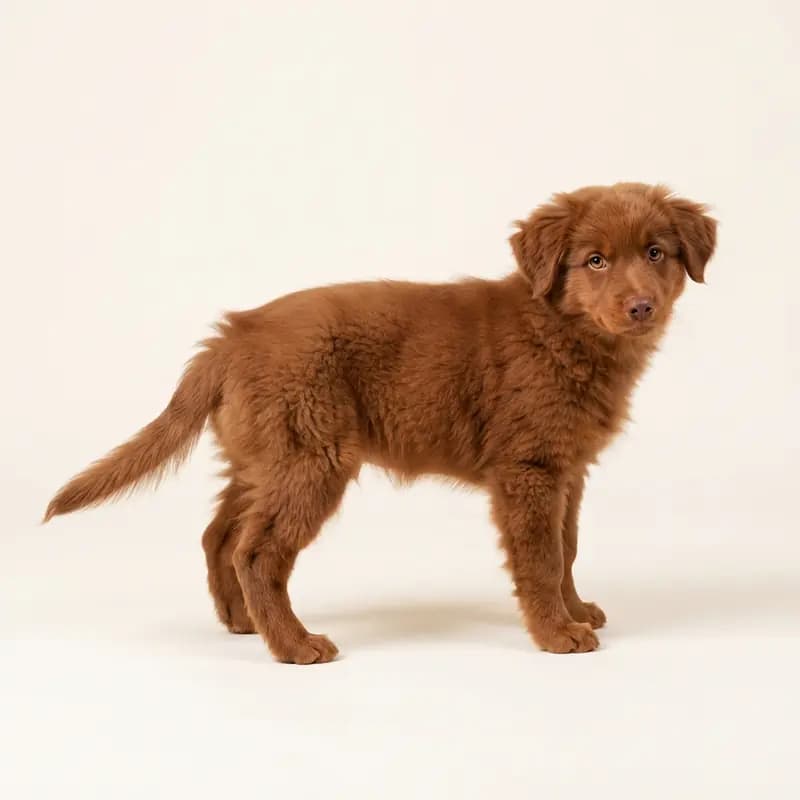
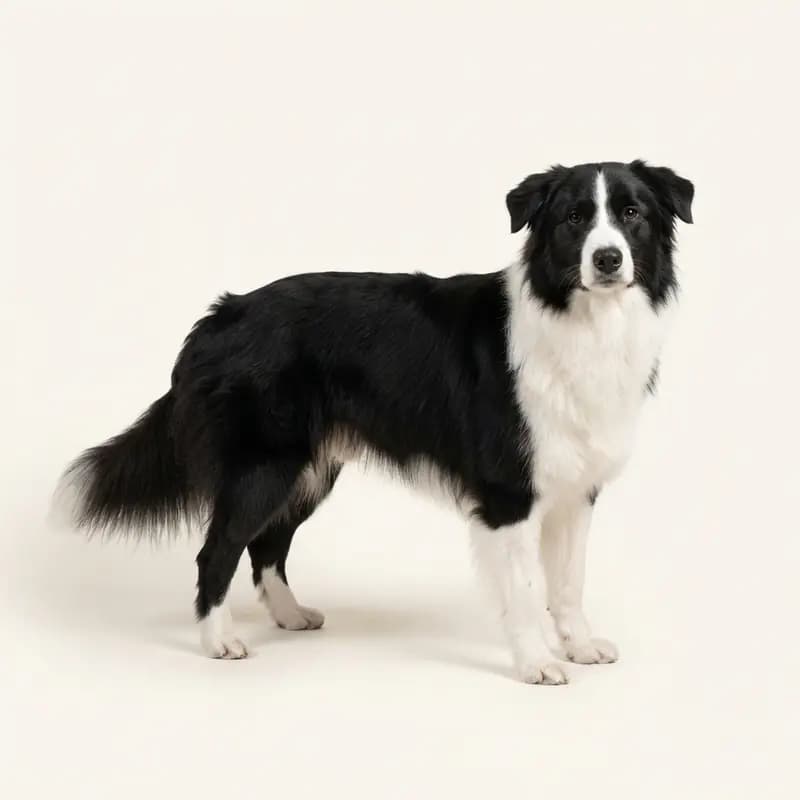
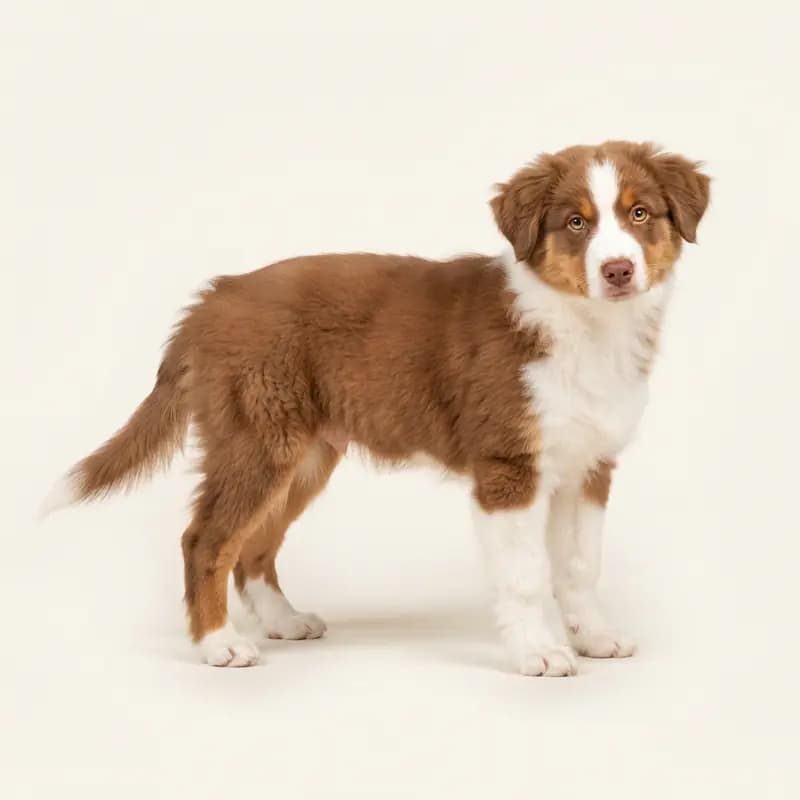
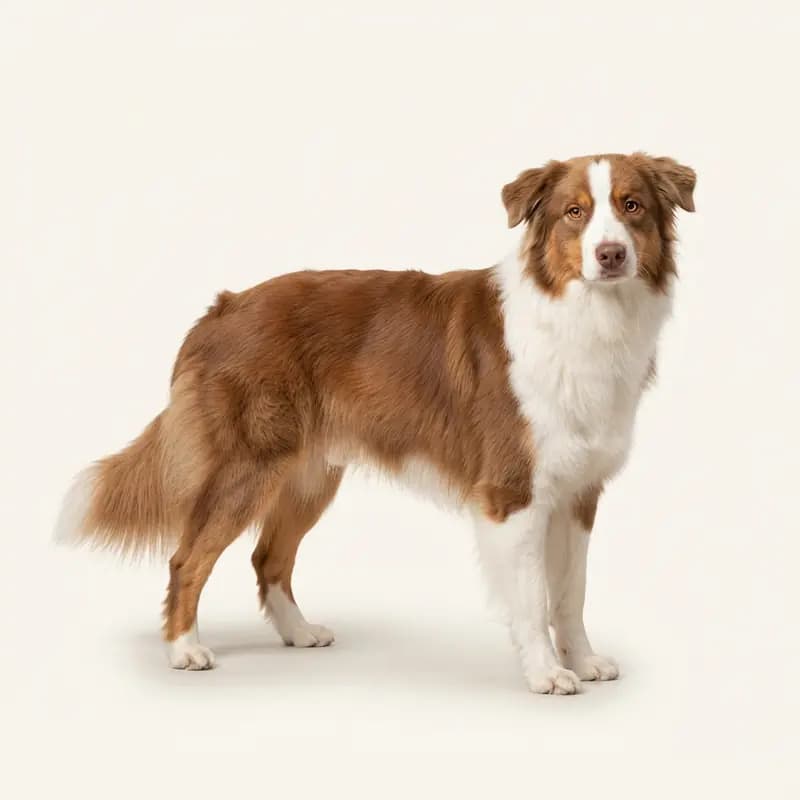
What colors does the Australian Shepherd come in?
The coat colors you will see in Australian Shepherd litters — including which ones fall outside the breed standard and which carry genetic risk.
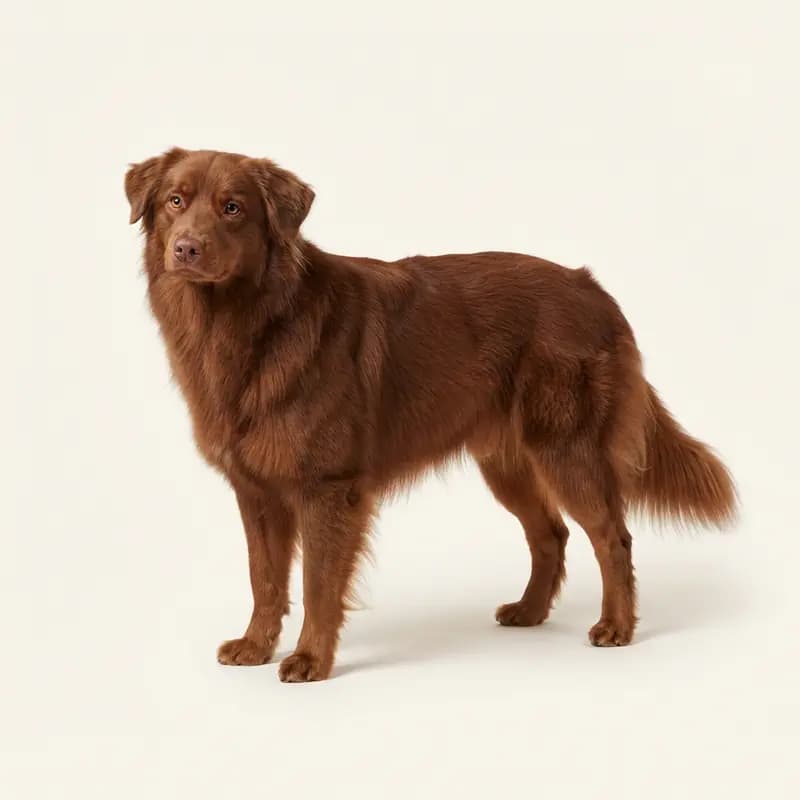
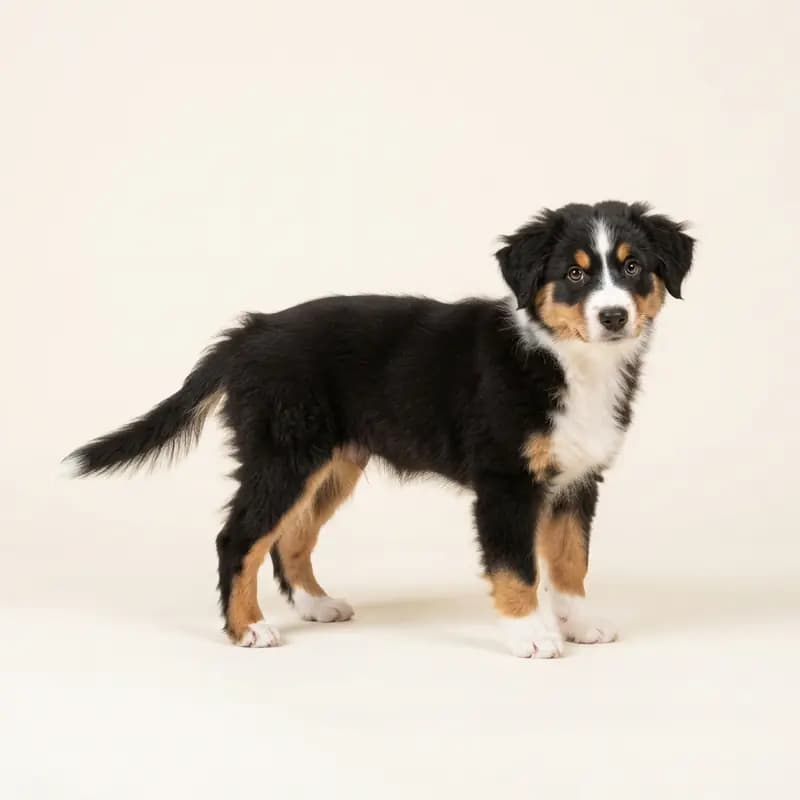
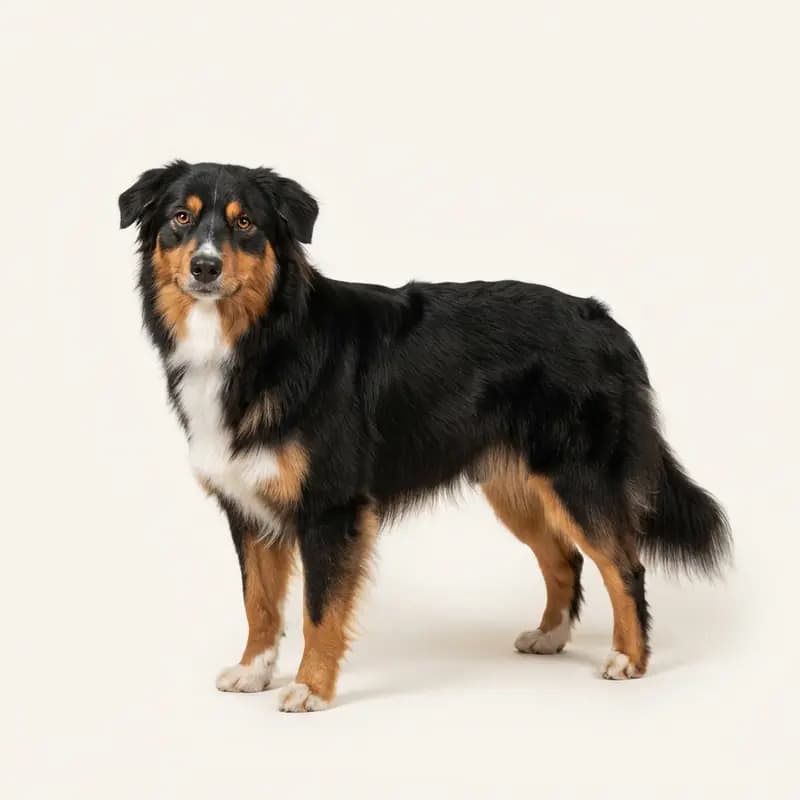
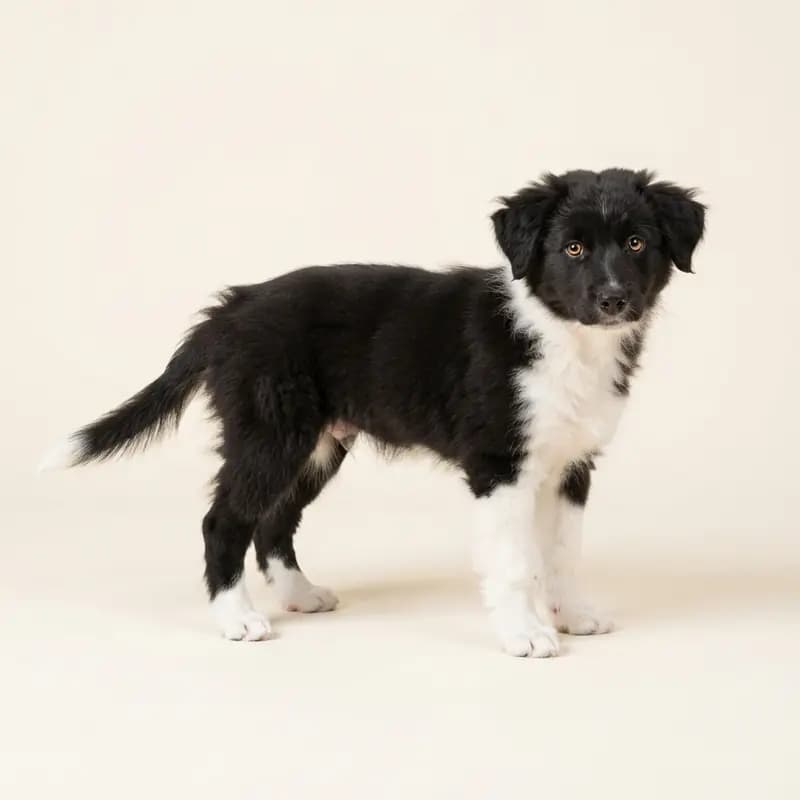
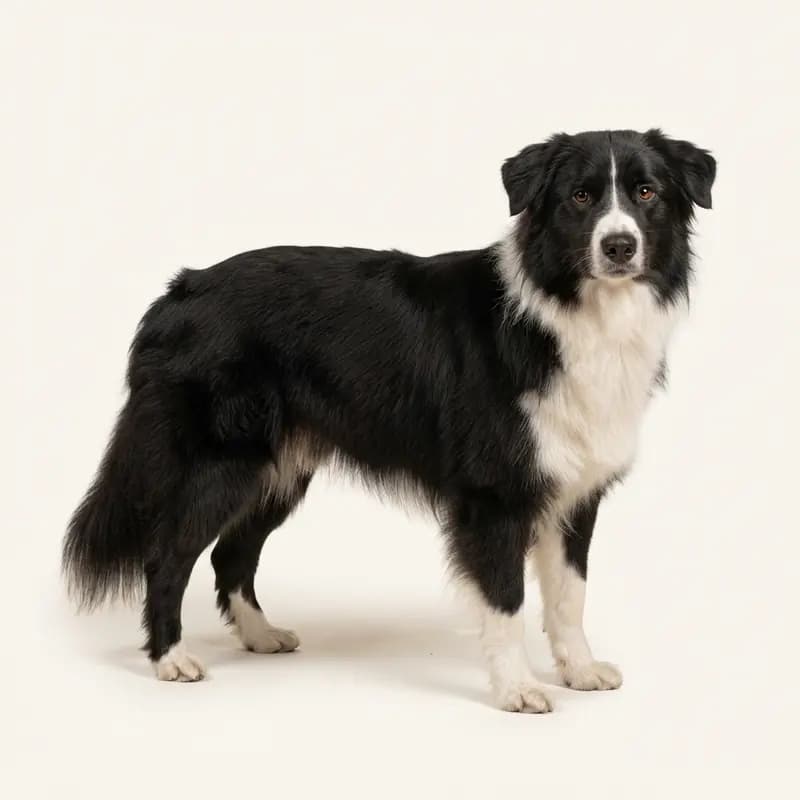
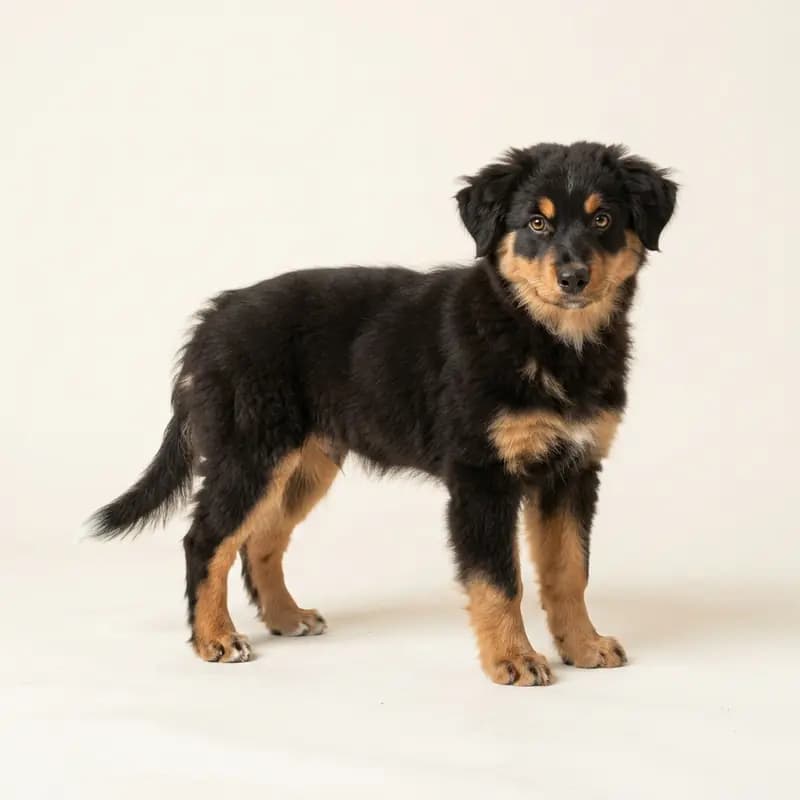
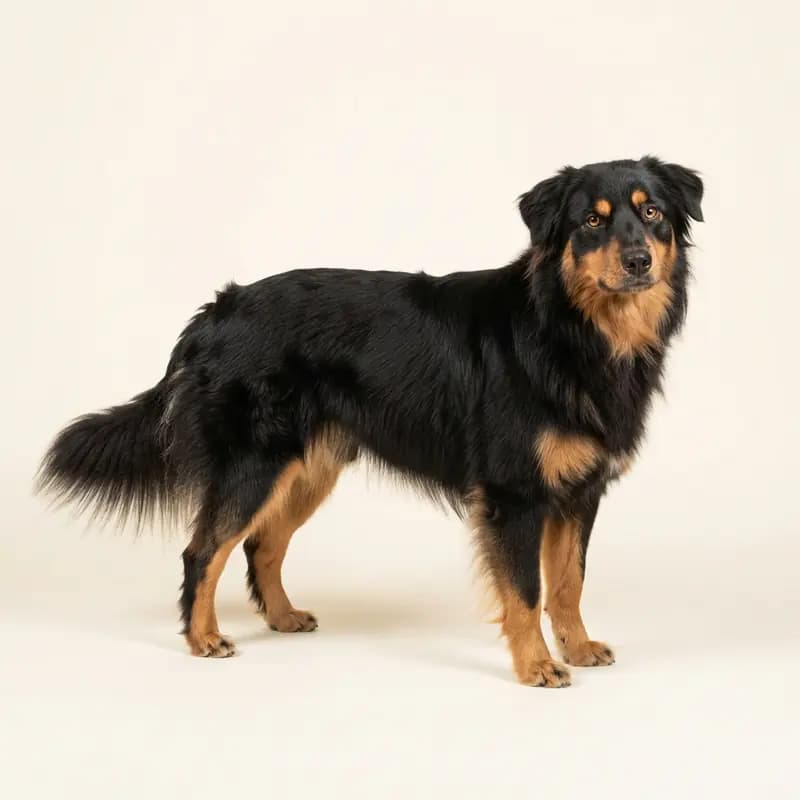
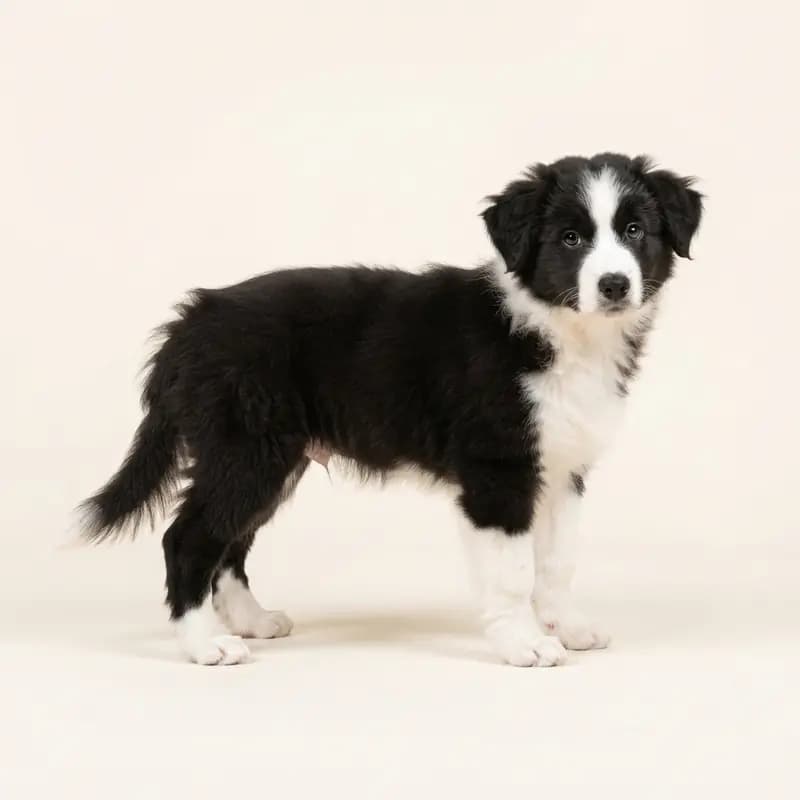
Eye colors
 Brown
Brown Amber
Amber Blue
Blue Odd-eyed
 Partial (split eye)
Coat type
 Medium
 Double coat
Is the Australian Shepherd right for you?
The Australian Shepherd is a highly intelligent, responsive Hütehund (herding dog)—bred to control flocks while reading your every move, which makes them a brilliant partner but also extremely prone to stress.
Perfect for you if:
- You want to incorporate real mental stimulation or dog sports into your daily routine—a dog with this background will wither away with just walks.
- You are mentally confident enough to reliably teach a dog that reacts to every stimulus how to find calm and develop frustration tolerance.
- You offer a relaxed, low-stimulus home environment where they can truly switch off after work.
- Ideally, you have previous dog experience and know how to slow down a workaholic before they become overstimulated.
Less ideal if:
- You expect them to ignore running children, joggers, or cars—they were bred specifically to control and fixate on such movement stimuli.
- You work full-time away from home and are looking for a companion who will wait alone for half the day without complaint.
- You want a colorful 'Golden Retriever' type who joyfully greets every visitor instead of skeptically keeping them in check.
The real vibes check
An Australian Shepherd is not a dog that just tags along—they are a highly gifted colleague who watches you all day, wanting to know what you have planned next. If you give them a clear job and even clearer rest periods, they will anticipate your every wish. Without this guidance, they will find their own job and start herding your family or the mail carrier.
Self-check
Would the Australian Shepherd really fit your life?
Answer 6 quick questions about your everyday life and see how well the Australian Shepherd fits you — including an honest cost estimate per month, per year, and across the dog's lifetime.
Fit checkCost estimateRisk dice
Takes about 1 minute · free & anonymous
Breed Profile
The Australian Shepherd, often simply “Aussie” is a dog breed that is listed as a herding dog under FCI Group 1, Section 1. Its attractive appearance includes a muscular body and a magnificent, semi-long coat that keeps it warm in the cold. He often has striking coat colors and patterns, and sometimes he even has two different colored eyes, which is known as heterochromia. There are two main lines of Australian Shepherds: the working line, known for its herding qualities, and the show line, which is bred more for looks. The working line tends to be slightly leaner and more agile, while the show line often has a fuller coat and a more powerful appearance.
All measurements in detail
- Height
- 46 - 53 cm (Female), 51 - 58 cm (Male)
- Weight
- 16 - 25 kg (Female), 25 - 32 kg (Male)
- Life Expectancy
- 12 - 15 yrs
- Character
- Intelligent, hardworking, loyal
- Coat
- Dense, medium length, with undercoat
- Coat Color
- Blue Merle, Red Merle, Black, Red; often with white and/or copper-colored markings
- Price
- 1200 - 2500 €
Character & Temperament
If you are looking for an intelligent, energetic and committed companion and can do it justice, the Australian Shepherd could be just the thing for you. Due to its original work on herds of cattle, the Australian Shepherd is less sensitive than the Border Collie, which can have advantages and disadvantages depending on the person and the type of husbandry. The Aussie was bred as a herding dog and therefore has a natural willingness to work. This means that he enjoys being given tasks and needs to feel mentally and physically stretched. The working line in particular often displays a more pronounced herding instinct and may sometimes attempt to "herd" children or other pets. Both lines are extremely intelligent and learn quickly, which is why it's important to keep them busy with meaningful activities so that they don't find things to do on their own. The Aussie has a lot of energy and is very active. He's not the type of dog to lie on the couch all day. He loves being outside, running, playing and learning new things. Because of his attachment to family, the Australian Shepherd may develop separation anxiety or control compulsion when left alone for long periods of time. It is advisable to get him used to staying alone as a puppy and to exercise him before you leave the house. He is very alert and often wary of strangers, making him a good watchdog, but with proper socialization he is polite and non-aggressive. The Australian Shepherd can be very prey-obsessed, and it is not uncommon for them to chase after small animals or even shadows and anything that moves. It is important to get him used to controlling his impulses from a young age and to teach him to listen to commands.
| Trainability Picks up commands quickly and wants to please. | Eager to learn |
| Watchfulness A natural watchdog with real protective instinct. | High |
| Openness to Strangers Careful around unfamiliar people — thaws slowly. | Cautious |
| Hunting or Herding Drive This drive runs deep — no amount of training eliminates it. | Very strong |
Fun Fact!
Despite occasionally being incorrectly referred to as "Border Collie-Light", the Australian Shepherd has an equally strong herding and territorial instinct that its owner must live up to.
What Awaits You
Australian Shepherds are very active and hard-working dogs. They need active and experienced dog owners who can find the right balance between exercise and rest. The same applies to these puppies: Rest training is more important than activity, but this becomes more important as they get older. When mating, you should pay attention to the Merle factor, as health problems can be associated with it.
Housing & Care
The Australian Shepherd is an active and intelligent dog and is more suited to a home with a garden than a city apartment. He needs lots of exercise and mental stimulation. He is generally friendly with children and other pets, especially if he is used to them from an early age and learns that he is not allowed to look after them.
- Family Friendly
Loves family life and thrives in a group.
Family-oriented - Child Friendly
Gets on well with children — with adult supervision.
With supervision - Dog Friendly
Usually gets on fine with other dogs.
Generally tolerant - City Friendly
Can manage in the city, but only with very active owners.
Difficult in cities
Owning a dog is a privilege, but it's also a real responsibility. Before you bring one into your life, be honest with yourself about the commitment it takes.
Training & Education
The Australian Shepherd is an intelligent and hard-working breed that is suitable for various dog sports such as agility, obedience, or even herding dog competitions. He needs a lot of activity, but you also have to be careful not to "over-occupy" the dog. and give him enough rest breaks. Some Aussies can become "ball junkies" if you play with the ball too much. It is important that the dog is well socialized and learns to develop frustration tolerance and impulse control. Especially when it comes to herding, you should make sure that the dog can live out this disposition in appropriate ways, for example through appropriate sports. At the same time, you should offer him alternatives and teach him to stay calm in different situations and to tolerate "doing nothing". Positive training based on rewards is particularly effective with this breed.
Nutrition & Care
An Australian Shepherd benefits from a balanced diet with high-quality food. Make sure the food contains the right balance of proteins, fats, carbohydrates, vitamins and minerals. Because some Aussies can be prone to being overweight, it is important to monitor the amount of food they eat and ensure regular exercise. In terms of grooming, the Australian Shepherd has a thick undercoat and a medium-length topcoat that should be brushed regularly to prevent matting. During the shedding period, which often coincides with the seasons, the Aussie sheds more hair and requires more frequent brushing. The Australian Shepherd's fur offers protection from the cold, so it can cope well with the German climate.
| Care Level Regular brushing and occasional professional grooming. | Moderate |
| Exercise Needs Working-dog energy that needs burning off every single day. | High-drive |
| Shedding Hair everywhere, always — no white clothing survives. | Very heavy |
| Trainability Picks up commands quickly and wants to please. | Eager to learn |
Our experts are still reviewing this information. Spotted something wrong? Email us at info@honestdog.de.
Health & hereditary diseases
Health
B
Solid
Health grade
The Australian Shepherd is an extremely popular family and working dog, but it carries a genetic burden of 19 mandatory health tests. Before purchasing, it is essential to ensure that the puppy has been tested for hip dysplasia (HD) and the hereditary Collie Eye Anomaly (CEA). Furthermore, idiopathic epilepsy remains a particularly insidious and difficult-to-control issue within the breed, which is why buyers must carefully scrutinize the breeding lines.
Grade is relative to other breeds — AI-assisted and editorially reviewed.
In daily life this can mean
To ensure your dog stays active for a long time, you should focus on joint-friendly development and inform your vet early on about potential medication sensitivities regarding anesthesia or deworming.
The breeder's role
Reputable breeders have the parents' hips, elbows, and eyes checked, test for genetic medication sensitivities, and consistently avoid dangerous color pairings.
Note: This health overview is AI-assisted and editorially reviewed. It is for orientation only and does not replace veterinary advice.
No Health Tests Available
No specific health tests are currently available for this breed.
Costs & where to find one
How much does a Australian Shepherd cost?
A Australian Shepherd costs around ~€190 per month (€100 – €350, depending on your setup). The first year adds up to roughly ~€4,920 including purchase, equipment and puppy school; across the dog's life (13.5 years) it comes to about ~€32,980.
With surgery cover, running costs come to about ~€180 per month — in return, your share of a major operation drops from several thousand euros to around 20 percent.
Per month
~€190
In the first year
~€4,920
Across the dog's life
~€32,980
Purchase from a breeder: €1,200 – €2,500
Estimate at a mid-range setup (suburban, dry food, 1–2 hours of daily exercise), average German prices, as of July 2026.
Calculate your personal costs1-minute self-check with your own answers
Looking for a Australian Shepherd?
Appearance, variants & origin
History
The full history
Despite its name, the Australian Shepherd does not come from Australia, but has its roots in the 19th century western USA. It is believed that the breed got its name from the sheepdogs that came to the United States with Australian sheepherders. In the 1800s, the Aussie became popular in America, particularly in the West, where it was valued for its herding skills. It was used to herd sheep, cattle and even ducks. The breed became more popular through rodeos, horse shows and Disney films that featured the Australian Shepherd. The American Kennel Club (AKC) recognized the Australian Shepherd as a separate breed in 1993.
Original Use
Originally bred as a sheep herding dog, the Australian Shepherd is known for its intelligence and versatility.
Origin
USA
Date
1800
Owner experiences
What owners say about the Australian Shepherd
Zusammengefasst aus öffentlich geteilten Halter-Erfahrungen
Viele Halter betonen, dass der Australian Shepherd im Alltag und als Familienhund ein wunderbarer, loyaler und extrem anhänglicher Begleiter sein kann – vorausgesetzt, man versteht seine Natur als Arbeitshund. Entgegen dem Klischee, dass der Aussie rund um die Uhr Action braucht, berichten erfahrene Besitzer, dass ein gesundes Maß an Bewegung gepaart mit geistiger Auslastung (wie Suchspielen oder Tricktraining) völlig ausreicht. Zu viel Dauerbespaßung erziehe den Hund sonst schnell zu einem hyperaktiven „Workaholic“, der gar nicht mehr herunterfahren kann.
Eine wiederkehrende Herausforderung im Familienleben ist jedoch der ausgeprägte Hütetrieb. Halter berichten immer wieder, dass Aussies dazu neigen, rennende Kinder, andere Haustiere oder gar Besucher im Haus kontrollieren und „zusammenhalten“ zu wollen. Auch die Skepsis gegenüber Fremden und ein natürlicher Schutztrieb werden häufig genannt: Der Aussie ist kein Hund, der jeden Besucher sofort schwanzwedelnd begrüßt, sondern er bewacht sein Territorium und seine Familie oft sehr aufmerksam.
Zusammengefasst aus öffentlich geteilten Halter-Erfahrungen
In Erholungs- und Erziehungsberichten herrscht unter Haltern Einigkeit darüber, dass das wichtigste und zugleich schwierigste Erziehungsziel beim Australian Shepherd das Erlernen von Ruhe ist. Da diese Rasse extrem lernwillig und intelligent ist, begreift sie Kommandos zwar blitzschnell, neigt aber auch dazu, Schwächen oder Inkonsequenzen der Besitzer sofort zu hinterfragen und eigene Entscheidungen zu treffen. Eine liebevolle, aber absolut geradlinige Konsequenz ist daher unerlässlich.
Zudem weisen viele Besitzer darauf hin, dass der Aussie stark auf Bewegungsreize reagiert. Ohne frühzeitiges Training der Impulskontrolle neigen die Hunde dazu, Joggern, Radfahrern oder Autos hinterherzujagen. Auch das Alleinebleiben muss von klein auf intensiv geübt werden, da die Rasse eine sehr enge Bindung an ihre Bezugspersonen aufbaut und andernfalls Kontrollzwang oder Trennungsangst entwickeln kann.
Zusammengefasst aus öffentlich geteilten Halter-Erfahrungen
Beim Thema Gesundheit und Pflege weisen erfahrene Halter und Rasseexperten vor allem auf zwei kritische Punkte hin: den MDR1-Gendefekt und die Risiken der Merle-Verpaarung. Der MDR1-Defekt betrifft einen erheblichen Teil der Rasse und führt zu einer gefährlichen Überempfindlichkeit gegenüber bestimmten Medikamenten (wie Antiparasitika oder Narkosemitteln). Ein entsprechender Gentest vor Behandlungen wird in der Community dringend empfohlen.
Darüber hinaus warnen Halter und Tierschützer nachdrücklich vor unseriösen Zuchten, insbesondere bei der beliebten Fellzeichnung „Blue Merle“. Werden zwei Träger des Merle-Gens miteinander verpaart (Double Merle), leiden die Welpen extrem häufig unter schweren gesundheitlichen Einschränkungen wie Blindheit und Taubheit. Eine sorgfältige Auswahl des Züchters und die Einsicht in Gesundheitszertifikate der Elterntiere sind für Aussie-Käufer daher Pflicht.
Paraphrased from real owner reports
Loading owner stories
Community Posts
FAQ & more
Frequently asked questions about the Australian Shepherd
Is a Australian Shepherd the right dog for me?
The Australian Shepherd is an active dog that needs plenty of exercise and mental stimulation. Research the temperament, grooming needs, and space requirements before deciding.
How long does a Australian Shepherd live?
The average life expectancy of a Australian Shepherd is 12-15 years. With proper care and regular vet visits, your dog can live a long, healthy life.
How much grooming does a Australian Shepherd need?
Australian Shepherd grooming requirements include regular brushing, nail trimming, and dental care. HonestDog provides detailed grooming tips for every breed.
Is a Australian Shepherd good for families with children?
The Australian Shepherd can be a great family dog. Proper training and socialization are key. HonestDog provides family suitability information for every breed.
What colors does the Australian Shepherd come in?
The Australian Shepherd comes in these colors: Blue merle, Red merle, Black, Red, Tricolor, Bicolor, Black and tan, Black and white, Red and white.
Loading related articles
Are you a Australian Shepherd breeder?
Showcase your kennel on HonestDog and reach families searching for a responsibly bred Australian Shepherd.
Why HonestDog?
What makes HonestDog different from other platforms
Full transparency
We lay out what we have: who the breeder is, how they work, and any health records they've uploaded. So you can judge for yourself.
Responsible breeding, assured
Every breeder on HonestDog has their identity and documents checked before their profile goes live. Health records they upload are shown on the profile, so you can see exactly what has been tested.
Trust and verification
We verify breeders and buyers alike, so every conversation happens on solid ground. It's a new standard of trust in dog breeding.
Less hassle, more time
We've already checked the breeders' documents and gathered the details, so you can skip the endless research and focus on finding the right puppy for your family.
Our Mission

We connect dog lovers with responsible breeders and shelters to ensure every dog finds the perfect home.
Founded by dog enthusiasts, our platform focuses on ethical dog breeding and adoption.
Why HonestDog?
We connect you with vetted breeders and shelters so you can find your — your new companion — with confidence.
Vetted Partners
Only verified breeders and shelters — for a safe start.
Highest Standards
Every animal's health and wellbeing is our top priority.
Guides & Resources
Guides, checklists, and breed profiles — so you can make a well-informed decision.