Loading breed
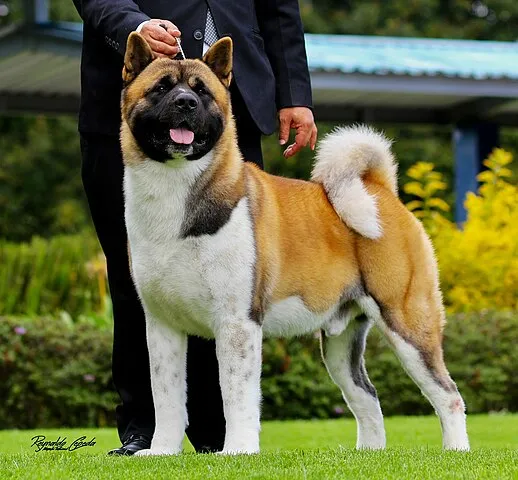
American Akita
Health grade BThe Amerikanischer Akita is an imposing, steadfast guardian of a primitive type — bred for big-game hunting and protection, and later crossed with massive Molossers. He is self-assured and demands respect before he even considers cooperation.
- Height61–71 cm
- Weight34–59 kg
- Life expectancy10–15 yrs
- Puppy price1,500–3,000 €
- Energy4/5
The Essentials at a Glance
The Amerikanischer Akita is an imposing, steadfast guardian of a primitive type — bred for big-game hunting and protection, and later crossed with massive Molossers. He is self-assured and demands respect before he even considers cooperation.
- Health grade B: The American Akita is considered a robust breed, as the most common health concerns are well-managed through mandatory health tests.
- You already have experience with independent, physically very strong dogs and lead with calm, natural sovereignty.
- You live in a rural area or on the outskirts of town with a securely fenced property where he can guard.
- You want a dog that plays with every other dog at the dog park — dogs of the same sex are often a red flag for him.
Is the American Akita right for you?
At a glance
American Akita overview
The essentials — key facts, traits, and health priorities — before you dive deeper.
Health grade
Relative to other breeds
S
A
B
C
D
E
Very healthyHigher risk
Solid — a handful of items a good breeder watches.
See full health info & tests →
Note: This health overview is AI-assisted and editorially reviewed. It is for orientation only and does not replace veterinary advice.
Lifespan
10–15 yrs
Height
61–71 cm
Weight
34–59 kg
Practical
- Puppy price: 1,500 – 3,000 €
- Coat: Dense, double layer, short
- Origin: Japan
Temperament
Energy
Trainability
Family fit
With kids
Daily life
Care effort
Shedding
Barking
City-friendly
Guard instinct
What matters most
Especially with a American Akita, choosing the right breeder is the single most important decision you'll make. Serious breeders consistently test the parents for inherited conditions, prioritize healthy early socialization, and stay accountable long after handover. A cheap puppy without health screening tends to become the most expensive dog later on.
See HonestDog breeder standards →Colors & coat
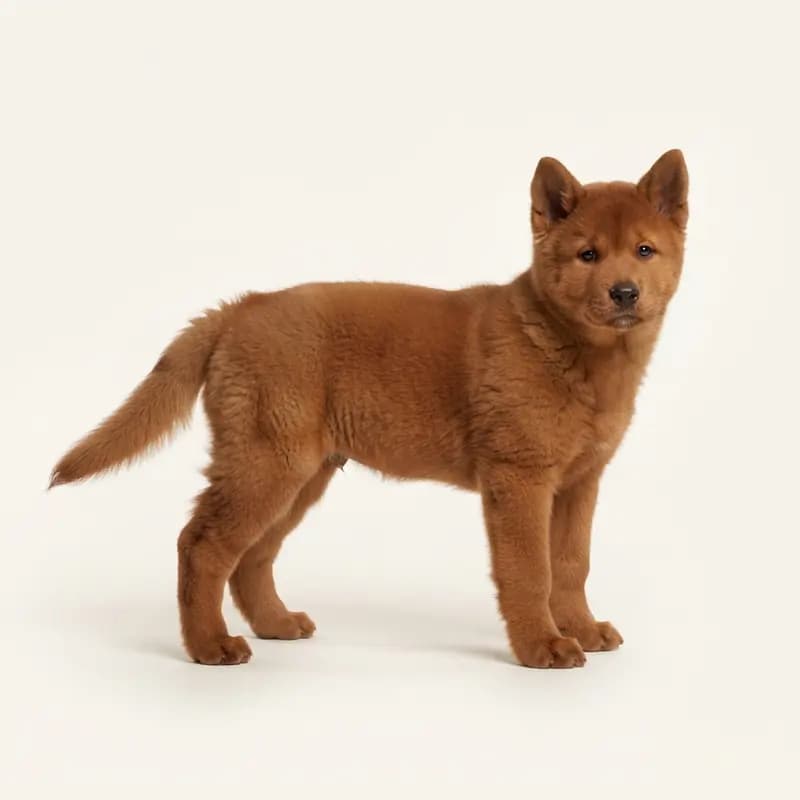
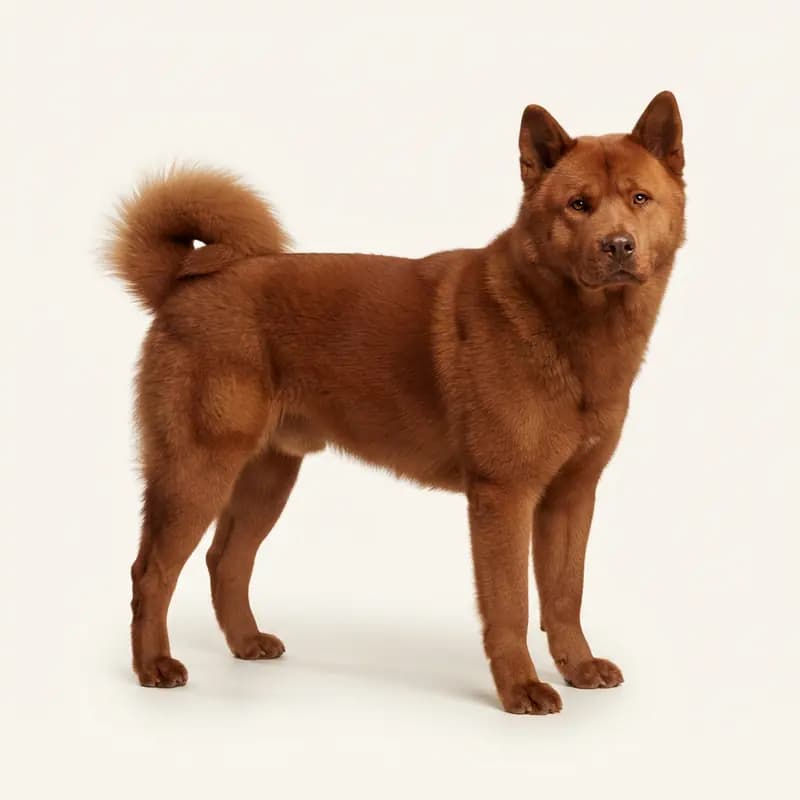
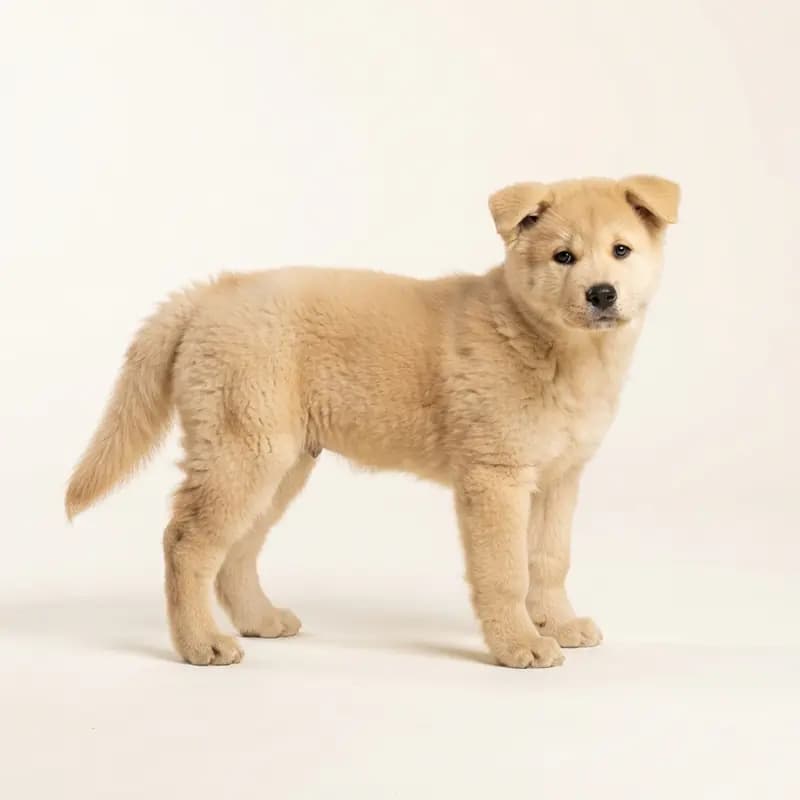
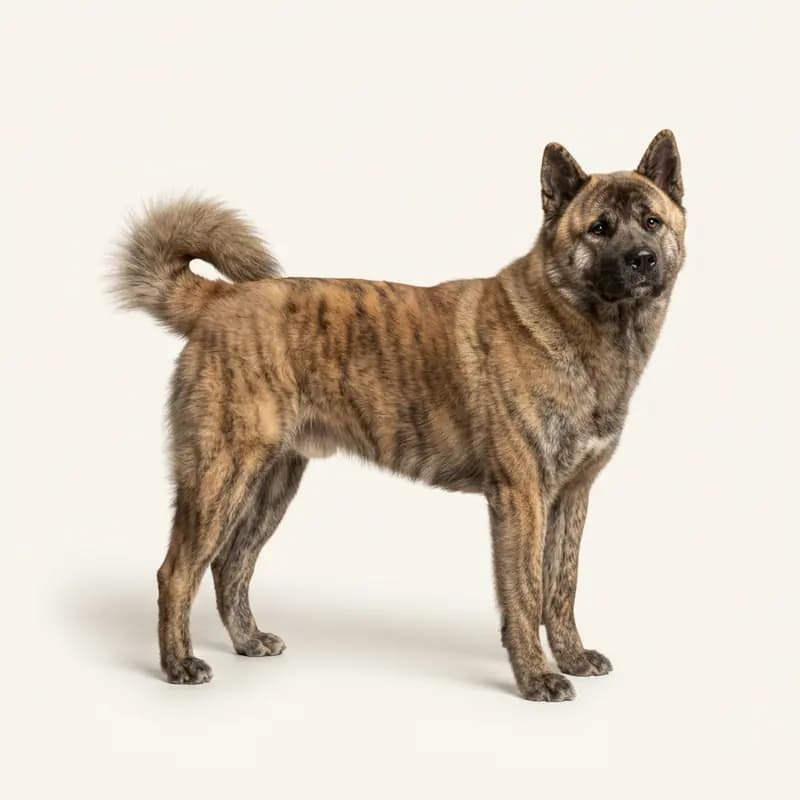
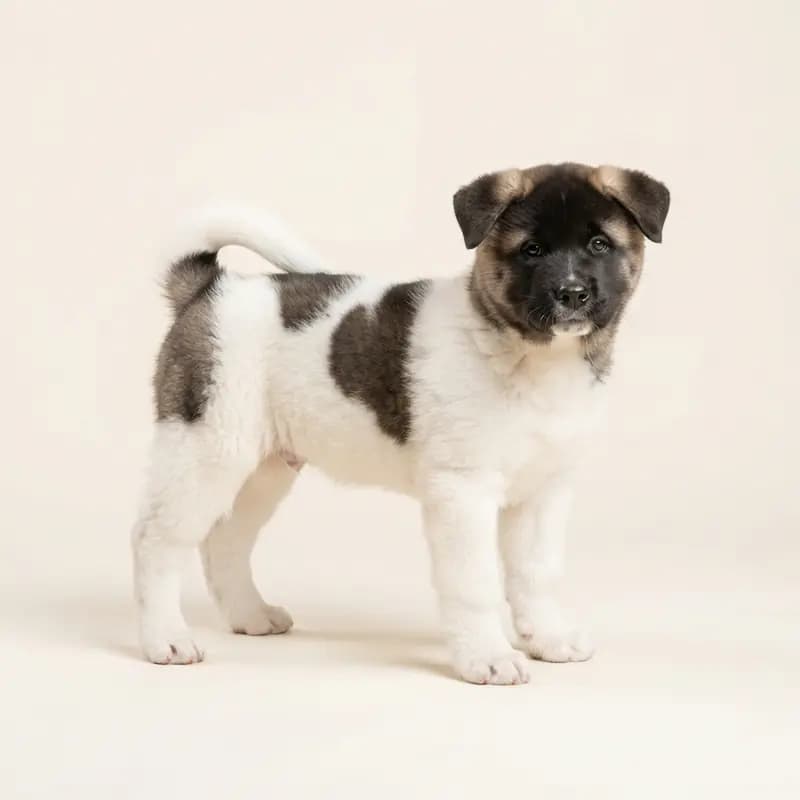
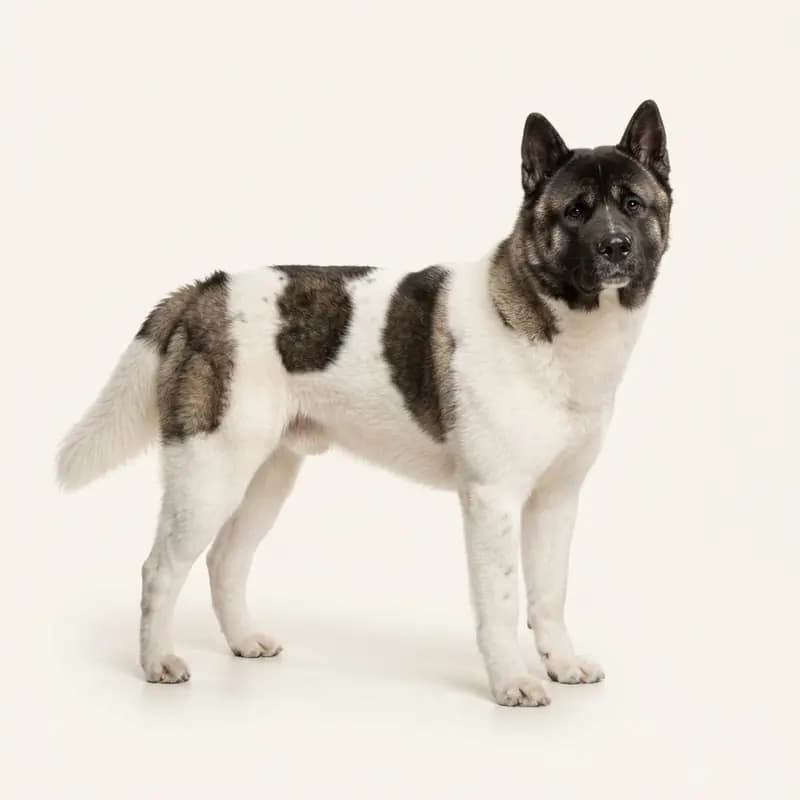
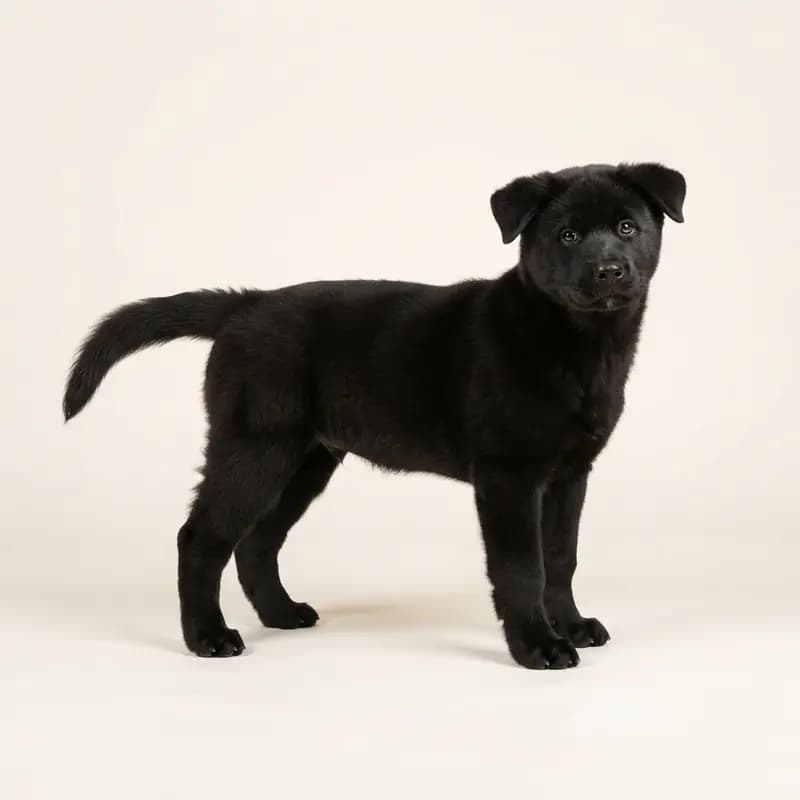
What colors does the American Akita come in?
The coat colors you will see in American Akita litters — including which ones fall outside the breed standard and which carry genetic risk.
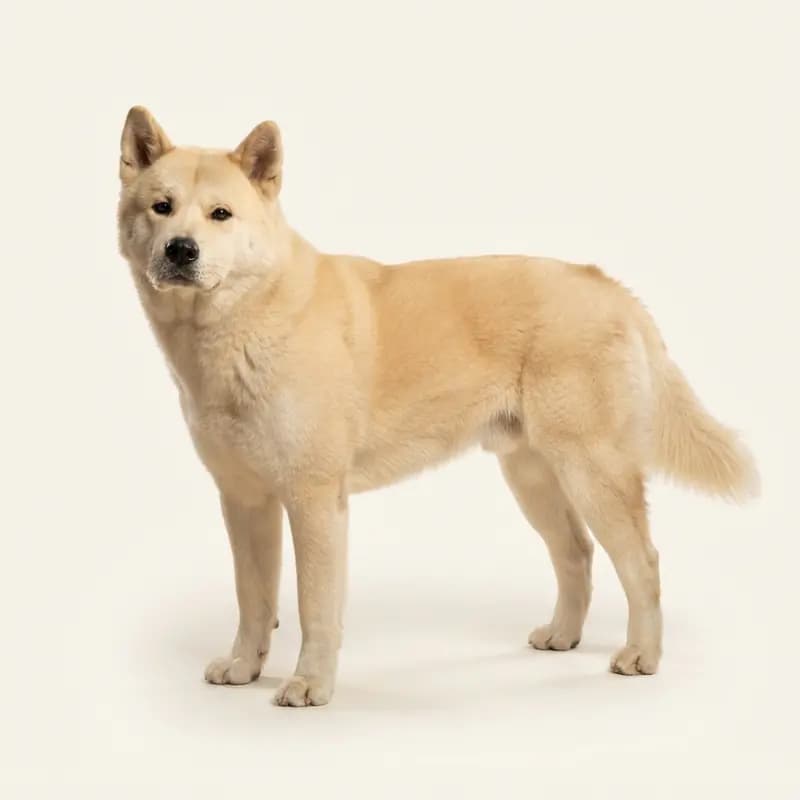
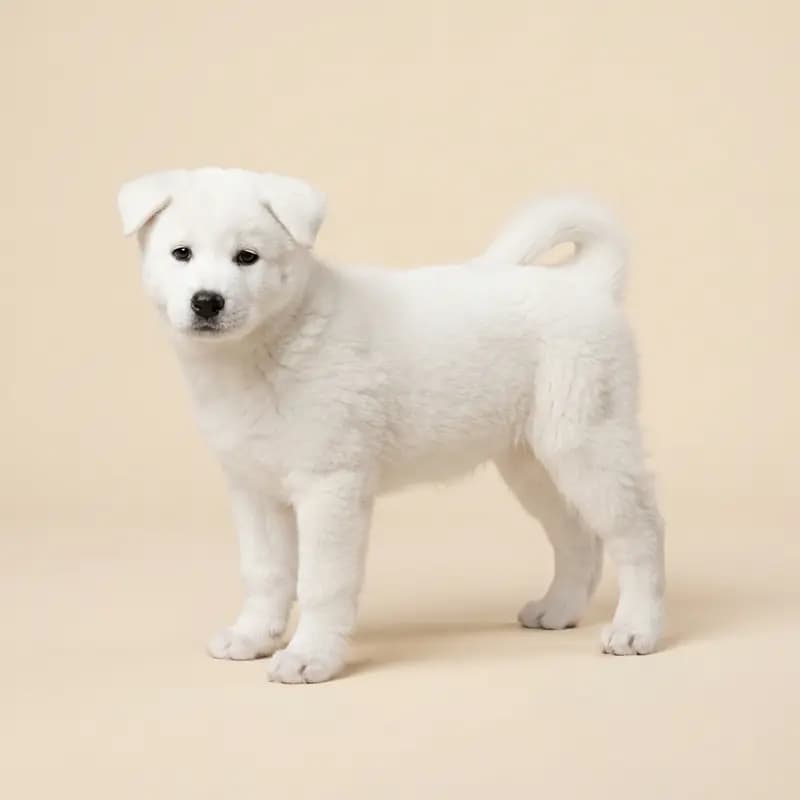
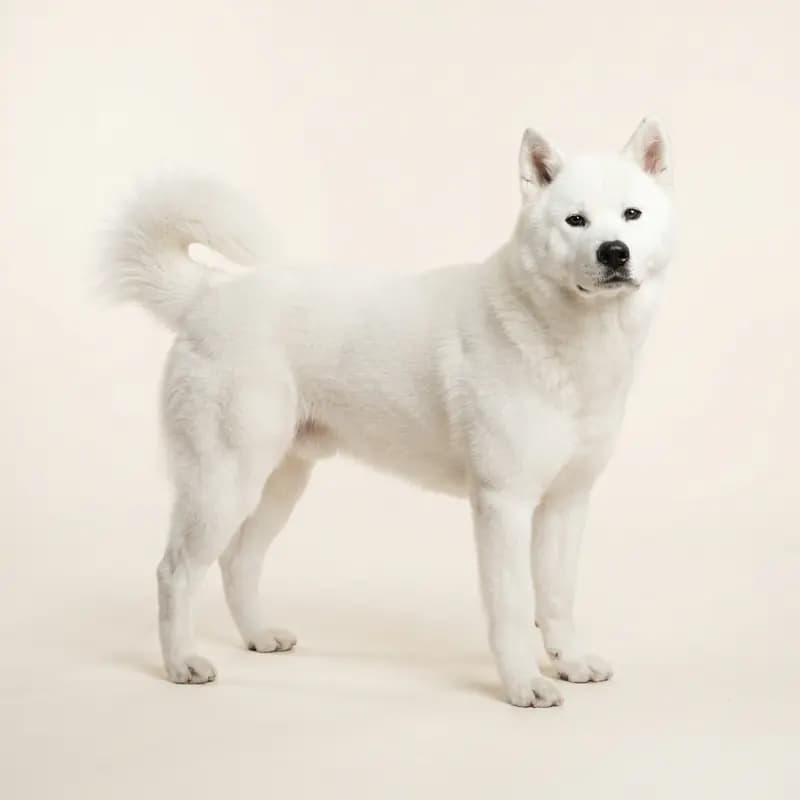
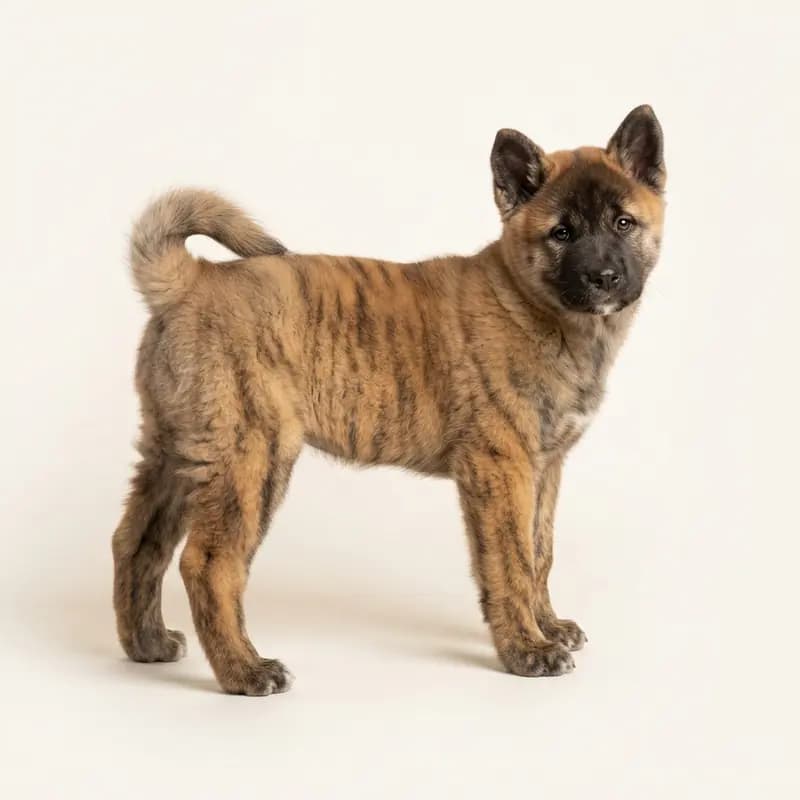
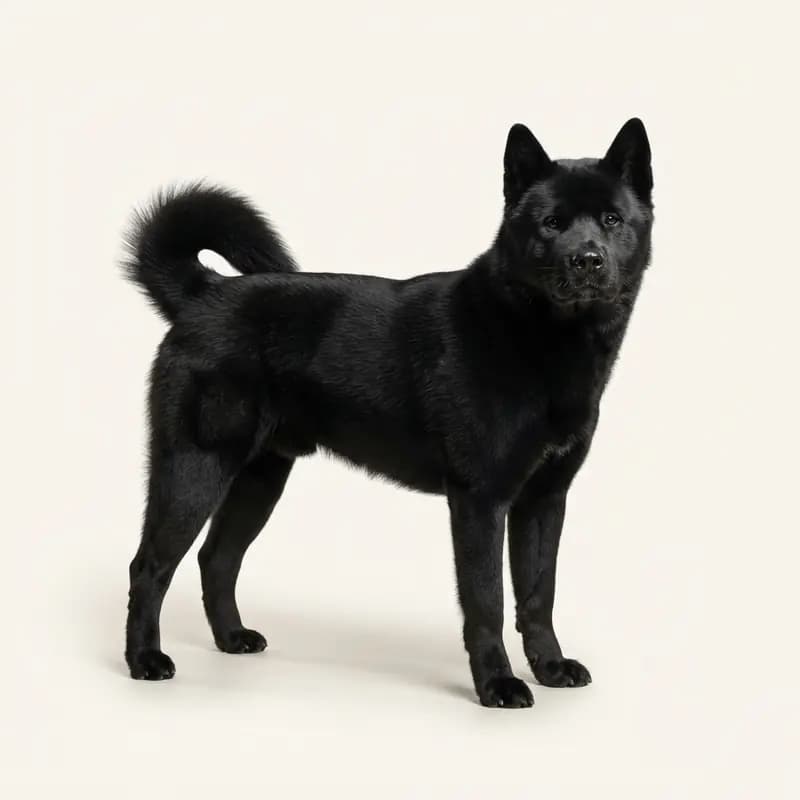
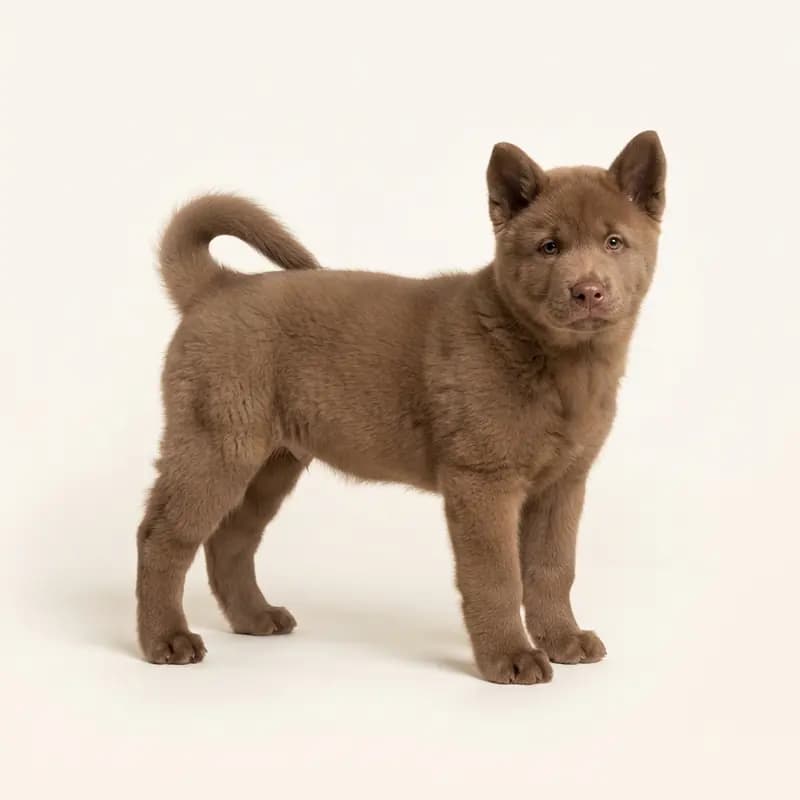
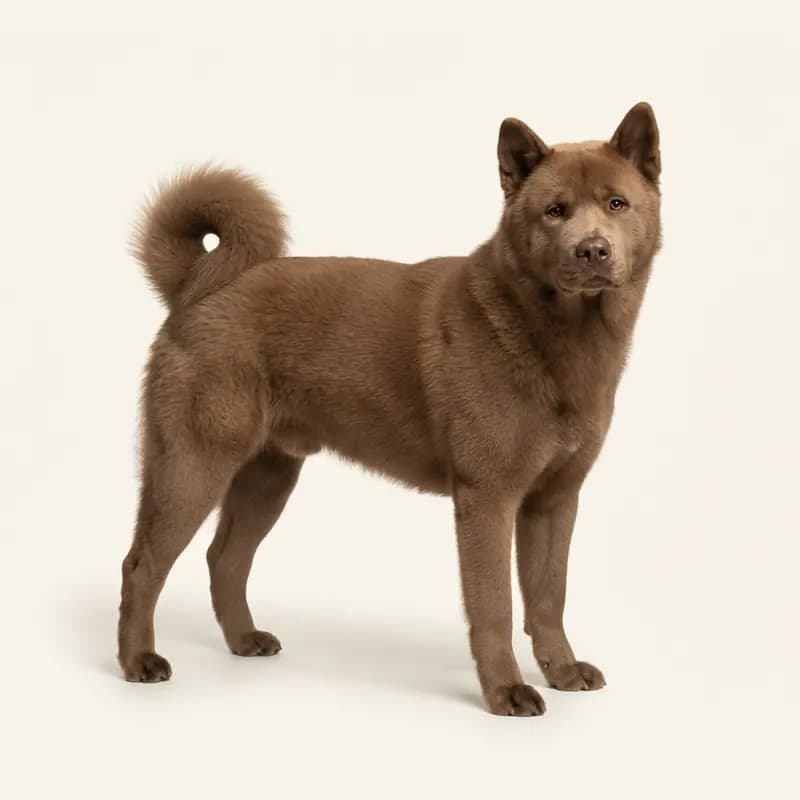
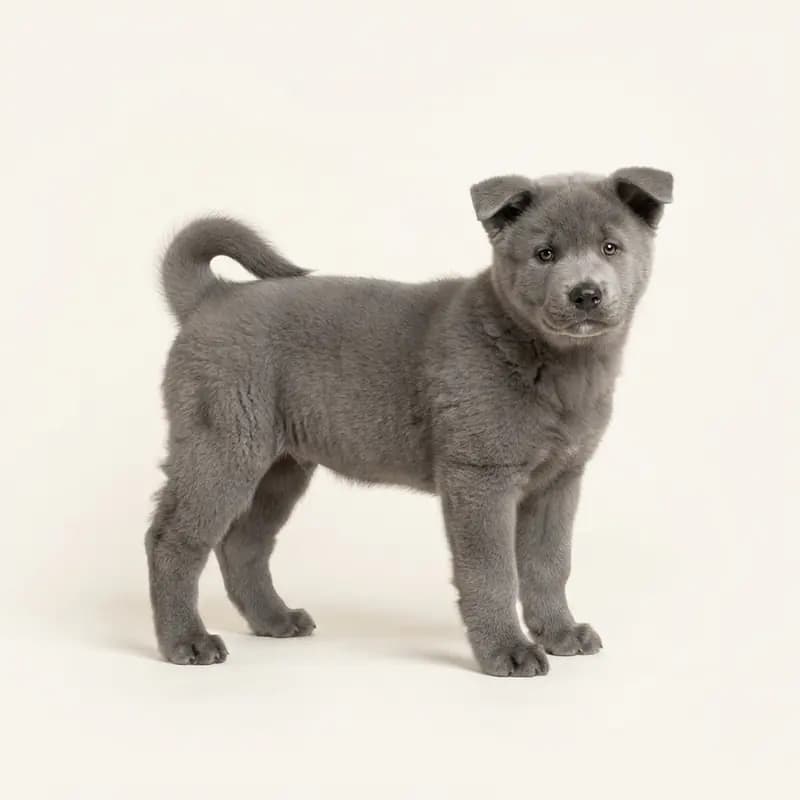
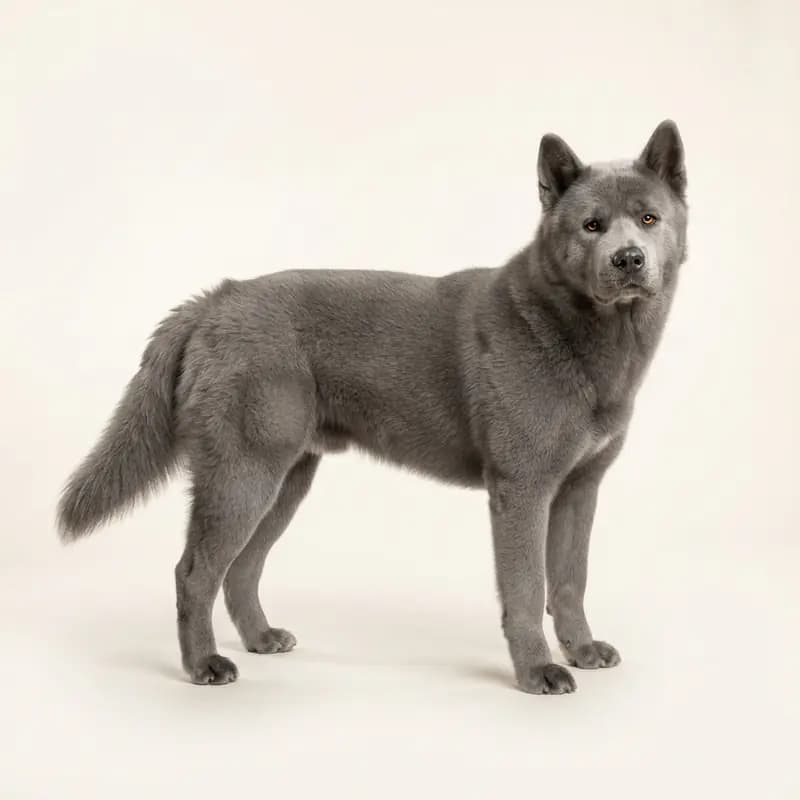
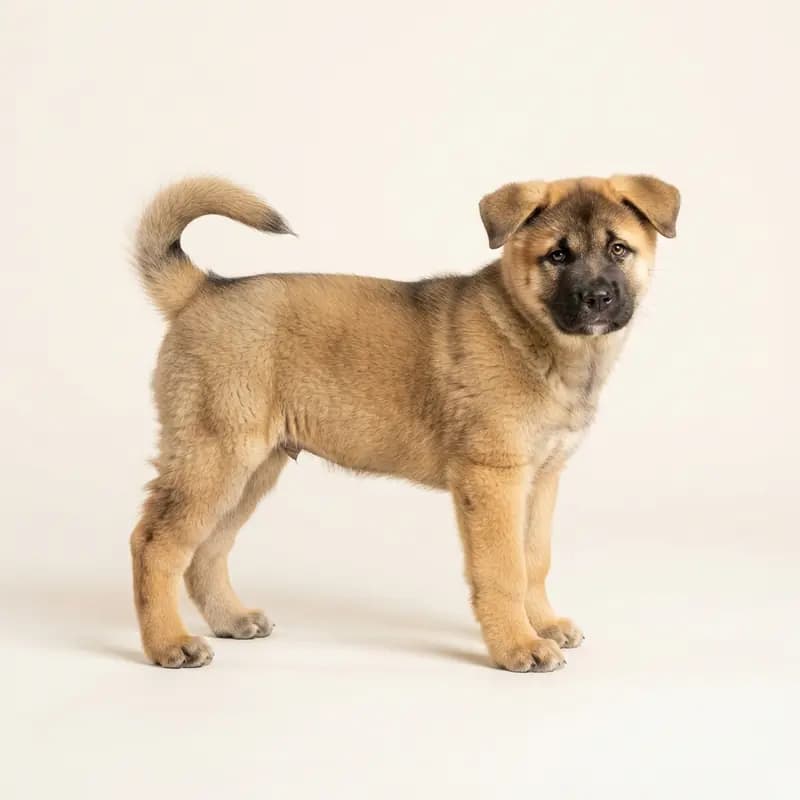
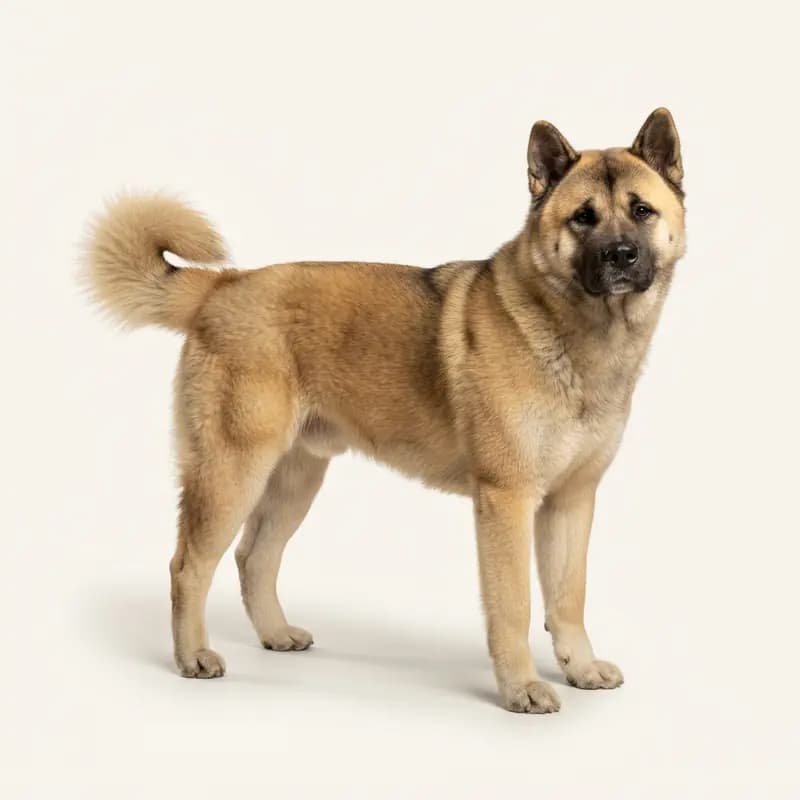
Eye colors
 Brown
Brown
Coat type
 Short
Short Double coat
Is the American Akita right for you?
The Amerikanischer Akita is an imposing, steadfast guardian of a primitive type — bred for big-game hunting and protection, and later crossed with massive Molossers. He is self-assured and demands respect before he even considers cooperation.
Perfect for you if:
- You already have experience with independent, physically very strong dogs and lead with calm, natural sovereignty.
- You live in a rural area or on the outskirts of town with a securely fenced property where he can guard.
- You appreciate a dog that forms a deep bond with its family but remains aloof toward strangers.
- You can live with the fact that he evaluates commands for their logic — blind obedience completely contradicts his primitive genetics.
Less ideal if:
- You want a dog that plays with every other dog at the dog park — dogs of the same sex are often a red flag for him.
- You live in a busy city apartment and frequently host changing visitors whom he might try to control.
- You expect him to come galloping joyfully the moment you call — as an autonomous hunter and guardian, he prefers to make his own decisions when in doubt.
The real vibes check
An Amerikanischer Akita is not a subordinate, but a silent bodyguard who always assesses the situation independently. You don't win his obedience through drill, but through mutual respect and absolute reliability. If you prove to him that you deserve to lead, you will gain an incorruptible shadow who would walk through fire for you.
Self-check
Would the American Akita really fit your life?
Answer 6 quick questions about your everyday life and see how well the American Akita fits you — including an honest cost estimate per month, per year, and across the dog's lifetime.
Fit checkCost estimateRisk dice
Takes about 1 minute · free & anonymous
Breed Profile
The American Akita is a real eye-catcher and has a powerful yet majestic appearance. He is a large, well-proportioned dog with a robust build and impressive musculature. His broad head with deep-set eyes, which act like a kind of mirror of the soul, gives him a unique, mystical expression. Akitas are members of FCI Group 5: Spitz and Urtype dogs. However, despite their impressive physical presence, they are by no means rude or uncouth. Rather, they radiate a sublime calm and dignity that is reminiscent of the quiet majesty of an old, wise soul.
All measurements in detail
- Height
- 61 - 66 cm (Female), 66 - 71 cm (Male)
- Weight
- 34 - 50 kg (Female), 45 - 59 kg (Male)
- Life Expectancy
- 10 - 15 yrs
- Character
- Brave, loyal, self-confident
- Coat
- Dense, double layer, short
- Coat Color
- All colors allowed, mostly with a mask
- Price
- 1500 - 3000 €
Character & Temperament
American Akitas are loyal and courageous dogs with a strong protective instinct. They are very people-oriented and form a deep bond with their family. They tend to be calm and even-tempered, but can also be playful when they're in the right mood. Their original purpose as hunting dogs has given them an independent and confident nature. They are not overly pushy and can tolerate being alone well as long as they get enough exercise and mental stimulation. While they generally get along well with children, their size and strength make them best suited to families with older children. They have a natural guarding instinct and tend to protect their territory and family. This can cause them to behave reservedly or even aggressively toward strangers and other dogs. However, with early socialization and training, these tendencies can be managed well in most cases. When it comes to temperament, American Akitas tend to be calm and thoughtful dogs. They are not hyperactive and do not need constant activity to be happy. Still, they need regular exercise and mental stimulation to stay healthy, both physically and mentally. A daily walk or play session in the yard, along with some obedience training or brain games, should be enough to keep an American Akita happy. Although they are not typically great hunters, American Akitas can have a strong prey drive, especially when they encounter smaller animals. It's important to take this into consideration if you want to keep an American Akita in a household with small pets. As with any dog breed, temperament varies from dog to dog, and there are many Akitas that live peacefully with cats and other pets. In summary, the American Akita is a loyal and courageous companion who is characterized by his calm, dignity and inner strength. With his striking appearance, unique personality, and strong desire to bond with his family, he makes a wonderful companion for people willing to put in the time and commitment to meet his needs. Although he is not the right dog for everyone, in the right hands he can be an extremely loyal and loving friend and protector.
| Trainability Has its own ideas and will test limits. | Strong-willed |
| Watchfulness A natural watchdog with real protective instinct. | High |
| Openness to Strangers Careful around unfamiliar people — thaws slowly. | Cautious |
| Hunting or Herding Drive Mild interest in movement and small animals — easily managed. | Low |
Fun Fact!
An interesting fact about American Akitas is that they were originally bred for bear hunting in Japan!
What Awaits You
The American Akita is a strong and confident dog that requires consistent training. These dogs are loyal and protect their family but often show reserve towards strangers. The American Akita needs meaningful activity and sufficient exercise to remain balanced. Due to its strong character, it is best suited for experienced dog owners.
Housing & Care
The American Akita is a versatile dog that can live in both urban and rural environments as long as it receives enough exercise and mental stimulation. However, they are large dogs that require a lot of space and are not suitable for small apartments. Akitas are very family oriented and can get along well with children, especially if they are raised with them from a young age. However, they can also be very protective and it is important that interactions between children and the dog are always supervised. In terms of other pets, Akitas can live with cats and other dogs if properly socialized, but they can have strong prey instincts and therefore should not live in a home with small pets such as rabbits or guinea pigs.
- Family Friendly
Gets on well with different people and varying routines.
Family-friendly - Child Friendly
Gets on well with children — with adult supervision.
With supervision - Dog Friendly
Can get on with dogs it knows — strangers are a different story.
With familiar dogs - City Friendly
Can manage in the city, but only with very active owners.
Difficult in cities
Owning a dog is a privilege, but it's also a real responsibility. Before you bring one into your life, be honest with yourself about the commitment it takes.
Training & Education
Akitas are intelligent and independent dogs that require strong, consistent training. They respond well to positive reinforcement and motivation, but can also be stubborn. It is important that training starts early and is carried out consistently. Akitas need mental and physical stimulation to be happy and healthy. They can enjoy various dog sports such as agility, obedience or protection dog training, but they are also happy with daily walks and playtime. It is important not to overwhelm them, otherwise they may become restless and dissatisfied. It is important to encourage frustration tolerance and impulse control in an Akita, otherwise they may be prone to making their own decisions that are not always in the best interest of everyone involved. They should also learn to remain calm and composed when they are not the center of attention.
Nutrition & Care
American Akitas have medium to high energy needs and should be fed a high-protein diet. The diet should always be tailored to the age, weight, health and activity level of the individual dog. It is important to avoid being overweight as this increases the likelihood of joint problems. In terms of grooming, American Akitas have a double coat of fur that protects them well from the cold, making them well adapted to the German climate. However, they shed heavily, especially during shedding in spring and autumn. Regular brushing can help remove loose hair and keep the coat healthy. Otherwise, grooming is relatively simple and only involves occasional baths and regular checks and care of the ears, teeth and nails.
| Care Level Regular brushing and occasional professional grooming. | Moderate |
| Exercise Needs Needs several hours of serious exercise every day. | Very active |
| Shedding Regular shedding — dog hair on clothes is now normal. | Moderate |
| Trainability Has its own ideas and will test limits. | Strong-willed |
Our experts are still reviewing this information. Spotted something wrong? Email us at info@honestdog.de.
Health & hereditary diseases
Health
B
Solid
Health grade
The American Akita is considered a robust breed, as the most common health concerns are well-managed through mandatory health tests. Hip dysplasia (HD) and various eye conditions are the primary risks for which breeding stock must be tested. Prospective buyers should consistently request the health screening results of the parents to minimize the risk of future joint issues or vision loss.
Grade is relative to other breeds — AI-assisted and editorially reviewed.
In daily life this can mean
You should ensure controlled growth, joint-friendly exercise, and keep an eye out for early changes in skin or eyes so that problems can be identified quickly.
The breeder's role
Reputable breeders have the hips, elbows, and eyes of the parent animals checked and are familiar with the autoimmune issues in their lines to reduce avoidable risks.
Note: This health overview is AI-assisted and editorially reviewed. It is for orientation only and does not replace veterinary advice.
No Health Tests Available
No specific health tests are currently available for this breed.
Costs & where to find one
How much does a American Akita cost?
A American Akita costs around ~€220 per month (€120 – €430, depending on your setup). The first year adds up to roughly ~€5,730 including purchase, equipment and puppy school; across the dog's life (12.5 years) it comes to about ~€36,150.
With surgery cover, running costs come to about ~€230 per month — in return, your share of a major operation drops from several thousand euros to around 20 percent.
Per month
~€220
In the first year
~€5,730
Across the dog's life
~€36,150
Purchase from a breeder: €1,500 – €3,000
Estimate at a mid-range setup (suburban, dry food, 1–2 hours of daily exercise), average German prices, as of July 2026.
Calculate your personal costs1-minute self-check with your own answers
Looking for a American Akita?
Appearance, variants & origin
History
The full history
The American Akita's roots go back to the Japanese Akita Inu, a dog with a long and storied history. Originally bred to hunt bears, wild boars and deer in the rugged, mountainous region of Akita Prefecture in northern Japan, the dogs were later used as fighting dogs. After the Second World War they were discovered by the Americans and brought to the USA. In the following decades, American breeders developed their own line known as the American Akita. Officially recognized by the American Kennel Club in the 1970s, this breed differs significantly from the original Akita Inu in several ways, particularly size and temperament.
Original Use
The American Akita, originally known as the Akita Inu, was bred as a hunting and guard dog and later developed further in the USA.
Origin
Japan
Date
1600
Owner experiences
What owners say about the American Akita
Zusammengefasst aus öffentlich geteilten Halter-Erfahrungen
Viele Halter beschreiben den Amerikanischen Akita im Haus als angenehm ruhigen, fast schon katzenartig unabhängigen und extrem loyalen Begleiter. Er ist kein Hund, der ständig Aufmerksamkeit einfordert, sondern schätzt seine Ruhephasen und zieht sich gerne zurück. Im eigenen Territorium zeigt er jedoch einen ausgeprägten Schutzinstinkt, was bedeutet, dass Besuch oft genau beobachtet und Fremden gegenüber eine gesunde Skepsis an den Tag gelegt wird.
Eine wiederkehrende Erfahrung bei Spaziergängen ist die Reaktion anderer Hunde auf den Akita. Aufgrund seiner von Natur aus sehr aufrechten, stolzen Körperhaltung, der hoch getragenen Ringelrute und des fixierenden Blicks fühlen sich andere Hunde oft unbegründet provoziert. Halter berichten in Foren immer wieder, dass Begegnungen an der Leine deshalb anstrengend sein können, weil Fremdhunde aggressiv auf den Akita reagieren, selbst wenn dieser völlig entspannt bleibt. Zudem macht der ausgeprägte Jagdtrieb ein Ableinen in vielen Gebieten unmöglich.
Zusammengefasst aus öffentlich geteilten Halter-Erfahrungen
In Hunde-Communitys herrscht Einigkeit darüber, dass der Amerikanische Akita kein Hund für Anfänger ist. Halter betonen immer wieder seinen extremen Eigensinn – oft wird er in Erfahrungsberichten als sturer als ein Esel beschrieben. Da die Rasse über so gut wie keinen angeborenen Willen gefällig zu sein ("Will to Please") verfügt, stößt die klassische Erziehung über bloße Bestechung mit Leckerlis oder blinden Gehorsam schnell an ihre Grenzen.
Erfolgreiche Besitzer berichten, dass man sich den Respekt eines Akitas durch eine ruhige, konsequente und souveräne Führung verdienen muss. Druck oder gar körperliche Härte führen bei dieser stolzen Rasse nur dazu, dass sich der Hund komplett verschließt. Es erfordert viel Geduld, gegenseitigen Respekt und Fingerspitzengefühl, um eine echte Partnerschaft aufzubauen, bei der der Hund sich freiwillig an seinem Menschen orientiert.
Zusammengefasst aus öffentlich geteilten Halter-Erfahrungen
Ein großes Thema in den Erfahrungsberichten ist der extreme Fellwechsel. Während das dichte Doppelfell außerhalb dieser Phasen als sehr pflegeleicht, selbstreinigend und nahezu geruchlos gilt, "explodiert" die Unterwolle zweimal im Jahr förmlich. Halter berichten, dass in dieser Zeit tägliches, intensives Bürsten Pflicht ist und man sich auf gigantische Mengen an Hundehaaren im Haus einstellen muss – ein leistungsstarker Staubsauger wird in Foren dringend empfohlen.
Aus gesundheitlicher Sicht wird besonders häufig vor der Gefahr einer lebensgefährlichen Magendrehung gewarnt, die bei großen Rassen mit tiefem Brustkorb ein ernstes Risiko darstellt. Viele Halter teilen den Rat, das Futter auf mehrere kleine Portionen am Tag aufzuteilen und dem Hund nach dem Fressen strikte Ruhepausen zu verordnen. Auch Futtermittelunverträglichkeiten, Allergien und Gelenkprobleme wie Hüftdysplasie (HD) oder Arthrose im Alter sind wiederkehrende Themen beim Erfahrungsaustausch.
Paraphrased from real owner reports
Loading owner stories
Community Posts
FAQ & more
Frequently asked questions about the American Akita
Is a American Akita the right dog for me?
The American Akita is an active dog that needs plenty of exercise and mental stimulation. Research the temperament, grooming needs, and space requirements before deciding.
How long does a American Akita live?
The average life expectancy of a American Akita is 10-15 years. With proper care and regular vet visits, your dog can live a long, healthy life.
How much grooming does a American Akita need?
American Akita grooming requirements include regular brushing, nail trimming, and dental care. HonestDog provides detailed grooming tips for every breed.
Is a American Akita good for families with children?
The American Akita can be a great family dog. Proper training and socialization are key. HonestDog provides family suitability information for every breed.
What colors does the American Akita come in?
The American Akita comes in these colors: Red, Fawn, White, Brindle, Piebald, Black, Brown, Grey, Sable.
Loading related articles
Are you a American Akita breeder?
Showcase your kennel on HonestDog and reach families searching for a responsibly bred American Akita.
Why HonestDog?
What makes HonestDog different from other platforms
Full transparency
We lay out what we have: who the breeder is, how they work, and any health records they've uploaded. So you can judge for yourself.
Responsible breeding, assured
Every breeder on HonestDog has their identity and documents checked before their profile goes live. Health records they upload are shown on the profile, so you can see exactly what has been tested.
Trust and verification
We verify breeders and buyers alike, so every conversation happens on solid ground. It's a new standard of trust in dog breeding.
Less hassle, more time
We've already checked the breeders' documents and gathered the details, so you can skip the endless research and focus on finding the right puppy for your family.
Our Mission

We connect dog lovers with responsible breeders and shelters to ensure every dog finds the perfect home.
Founded by dog enthusiasts, our platform focuses on ethical dog breeding and adoption.
Why HonestDog?
We connect you with vetted breeders and shelters so you can find your — your new companion — with confidence.
Vetted Partners
Only verified breeders and shelters — for a safe start.
Highest Standards
Every animal's health and wellbeing is our top priority.
Guides & Resources
Guides, checklists, and breed profiles — so you can make a well-informed decision.