Loading breed
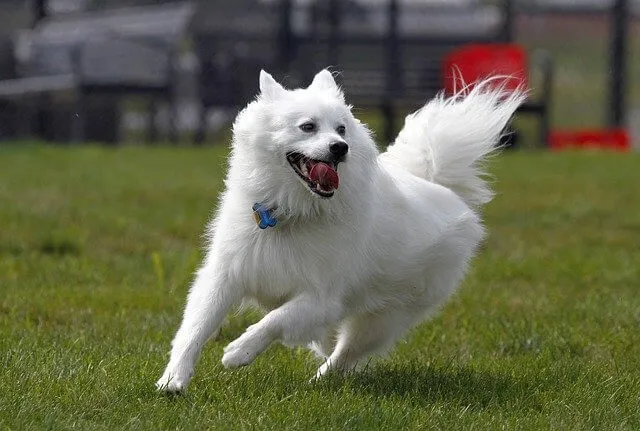
American Eskimo Dog
Health grade AThe American Eskimo Dog is a razor-sharp, incredibly people-oriented dog—bred as a vigilant Spitz-type companion that once guarded farms and later wowed audiences as an agile circus performer.
- Height23–48 cm
- Weight4–15 kg
- Life expectancy12–15 yrs
- Puppy price1,000–2,500 €
- Energy3/5
The Essentials at a Glance
The American Eskimo Dog is a razor-sharp, incredibly people-oriented dog—bred as a vigilant Spitz-type companion that once guarded farms and later wowed audiences as an agile circus performer.
- Health grade A: The American Eskimo Dog has a manageable health risk profile, which is why it receives a grade of B.
- You're looking for a highly intelligent partner for trick training or agility—his circus-bred hardware craves close collaboration and mental stimulation.
- You appreciate a dog that forms a deep bond with you and doesn't necessarily need affection from total strangers.
- You live in an apartment with thin walls—as a classic Spitz, he was bred to loudly announce every change on the property.
Is the American Eskimo Dog right for you?
At a glance
American Eskimo Dog overview
The essentials — key facts, traits, and health priorities — before you dive deeper.
Health grade
Relative to other breeds
S
A
B
C
D
E
Very healthyHigher risk
Very healthy — limited common concerns.
See full health info & tests →
Note: This health overview is AI-assisted and editorially reviewed. It is for orientation only and does not replace veterinary advice.
Lifespan
12–15 yrs
Height
23–48 cm
Weight
4–15 kg
Practical
- Puppy price: 1,000 – 2,500 €
- Coat: Medium long, dense, undercoat present
- Origin: USA
Temperament
Energy
Trainability
Family fit
With kids
Daily life
Care effort
Shedding
Barking
City-friendly
Guard instinct
What matters most
Especially with a American Eskimo Dog, choosing the right breeder is the single most important decision you'll make. Serious breeders consistently test the parents for inherited conditions, prioritize healthy early socialization, and stay accountable long after handover. A cheap puppy without health screening tends to become the most expensive dog later on.
See HonestDog breeder standards →Colors & coat
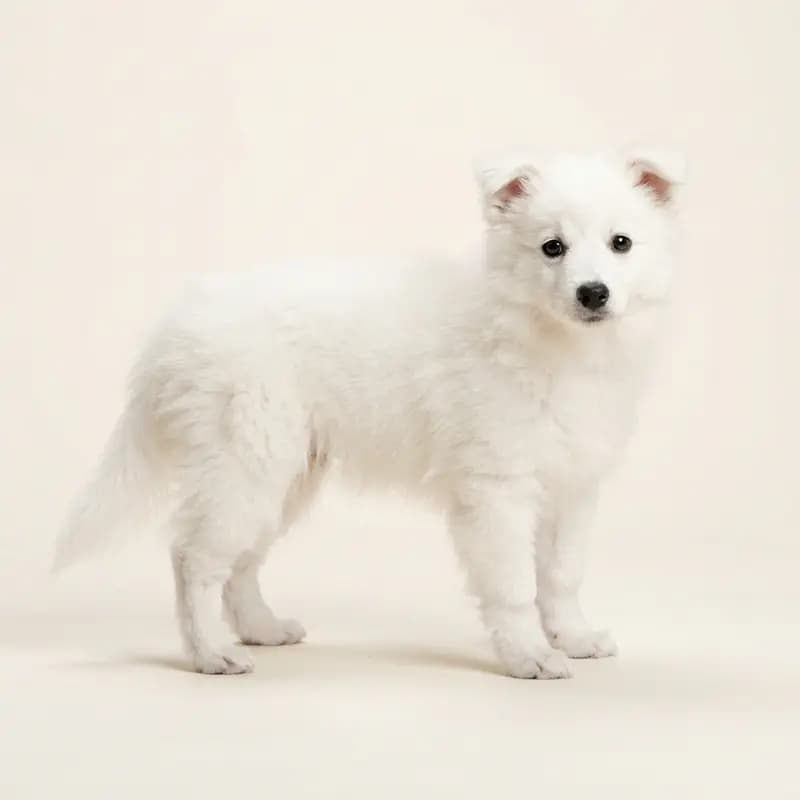
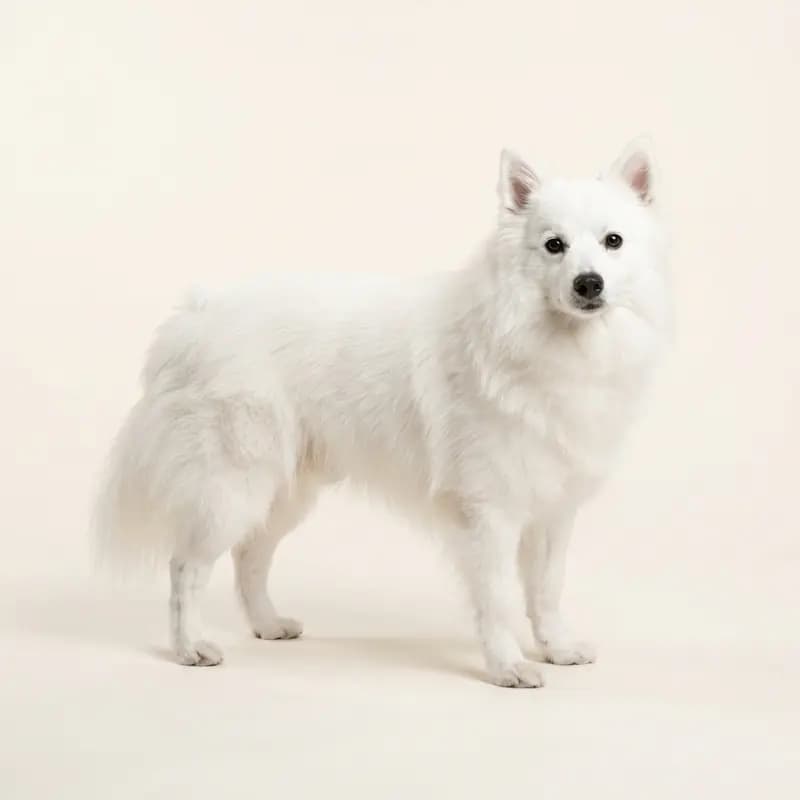
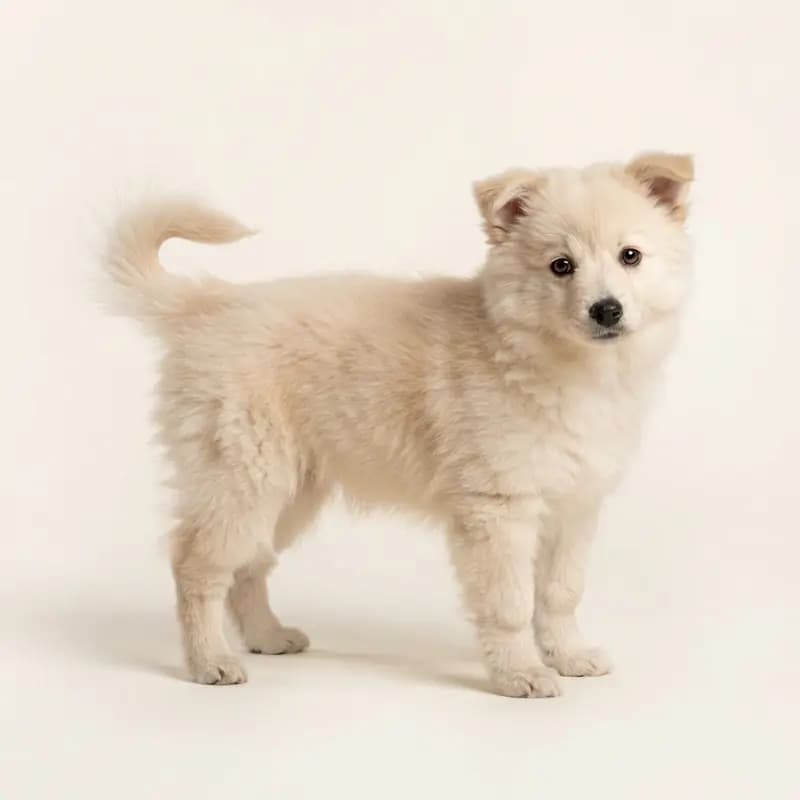
What colors does the American Eskimo Dog come in?
The coat colors you will see in American Eskimo Dog litters — including which ones fall outside the breed standard and which carry genetic risk.
Eye colors
 Brown
Brown
Coat type
 Medium
 Double coat
Is the American Eskimo Dog right for you?
The American Eskimo Dog is a razor-sharp, incredibly people-oriented dog—bred as a vigilant Spitz-type companion that once guarded farms and later wowed audiences as an agile circus performer.
Perfect for you if:
- You're looking for a highly intelligent partner for trick training or agility—his circus-bred hardware craves close collaboration and mental stimulation.
- You appreciate a dog that forms a deep bond with you and doesn't necessarily need affection from total strangers.
- You're ready for long, active walks to keep this high-stamina northern breed physically satisfied.
Less ideal if:
- You live in an apartment with thin walls—as a classic Spitz, he was bred to loudly announce every change on the property.
- You have a demanding job and would have to leave him alone for long periods daily—he needs his pack and tends to get frustrated when isolated.
- You are inconsistent with training and easily let a fluffy exterior wrap you around its little finger.
The real vibes check
An American Eskimo Dog is not a silent teddy bear you can just tuck into a corner—he is an attentive caretaker who comments on everything and is always looking for a job. If you channel his boundless enthusiasm for learning, you'll have a brilliant entertainer; if you leave him to his own devices, he will invent his own, usually very loud, rules.
Self-check
Would the American Eskimo Dog really fit your life?
Answer 6 quick questions about your everyday life and see how well the American Eskimo Dog fits you — including an honest cost estimate per month, per year, and across the dog's lifetime.
Fit checkCost estimateRisk dice
Takes about 1 minute · free & anonymous
Breed Profile
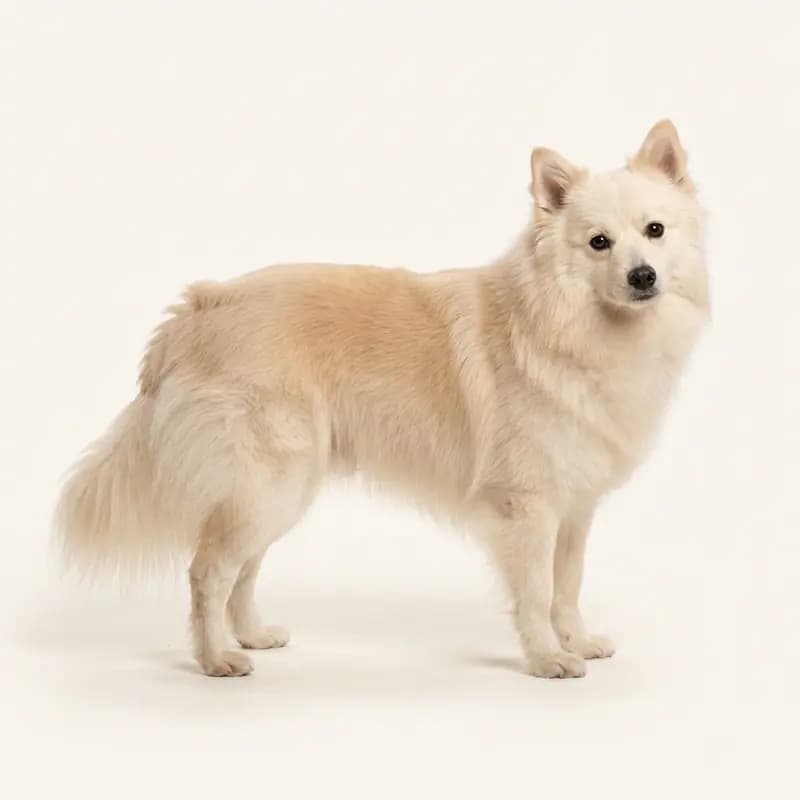
The American Eskimo Dog, often affectionately referred to as the “Eskie”. is a striking and beautiful dog. His physique is strong and compact with good balance and harmony. This dog is surprisingly strong and resilient compared to its size. With his rich, fluffy mane, bushy tail and striking dark eyes, he exudes an irresistible appeal. Its fur is medium length and dense with a lush undercoat that protects it from the coldest temperatures. The Eskie is a member of FCI Group 5, which includes the Spitz and prototype dogs. There are three sizes of the American Eskimo Dog "the Toy, the Miniature and the Standard" but there are no differences between show and working lines. All Eskies share the same breed standard and are known for their beauty and charm.
All measurements in detail
- Height
- 23 - 48 cm (Female), 23 - 48 cm (Male)
- Weight
- 4 - 15 kg (Female), 4 - 15 kg (Male)
- Life Expectancy
- 12 - 15 yrs
- Character
- Happy, attentive, sociable
- Coat
- Medium long, dense, undercoat present
- Coat Color
- White or cream colored
- Price
- 1000 - 2500 €
Character & Temperament
The American Eskimo Dog is a happy, attentive and sociable dog. He is known for his friendly and even-tempered temperament and his deep bond with his family. Eskies are very people-oriented and love being part of family activities. They are also very playful and often retain their playful nature throughout their lives. It is often said that an Eskie never truly grows up! Eskies are intelligent and eager to learn dogs. They love learning and doing new things and are always ready to take on new tasks. Although they are not working dogs by nature, they can still take on various tasks and excel in many disciplines such as obedience, agility, flyball and even as therapy dogs. They are also very good guard dogs. They are alert and alert and will alert their family to strangers or unusual noises. However, they do not tend to bark excessively. Like many other Pomeranian dogs, the Eskie tends to have a certain degree of independence. This means that he sometimes has a mind of his own and likes to make his own decisions. But with positive and patient training, this strong-character dog can become a loyal and obedient companion. Although the Eskie is a social dog, he also needs his rest times and can stay alone well as long as he has enough mental and physical activity. However, it's important to teach him from an early age that it's okay to be alone to avoid separation anxiety. The American Eskimo Dog does not have a strong hunting instinct, but it can still pursue prey if given the opportunity. It is therefore important to socialize him well and teach him to treat other animals with respect.
| Trainability Picks up commands quickly and wants to please. | Eager to learn |
| Watchfulness Occasionally alerts but is fundamentally open. | Low |
| Openness to Strangers Warms up quickly and is generally welcoming. | Friendly |
| Hunting or Herding Drive Mild interest in movement and small animals — easily managed. | Low |
Fun Fact!
Although they are "American Eskimo Dog" are called, these dogs have no Eskim origin. The name was given in the USA in the early 20th century and has no connection to their actual origin.
What Awaits You
The American Eskimo Dog combines striking good looks with a quick and clever mind for a total package of brains and beauty. Neither shy nor aggressive, Eskimos are always attentive and friendly, although a little reserved when it comes to making new friends.
Housing & Care
Despite their medium size and activity levels, Eskies can live well in the city as long as they get enough exercise and mental stimulation. They are friendly and tolerable and can get along well with other pets and children when properly socialized. But as with all dogs, interactions between children and dogs should always be monitored to ensure they are safe and positive for both.
- Family Friendly
Loves family life and thrives in a group.
Family-oriented - Child Friendly
Takes boisterous and affectionate children in its stride.
Patient with children - Dog Friendly
Usually gets on fine with other dogs.
Generally tolerant - City Friendly
Adapts well to city living and urban environments.
Well-suited to city life
Owning a dog is a privilege, but it's also a real responsibility. Before you bring one into your life, be honest with yourself about the commitment it takes.
Training & Education
Eskies are intelligent dogs that enjoy learning and working. They are very versatile and can be trained in many areas such as agility, obedience, flyball and even as therapy dogs. It is important to keep training positive and varied to keep the Eskie motivated and engaged. This breed can be a bit independent, so it's important to find a good balance between work and play to avoid overwork or boredom. It is also important to teach Eskies frustration tolerance and impulse control. Patience and consistency are the keys here. There is a risk that Eskies can become "ball junkies." if they are not properly trained. It is therefore important that you teach your dog to control his impulses and ensure that there is a healthy balance between play and work.
Nutrition & Care
The American Eskimo Dog has moderate energy requirements and his diet should reflect these requirements. A balanced diet with high-quality protein, healthy fats and carbohydrates is important. Fresh water should always be available. Being overweight can lead to health problems, so pay attention to portion sizes and avoid giving your Eskie too many treats. When it comes to grooming, the Eskie has a thick undercoat and long top coat that requires regular grooming. It sheds moderately, but shedding can be more intense during the spring and fall shedding periods. Weekly brushing helps keep the coat clean and tangle-free and reduces shedding. They cope well with the climate in Germany, although they prefer to stay in the shade or cool indoors on extremely hot days.
| Care Level Regular brushing and occasional professional grooming. | Moderate |
| Exercise Needs Needs 1–2 hours of real exercise daily. | Active |
| Shedding Hair everywhere, always — no white clothing survives. | Very heavy |
| Trainability Picks up commands quickly and wants to please. | Eager to learn |
Our experts are still reviewing this information. Spotted something wrong? Email us at info@honestdog.de.
Health & hereditary diseases
Health
A
Robust
Health grade
The American Eskimo Dog has a manageable health risk profile, which is why it receives a grade of B. Key mandatory health tests for this breed include screenings for hip dysplasia (HD) and progressive retinal atrophy (PRA), a condition that can lead to blindness. By ensuring that the parents have certified test results when purchasing your puppy, you can effectively minimize the risk of these conditions.
Grade is relative to other breeds — AI-assisted and editorially reviewed.
In daily life this can mean
With joint-friendly exercise during puppyhood, a healthy weight, and regular eye check-ups at the vet, most of these dogs stay fit and active for a long time.
The breeder's role
Reputable breeders have the eyes, knees, and hips of the parent dogs medically screened to specifically reduce the risks of joint and eye diseases in the lineage.
Note: This health overview is AI-assisted and editorially reviewed. It is for orientation only and does not replace veterinary advice.
No Health Tests Available
No specific health tests are currently available for this breed.
Costs & where to find one
How much does a American Eskimo Dog cost?
A American Eskimo Dog costs around ~€170 per month (€90 – €310, depending on your setup). The first year adds up to roughly ~€4,610 including purchase, equipment and puppy school; across the dog's life (13.5 years) it comes to about ~€30,010.
With surgery cover, running costs come to about ~€160 per month — in return, your share of a major operation drops from several thousand euros to around 20 percent.
Per month
~€170
In the first year
~€4,610
Across the dog's life
~€30,010
Purchase from a breeder: €1,000 – €2,500
Estimate at a mid-range setup (suburban, dry food, 1–2 hours of daily exercise), average German prices, as of July 2026.
Calculate your personal costs1-minute self-check with your own answers
Looking for a American Eskimo Dog?
HonestDog Concierge
No verified American Eskimo Dog breeders on HonestDog yet
We currently have no breeders for this breed who have passed our verification. Create your short buyer profile: we'll set up your search alert, review a possible source and email you within 28 days.
Appearance, variants & origin
History
The full history
Despite its name, the American Eskimo Dog has no direct connection to Eskimo cultures. Instead, it is descended from the German Spitz dogs that were brought to America by German immigrants. The breed was not known as the "American Eskimo" until the 1910s. known, probably to hide ties to German origins at a time of anti-German sentiment during and after the First World War. The American Eskimo Dogs were primarily used as guard dogs on farms and as companion dogs, but they were also very popular in dog shows and circus acts because of their beauty and intelligent nature. The breed was recognized by the American Kennel Club in 1985.
Original Use
The American Eskimo Dog was bred as a companion and guard dog, known for its friendly nature and intelligence.
Origin
USA
Date
1900
Owner experiences
What owners say about the American Eskimo Dog
Zusammengefasst aus öffentlich geteilten Halter-Erfahrungen
Viele Halter beschreiben den American Eskimo Dog im Alltag als extrem anhänglichen und treuen Schatten, der am liebsten jede Sekunde in der Nähe seiner Menschen verbringt. Sie gelten als ausgesprochene Familienhunde, die eine tiefe, fast schon besessene Bindung zu ihren Besitzern aufbauen. Diese extreme Menschenbezogenheit bringt jedoch auch Herausforderungen mit sich: In Rasseforen berichten Besitzer immer wieder, dass die Hunde sehr anfällig für Trennungsangst sind und das Alleinsein von klein auf intensiv geübt werden muss.
Ein weiteres, sehr häufig genanntes Thema im Alltag ist die Wachsamkeit und die Neigung zum Bellen. Da Eskies sehr aufmerksam und reizempfänglich sind, schlagen sie bei jedem ungewöhnlichen Geräusch sofort an. Halter betonen, dass sie ohne konsequentes Training schnell zu „Dauerkläffern“ werden können, was besonders in Mietwohnungen zu Problemen führt. Zudem zeigen viele Vertreter der Rasse Fremden gegenüber eine ausgeprägte Skepsis und benötigen Zeit, um mit neuen Menschen warmzuwerden.
Darüber hinaus wird der Pflegeaufwand des wunderschönen, dichten weißen Fells oft unterschätzt. Besitzer berichten von extremem Haaren, besonders während des Fellwechsels, bei dem die Unterwolle in großen Mengen ausfällt. Tägliches Bürsten ist Pflicht, um Verfilzungen zu vermeiden und die Wohnung halbwegs haarfrei zu halten.
Zusammengefasst aus öffentlich geteilten Halter-Erfahrungen
In Erziehungsfragen sind sich Halter einig: Der American Eskimo Dog ist herausragend intelligent und lernt Tricks sowie Kommandos in Windeseile. Diese enorme Auffassungsgabe, die sie historisch sogar zu beliebten Zirkushunden machte, ist jedoch ein zweischneidiges Schwert. Wenn sie nicht aktiv und positiv angeleitet werden, lernen sie ebenso schnell Unarten oder erziehen sich ihre Besitzer einfach selbst.
Erfahrene Halter warnen vor der rassetypischen Sturheit und dem ausgeprägten Eigensinn. Eskies neigen dazu, Kommandos zu hinterfragen oder regelrecht mit ihren Besitzern zu „diskutieren“ (oft untermalt mit lautstarkem Protest oder Bellen), wenn sie keinen Sinn in einer Aufgabe sehen oder die Rangordnung im Haushalt austesten wollen. Eine rein autoritäre Erziehung führt bei diesen sensiblen Hunden jedoch schnell zu Sturheit oder Misstrauen.
Zudem wird in Erfahrungsberichten betont, wie wichtig eine frühe und umfassende Sozialisierung ist. Ohne den regelmäßigen, positiven Kontakt zu anderen Hunden, Kindern und unterschiedlichen Umweltreizen neigen Eskies dazu, territorial, besitzergreifend oder gar futterneidisch (Resource Guarding) zu werden. Auch ein gewisser Beutetrieb gegenüber kleineren Haustieren wie Nagern oder Vögeln muss von Anfang an kontrolliert werden.
Zusammengefasst aus öffentlich geteilten Halter-Erfahrungen
Aus gesundheitlicher Sicht gilt der American Eskimo Dog als eine recht robuste und langlebige Rasse, die nicht selten ein Alter von 14 bis 16 Jahren erreicht. Dennoch weisen Züchter und Halter in Foren auf einige genetische Prädispositionen hin, die man vor dem Kauf kennen sollte. Dazu gehören vor allem Hüftdysplasie (HD) – besonders bei den größeren Standard-Vertretern – sowie Augenerkrankungen wie die Progressive Retinaatrophie (PRA), weshalb entsprechende DNA-Tests der Elterntiere essenziell sind.
Ein sehr praxisnahes Thema in Halterkreisen ist die Neigung zu Allergien und Hautproblemen. Aufgrund ihres dichten, doppellagigen Fells neigen Eskies bei unzureichender Pflege oder falscher Ernährung zu trockener Haut, Schuppenbildung und Juckreiz. Auch Flohspeichel-Allergien werden immer wieder diagnostiziert, weshalb Halter penibel auf Parasitenschutz und die Wahl des richtigen, milden Hundeshampoos achten.
Zudem neigen vor allem die kleineren Varianten (Toy und Miniature) bei mangelnder Bewegung oder zu vielen Leckerlis schnell zu Übergewicht. Da Eskies Meister darin sind, Futter einzufordern oder zu erbetteln, müssen Besitzer hier oft konsequent bleiben, um Gelenkprobleme im Alter zu vermeiden.
Paraphrased from real owner reports
Loading owner stories
FAQ & more
Frequently asked questions about the American Eskimo Dog
Is a American Eskimo Dog the right dog for me?
The American Eskimo Dog is an adaptable dog that adjusts well to various lifestyles. Research the temperament, grooming needs, and space requirements before deciding.
How long does a American Eskimo Dog live?
The average life expectancy of a American Eskimo Dog is 12-15 years. With proper care and regular vet visits, your dog can live a long, healthy life.
How much grooming does a American Eskimo Dog need?
American Eskimo Dog grooming requirements include regular brushing, nail trimming, and dental care. HonestDog provides detailed grooming tips for every breed.
Is a American Eskimo Dog good for families with children?
The American Eskimo Dog can be a great family dog. Proper training and socialization are key. HonestDog provides family suitability information for every breed.
What colors does the American Eskimo Dog come in?
The American Eskimo Dog comes in these colors: White, Cream.
Loading related articles
Are you a American Eskimo Dog breeder?
Showcase your kennel on HonestDog and reach families searching for a responsibly bred American Eskimo Dog.
Why HonestDog?
What makes HonestDog different from other platforms
Full transparency
We lay out what we have: who the breeder is, how they work, and any health records they've uploaded. So you can judge for yourself.
Responsible breeding, assured
Every breeder on HonestDog has their identity and documents checked before their profile goes live. Health records they upload are shown on the profile, so you can see exactly what has been tested.
Trust and verification
We verify breeders and buyers alike, so every conversation happens on solid ground. It's a new standard of trust in dog breeding.
Less hassle, more time
We've already checked the breeders' documents and gathered the details, so you can skip the endless research and focus on finding the right puppy for your family.
Our Mission

We connect dog lovers with responsible breeders and shelters to ensure every dog finds the perfect home.
Founded by dog enthusiasts, our platform focuses on ethical dog breeding and adoption.
Why HonestDog?
We connect you with vetted breeders and shelters so you can find your — your new companion — with confidence.
Vetted Partners
Only verified breeders and shelters — for a safe start.
Highest Standards
Every animal's health and wellbeing is our top priority.
Guides & Resources
Guides, checklists, and breed profiles — so you can make a well-informed decision.