Loading breed
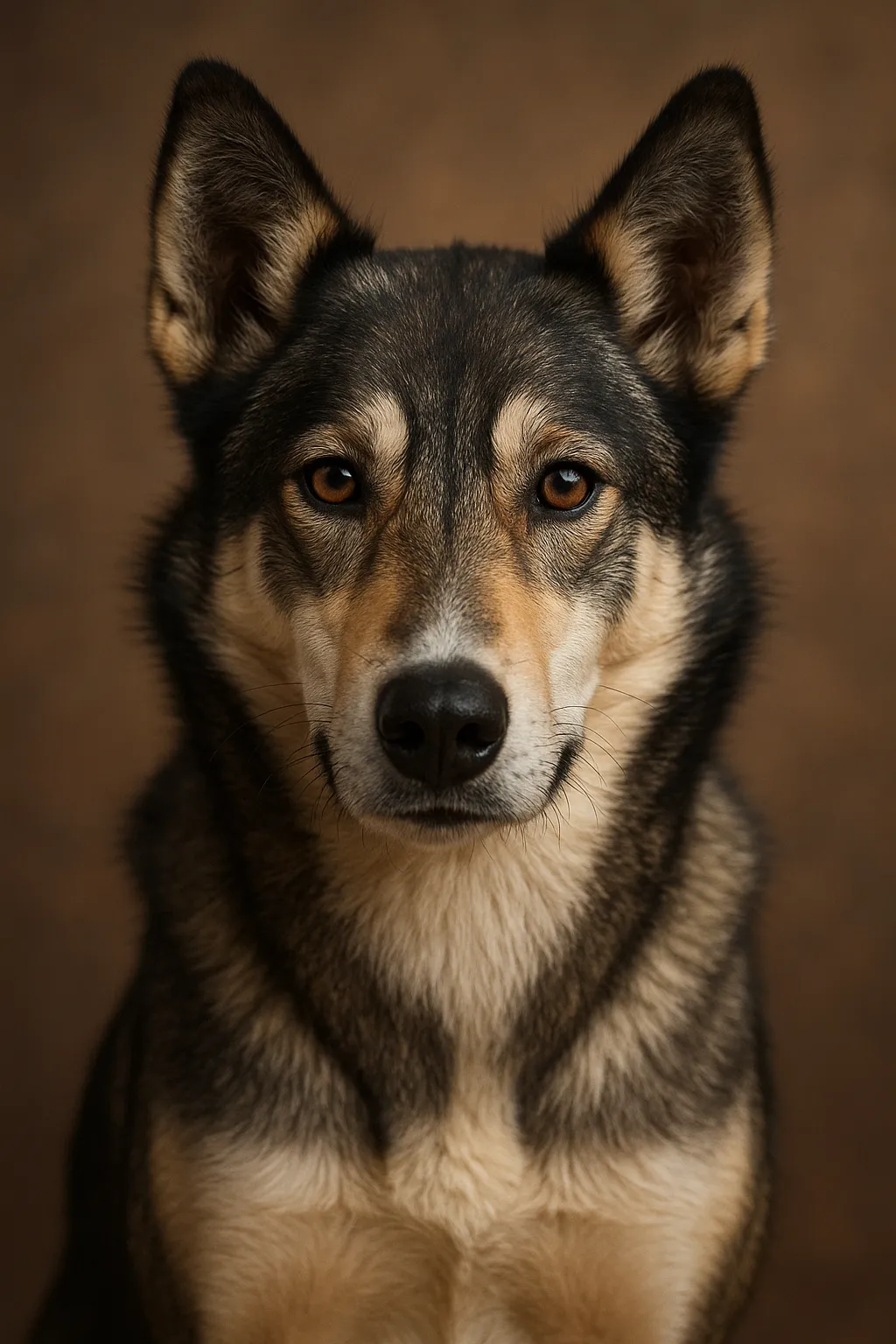
Alaskan Husky
Health grade AThe Alaskan Husky is a purebred sled dog optimized for absolute performance—not a show dog, but an uncompromising working dog bred for endless running in a pack and an extreme drive to work.
- Height53–66 cm
- Weight16–27 kg
- Life expectancy12–15 yrs
- Puppy price1,500–2,500 €
- Energy5/5
The Essentials at a Glance
The Alaskan Husky is a purebred sled dog optimized for absolute performance—not a show dog, but an uncompromising working dog bred for endless running in a pack and an extreme drive to work.
- Health grade A: As an extremely high-performance working dog, the Alaskan Husky benefits from a high level of genetic diversity and is very robust compared to pure show breeds.
- You are into active sled dog sports like canicross or bikejoring—simple walks don't even scratch the surface of his hardware.
- You live in a rural area and can provide an escape-proof garden where he feels comfortable even in sub-zero temperatures.
- You expect a dog that checks in with you while off-leash—his operating system is set to 'run and pull,' not constant eye contact.
Is the Alaskan Husky right for you?
At a glance
Alaskan Husky overview
The essentials — key facts, traits, and health priorities — before you dive deeper.
Health grade
Relative to other breeds
S
A
B
C
D
E
Very healthyHigher risk
Very healthy — limited common concerns.
See full health info & tests →
Note: This health overview is AI-assisted and editorially reviewed. It is for orientation only and does not replace veterinary advice.
Lifespan
12–15 yrs
Height
53–66 cm
Weight
16–27 kg
Practical
- Puppy price: 1,500 – 2,500 €
- Coat: Medium length, dense, undercoat present
- Origin: USA (Alaska)
Temperament
Energy
Trainability
Family fit
With kids
Daily life
Care effort
Shedding
Barking
City-friendly
Guard instinct
What matters most
Especially with a Alaskan Husky, choosing the right breeder is the single most important decision you'll make. Serious breeders consistently test the parents for inherited conditions, prioritize healthy early socialization, and stay accountable long after handover. A cheap puppy without health screening tends to become the most expensive dog later on.
See HonestDog breeder standards →Colors & coat
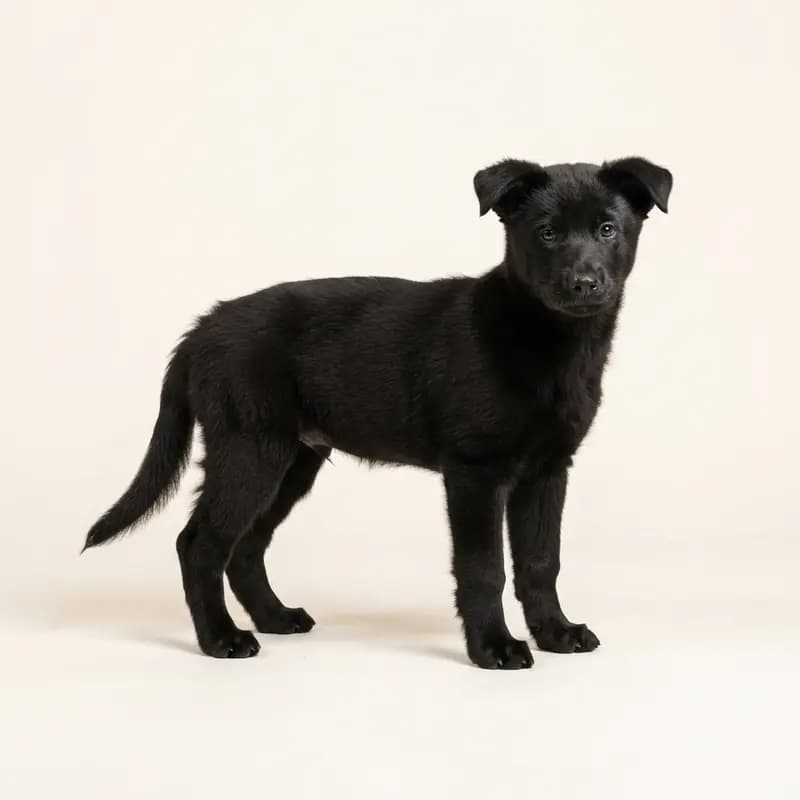
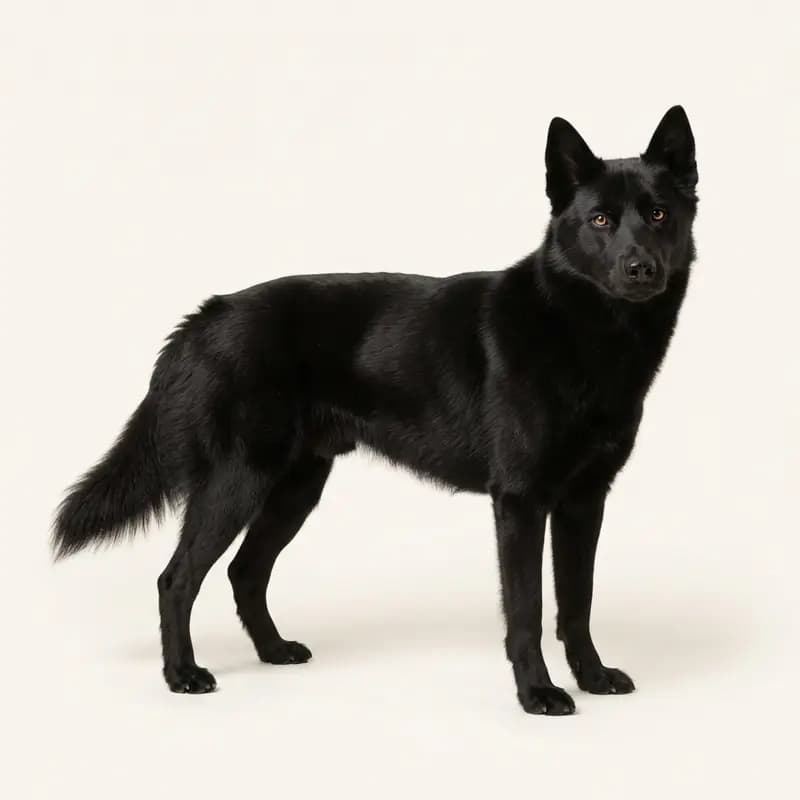
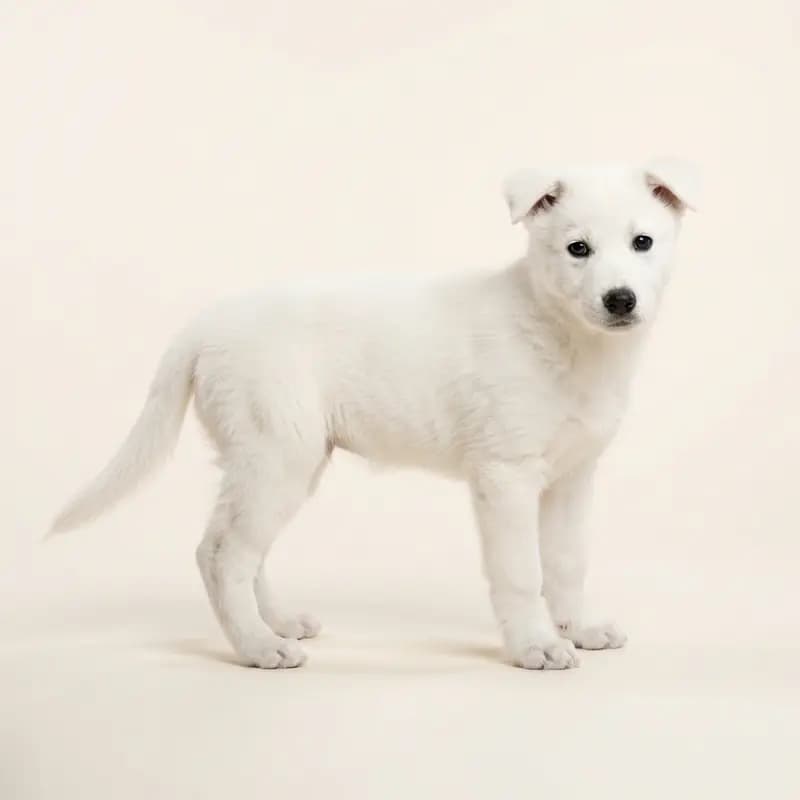
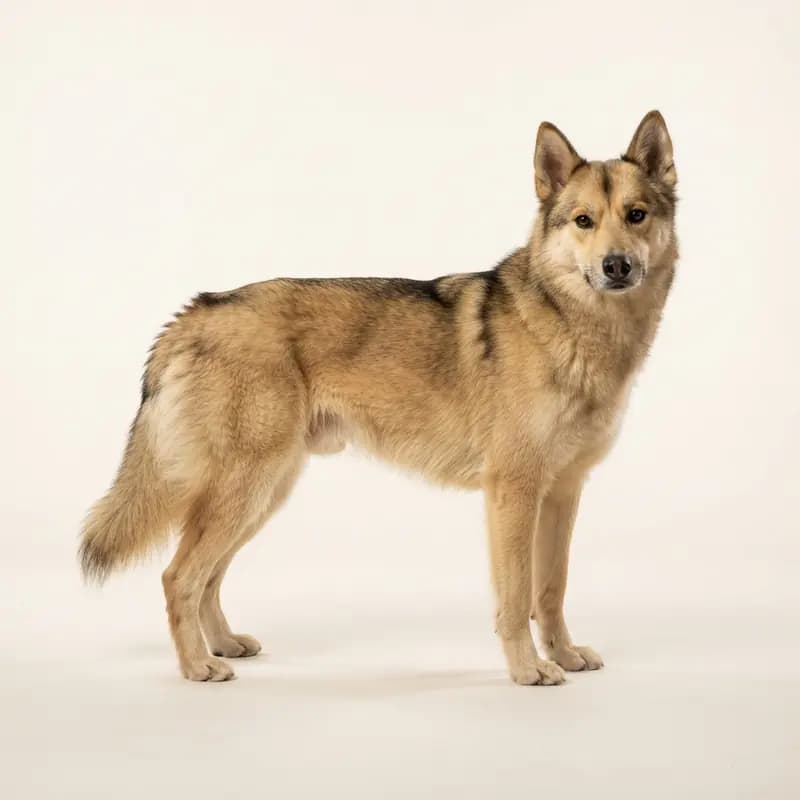
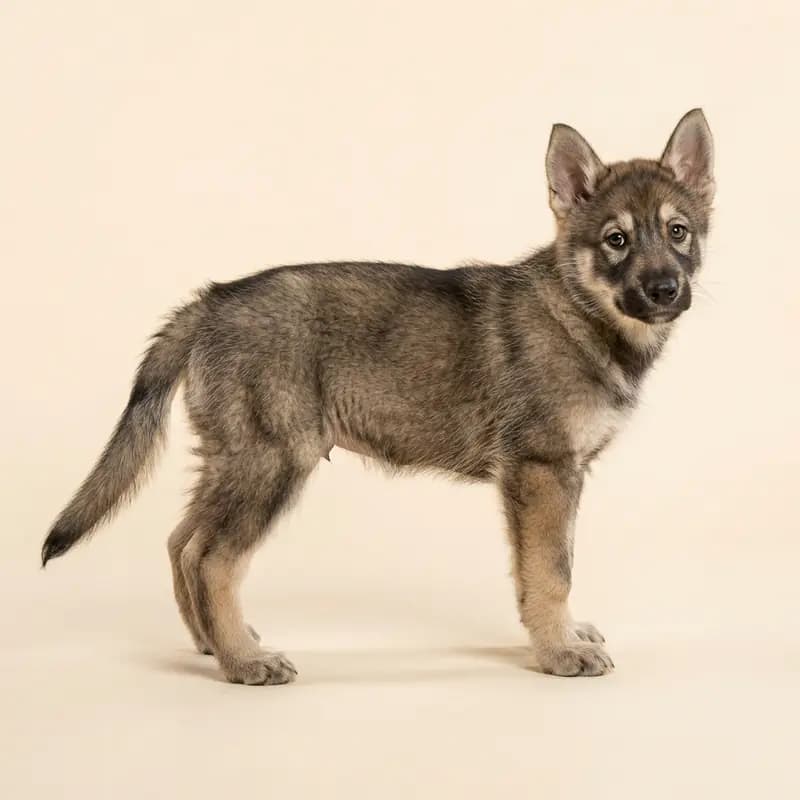
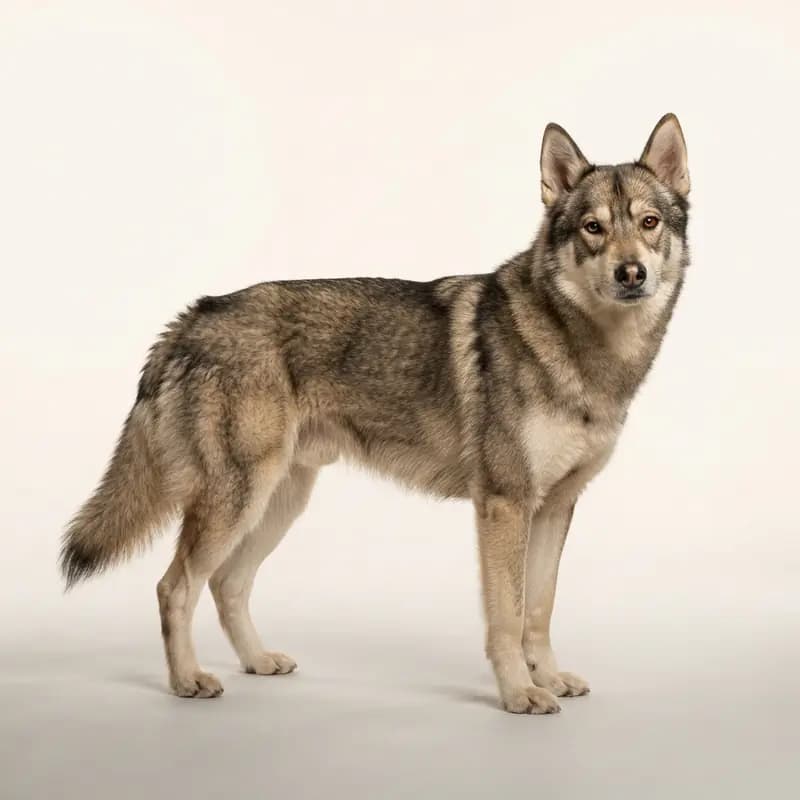
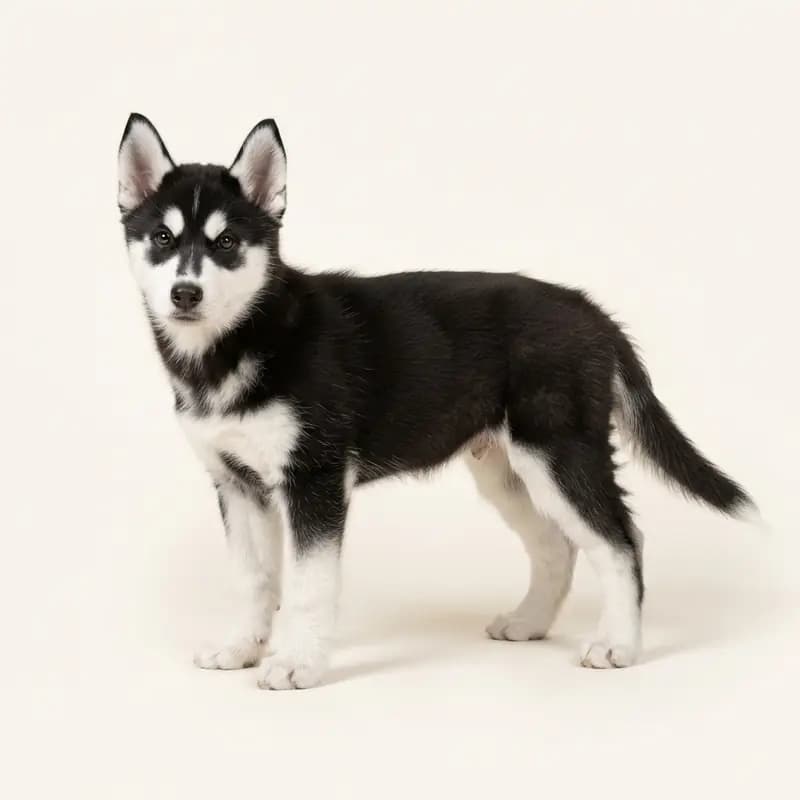
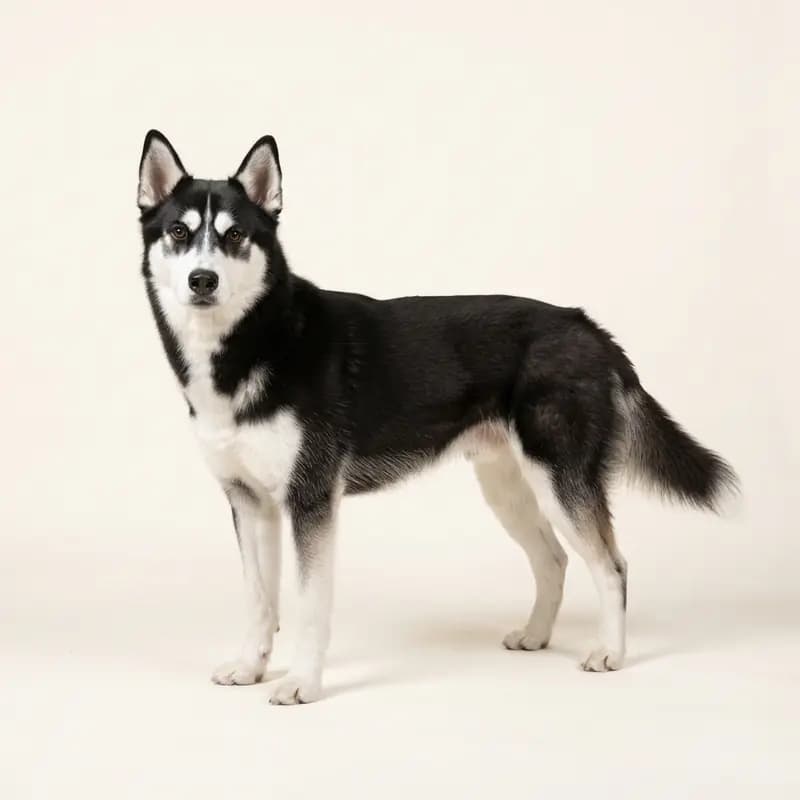
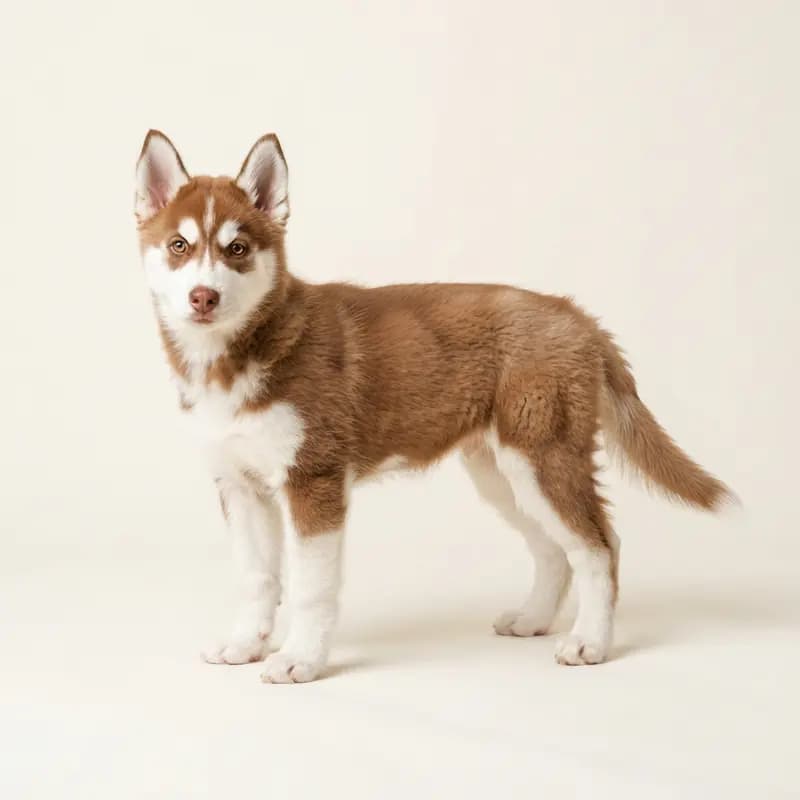
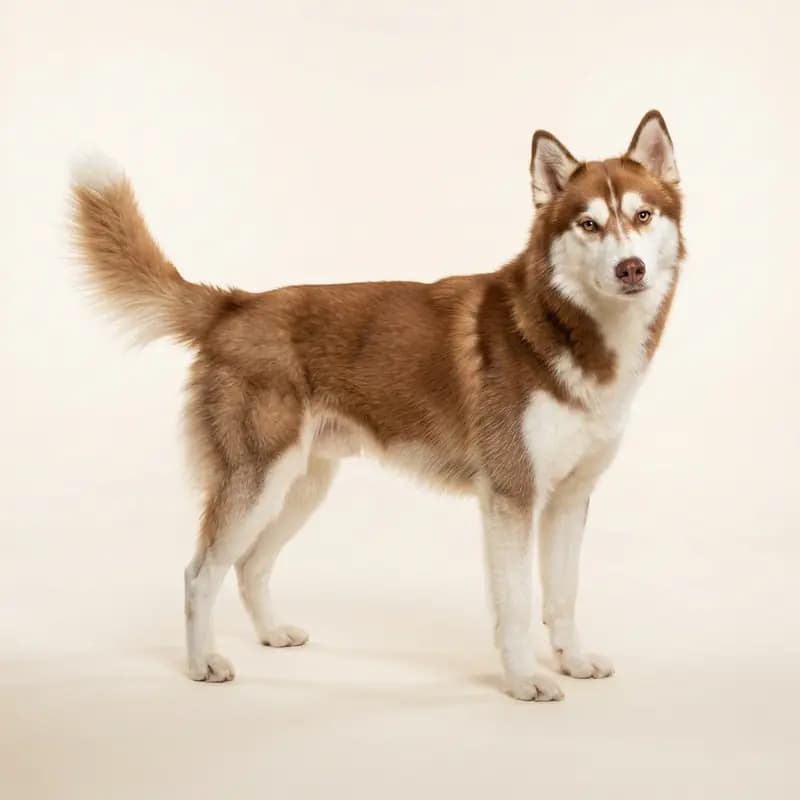
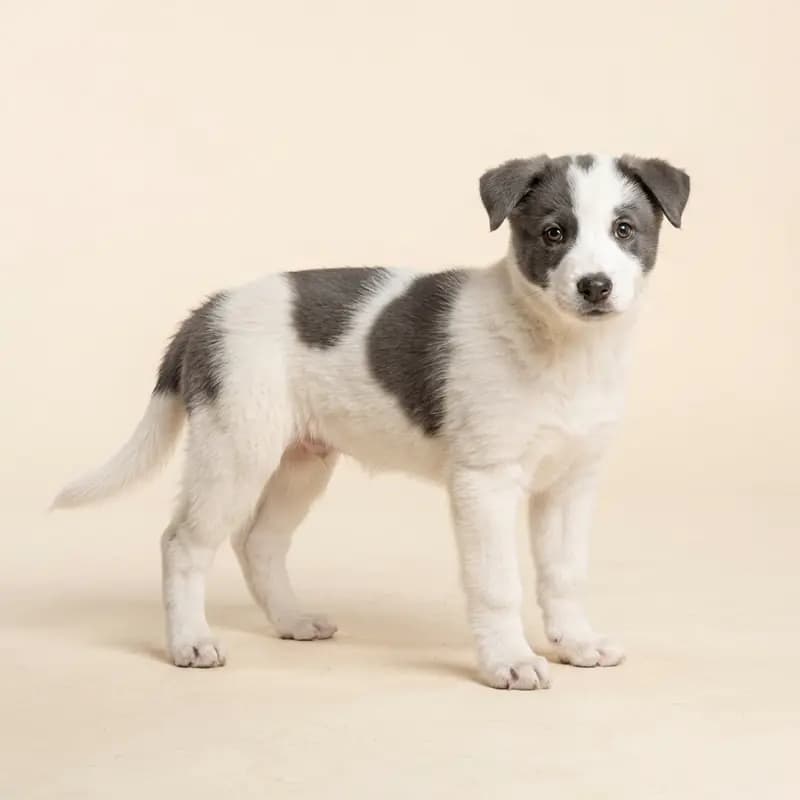
What colors does the Alaskan Husky come in?
The coat colors you will see in Alaskan Husky litters — including which ones fall outside the breed standard and which carry genetic risk.
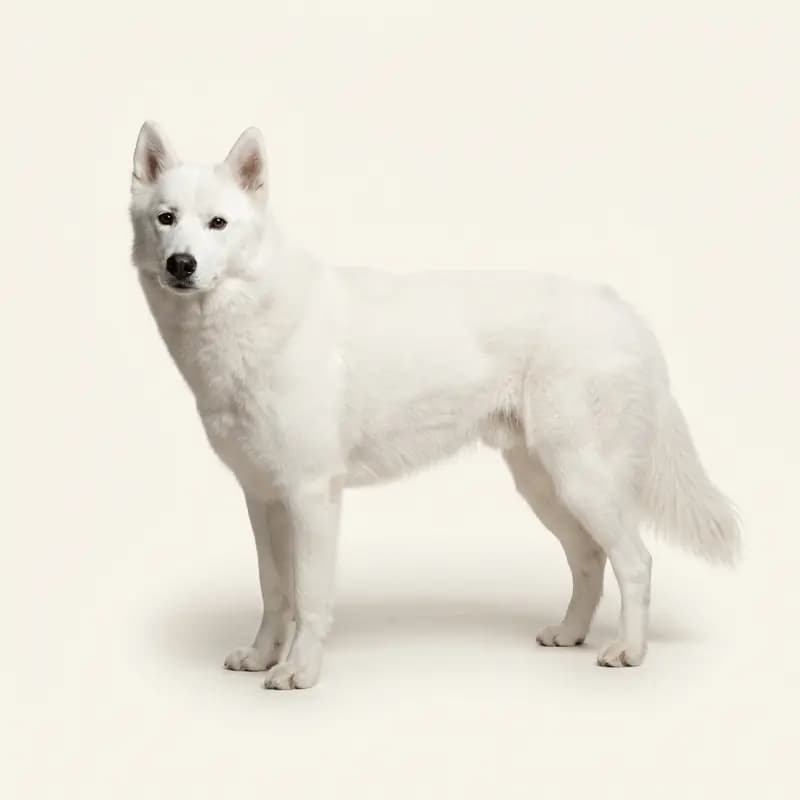
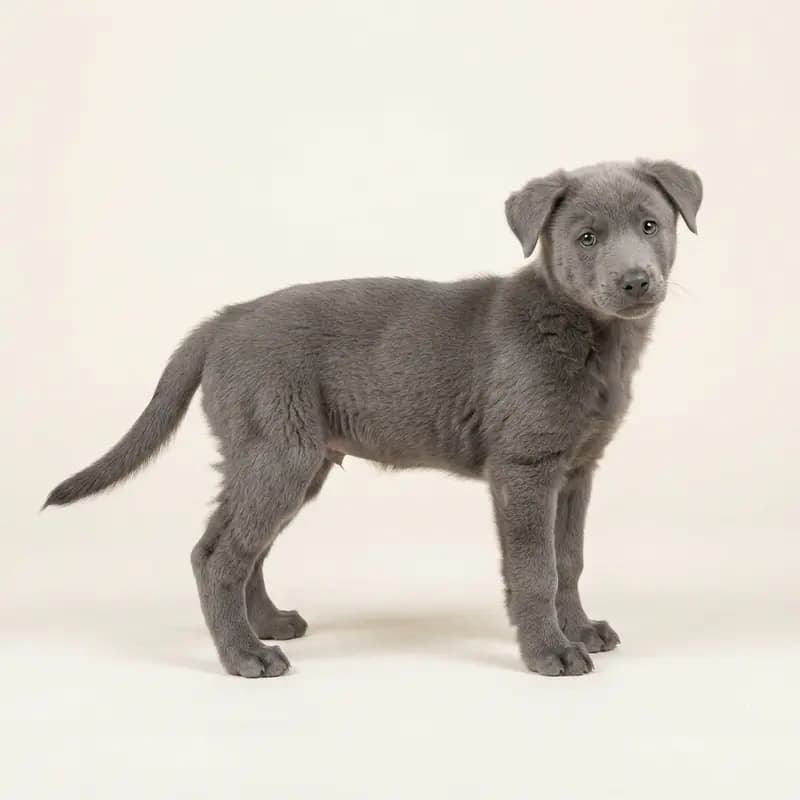
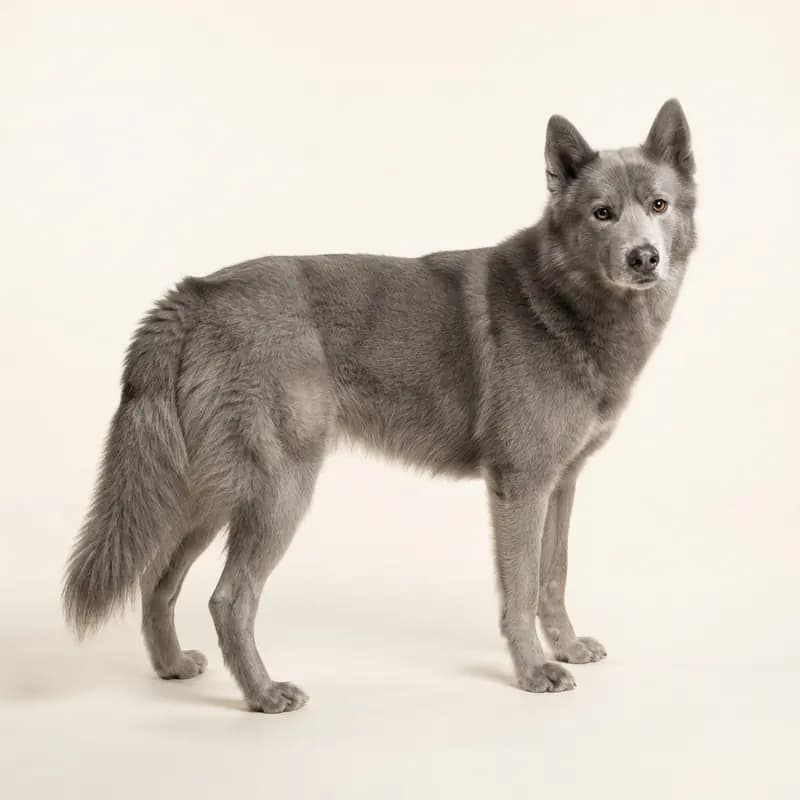
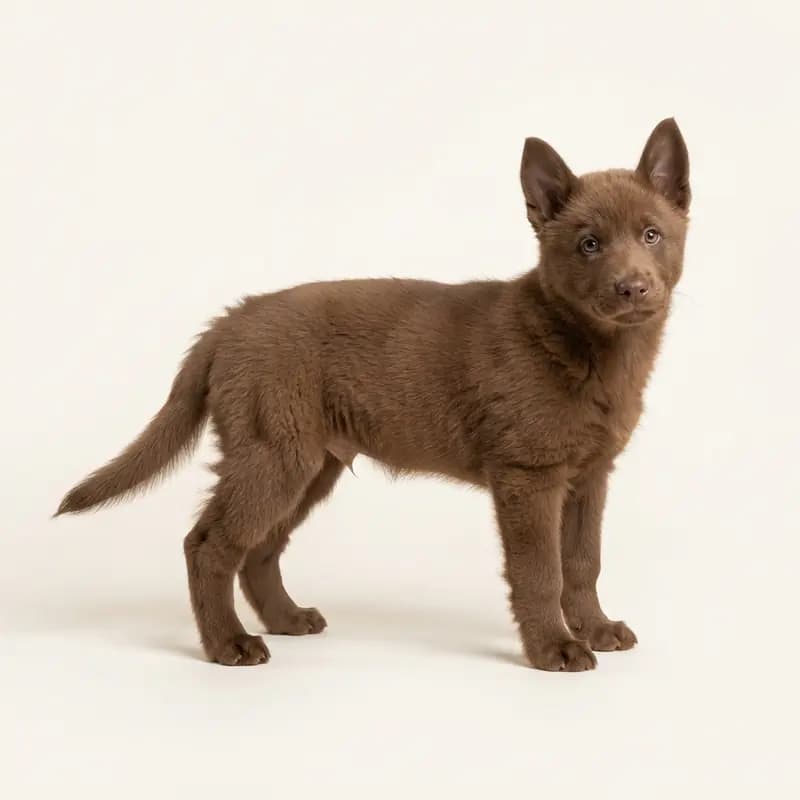
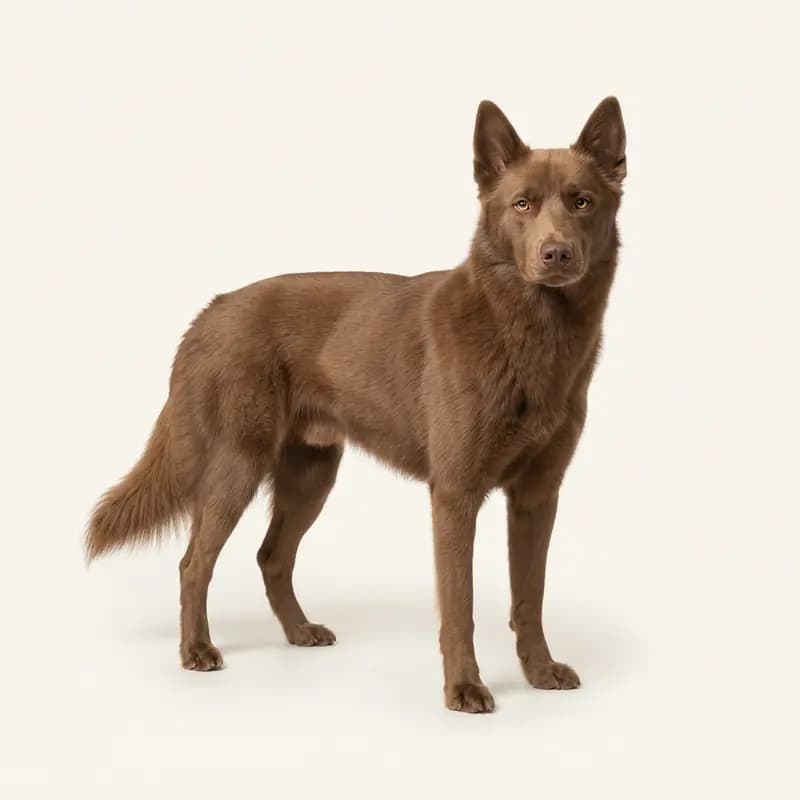
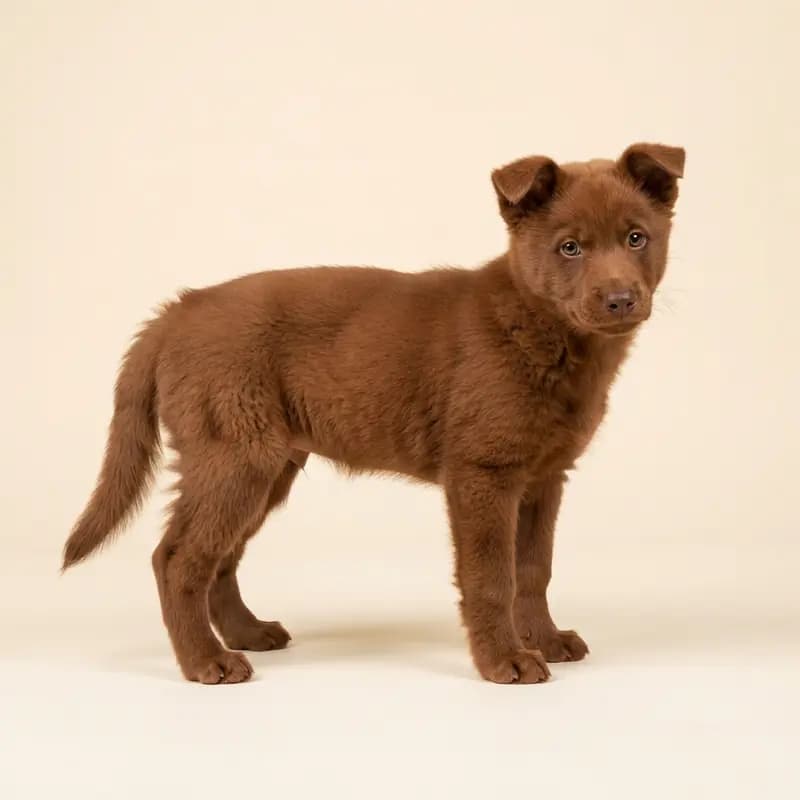
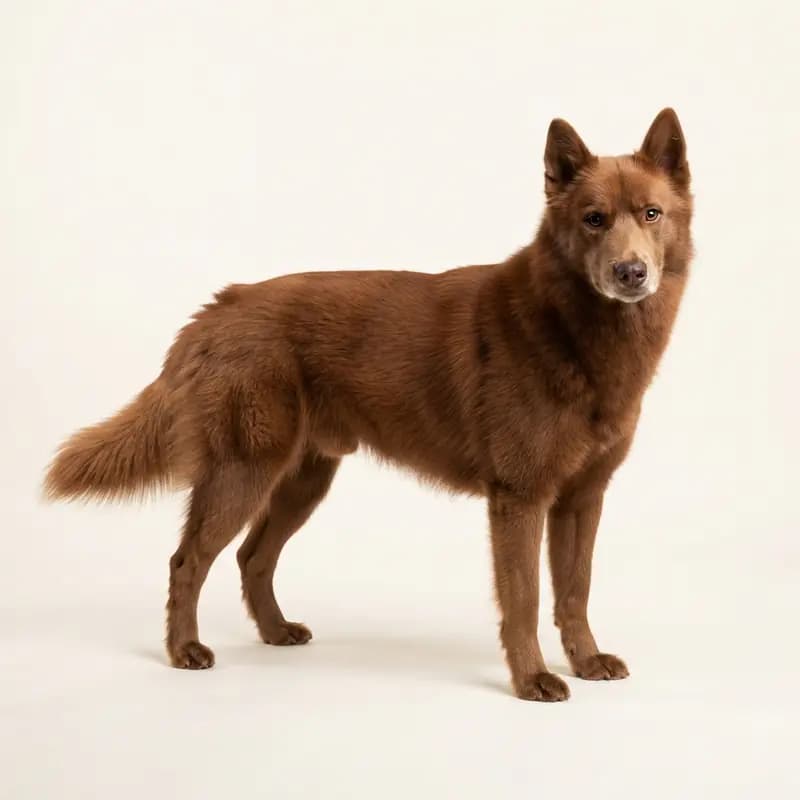
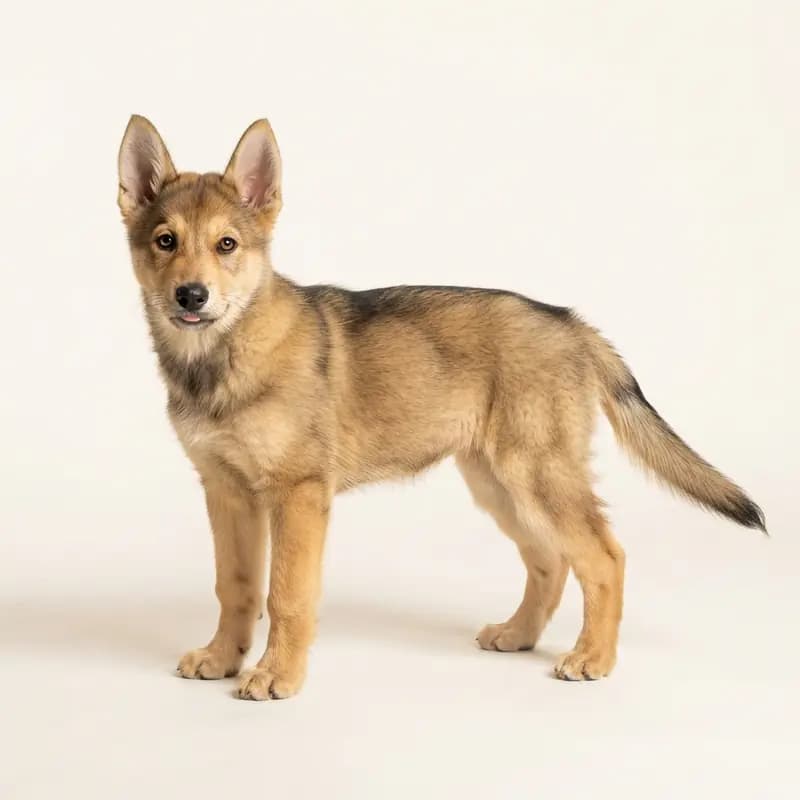
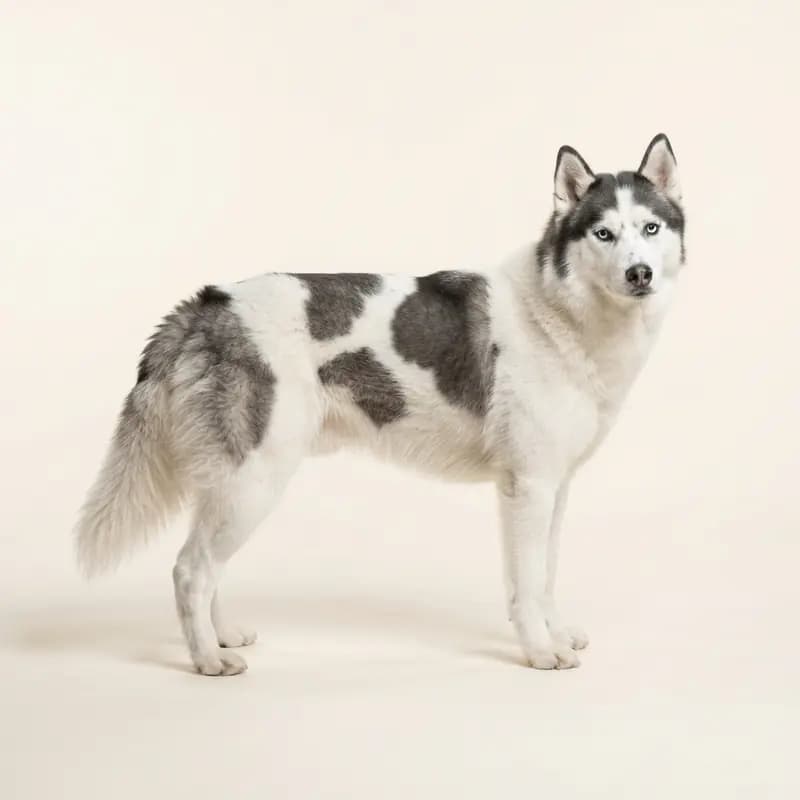
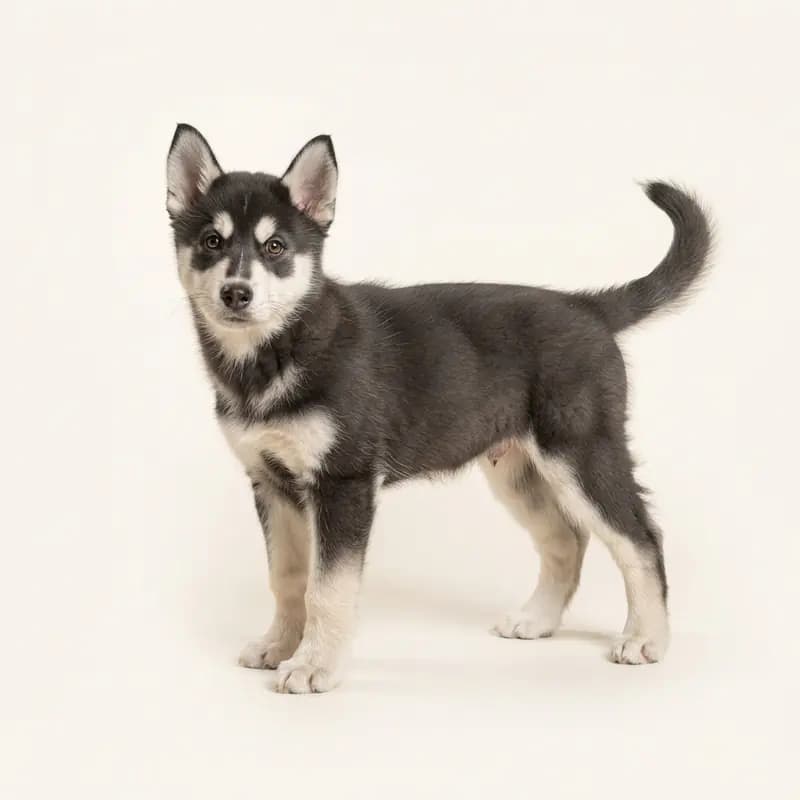
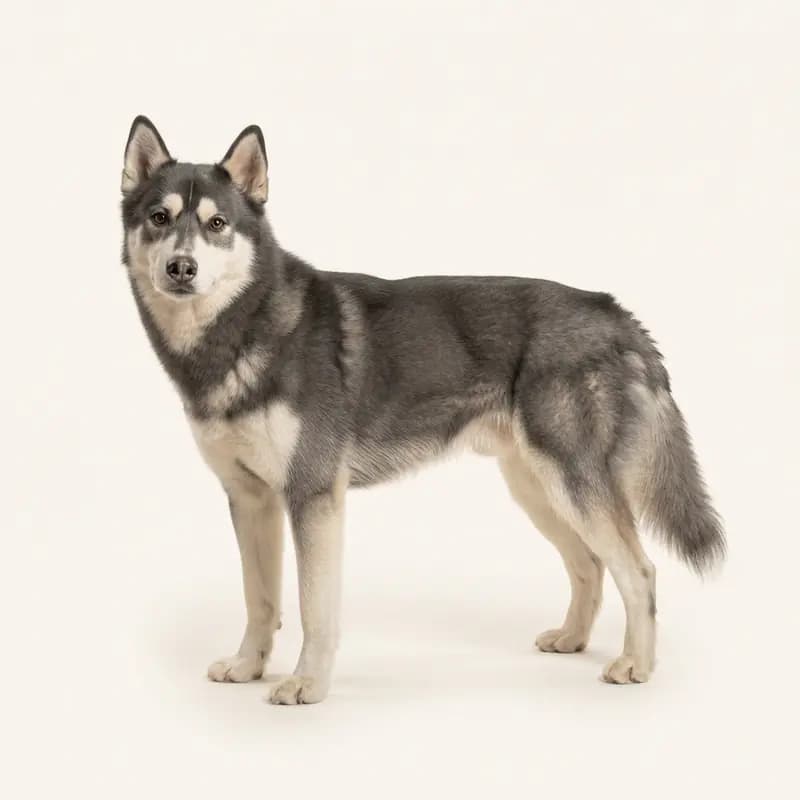
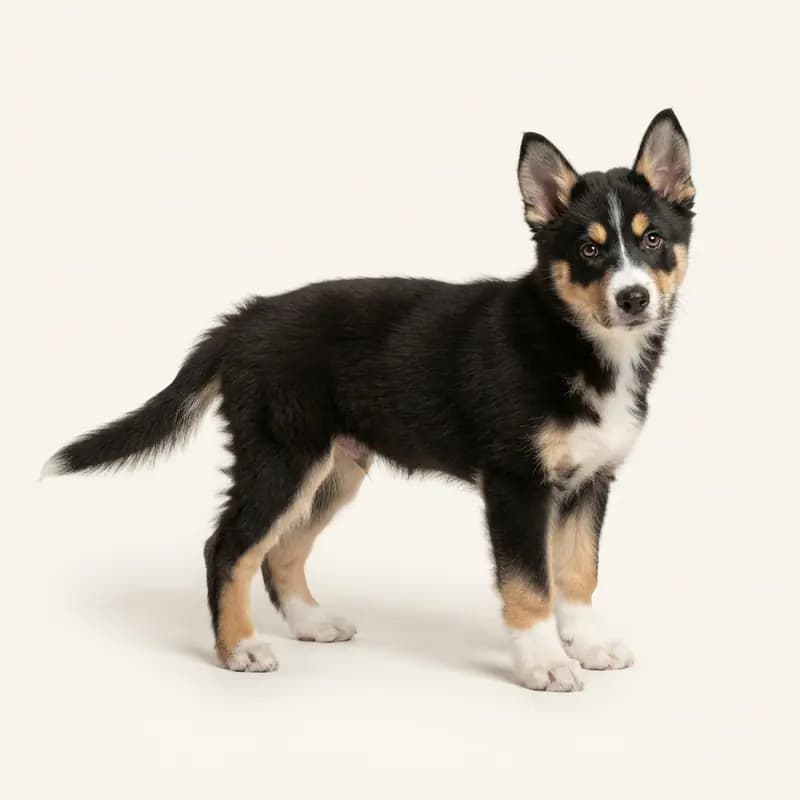
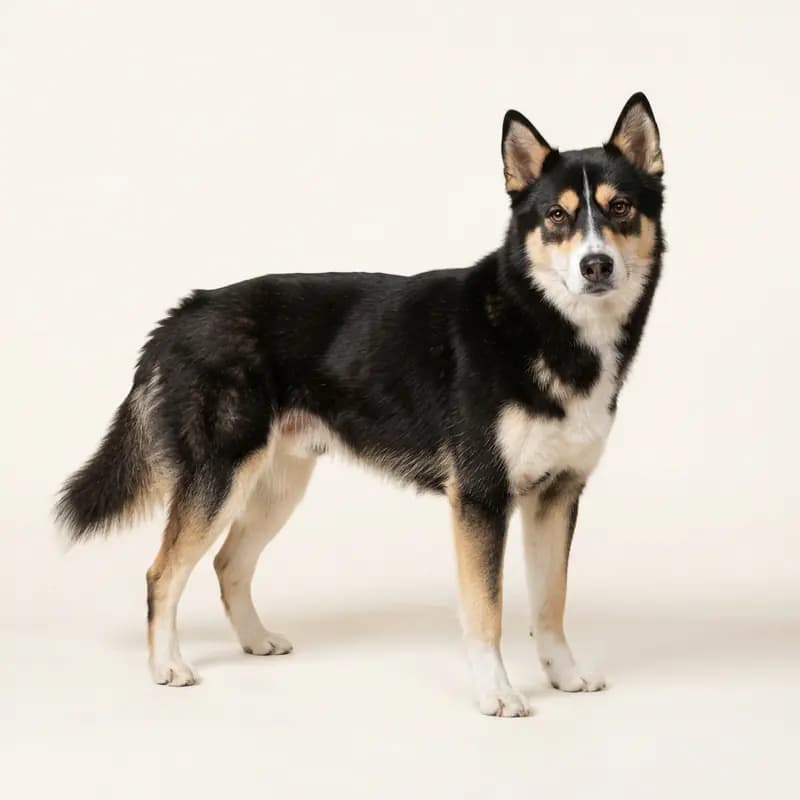
Eye colors
 Brown
Brown Blue
Blue Amber
Amber Odd-eyed
 Partial (split eye)
Coat type
 Double coat
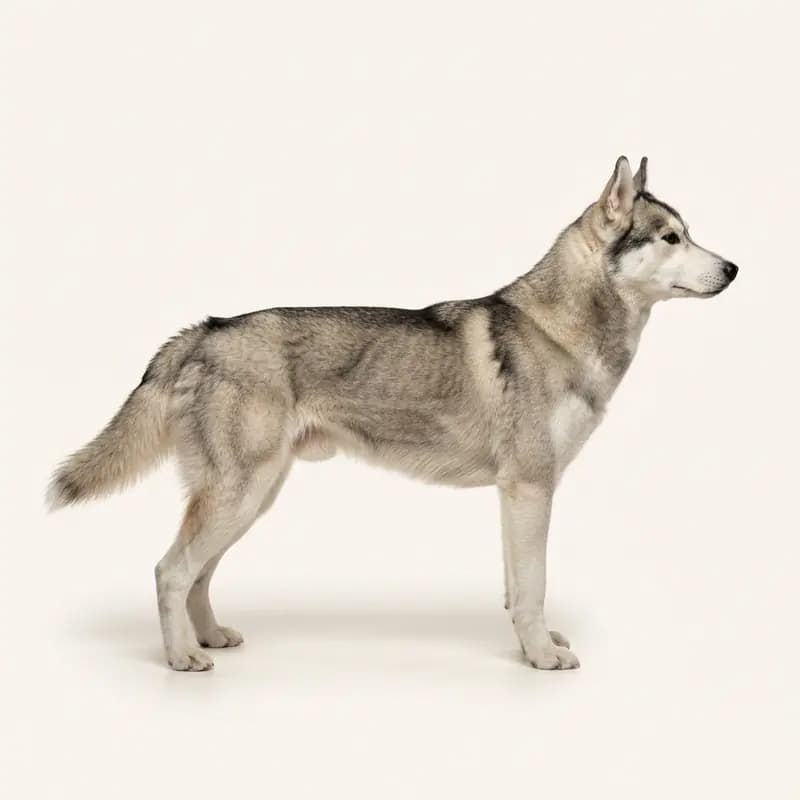 Illustrative image
Short
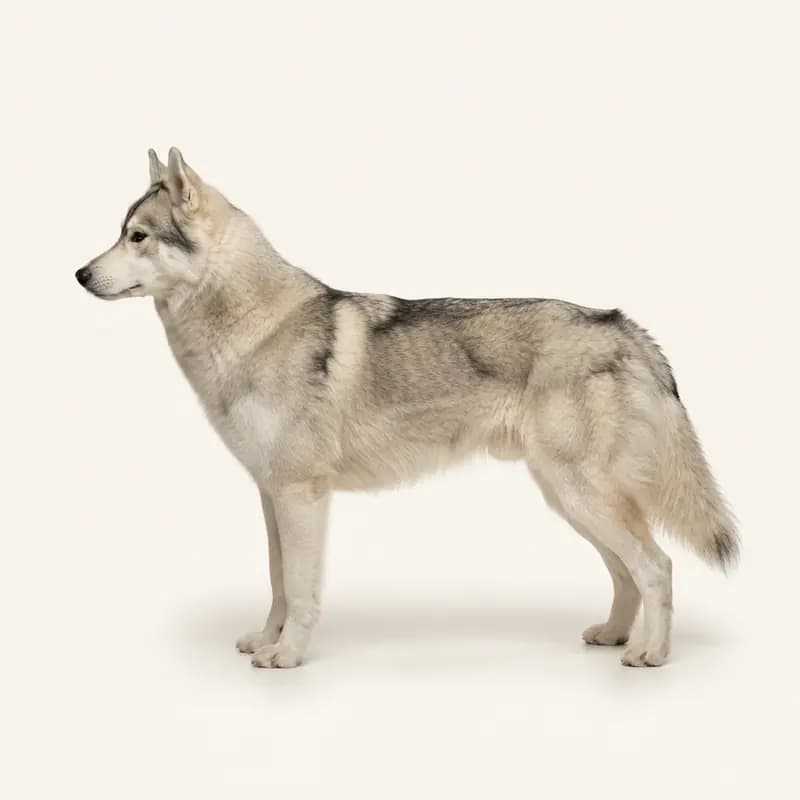 Illustrative image
Medium
Is the Alaskan Husky right for you?
The Alaskan Husky is a purebred sled dog optimized for absolute performance—not a show dog, but an uncompromising working dog bred for endless running in a pack and an extreme drive to work.
Perfect for you if:
- You are into active sled dog sports like canicross or bikejoring—simple walks don't even scratch the surface of his hardware.
- You live in a rural area and can provide an escape-proof garden where he feels comfortable even in sub-zero temperatures.
- Ideally, you already have a pack of dogs, as this classic pack animal often withers away when kept alone.
- You can confidently handle a strong prey drive and accept that he will usually need to stay on a leash when outdoors.
Less ideal if:
- You expect a dog that checks in with you while off-leash—his operating system is set to 'run and pull,' not constant eye contact.
- You live in a neighborhood where noise is an issue, as these dogs communicate with the world by howling and being vocal.
- You are looking for a classic companion dog that will cuddle quietly on the sofa in the evening after an hour-long walk.
The real vibes check
An Alaskan Husky is not a pet in the traditional sense, but an athlete with a clear job. When you harness him to a scooter or sled, you will see pure happiness in his eyes—but if you expect an obedient companion for the city park, you will both be miserable. You aren't just buying a dog; you are choosing an extreme lifestyle.
Self-check
Would the Alaskan Husky really fit your life?
Answer 6 quick questions about your everyday life and see how well the Alaskan Husky fits you — including an honest cost estimate per month, per year, and across the dog's lifetime.
Fit checkCost estimateRisk dice
Takes about 1 minute · free & anonymous
Breed Profile
The Alaskan Husky is a versatile and high-performance sled dog breed, bred primarily for endurance and speed. It is not one of the officially recognized breeds but rather a crossbreed of various northern dogs specifically developed for sled dog sports. The Alaskan Husky is characterized by a lean, athletic build, a dense, weather-resistant coat, and high endurance. Its appearance varies greatly, as it is not fixed to a uniform breed standard but focused on functionality and performance. These dogs are known for their eagerness to work, intelligence, and friendly nature, making them excellent companions for active people who spend a lot of time outdoors.
All measurements in detail
- Height
- 53 - 61 cm (Female), 58 - 66 cm (Male)
- Weight
- 16 - 23 kg (Female), 18 - 27 kg (Male)
- Life Expectancy
- 12 - 15 yrs
- Character
- Intelligent, Energetic, Loyal
- Coat
- Medium length, dense, undercoat present
- Coat Color
- Varied; including black, blue, brown, fawn, red, and more.
- Price
- 1500 - 2500 €
Character & Temperament
The Alaskan Husky is an extremely enduring and hardworking dog, specifically bred for long distances and tough conditions. It is characterized by its high energy and strong urge to move, making it ideal for sporty people or active families. Despite its independent character, the Alaskan Husky is very people-oriented and forms a close bond with its family. Its intelligence and willingness to learn make it a good partner for various activities such as sled racing, canicross, or other dog sports. It requires a lot of mental and physical exercise to remain balanced. If not sufficiently challenged, it can become restless or destructive. The Alaskan Husky is less focused on guarding or protective behavior, instead showing a friendly and open nature towards people and other dogs. Due to its strong hunting and prey drive, consistent training and early recall training are important. Overall, the Alaskan Husky is a robust, reliable, and loving companion for active people who can provide it with enough activity.
| Trainability Has its own ideas and will test limits. | Strong-willed |
| Watchfulness Greets everyone as a friend — no natural guarding instinct. | Very low |
| Openness to Strangers Loves every new person immediately and without reserve. | Very open |
| Hunting or Herding Drive Powerful instinct that can override recall when triggered. | Strong |
Fun Fact!
Alaskan Husky: The Alaskan Husky is not a purebred dog, but a specially bred mix optimized for endurance and speed in sled racing. Thanks to its robust nature and strong work ethic, it is a true champion in the snow!
What Awaits You
The Alaskan Husky is an enduring and hardworking dog, especially valued as a sled dog. It is characterized by its high willingness to perform and adaptability. Alaskan Huskies are usually friendly and social but require a lot of exercise and meaningful activity. They are not typical family dogs but are more suitable for sporty and active people.
Housing & Care
Alaskan Huskies are extremely energetic and enduring dogs that require a lot of exercise and mental stimulation. They are very eager to work and are especially suitable for active people or families who spend a lot of time outdoors. Due to their strong hunting and running drive, they are less suitable for pure apartment living and need plenty of exercise, ideally in rural areas or with access to large open spaces. When dealing with children, Alaskan Huskies are usually friendly and social, but due to their energy and strength, they should always be supervised, especially with small children. They can get along well with other dogs if socialized early, but due to their independent nature, they can sometimes be a bit headstrong. Overall, Alaskan Huskies are loyal and affectionate companions who require consistent but loving training.
- Family Friendly
Loves family life and thrives in a group.
Family-oriented - Child Friendly
Takes boisterous and affectionate children in its stride.
Patient with children - Dog Friendly
Loves other dogs and is happiest in a group.
Pack animal - City Friendly
Suffers in tight urban conditions.
Needs the countryside
Owning a dog is a privilege, but it's also a real responsibility. Before you bring one into your life, be honest with yourself about the commitment it takes.
Training & Education
Alaskan Huskies are extremely intelligent and hardworking dogs that require a high level of mental and physical activity. They were originally bred as sled dogs and therefore have strong endurance and a pronounced willingness to work. Training should be varied and motivating to maintain their attention and avoid boredom. Compared to Labradors and German Shepherds, Alaskan Huskies are often more independent and stubborn, which requires patience and consistency in training. Positive reinforcement and clear but friendly leadership are crucial to avoid frustration for both dog and owner. They respond well to playful exercises and challenges that appeal to their natural instincts, such as search games or endurance training. It is important to teach your Alaskan Husky early on to control impulses and accept periods of rest, as otherwise they can quickly become restless or destructive. Socialization and a close bond with the owner are also essential to have a balanced and well-adjusted dog. Alaskan Huskies are not beginner dogs and need an experienced owner who is willing to invest a lot of time and energy into consistent but loving training. With the right support, they become loyal, enduring, and versatile companions who excel both in dog sports and outdoor activities.
Nutrition & Care
Alaskan Husky: The diet of the Alaskan Husky should be balanced and high in energy, as these dogs are very active and require a lot of exercise. High-quality food with a good proportion of proteins and fats supports their endurance and health. Make sure to adjust the amount of food according to your dog's activity and weight to avoid overweight or underweight. The coat of the Alaskan Husky is dense and weather-resistant, with a thick undercoat that protects it from the cold. Regular brushing, especially during the shedding seasons in spring and autumn, is important to remove loose hair and keep the coat healthy. Despite the dense coat, the Alaskan Husky tolerates colder temperatures very well but should be protected from overheating in extreme heat.
| Care Level Regular brushing and occasional professional grooming. | Moderate |
| Exercise Needs Working-dog energy that needs burning off every single day. | High-drive |
| Shedding Regular shedding — dog hair on clothes is now normal. | Moderate |
| Trainability Has its own ideas and will test limits. | Strong-willed |
Our experts are still reviewing this information. Spotted something wrong? Email us at info@honestdog.de.
Health & hereditary diseases
Health
A
Robust
Health grade
As an extremely high-performance working dog, the Alaskan Husky benefits from a high level of genetic diversity and is very robust compared to pure show breeds. Nevertheless, there are specific risks such as the fatal neurological condition Alaskan Husky Encephalopathy (AHE) as well as Progressive Retinal Atrophy (PRA), which can lead to blindness. Since there are no strict kennel club requirements for this breed, buyers must independently ensure that the parent dogs have been tested for these hereditary diseases.
Grade is relative to other breeds — AI-assisted and editorially reviewed.
In daily life this can mean
With joint-friendly rearing and a well-adjusted training regimen, these dogs usually stay fit for a long time, though you should keep a close eye on their eyes and musculoskeletal system.
The breeder's role
Reputable breeders have the parents' hips, elbows, and eyes screened and use specific genetic tests for nerve disorders to reduce risks within the lineage.
Note: This health overview is AI-assisted and editorially reviewed. It is for orientation only and does not replace veterinary advice.
No Health Tests Available
No specific health tests are currently available for this breed.
Costs & where to find one
How much does a Alaskan Husky cost?
A Alaskan Husky costs around ~€180 per month (€100 – €340, depending on your setup). The first year adds up to roughly ~€5,030 including purchase, equipment and puppy school; across the dog's life (13.5 years) it comes to about ~€32,460.
With surgery cover, running costs come to about ~€180 per month — in return, your share of a major operation drops from several thousand euros to around 20 percent.
Per month
~€180
In the first year
~€5,030
Across the dog's life
~€32,460
Purchase from a breeder: €1,500 – €2,500
Estimate at a mid-range setup (suburban, dry food, 1–2 hours of daily exercise), average German prices, as of July 2026.
Calculate your personal costs1-minute self-check with your own answers
Looking for a Alaskan Husky?
HonestDog Concierge
No verified Alaskan Husky breeders on HonestDog yet
We currently have no breeders for this breed who have passed our verification. Create your short buyer profile: we'll set up your search alert, review a possible source and email you within 28 days.
Appearance, variants & origin
History
The full history
The history of the Alaskan Husky is closely linked to the harsh conditions of northern North America. These dogs were originally bred by the indigenous peoples of Alaska and Canada to serve as sled dogs in extremely cold and challenging environments. In the 20th century, they gained international fame through the famous Serum Run to Nome in 1925, during which sled dogs transported life-saving diphtheria serum over long distances. Unlike many purebred dogs, Alaskan Huskies are not a standardized breed but a versatile mix specifically bred for endurance, speed, and working ability. Today, they are especially known and valued as sled dogs in races like the Iditarod.
Original Use
The Alaskan Husky was bred as a sled dog for racing and transportation in Arctic regions.
Origin
USA (Alaska)
Date
1900
Owner experiences
What owners say about the Alaskan Husky
Zusammengefasst aus öffentlich geteilten Halter-Erfahrungen
Viele Halter beschreiben den Alaskan Husky als absolute „Rennmaschine“, deren unbändiger Wille zum Laufen und Ziehen tief in den Genen verankert ist. Im Zughundesport blühen diese Hunde regelrecht auf. Erfahrungen zeigen, dass sie oft schon beim bloßen Anblick ihres Zuggeschirrs in lautstarkes, freudiges Heulen ausbrechen. Aktivitäten wie Dog Scooting, Bikejöring oder Canicross sind für diese Hunde keine bloße Beschäftigung, sondern eine Lebensnotwendigkeit.
Wer sich einen Alaskan Husky anschafft, muss sich darauf einstellen, den Alltag sportlich zu gestalten. Halter berichten immer wieder, dass die Hunde ihre Bewegung vehement einfordern und herkömmliche Spaziergänge sie schnell unterfordern. Erst durch die körperliche Arbeit im Zuggeschirr werden sie zu ausgeglichenen und entspannten Begleitern im Haus.
Zusammengefasst aus öffentlich geteilten Halter-Erfahrungen
Im Alltag und im Familienleben zeigen sich Alaskan Huskies als äußerst menschenbezogene, freundliche und soziale Hunde. Da sie für die Arbeit im Team gezüchtet wurden, sind sie in der Regel sehr verträglich mit Artgenossen und engen sich stark an ihre Bezugspersonen. Sie gelten als anpassungsfähig, solange ihre Bedürfnisse erfüllt werden, und bellen im klassischen Sinne kaum – stattdessen kommunizieren sie gerne durch ein melodisches Heulen oder „Singen“.
Allerdings warnen erfahrene Halter eindringlich davor, diese Hunde in einer reinen Wohnungshaltung ohne Garten oder für viele Stunden allein zu lassen. Bei Unterforderung oder Einsamkeit neigen sie schnell zu Frust und destruktivem Verhalten, bei dem auch mal Türen, Tapeten oder Böden zerstört werden. Ein absolut ausbruchssicherer Garten ist ebenfalls Pflicht, da die sportlichen Hunde Zäune mühelos überwinden können.
Zusammengefasst aus öffentlich geteilten Halter-Erfahrungen
In der Erziehung des Alaskan Husky stoßen Halter regelmäßig auf zwei große Herausforderungen: den enormen Jagdtrieb und eine gewisse Eigenständigkeit. Da in dieser Zuchtlinie neben nordischen Hunden oft auch Vorstehhunde und Windhunde eingekreuzt wurden, ist der Jagdinstinkt extrem stark ausgeprägt. Viele Besitzer berichten, dass ein Freilauf in Wald und Flur fast unmöglich ist, da die Hunde bei Wildsichtung blitzschnell und kaum abrufbar durchstarten.
Zudem wird der Alaskan Husky im Vergleich zu klassischen Arbeitshunden wie dem Schäferhund als eigenwillig und stur beschrieben. Sie hinterfragen Kommandos gerne und benötigen eine sehr konsequente, geduldige Führung. Die Erziehung erfordert viel Fingerspitzengefühl, da die Hunde zwar sensibel auf Druck reagieren, aber gleichzeitig eine klare und durchsetzungsstarke Anleitung brauchen.
Paraphrased from real owner reports
Loading owner stories
FAQ & more
Frequently asked questions about the Alaskan Husky
Is a Alaskan Husky the right dog for me?
The Alaskan Husky is an active dog that needs plenty of exercise and mental stimulation. Research the temperament, grooming needs, and space requirements before deciding.
How long does a Alaskan Husky live?
The average life expectancy of a Alaskan Husky is 12-15 years. With proper care and regular vet visits, your dog can live a long, healthy life.
How much grooming does a Alaskan Husky need?
Alaskan Husky grooming requirements include regular brushing, nail trimming, and dental care. HonestDog provides detailed grooming tips for every breed.
Is a Alaskan Husky good for families with children?
The Alaskan Husky can be a great family dog. Proper training and socialization are key. HonestDog provides family suitability information for every breed.
What colors does the Alaskan Husky come in?
The Alaskan Husky comes in these colors: Black, White, Grey, Brown, Red, Sable, Agouti, Black and white, Red and white, Piebald, Bicolor, Tricolor.
Loading related articles
Are you a Alaskan Husky breeder?
Showcase your kennel on HonestDog and reach families searching for a responsibly bred Alaskan Husky.
Why HonestDog?
What makes HonestDog different from other platforms
Full transparency
We lay out what we have: who the breeder is, how they work, and any health records they've uploaded. So you can judge for yourself.
Responsible breeding, assured
Every breeder on HonestDog has their identity and documents checked before their profile goes live. Health records they upload are shown on the profile, so you can see exactly what has been tested.
Trust and verification
We verify breeders and buyers alike, so every conversation happens on solid ground. It's a new standard of trust in dog breeding.
Less hassle, more time
We've already checked the breeders' documents and gathered the details, so you can skip the endless research and focus on finding the right puppy for your family.
Our Mission

We connect dog lovers with responsible breeders and shelters to ensure every dog finds the perfect home.
Founded by dog enthusiasts, our platform focuses on ethical dog breeding and adoption.
Why HonestDog?
We connect you with vetted breeders and shelters so you can find your — your new companion — with confidence.
Vetted Partners
Only verified breeders and shelters — for a safe start.
Highest Standards
Every animal's health and wellbeing is our top priority.
Guides & Resources
Guides, checklists, and breed profiles — so you can make a well-informed decision.