Loading breed
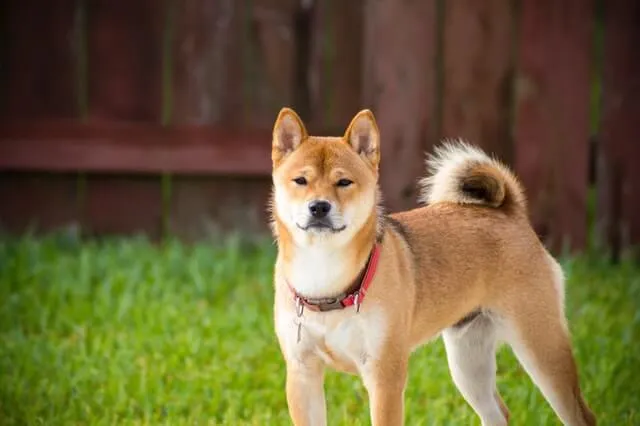
Akita
Health grade CThe Akita is a dignified, extremely loyal primitive dog breed—bred as an independent hunter of big game and a fearless guardian in feudal Japan. This genetic independence makes him a partner who questions commands rather than following them blindly.
- Height58–70 cm
- Weight32–50 kg
- Life expectancy10–15 yrs
- Puppy price1,500–3,000 €
- Energy4/5
The Essentials at a Glance
The Akita is a dignified, extremely loyal primitive dog breed—bred as an independent hunter of big game and a fearless guardian in feudal Japan. This genetic independence makes him a partner who questions commands rather than following them blindly.
- Health grade C: The Akita is a robust breed by nature, but it requires an above-average number of mandatory health tests, particularly regarding the eyes.
- You are confident, calm, and absolutely consistent in your leadership—pressure or loud harshness will cause this proud dog to become stubborn immediately.
- You are looking for an extremely loyal companion and don't mind that he won't joyfully greet every stranger who visits.
- You plan on regular visits to the dog park—Akitas often do not tolerate other dogs around them, especially those of the same sex.
Is the Akita right for you?
At a glance
Akita overview
The essentials — key facts, traits, and health priorities — before you dive deeper.
Health grade
Relative to other breeds
S
A
B
C
D
E
Very healthyHigher risk
Average — several important tests are expected.
See full health info & tests →
Note: This health overview is AI-assisted and editorially reviewed. It is for orientation only and does not replace veterinary advice.
Lifespan
10–15 yrs
Height
58–70 cm
Weight
32–50 kg
Practical
- Puppy price: 1,500 – 3,000 €
- Coat: Dense, straight, undercoat
- Origin: Japan
Temperament
Energy
Trainability
Family fit
With kids
Daily life
Care effort
Shedding
Barking
City-friendly
Guard instinct
What matters most
Especially with a Akita, choosing the right breeder is the single most important decision you'll make. Serious breeders consistently test the parents for inherited conditions, prioritize healthy early socialization, and stay accountable long after handover. A cheap puppy without health screening tends to become the most expensive dog later on.
See HonestDog breeder standards →Colors & coat
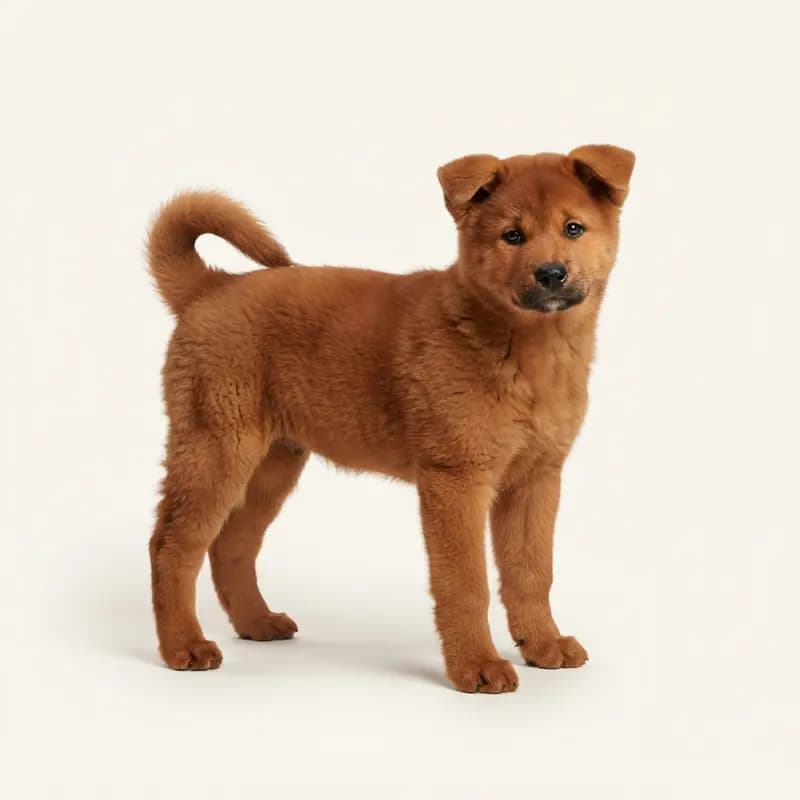
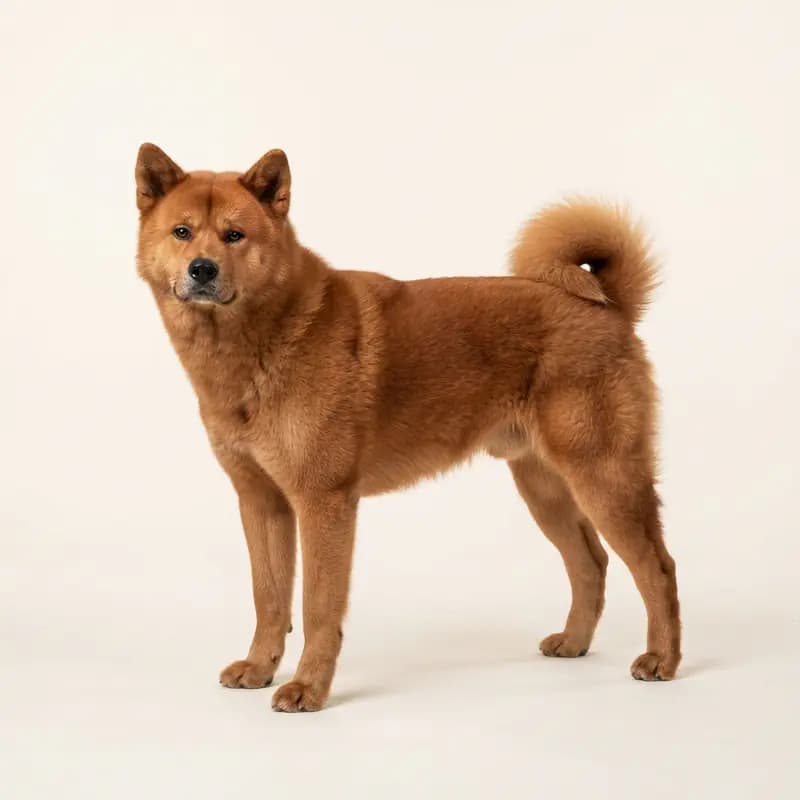
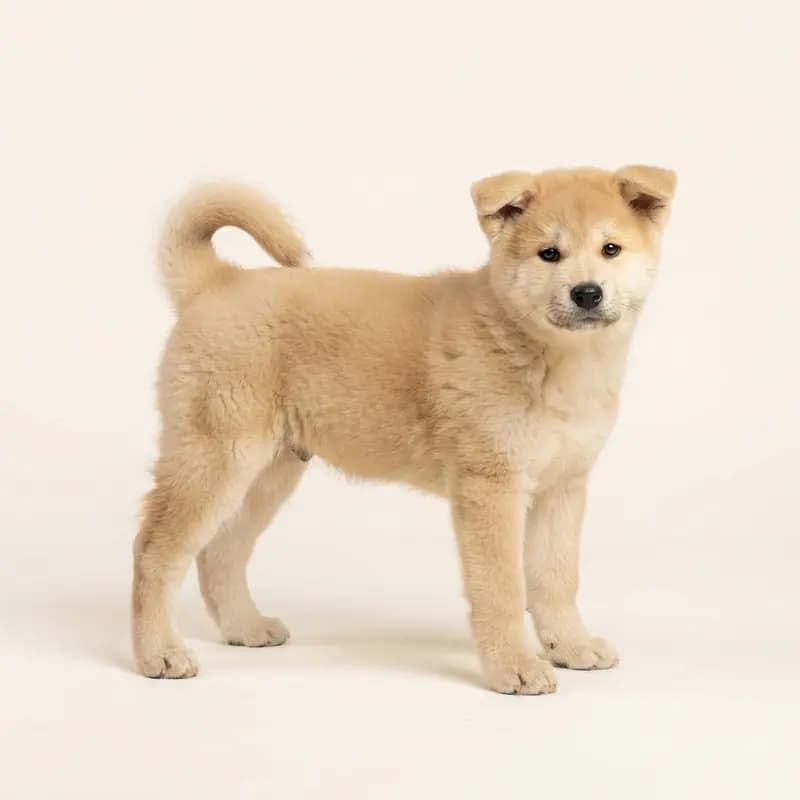
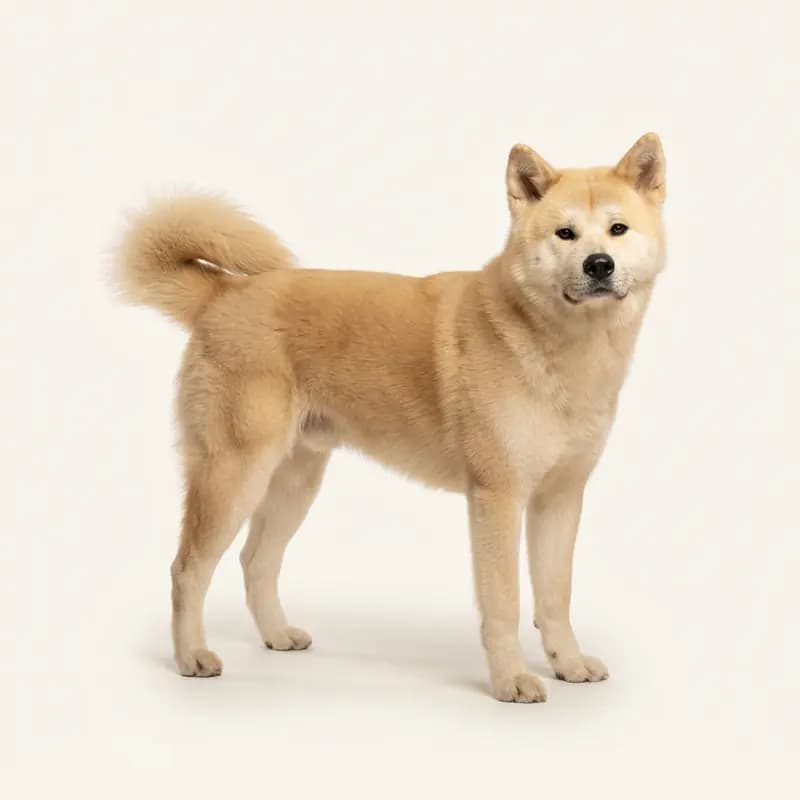
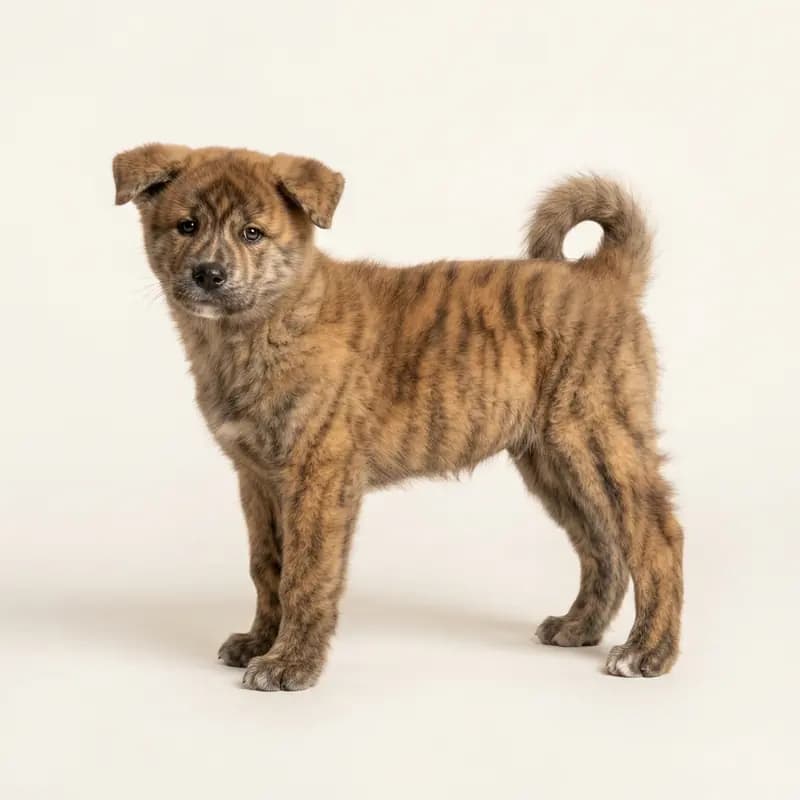
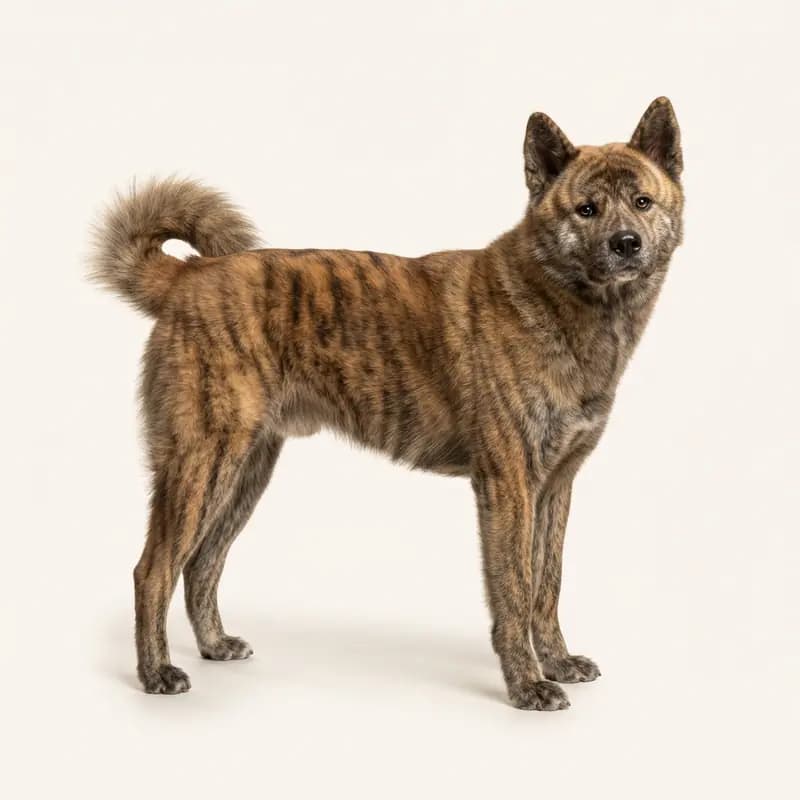
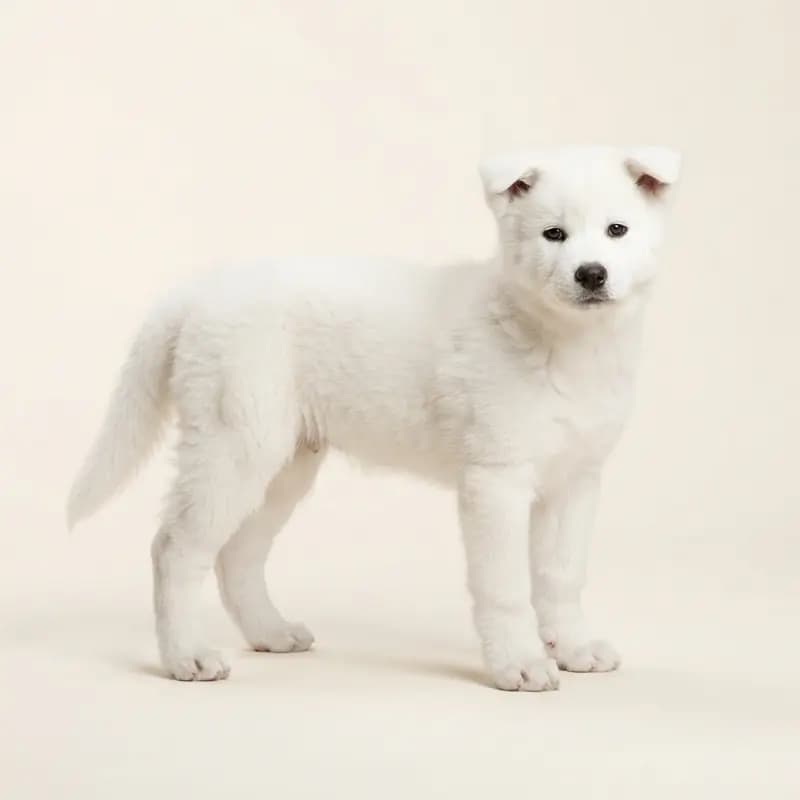
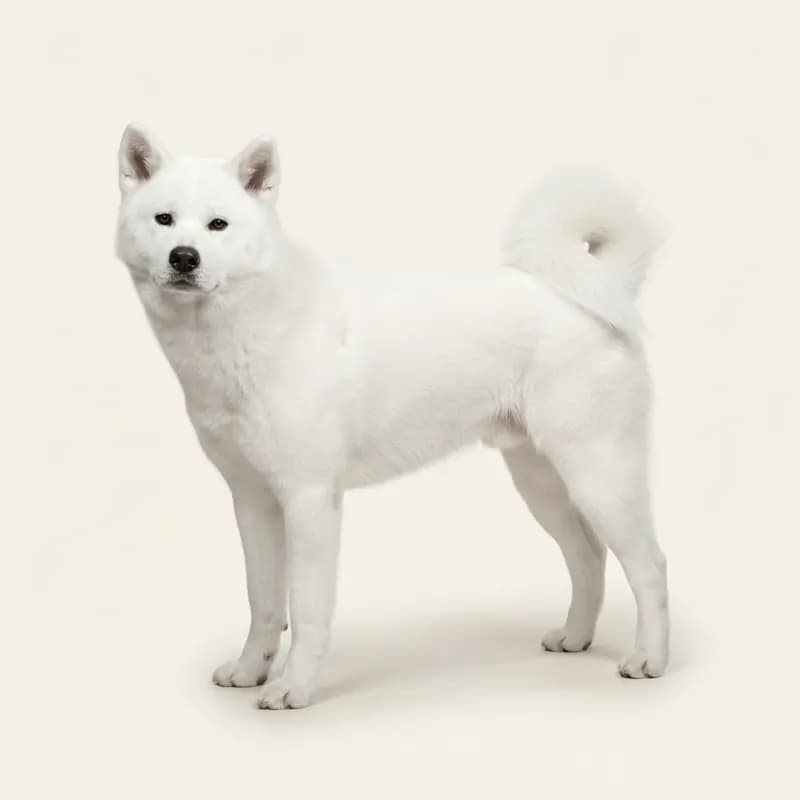
What colors does the Akita come in?
The coat colors you will see in Akita litters — including which ones fall outside the breed standard and which carry genetic risk.
Eye colors
 Brown
Brown
Coat type
 Short
Short Double coat
Is the Akita right for you?
The Akita is a dignified, extremely loyal primitive dog breed—bred as an independent hunter of big game and a fearless guardian in feudal Japan. This genetic independence makes him a partner who questions commands rather than following them blindly.
Perfect for you if:
- You are confident, calm, and absolutely consistent in your leadership—pressure or loud harshness will cause this proud dog to become stubborn immediately.
- You are looking for an extremely loyal companion and don't mind that he won't joyfully greet every stranger who visits.
- You value mental stimulation and quiet walks in his territory rather than expecting him to mindlessly fetch balls—he manages his own energy levels.
- You can offer a house with a securely fenced garden where he can live out his innate role as a silent guardian.
Less ideal if:
- You plan on regular visits to the dog park—Akitas often do not tolerate other dogs around them, especially those of the same sex.
- You expect immediate, blind obedience—his hardware requires that a task must make sense to him before he acts.
- You live in a household with constantly changing visitors that a territorial primitive dog has to re-evaluate every single time.
The real vibes check
An Akita is not a classic command-follower, but a dignified partner who gives you his respect once you have earned it. If you try to force him, he will mentally check out—but if he chooses you, he will stand unshakeably and quietly between you and the rest of the world.
Self-check
Would the Akita really fit your life?
Answer 6 quick questions about your everyday life and see how well the Akita fits you — including an honest cost estimate per month, per year, and across the dog's lifetime.
Fit checkCost estimateRisk dice
Takes about 1 minute · free & anonymous
Breed Profile
The Akita is an impressive breed of dog, known for its strong presence and proud demeanor. An adult Akita can reach a considerable size and weight, which, combined with its thick, straight coat, gives it a majestic appearance. The breed belongs to FCI Group 5, the Spitz and Urtyp dogs. There are two different types of the breed, the Japanese Akita Inu and the American Akita, each with their unique characteristics and characteristics. In general, however, Akitas are powerful, robust dogs with a distinctive, thick coat that protects them from the harsh weather conditions of their native Japan.
All measurements in detail
- Height
- 58 - 64 cm (Female), 64 - 70 cm (Male)
- Weight
- 32 - 45 kg (Female), 35 - 50 kg (Male)
- Life Expectancy
- 10 - 15 yrs
- Character
- Proud, Alert, Loyal
- Coat
- Dense, straight, undercoat
- Coat Color
- Red, Brindle, White
- Price
- 1500 - 3000 €
Character & Temperament
Akitas are known for their proud and independent nature. They are very loyal and have a strong bond with their family, making them excellent companion dogs. Akitas tend to be somewhat reserved and aloof around strangers, but they are extremely loyal and loving to their owners. Despite their size and strength, Akitas are generally calm and even-tempered dogs. They are not hyperactive and do not require as much exercise as other breeds their size. However, a balanced mix of mental and physical stimulation is important to have a healthy and happy Akita. They enjoy long walks and playtime, but they are also content just being near their family. Akitas are intelligent dogs and can quickly learn to stay alone if properly trained and socialized from an early age. But they are not dogs that should be left alone for long periods of time. They are very family oriented and prefer to be with their people. Despite their hunting history, Akitas generally do not have strong hunting or prey-catching behaviors. However, they can be cautious and alert around other animals, especially if they don't know them. Early and consistent socialization is therefore essential to ensure that they get along well with other pets and dogs. When it comes to their alertness, Akitas make excellent watchdogs. They are very attentive and vigilant and will reliably guard their family and home. They are not excessive barkers but will bark when they sense a threat or danger. Their size and imposing appearance can be intimidating, but they are not aggressive dogs and will only act if they believe their family is in danger.
| Trainability Has its own ideas and will test limits. | Strong-willed |
| Watchfulness Strong territorial instinct — may actively confront intruders. | Very high |
| Openness to Strangers Careful around unfamiliar people — thaws slowly. | Cautious |
| Hunting or Herding Drive Noticeable drive — needs attention around small animals. | Moderate |
Fun Fact!
A fun fact about the Akita breed is that they are considered a national monument in their native Japan and there is even a statue of Hachiko, a famous Akita known for his exceptional loyalty, at Shibuya Station in Tokyo.
What Awaits You
Akitas are considered dogs that are difficult to train. They are independent, have a great passion for hunting and have little interest in other dogs. They are more like only dogs and need training with a lot of dog sense.
Housing & Care
Akitas can be kept in the city provided they receive adequate exercise and mental stimulation. They are calm dogs and adapt to apartment life as long as their needs are met. Despite their size, Akitas tend to be calm and balanced indoors. They generally get along well with children, especially if they have grown up with them from a young age. However, they are large, powerful dogs and can be boisterous when playing, so their interaction with small children should always be supervised. As for other pets, Akitas can get along with other animals provided they have been properly socialized. However, they have a strong prey drive and smaller animals could be viewed as prey, so caution is advised.
- Family Friendly
Loves family life and thrives in a group.
Family-oriented - Child Friendly
Gets on well with children — with adult supervision.
With supervision - Dog Friendly
Usually gets on fine with other dogs.
Generally tolerant - City Friendly
City-appropriate with enough exercise and stimulation.
Manageable in cities
Owning a dog is a privilege, but it's also a real responsibility. Before you bring one into your life, be honest with yourself about the commitment it takes.
Training & Education
Raising an Akita can be challenging as they are an independent and sometimes stubborn breed. It is important that training starts early and continues consistently. Akitas are intelligent and trainable, but they are not easy dogs to train. They need an owner who is willing and able to invest the time and commitment into their training. Akitas can have a tendency to be "ball junkies." to become. Therefore, it is important to make sure they have a variety of activities and are not just fixated on one type of game or activity. An Akita will benefit from tasks that challenge both his body and his mind. Agility, obedience training, and even search and rescue work can be good activities for an Akita. It is important for an Akita to learn to tolerate frustration and develop impulse control. This can be achieved through various exercises and games aimed at developing these skills. Akitas can also tend to be territorial, so it's important to teach them how to respond appropriately to strangers and new situations.
Nutrition & Care
Akitas are large, active dogs and therefore require a balanced, nutrient-rich diet. A combination of high-quality dry food and fresh ingredients such as meat, vegetables and fruit can be a good basis for your Akita's diet. It is important to control the amount of food to avoid obesity, as this can put strain on the joints and increase the risk of certain health problems. Caring for an Akita is relatively straightforward. They have a dense undercoat and a straight top coat that should be brushed regularly to prevent tangles and remove dead hair. During the coat change, which usually takes place twice a year, they shed heavily and then require more care. In Germany the breed copes well with the climate; Their thick fur protects them from both cold and heat. However, at very high temperatures, care should be taken not to overheat.
| Care Level Regular brushing and occasional professional grooming. | Moderate |
| Exercise Needs Needs several hours of serious exercise every day. | Very active |
| Shedding Hair everywhere, always — no white clothing survives. | Very heavy |
| Trainability Has its own ideas and will test limits. | Strong-willed |
Our experts are still reviewing this information. Spotted something wrong? Email us at info@honestdog.de.
Health & hereditary diseases
Health
C
Solid, watch carefully
Health grade
The Akita is a robust breed by nature, but it requires an above-average number of mandatory health tests, particularly regarding the eyes. Conditions such as glaucoma and cataracts require regular screenings to prevent vision loss. Additionally, hip dysplasia (HD) is a known risk in this large breed, which is why prospective buyers should always insist on seeing certified X-ray results for the parent dogs.
Grade is relative to other breeds — AI-assisted and editorially reviewed.
In daily life this can mean
You should focus on maintaining a healthy weight, joint-friendly rearing, and monitoring for early changes in his skin or eyes so that any issues can be identified quickly.
The breeder's role
Reputable breeders have the parents' hips and eyes tested and are familiar with the autoimmune issues in their lines in order to reduce avoidable risks.
Note: This health overview is AI-assisted and editorially reviewed. It is for orientation only and does not replace veterinary advice.
No Health Tests Available
No specific health tests are currently available for this breed.
Costs & where to find one
How much does a Akita cost?
A Akita costs around ~€210 per month (€110 – €400, depending on your setup). The first year adds up to roughly ~€5,590 including purchase, equipment and puppy school; across the dog's life (12.5 years) it comes to about ~€34,500.
With surgery cover, running costs come to about ~€210 per month — in return, your share of a major operation drops from several thousand euros to around 20 percent.
Per month
~€210
In the first year
~€5,590
Across the dog's life
~€34,500
Purchase from a breeder: €1,500 – €3,000
Estimate at a mid-range setup (suburban, dry food, 1–2 hours of daily exercise), average German prices, as of July 2026.
Calculate your personal costs1-minute self-check with your own answers
Looking for a Akita?
Appearance, variants & origin
History
The full history
The history of the Akita goes back thousands of years and is deeply rooted in Japanese culture. The breed originally comes from Akita Prefecture in northern Japan, where they were used as hunting dogs for large game such as bears, wild boars and deer. Their strength, courage and endurance made them valuable hunting companions. The Akita breed was officially recognized as a Japanese natural monument in 1931 and defined as a separate breed in 1934. The breed was almost extinct during World War II, but was revived thanks to the efforts of dedicated breeders and enthusiasts. One of the most famous Akitas is Hachiko, a loyal dog celebrated in Japan for his unwavering loyalty to his late owner. Hachiko waited for his deceased owner at a train station every day for nine years until he died himself. His story has made the breed known worldwide and increased its popularity.
Original Use
Originally bred as a hunting and guard dog, the Akita is known for its loyalty and courageous character.
Origin
Japan
Date
Antike
Owner experiences
What owners say about the Akita
Zusammengefasst aus öffentlich geteilten Halter-Erfahrungen
Im Alltag und im Zusammenleben mit der Familie beschreiben viele Halter den Akita als einen faszinierenden, aber auch sehr speziellen Begleiter. In den eigenen vier Wänden wird die Rasse übereinstimmend als extrem ruhig, sauber und fast katzenartig beschrieben. Viele Besitzer berichten, dass ihre Hunde kaum bellen und sich im Haus unaufdringlich verhalten. Sie suchen zwar die Nähe ihrer Menschen, fordern Aufmerksamkeit aber selten lautstark ein.
Die große Herausforderung im Alltag liegt jedoch außerhalb des eigenen Reviers. Zahlreiche Halter berichten in Foren von einer ausgeprägten Unverträglichkeit gegenüber anderen Hunden, insbesondere bei gleichgeschlechtlichen Artgenossen. Zudem sorgt die imposante, aufrechte Statur und die hoch getragene Rute des Akitas im Alltag oft für Missverständnisse: Andere Hunde reagieren häufig gestresst oder aggressiv auf die Körpersprache des Akitas, was Spaziergänge für die Besitzer nervenaufreibend machen kann. Ein entspanntes Mitlaufen im turbulenten Alltag oder der Besuch von Hundewiesen ist mit den meisten Akitas daher kaum möglich.
Zusammengefasst aus öffentlich geteilten Halter-Erfahrungen
In Erziehungsfragen sind sich erfahrene Halter einig: Der Akita ist kein Hund, der Befehle blind befolgt. Er gilt als extrem eigenwillig, stolz und stur. Viele Besitzer betonen, dass klassische Unterordnungsübungen oder ständige Wiederholungen bei dieser Rasse schnell zu Motivationsverlust führen. Ein Akita hinterfragt Kommandos auf ihren Sinn und kooperiert nur, wenn eine tiefe, auf gegenseitigem Respekt basierende Bindung zum Halter besteht.
Ein wiederkehrendes Thema in Erfahrungsberichten ist das Scheitern herkömmlicher Hundeschulen. Viele Trainer, die auf Kadavergehorsam oder Druck setzen, stoßen beim Akita an Grenzen oder verschlimmern das Verhalten sogar. Halter berichten, dass Druck oft mit absolutem Widerstand oder defensiver Aggression beantwortet wird. Gefragt sind stattdessen absolute Konsequenz, viel Geduld und eine ruhige, souveräne Führung ohne Härte. Auch der rassetypische Jagd- und Schutztrieb erfordert von Anfang an ein vorausschauendes Management.
Zusammengefasst aus öffentlich geteilten Halter-Erfahrungen
Beim Thema Gesundheit weisen betroffene Halter in Foren und Rassegruppen immer wieder auf spezifische, teils schwere Autoimmunerkrankungen hin, für die der Akita genetisch prädisponiert ist. Besonders gefürchtet sind die Sebadenitis (SA), eine entzündliche Zerstörung der Talgdrüsen, die zu massivem Haarausfall, Schuppenbildung und Hautinfektionen führt, sowie das Vogt-Koyanagi-Harada-Syndrom (VKH), welches schmerzhafte Augenentzündungen bis hin zur Erblindung und Pigmentverlust verursacht.
Viele Halter beschreiben den Weg zur Diagnose als langwierig, da die Symptome anfangs oft mit gewöhnlichen Allergien verwechselt werden. Die Pflege eines betroffenen Hundes ist intensiv und erfordert oft lebenslange Behandlungen mit Immunsuppressiva, speziellen Ölbädern oder Futterumstellungen. Neben diesen schweren Erkrankungen berichten Besitzer zudem von einer gewissen Anfälligkeit für Schilddrüsenunterfunktionen (Hypothyreose), die sich auch im Verhalten des Hundes widerspiegeln kann, sowie von rassetypischen Problemen mit dem Bewegungsapparat wie Hüftdysplasie.
Paraphrased from real owner reports
Loading owner stories
Community Posts
FAQ & more
Frequently asked questions about the Akita
Is a Akita the right dog for me?
The Akita is an active dog that needs plenty of exercise and mental stimulation. Research the temperament, grooming needs, and space requirements before deciding.
How long does a Akita live?
The average life expectancy of a Akita is 10-15 years. With proper care and regular vet visits, your dog can live a long, healthy life.
How much grooming does a Akita need?
Akita grooming requirements include regular brushing, nail trimming, and dental care. HonestDog provides detailed grooming tips for every breed.
Is a Akita good for families with children?
The Akita can be a great family dog. Proper training and socialization are key. HonestDog provides family suitability information for every breed.
What colors does the Akita come in?
The Akita comes in these colors: Red, Fawn, Brindle, White.
Loading related articles
Are you a Akita breeder?
Showcase your kennel on HonestDog and reach families searching for a responsibly bred Akita.
Why HonestDog?
What makes HonestDog different from other platforms
Full transparency
We lay out what we have: who the breeder is, how they work, and any health records they've uploaded. So you can judge for yourself.
Responsible breeding, assured
Every breeder on HonestDog has their identity and documents checked before their profile goes live. Health records they upload are shown on the profile, so you can see exactly what has been tested.
Trust and verification
We verify breeders and buyers alike, so every conversation happens on solid ground. It's a new standard of trust in dog breeding.
Less hassle, more time
We've already checked the breeders' documents and gathered the details, so you can skip the endless research and focus on finding the right puppy for your family.
Our Mission

We connect dog lovers with responsible breeders and shelters to ensure every dog finds the perfect home.
Founded by dog enthusiasts, our platform focuses on ethical dog breeding and adoption.
Why HonestDog?
We connect you with vetted breeders and shelters so you can find your — your new companion — with confidence.
Vetted Partners
Only verified breeders and shelters — for a safe start.
Highest Standards
Every animal's health and wellbeing is our top priority.
Guides & Resources
Guides, checklists, and breed profiles — so you can make a well-informed decision.