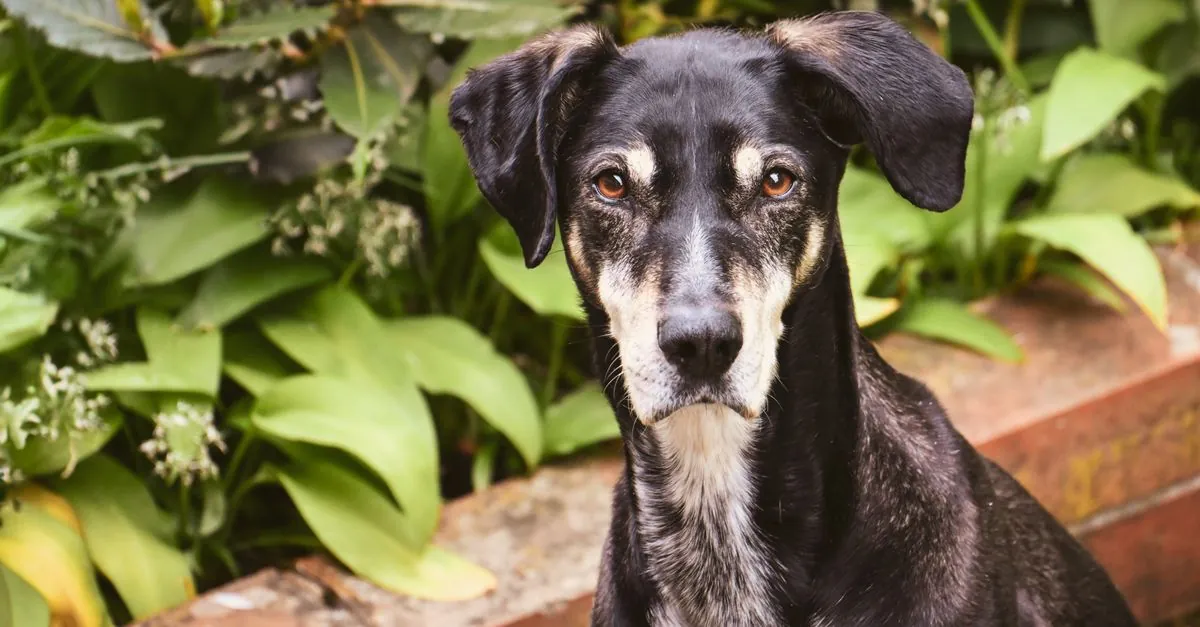
A quiet walk along the scenic forest trails of the Segeberg district in Schleswig-Holstein, with a rescue dog finally regaining trust on the leash after months in a kennel: this scene captures the heart of dog adoption at Tierheim Henstedt-Ulzburg in September 2026. Run by Tierschutz Henstedt-Ulzburg e.V., the shelter on Kirchweg is currently seeing a significant spike in interest. This is driven not only by the usual post-holiday season influx of found and surrendered pets across Germany, but also by targeted local campaigns supporting regional animal welfare. If you're considering giving a rescue dog a new home, you'll encounter a thoughtful rehoming process—and with the right preparation, you can ensure a smooth transition from day one.
Why Tierheim Henstedt-Ulzburg Is in the Spotlight
By late summer, animal shelters regularly push the limits of their capacity, and the facility in Henstedt-Ulzburg is no exception. Designed to house around 12 to 18 dogs alongside dozens of cats and small animals, the shelter in September 2026 is seeing an urgent need for permanent foster homes or sponsors, particularly for senior dogs and pets with special care requirements. Meanwhile, a high-profile regional fundraising and community initiative (including the local "Lust an Zukunft" campaign, with voting running through September 24) has drawn fresh attention across the Hamburg metropolitan region and Schleswig-Holstein.
For prospective pet parents, this visibility is a great opportunity. Animal welfare staff consistently stress the importance of deliberate, well-matched placements rather than impulsive, pity-driven adoptions. If you take the time to understand a dog's specific needs and maintain realistic expectations about everyday training, you'll find an open and supportive team at Tierheim Henstedt-Ulzburg.
How the Dog Rehoming Process Works
If you're planning to drop by spontaneously to browse through the kennel runs, expect to be gently turned away. Henstedt-Ulzburg enforces this boundary for good reason: the shelter never walks casual visitors through the dog wards without an appointment, keeping stress levels as low as possible for the animals in their care.
The standard adoption procedure involves several structured steps:
- Pre-selection & Questionnaire: Prospective adopters review current profiles online and submit an application detailing their living arrangements, dog experience, and daily schedule. You can explore breed traits and temperaments in the HonestDog Breed Guide to find an ideal match.
- Personal Consultation: If your profile fits, the care team schedules an individual consultation. First introductions take place in a quiet outdoor enclosure or during an initial walk on shelter grounds.
- Multiple Visits: Before a final decision is made, you'll typically take several walks together to ensure you and the dog build a solid preliminary bond.
- Home Check and Adoption Contract: Following a successful match and a home visit, your new companion joins your family up to date on vaccinations, microchipped, and protected under a formal adoption contract.
Practical Lifestyle Tips for Welcoming Your Shelter Dog
Once you've been approved to bring home a companion from Henstedt-Ulzburg, the real settling-in phase begins. These field-tested steps will help ensure a calm, structured transition:
1. Follow the 3-3-3 Rule
Shelter dogs go through an emotional adjustment period when entering a new environment. Keep your expectations aligned with this proven timeline:
- The First 3 Days: Minimize sensory overload. Avoid visits from friends or neighbors, set up dedicated quiet sleeping areas, and stick to short potty walks using double leashing for safety.
- The First 3 Weeks: Establish a predictable daily rhythm for feeding and walking. Your dog will begin to understand that this is home, though they may also start testing boundaries.
- The First 3 Months: True personality and habitual behaviors emerge. Only now is the foundation of trust solid enough to tackle focused, advanced training. For more in-depth advice on settling in and building trust, explore the guides in the HonestDog Education Hub.
2. Create a Safe Haven, Not Constant Stimulation
Dogs that have spent extended periods in a kennel environment often need to relearn how to rest. Set up a supportive orthopedic dog bed in a calm corner—away from busy hallways or floor-to-ceiling street-facing windows. Long-lasting natural chews or stuffed enrichment mats can provide healthy stress relief through repetitive chewing and licking.
3. Volunteer Dog Walking: A Gentle Starting Point
Can't adopt right now but still want to support Tierheim Henstedt-Ulzburg? The shelter regularly trains and welcomes reliable volunteer dog walkers. It's a rewarding way to gain hands-on experience with diverse dog temperaments while providing meaningful support to local rescue efforts.
Responsible Rehoming and Informed Research
Welcoming a shelter pet is a lifelong commitment. For overarching welfare guidelines and minimum housing standards, consult resources from organizations like the Deutscher Tierschutzbund. If you want to review local canine legislation in Schleswig-Holstein, detailed statutory texts are available directly via the State Portal of Schleswig-Holstein.
Whether you're offering a second chance to a rescue dog from Tierheim Henstedt-Ulzburg or researching breeds that fit your lifestyle, HonestDog is here to support you at every stage—with verified expert guides, reputable breeder and welfare contacts, and practical advice for a happy life with your dog.
Frequently Asked Questions (FAQ)
How do I arrange an introduction meeting at Tierheim Henstedt-Ulzburg?
Visits and adoption consultations take place exclusively by prior appointment. You can reach out directly via email or during regular phone consultation hours to speak with the Kirchweg team and schedule a visit.
Can I volunteer to walk dogs at Tierheim Henstedt-Ulzburg?
Yes, the shelter relies on dependable volunteer dog walkers. Requirements include being at least 18 years old, maintaining consistent availability, and completing a brief orientation with the staff to understand each dog's specific behavioral needs and training level.
What fees are involved in the rehoming process?
Adopters pay an adoption fee that partially covers veterinary care, including vaccinations, deworming, microchipping, and neutering where applicable. The exact fee depends on the dog's age, medical profile, and neuter status, and will be outlined clearly during your initial consultation.