Loading breed
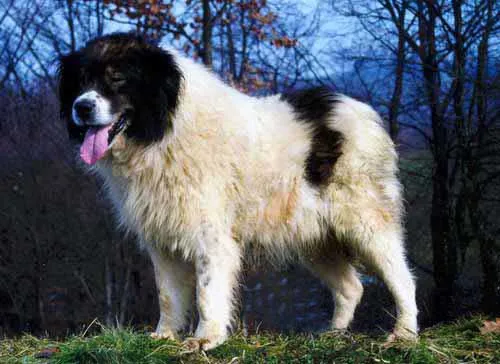
Tornjak
Health grade BThe Tornjak is a massive, incorruptible, and self-reliant Herdenschützer (livestock guardian dog) — bred to defend its flock completely independently against wolves and bears in the rugged mountains of Bosnia and Croatia. It remains calm and composed until it perceives a threat.
- Height60–70 cm
- Weight40–60 kg
- Life expectancy12–14 yrs
- Puppy price1,200–2,500 €
- Energy4/5
The Essentials at a Glance
The Tornjak is a massive, incorruptible, and self-reliant Herdenschützer (livestock guardian dog) — bred to defend its flock completely independently against wolves and bears in the rugged mountains of Bosnia and Croatia. It remains calm and composed until it perceives a threat.
- Health grade B: The Tornjak is considered a robust livestock guardian breed, but due to a lack of specific genetic tests, buyers need to be particularly vigilant.
- You own a large, securely fenced property in the countryside that it can guard — a Herdenschützer without a territory will wither away.
- You have confident experience with territorial dogs and establish leadership through calm presence rather than loud pressure.
- You live in a densely populated neighborhood or city — its job is to report anomalies and keep strangers at a distance, which will inevitably lead to conflicts.
Is the Tornjak right for you?
At a glance
Tornjak overview
The essentials — key facts, traits, and health priorities — before you dive deeper.
Health grade
Relative to other breeds
S
A
B
C
D
E
Very healthyHigher risk
Solid — a handful of items a good breeder watches.
See full health info & tests →
Note: This health overview is AI-assisted and editorially reviewed. It is for orientation only and does not replace veterinary advice.
Lifespan
12–14 yrs
Height
60–70 cm
Weight
40–60 kg
Practical
- Puppy price: 1,200 – 2,500 €
- Coat: Long, dense, undercoat
- Origin: Bosnia and Herzegovina, Croatia
Temperament
Energy
Trainability
Family fit
With kids
Daily life
Care effort
Shedding
Barking
City-friendly
Guard instinct
What matters most
Especially with a Tornjak, choosing the right breeder is the single most important decision you'll make. Serious breeders consistently test the parents for inherited conditions, prioritize healthy early socialization, and stay accountable long after handover. A cheap puppy without health screening tends to become the most expensive dog later on.
See HonestDog breeder standards →Colors & coat
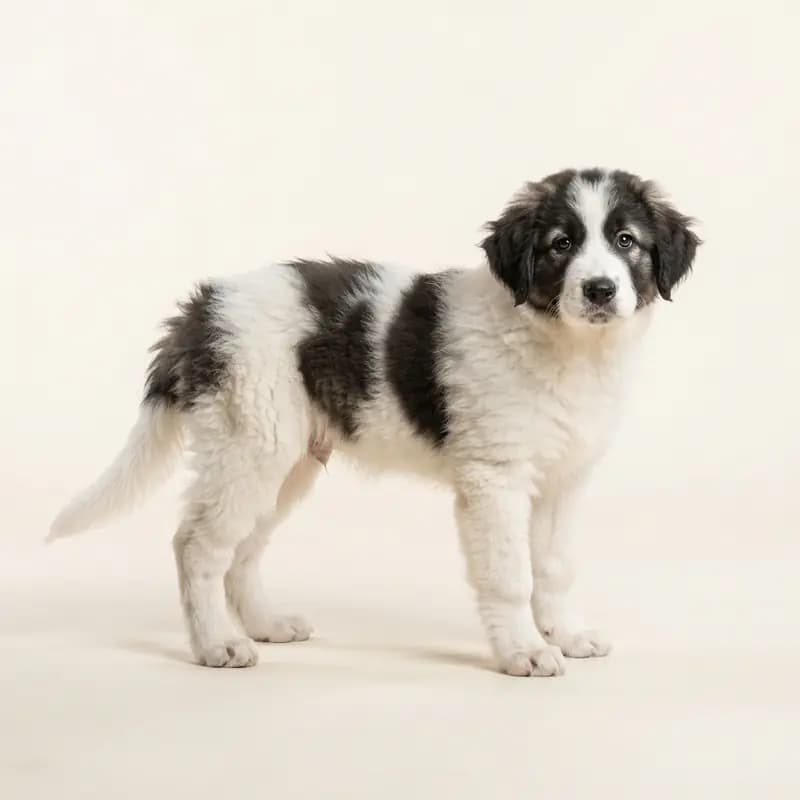
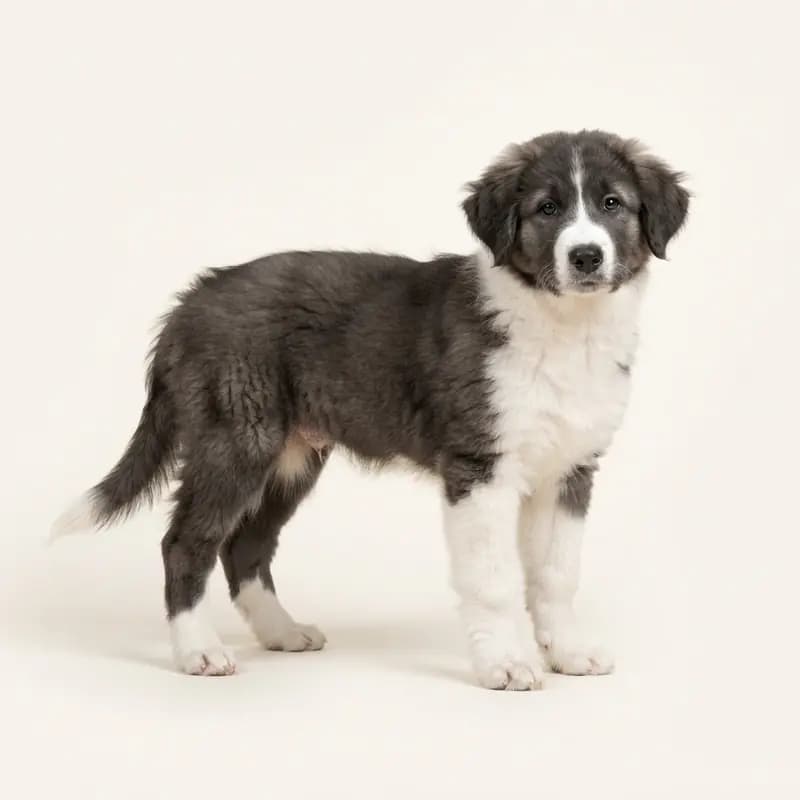
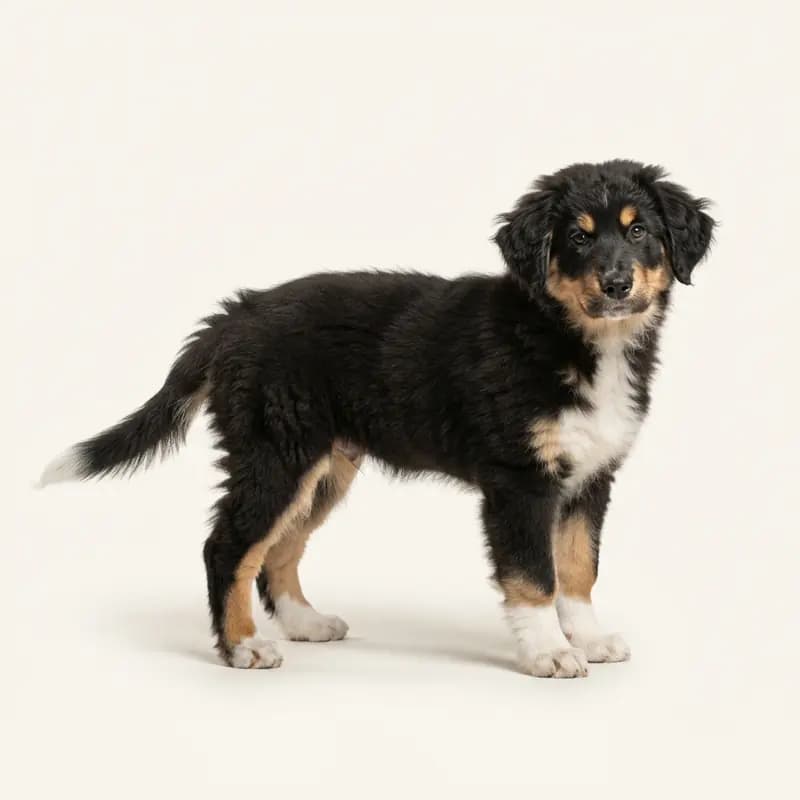
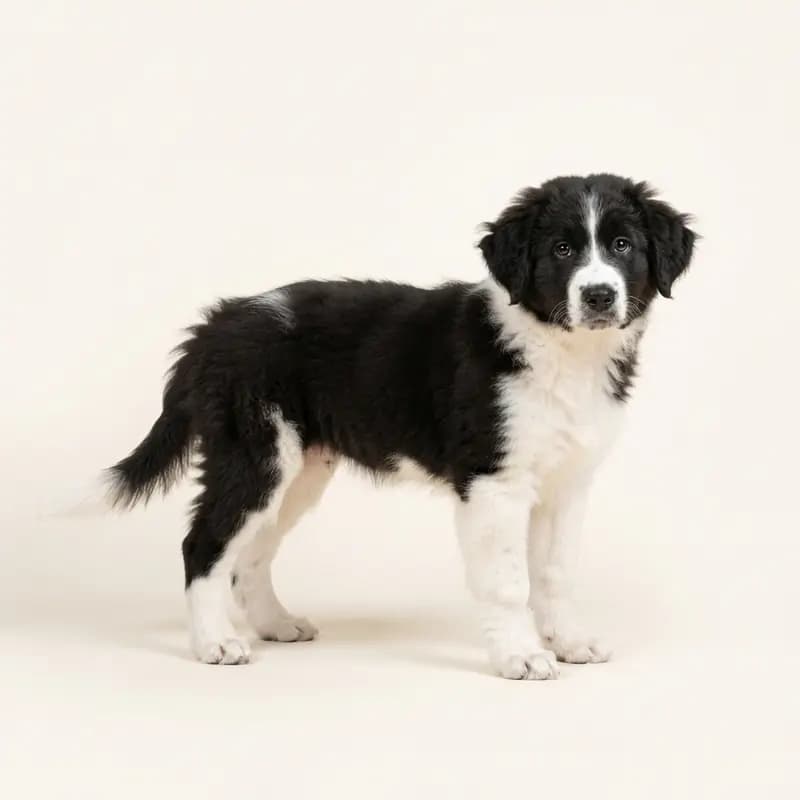
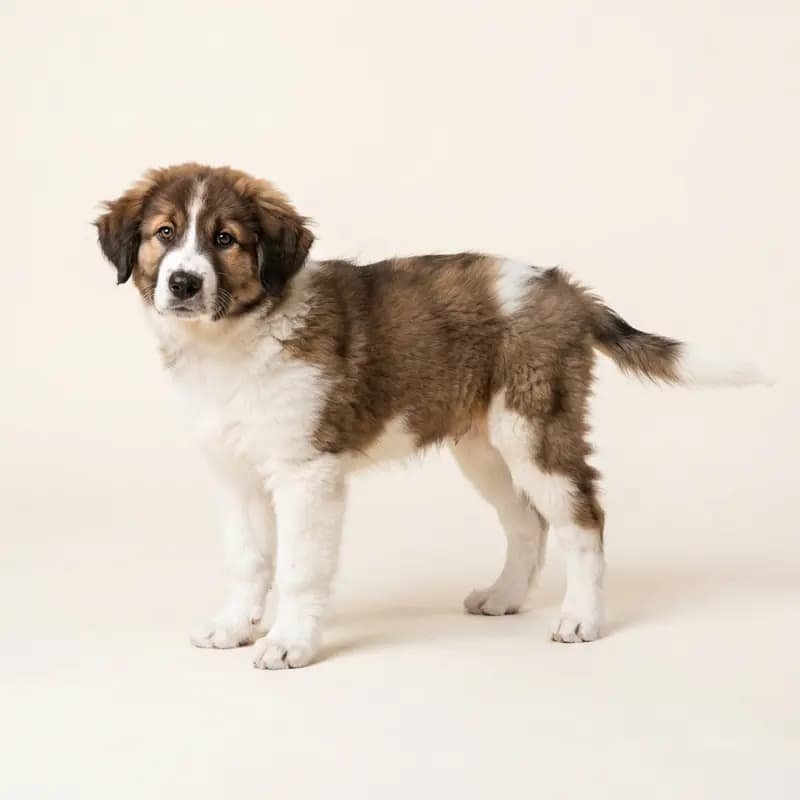
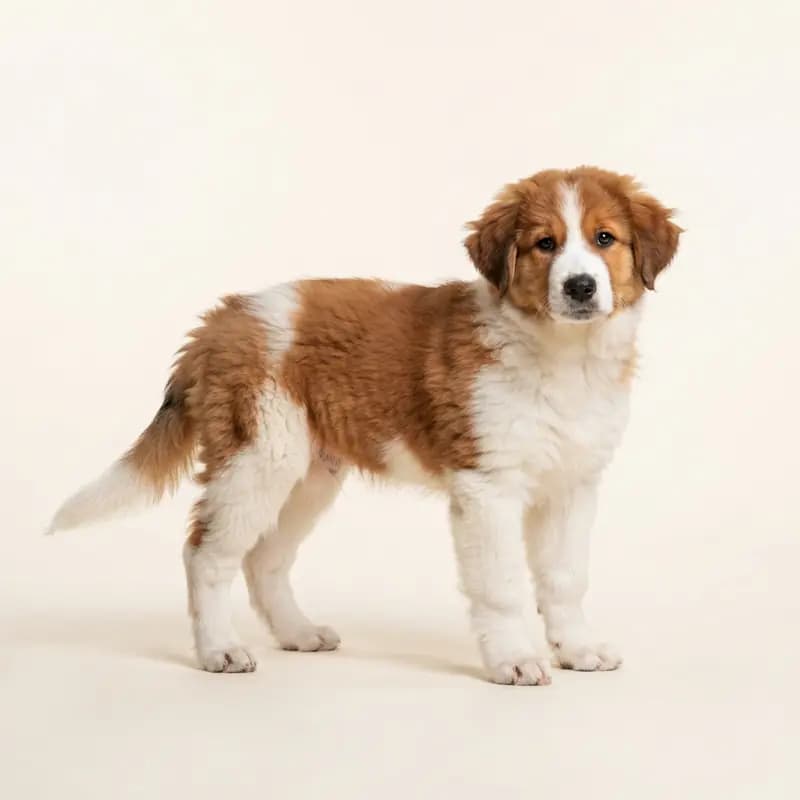
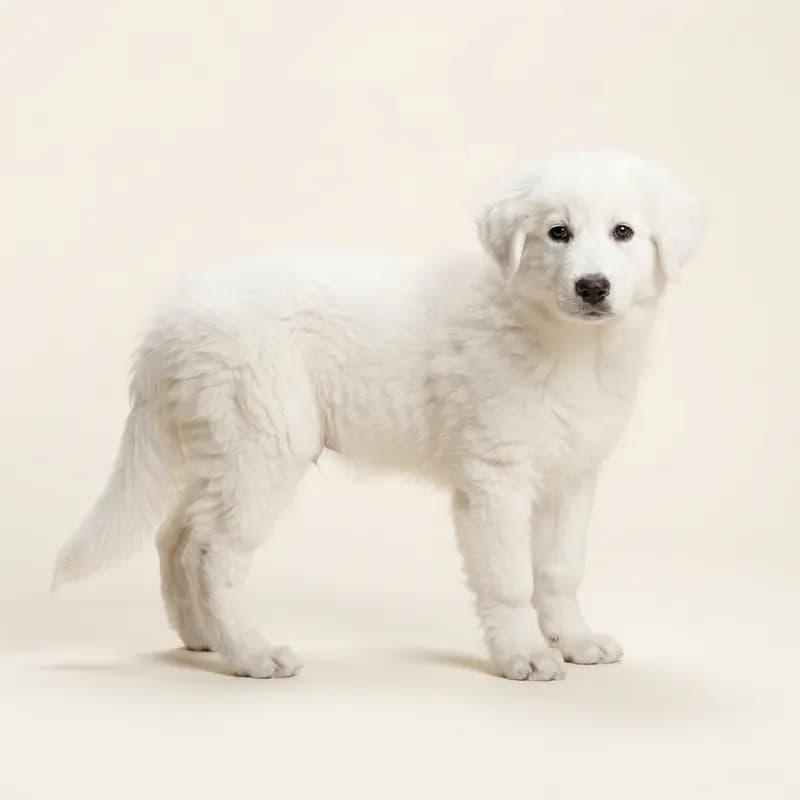
What colors does the Tornjak come in?
The coat colors you will see in Tornjak litters — including which ones fall outside the breed standard and which carry genetic risk.
Eye colors
 Brown
Brown
Coat type
 Long
Long Double coat
Is the Tornjak right for you?
The Tornjak is a massive, incorruptible, and self-reliant Herdenschützer (livestock guardian dog) — bred to defend its flock completely independently against wolves and bears in the rugged mountains of Bosnia and Croatia. It remains calm and composed until it perceives a threat.
Perfect for you if:
- You own a large, securely fenced property in the countryside that it can guard — a Herdenschützer without a territory will wither away.
- You have confident experience with territorial dogs and establish leadership through calm presence rather than loud pressure.
- You are looking for a weather-resistant companion for long, relaxed patrol walks, rather than a motivated canine athlete for agility or fetching.
- You value a loyal family guardian who loves its own people dearly but has no interest in constant contact with strangers.
Less ideal if:
- You live in a densely populated neighborhood or city — its job is to report anomalies and keep strangers at a distance, which will inevitably lead to conflicts.
- You expect unconditional obedience at the push of a button — it has been selected over centuries to make decisions completely independently and without consultation in critical situations.
- You run an open house with constantly changing guests and spontaneous visits from children that the dog is expected to greet joyfully and in a relaxed manner.
The real vibes check
A Tornjak is not a classic follower of commands, but rather a business partner for security matters on your property. It may appear to be sleeping and uninterested in the yard, but its radar is always on — and if it decides that a situation is serious, it will not ask for your permission to intervene. You get a deeply loyal protector, but you must accept that it always views the world through the lens of potential danger.
Self-check
Would the Tornjak really fit your life?
Answer 6 quick questions about your everyday life and see how well the Tornjak fits you — including an honest cost estimate per month, per year, and across the dog's lifetime.
Fit checkCost estimateRisk dice
Takes about 1 minute · free & anonymous
Breed Profile
The Tornjak is a large and powerful dog with a remarkable aura of strength and calm. Its appearance is robust and rustic, with a thick and long coat that protects it from the extreme weather conditions of its homeland. The body structure is harmonious and well proportioned, with strong bones and well-developed muscles. The Tornjak is a representative of Group 2, Section 2.2 of the FCI classification, which includes mountain dogs. He is a herding dog through and through, and his natural instincts and skills as a livestock guardian dog are still strong. There are no official differences between performance and show lines in this breed.
All measurements in detail
- Height
- 60 - 65 cm (Female), 65 - 70 cm (Male)
- Weight
- 40 - 50 kg (Female), 45 - 60 kg (Male)
- Life Expectancy
- 12 - 14 yrs
- Character
- Loyal, calm, vigilant
- Coat
- Long, dense, undercoat
- Coat Color
- Varies greatly, often two-colored or multi-colored
- Price
- 1200 - 2500 €
Character & Temperament
The Tornjak is known for its calm and balanced temperament. As a livestock guard dog, he is naturally vigilant and has a strong protective instinct. He is extremely loyal to his family and will defend them resolutely if necessary. At the same time, Tornjaks are usually very people-oriented and affectionate. They enjoy the company of their humans and form strong bonds with them. Despite their size and strength, they are usually very gentle and patient, making them good family dogs. Tornjaks are generally not hyperactive , but they need enough exercise and mental stimulation to stay happy and balanced. Their intelligence and work ethic make them good candidates for various dog sports and other activities where they can demonstrate their skills. Thanks to their independent nature, Tornjaks can learn to stay alone provided they are properly prepared and given adequate exercise and attention when their humans are at home. Tornjaks typically do not tend to exhibit strong hunting or prey-catching behavior. Traditionally, their job was to guard and protect the herd, not to hunt. However, individual differences can exist and some Tornjaks may have hunting instincts. Despite their generally calm nature, Tornjaks are very alert and have a keen alertness. They are always alert to their surroundings and ready to intervene if necessary. This, along with their size and imposing appearance, makes them effective guard dogs. When dealing with other dogs and animals, Tornjaks are generally peaceful and even-tempered. They generally get along well with other dogs, especially if they have been well socialized from an early age. Although they are quiet and gentle in nature, one should never forget that Tornjaks are a large and powerful breed, and their upbringing should take this into account. They need clear and consistent leadership in order to grow into well-behaved and well-balanced dogs. Despite their size and strength, Tornjaks are generally very gentle and patient with children. They tend to be very tolerant and forgiving, and they can make wonderful playmates for children, provided interactions are always supervised and children have been instructed on how to interact respectfully and safely with dogs. Because Tornjaks have traditionally been used as livestock guardian dogs, they are used to interacting with a variety of animals. They are usually tolerant of other pets, including cats, especially if they are used to them from an early age. Like all dogs, Tornjaks need proper socialization and training to become well-adjusted and sociable dogs. They should have lots of positive experiences with different people, dogs and situations from an early age to ensure that they grow to see the world around them as a safe and interesting place.
| Trainability Has its own ideas and will test limits. | Strong-willed |
| Watchfulness Strong territorial instinct — may actively confront intruders. | Very high |
| Openness to Strangers Careful around unfamiliar people — thaws slowly. | Cautious |
| Hunting or Herding Drive Powerful instinct that can override recall when triggered. | Strong |
Fun Fact!
The Tornjak is a very ancient breed that can be traced back to the 9th century. They were used to guard herds in the mountainous regions of Bosnia and Croatia and are known for their impressive loyalty and strong protective instincts!
What Awaits You
The Tornjak is a livestock guard dog. These dogs are also not suitable for the city or for beginners.
Housing & Care
The Tornjak is a calm and balanced dog that lives well in a family can. He is patient and gentle with children, but should always be supervised. Because the Tornjak is a livestock guardian dog, it can also get along well with other pets, including cats, as long as it has been properly socialized. However, Tornjaks are large and active dogs that require plenty of exercise and mental stimulation. You can live in the city, but need enough exercise every day and are happy to have a garden to run around in. Tornjaks are not suitable dogs for a small apartment or people looking for a quiet, low-energy dog.
- Family Friendly
Loves family life and thrives in a group.
Family-oriented - Child Friendly
Gets on well with children — with adult supervision.
With supervision - Dog Friendly
Usually gets on fine with other dogs.
Generally tolerant - City Friendly
Can manage in the city, but only with very active owners.
Difficult in cities
Owning a dog is a privilege, but it's also a real responsibility. Before you bring one into your life, be honest with yourself about the commitment it takes.
Training & Education
Tornjaks are intelligent and trainable dogs. However, they require consistent and positive training from puppyhood onwards. Your training should be carried out with patience and understanding. Because they have traditionally been used as herding and guard dogs, the Tornjak brings with them a strong protective instinct that must be controlled and properly channeled. They enjoy mental and physical activities. Dog sports such as obedience, agility or specialized guard dog training may be suitable for them to utilize their energy and intelligence. However, be careful not to overuse them. It is equally important to teach them to accept periods of rest and give them enough time to recover.
Nutrition & Care
The Tornjak is an active dog and requires a balanced diet that meets its nutritional needs. Make sure his diet contains high-quality protein to support his muscle health. Always consider your dog’s age, size and activity level. If you are unsure, please speak to your veterinarian. Caring for the Tornjak is relatively easy, but requires a certain amount of regularity. They have a dense, long coat with an undercoat that protects them from extreme weather conditions. The coat should be brushed regularly to prevent matting and promote skin health. This can lead to seasonal hair loss, which requires more intensive care.
| Care Level Regular brushing and occasional professional grooming. | Moderate |
| Exercise Needs Needs several hours of serious exercise every day. | Very active |
| Shedding Hair everywhere, always — no white clothing survives. | Very heavy |
| Trainability Has its own ideas and will test limits. | Strong-willed |
Our experts are still reviewing this information. Spotted something wrong? Email us at info@honestdog.de.
Health & hereditary diseases
Health
B
Solid
Health grade
The Tornjak is considered a robust livestock guardian breed, but due to a lack of specific genetic tests, buyers need to be particularly vigilant. The primary health concerns for this breed are hip dysplasia (HD) and elbow dysplasia (ED), which can only be ruled out through X-ray screenings of the parent dogs. Additionally, due to their impressive size, there is always a risk of acute gastric dilatation-volvulus (GDV).
Grade is relative to other breeds — AI-assisted and editorially reviewed.
In daily life this can mean
You should pay attention to a healthy weight and ensure the dog is raised in a way that is absolutely gentle on the joints, as well as scheduling regular veterinary check-ups for the heart and eyes.
The breeder's role
Reputable breeders have the hips, elbows, eyes, and hearts of the parent animals tested to specifically reduce health risks in the lineage.
Note: This health overview is AI-assisted and editorially reviewed. It is for orientation only and does not replace veterinary advice.
No Health Tests Available
No specific health tests are currently available for this breed.
Costs & where to find one
How much does a Tornjak cost?
A Tornjak costs around ~€230 per month (€120 – €440, depending on your setup). The first year adds up to roughly ~€5,380 including purchase, equipment and puppy school; across the dog's life (13 years) it comes to about ~€37,820.
With surgery cover, running costs come to about ~€230 per month — in return, your share of a major operation drops from several thousand euros to around 20 percent.
Per month
~€230
In the first year
~€5,380
Across the dog's life
~€37,820
Purchase from a breeder: €1,200 – €2,500
Estimate at a mid-range setup (suburban, dry food, 1–2 hours of daily exercise), average German prices, as of July 2026.
Calculate your personal costs1-minute self-check with your own answers
Looking for a Tornjak?
HonestDog Concierge
No verified Tornjak breeders on HonestDog yet
We currently have no breeders for this breed who have passed our verification. Create your short buyer profile: we'll set up your search alert, review a possible source and email you within 28 days.
Appearance, variants & origin
History
The full history
The Tornjak originally comes from Bosnia and Croatia, where it has been used as a herding and protection dog in the mountain regions for centuries. The exact origin of the breed is unknown, but it is mentioned in historical documents as early as the 9th century. The Tornjak is closely related to other mountain and livestock guard dogs in the Balkan region. In the 20th century, the number of Tornjaks declined sharply and the breed was on the verge of extinction. However, efforts to save and revitalize the breed began in the 1970s. Thanks to the work of dedicated breeders and enthusiasts, the Tornjak population has since recovered. The FCI (F"d"ration Cynologique Internationale) recognized the Tornjak as an independent breed in 2007.
Original Use
The Tornjak was used as a livestock guard dog to protect flocks of sheep from predators.
Origin
Bosnia and Herzegovina, Croatia
Date
Mittelalter
Owner experiences
What owners say about the Tornjak
Michael M., Halter aus Niedersachsen (Rüde, seit 2023)
Wir haben unseren Tornjak-Rüden jetzt seit einiger Zeit und draußen im Garten oder in der Garage mit Zugang zum Haus verhält er sich wirklich absolut top. Er ist im Grunde ein total lieber Kerl, extrem wachsam und strahlt eine tolle Ruhe aus, solange er in seinem gewohnten Außenbereich ist.
Das Problem fängt allerdings an, sobald wir mit ihm ins Haus gehen. Da zeigt sich sein ausgeprägter Schutzinstinkt auf eine Weise, die uns im Alltag ziemlich fordert. Wenn wir in einem Raum sind und ein weiteres Familienmitglied kommt dazu, wird er unruhig und zeigt leicht aggressives Verhalten. Auch beim Essen am Tisch springt er sofort auf und reagiert ungemütlich, sobald sich jemand nähert.
Man darf eben nie vergessen, dass in diesen sanften Riesen echte Herdenschutzhunde stecken. Er meint es nicht böse, aber sein Drang, Ressourcen und Räume zu kontrollieren, ist extrem stark. Wir müssen hier sehr konsequent arbeiten, um ihm diese Kontrollschübe im Haus wieder abzugewöhnen.
Marion B., Halterin aus Hessen (Hündin, seit 2008)
Meine Hündin Jule ist ein Tornjak-Mix und mittlerweile im besten Alter. Sie ist extrem territorial, sehr wachsam und Fremden gegenüber erst einmal zurückhaltend, wenn auch nicht unfreundlich. Wer einen klassischen 'Will to please'-Hund sucht, der für Agility brennt, ist hier falsch – Jule hält sich am liebsten im Garten auf und wacht mit stoischer Gelassenheit über ihr Reich.
Eine echte Überraschung war für uns ihr starker Jagdtrieb. Entgegen der typischen Rassebeschreibung ist sie eine sehr ambitionierte Sichtjägerin, bei der wir draußen höllisch aufpassen müssen. Zudem sollte man die Fellpflege nicht unterschätzen: Wenn die Unterwolle im Fellwechsel abgehaart wird, zieht man die Haare büschelweise heraus – das ist wirklich extrem.
Außerdem brauchen diese Hunde sehr lange, um geistig erwachsen zu werden; bei Jule hat es gut drei Jahre gedauert. Gesundheitlich hatten wir zudem mit einer Schilddrüsenunterfunktion zu kämpfen, die sich anfangs durch plötzliches Angstverhalten äußerte, aber mit Medikamenten gut eingestellt werden konnte.
Paraphrased from real owner reports
Loading owner stories
FAQ & more
Frequently asked questions about the Tornjak
Is a Tornjak the right dog for me?
The Tornjak is an active dog that needs plenty of exercise and mental stimulation. Research the temperament, grooming needs, and space requirements before deciding.
How long does a Tornjak live?
The average life expectancy of a Tornjak is 12-14 years. With proper care and regular vet visits, your dog can live a long, healthy life.
How much grooming does a Tornjak need?
Tornjak grooming requirements include regular brushing, nail trimming, and dental care. HonestDog provides detailed grooming tips for every breed.
Is a Tornjak good for families with children?
The Tornjak can be a great family dog. Proper training and socialization are key. HonestDog provides family suitability information for every breed.
What colors does the Tornjak come in?
The Tornjak comes in these colors: Piebald, Bicolor, Tricolor, Black and white, Brown and white, Red and white, White.
Loading related articles
Are you a Tornjak breeder?
Showcase your kennel on HonestDog and reach families searching for a responsibly bred Tornjak.
Why HonestDog?
What makes HonestDog different from other platforms
Full transparency
We lay out what we have: who the breeder is, how they work, and any health records they've uploaded. So you can judge for yourself.
Responsible breeding, assured
Every breeder on HonestDog has their identity and documents checked before their profile goes live. Health records they upload are shown on the profile, so you can see exactly what has been tested.
Trust and verification
We verify breeders and buyers alike, so every conversation happens on solid ground. It's a new standard of trust in dog breeding.
Less hassle, more time
We've already checked the breeders' documents and gathered the details, so you can skip the endless research and focus on finding the right puppy for your family.
Our Mission

We connect dog lovers with responsible breeders and shelters to ensure every dog finds the perfect home.
Founded by dog enthusiasts, our platform focuses on ethical dog breeding and adoption.
Why HonestDog?
We connect you with vetted breeders and shelters so you can find your — your new companion — with confidence.
Vetted Partners
Only verified breeders and shelters — for a safe start.
Highest Standards
Every animal's health and wellbeing is our top priority.
Guides & Resources
Guides, checklists, and breed profiles — so you can make a well-informed decision.