Loading breed
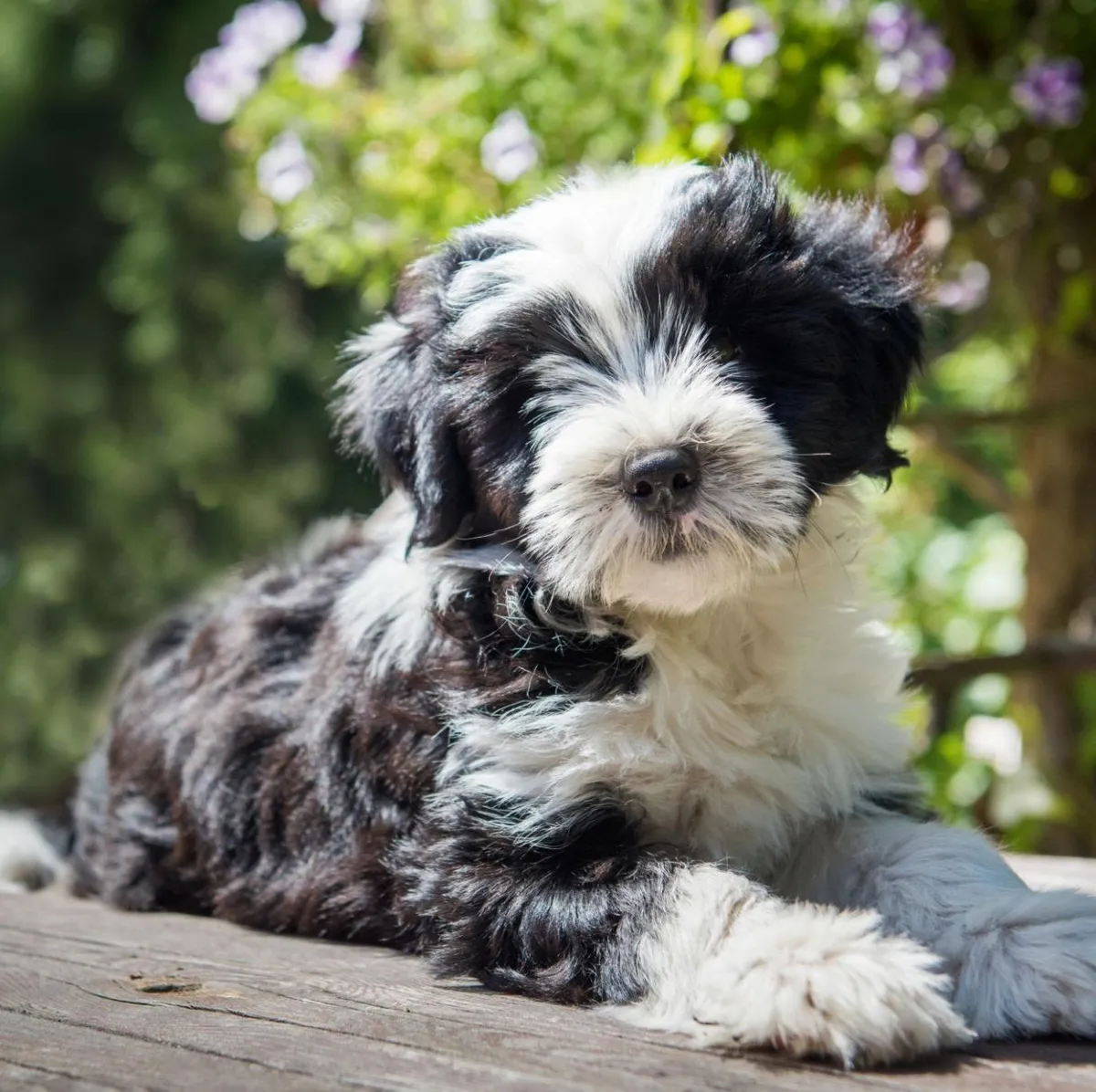
Tibetan Terrier
Health grade BThe Tibet Terrier is not a terrier at all, but a vigilant, high-altitude-hardened companion dog—bred in Tibetan monasteries to serve as a robust good-luck charm and to guide its people through rugged terrain.
- Height36–41 cm
- Weight8–14 kg
- Life expectancy12–16 yrs
- Puppy price1,200–2,500 €
- Energy3/5
The Essentials at a Glance
The Tibet Terrier is not a terrier at all, but a vigilant, high-altitude-hardened companion dog—bred in Tibetan monasteries to serve as a robust good-luck charm and to guide its people through rugged terrain.
- Health grade B: The Tibetan Terrier is considered a robust breed, but it does carry a few genetic risks that are well-managed through targeted breeding tests.
- You are prepared to invest time in intensive grooming several times a week—that lush double coat was vital for survival in the Himalayas and will mat quickly without regular brushing.
- You are looking for an agile companion for long hikes who can keep up athletically without having the constant drive to work of a true Hütehund (herding dog).
- You expect the hunting instinct and sharpness of a classic terrier—its name is a historical error; it is a companion dog with little interest in game.
Is the Tibetan Terrier right for you?
At a glance
Tibetan Terrier overview
The essentials — key facts, traits, and health priorities — before you dive deeper.
Health grade
Relative to other breeds
S
A
B
C
D
E
Very healthyHigher risk
Solid — a handful of items a good breeder watches.
See full health info & tests →
Note: This health overview is AI-assisted and editorially reviewed. It is for orientation only and does not replace veterinary advice.
Lifespan
12–16 yrs
Height
36–41 cm
Weight
8–14 kg
Practical
- Puppy price: 1,200 – 2,500 €
- Coat: Dense, fine in texture, medium to long length, abundant undercoat
- Origin: Tibet
Temperament
Energy
Trainability
Family fit
With kids
Daily life
Care effort
Shedding
Barking
City-friendly
Guard instinct
What matters most
Especially with a Tibetan Terrier, choosing the right breeder is the single most important decision you'll make. Serious breeders consistently test the parents for inherited conditions, prioritize healthy early socialization, and stay accountable long after handover. A cheap puppy without health screening tends to become the most expensive dog later on.
See HonestDog breeder standards →Colors & coat
What colors does the Tibetan Terrier come in?
The coat colors you will see in Tibetan Terrier litters — including which ones fall outside the breed standard and which carry genetic risk.
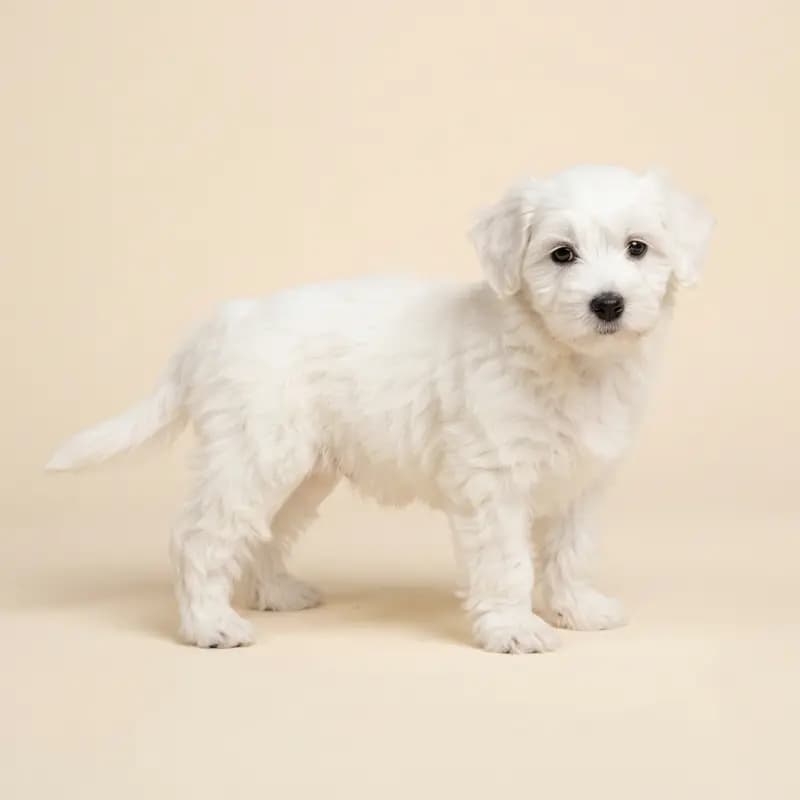
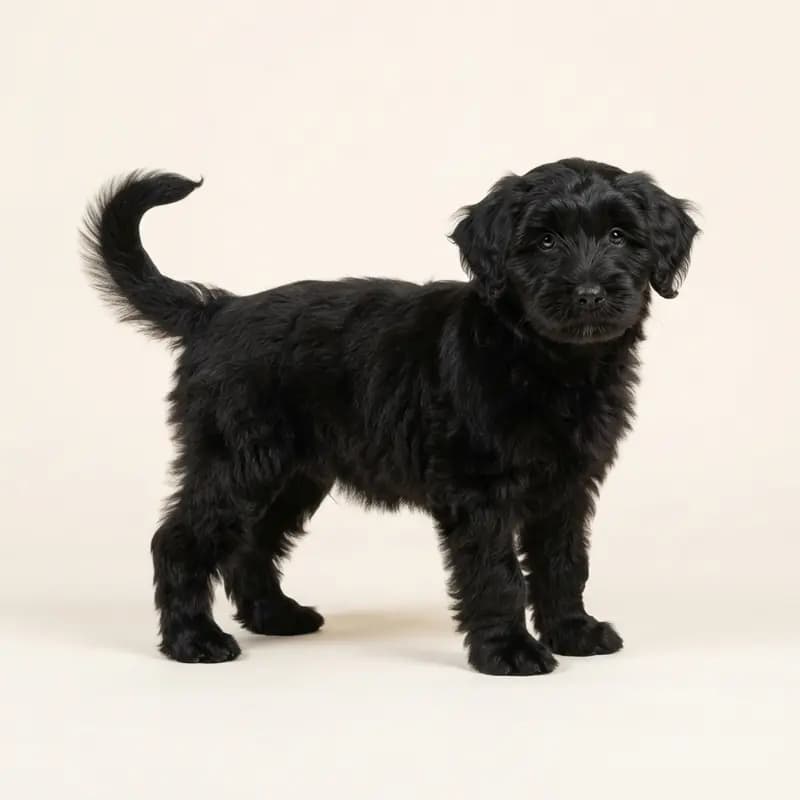
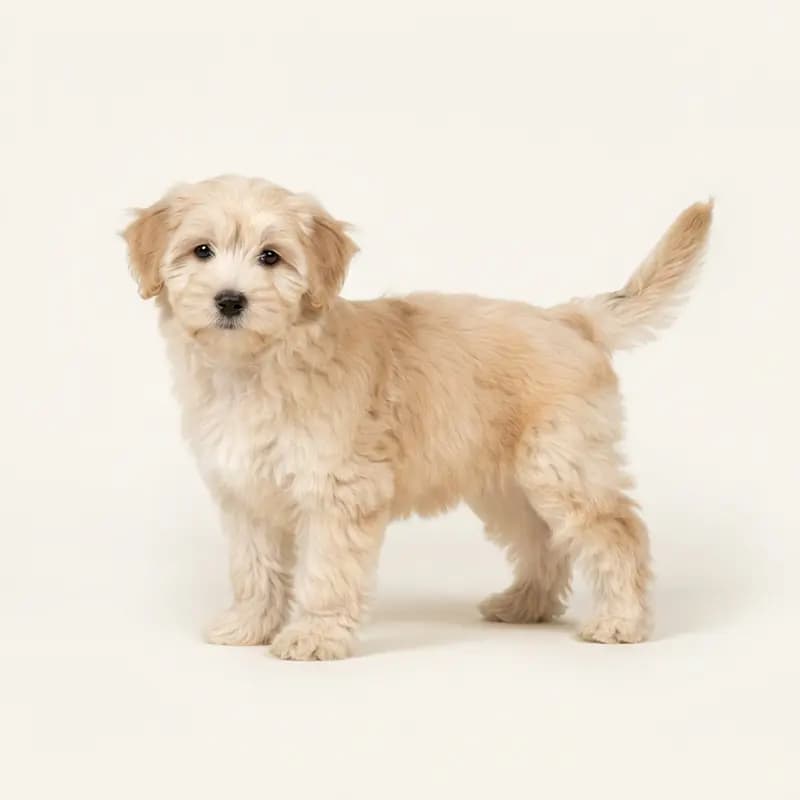
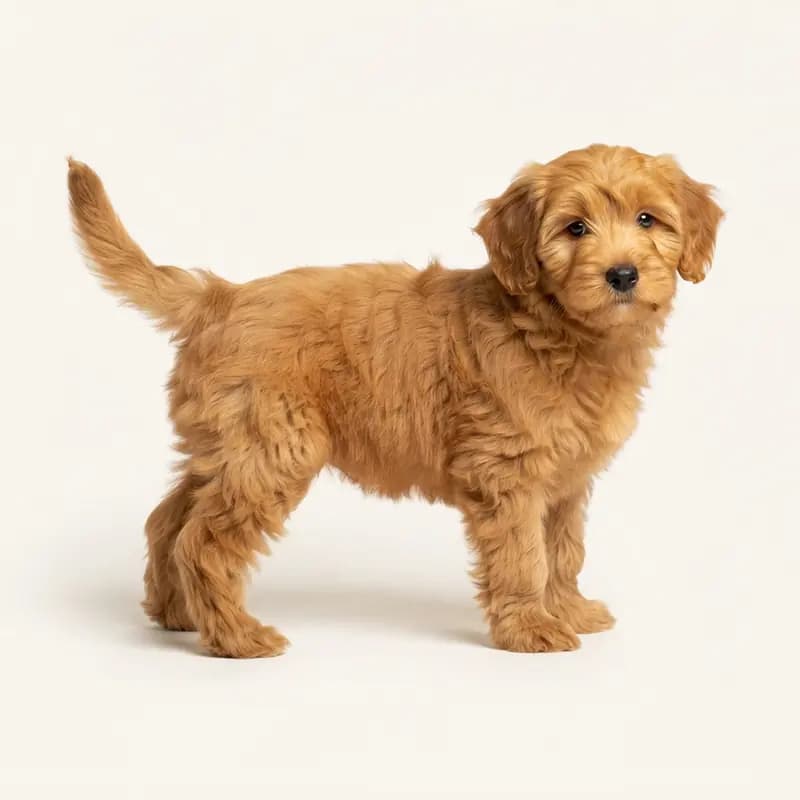
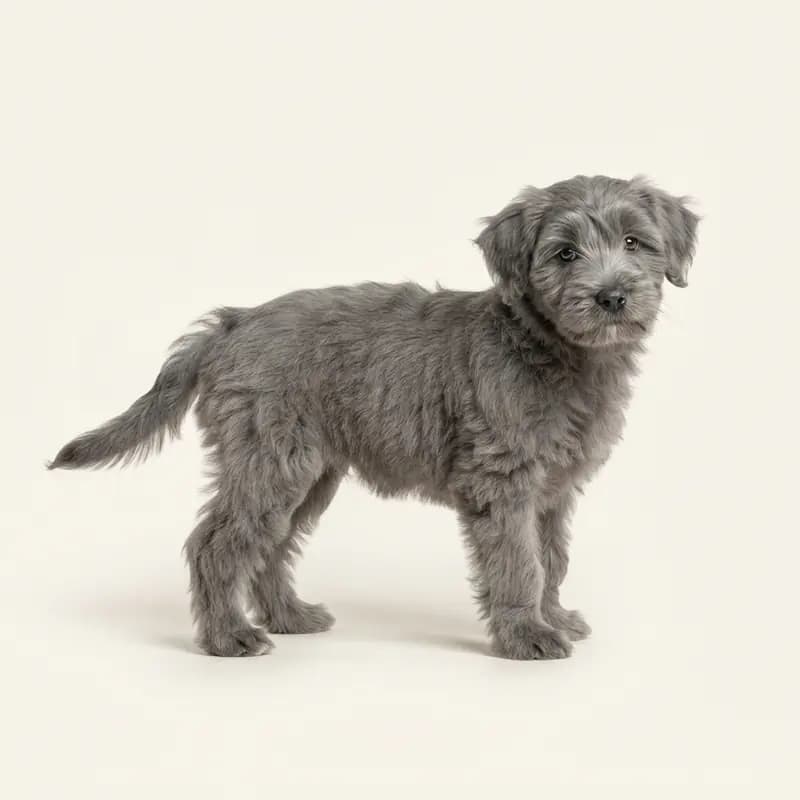
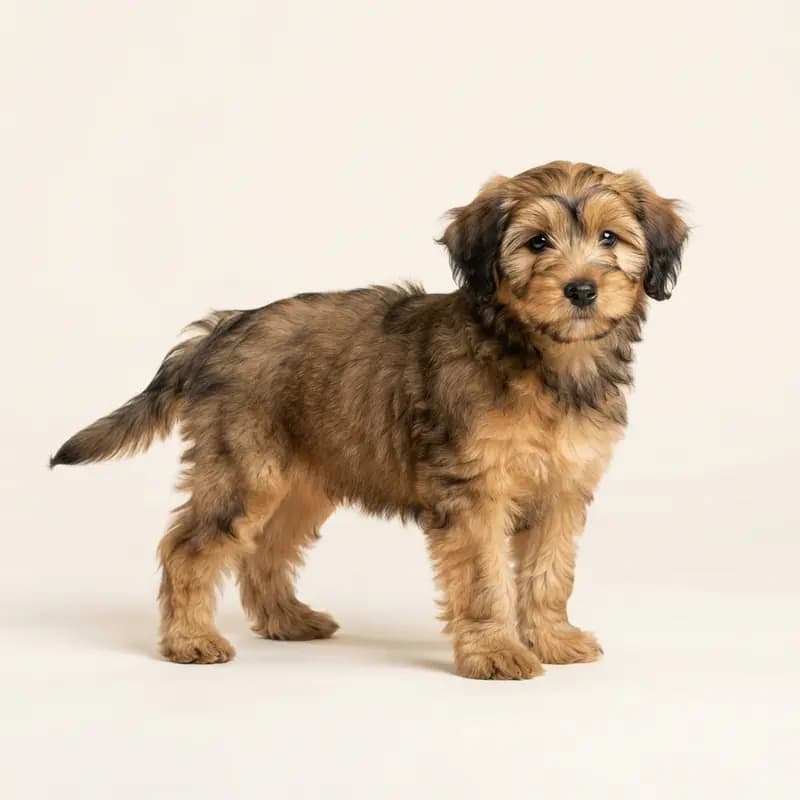
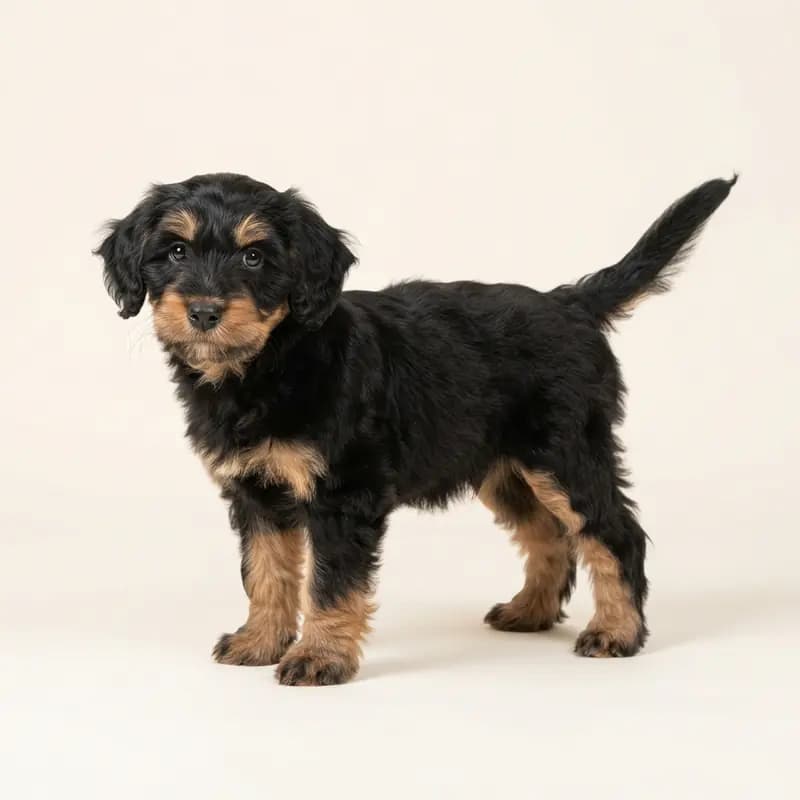
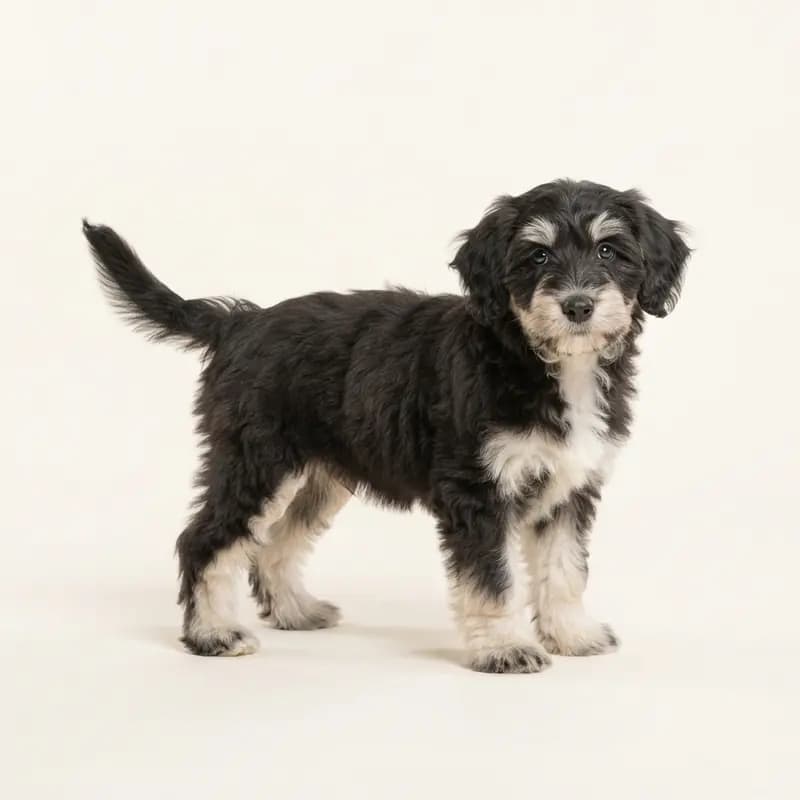
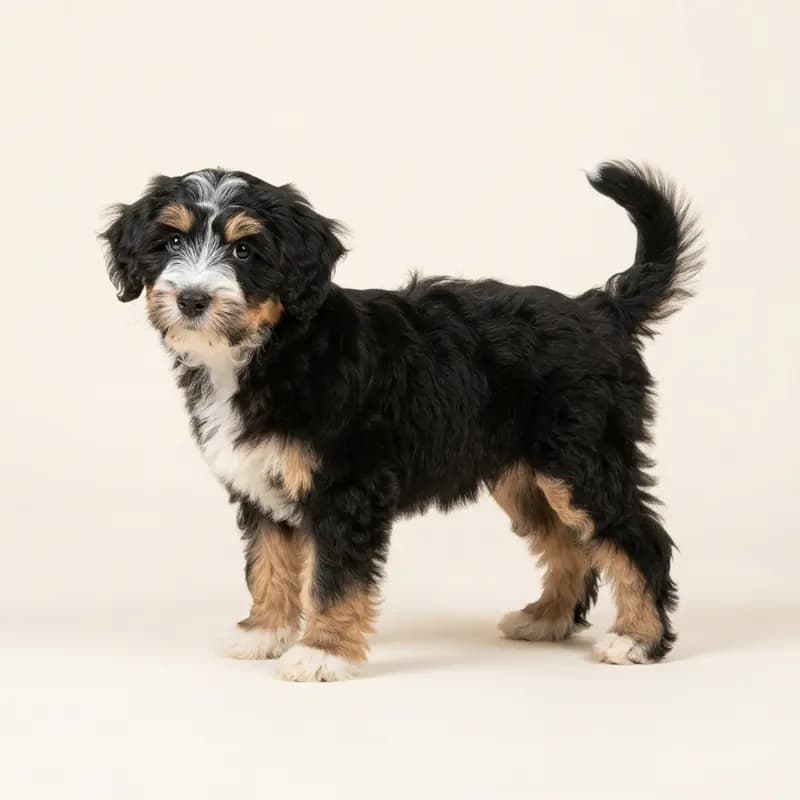
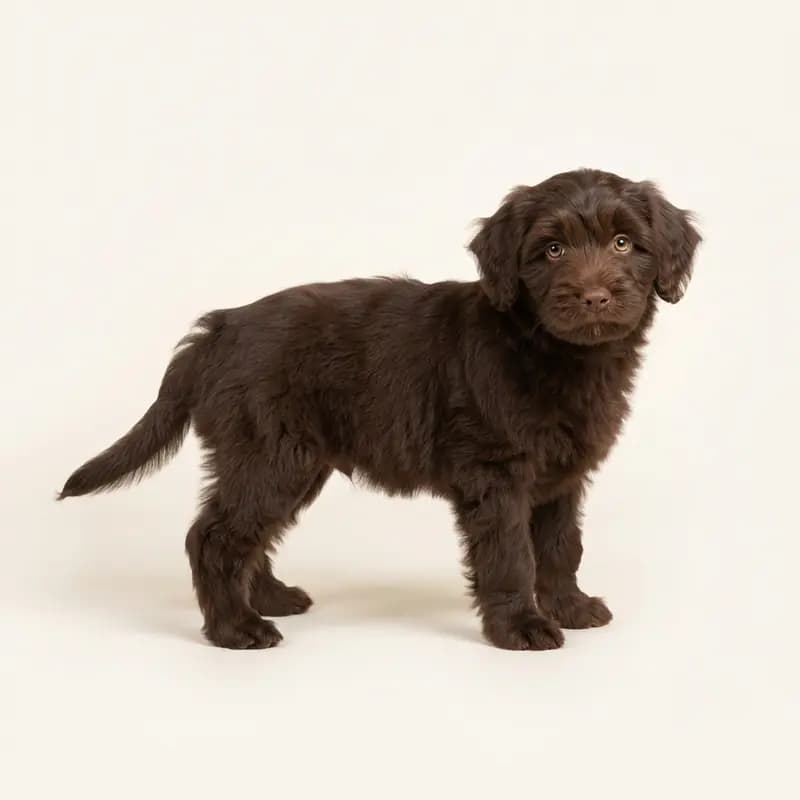
Eye colors
 Brown
Brown
Coat type
 Long
Long Double coat
Is the Tibetan Terrier right for you?
The Tibet Terrier is not a terrier at all, but a vigilant, high-altitude-hardened companion dog—bred in Tibetan monasteries to serve as a robust good-luck charm and to guide its people through rugged terrain.
Perfect for you if:
- You are prepared to invest time in intensive grooming several times a week—that lush double coat was vital for survival in the Himalayas and will mat quickly without regular brushing.
- You are looking for an agile companion for long hikes who can keep up athletically without having the constant drive to work of a true Hütehund (herding dog).
- You appreciate a dog with a mind of its own that doesn't follow commands blindly but assesses situations independently.
- You live in a household where the dog is integrated as a full-fledged family member and is not left isolated for hours on end.
Less ideal if:
- You expect the hunting instinct and sharpness of a classic terrier—its name is a historical error; it is a companion dog with little interest in game.
- You want a dog that joyfully greets every stranger and visitor immediately—it tends to be reserved toward strangers, in true Tibetan fashion.
- You live in a house with thin walls and are bothered by any barking—as a monastic guardian, it reliably alerts you to unusual noises.
The real vibes check
A Tibet Terrier is like a smart roommate who doesn't serve you, but accompanies you as an equal. If you accept that this little mountaineer often checks commands for their logic before carrying them out, you will gain an incredibly loyal companion. Those who demand blind obedience will despair at its Tibetan composure.
Self-check
Would the Tibetan Terrier really fit your life?
Answer 6 quick questions about your everyday life and see how well the Tibetan Terrier fits you — including an honest cost estimate per month, per year, and across the dog's lifetime.
Fit checkCost estimateRisk dice
Takes about 1 minute · free & anonymous
Breed Profile
The Tibetan Terrier is a small, robust dog that originally comes from the Himalayas. He belongs to FCI Group 9 of companion and companion dogs. This dog has an ample mane that frames its face and gives it the appearance of a small lion. He has strong bones, a compact stature and is known for being very agile on his short legs. Its long, lush coat requires regular grooming. There is no distinction between performance and show lines in the Tibetan Terrier as it is bred primarily as a companion dog.
All measurements in detail
- Height
- 36 - 41 cm (Female), 36 - 41 cm (Male)
- Weight
- 8 - 14 kg (Female), 9 - 14 kg (Male)
- Life Expectancy
- 12 - 16 yrs
- Character
- Affectionate, Intelligent, Alert
- Coat
- Dense, fine in texture, medium to long length, abundant undercoat
- Coat Color
- All colors except chocolate brown and liver are permitted.
- Price
- 1200 - 2500 €
Character & Temperament
The Tibetan Terrier is an affectionate, intelligent and alert companion. His bond with his family is strong and he is often particularly devoted to a particular person in the household. He is loving and enjoys being part of family life. These little dogs are amazingly adaptable and feel at home in both the city and the country. They have medium energy, meaning they are active but not hyperactive. They love walks, play and are happy when they are mentally and physically challenged. The Tibetan Terrier is naturally alert and will make his presence known when strangers come near the house. However, he is not a barker and his waking behavior is rather reserved. He is not aggressive, but can be reserved towards strangers at first. Despite their affectionate nature, Tibetan Terriers can easily learn to stay alone if practiced from an early age. It's important to teach them that being alone is not a punishment and to provide them with mentally stimulating toys to avoid boredom. In terms of hunting behavior, the Tibetan Terrier is generally not as developed as other terriers. However, he does have some hunting instincts and should be kept on a leash in unfamiliar terrain, especially if he is not sufficiently trained to return when called upon. The Tibetan Terrier is intelligent and learns quickly. However, he can also have a certain degree of independence, meaning that he sometimes has a mind of his own. Positive and patient training is important to make him a well-behaved companion.
| Trainability Has its own ideas and will test limits. | Strong-willed |
| Watchfulness Occasionally alerts but is fundamentally open. | Low |
| Openness to Strangers Warms up quickly and is generally welcoming. | Friendly |
| Hunting or Herding Drive Mild interest in movement and small animals — easily managed. | Low |
Fun Fact!
Despite their name, Tibetan Terriers are not actually true terriers. They were so named because their size and fur outwardly remind them of terriers, but they do not share the typical terrier characteristics and do not belong to the terrier group.
What Awaits You
Tibetan Terriers are active, independent dogs with strong wills of their own. They require consistent training and are more suitable for experienced, active dog owners. They are often less sociable with other dogs and tend to train their owners.
Housing & Care
The Tibetan Terrier can be kept both as a city dog and in the country. He is adaptable and can cope with different lifestyles. The Tibetan Terrier is generally friendly with children, but as with any dog breed, it is important that interactions between dogs and small children are always supervised. They are also often friendly with cats and other pets if properly socialized.
- Family Friendly
Lives for its family — the born family companion.
Ideal family dog - Child Friendly
Takes boisterous and affectionate children in its stride.
Patient with children - Dog Friendly
Actively enjoys the company of other dogs.
Dog-friendly - City Friendly
Adapts well to city living and urban environments.
Well-suited to city life
Owning a dog is a privilege, but it's also a real responsibility. Before you bring one into your life, be honest with yourself about the commitment it takes.
Training & Education
Tibetan Terriers are intelligent and trainable, but sometimes a little stubborn. Therefore, consistent but loving upbringing is important right from the start. Positive reinforcement and patience are the keys here. Since they build a very close bond with their people, they are well suited to dog sports such as agility or obedience. It is important to exercise the Tibetan Terrier mentally and physically, but also to be careful not to overwhelm him. A balanced amount of activity and rest periods is important here. It is also advisable to teach the Tibetan Terrier how to tolerate frustration and exercise impulse control to promote balanced behavior. Tibetan Terriers don't tend to be ball junkies, but they do love to play and run around. A good mix of mental and physical activity will help them stay happy and healthy.
Nutrition & Care
Tibetan Terriers need a balanced diet to stay healthy and active. High-quality food with meat as the main ingredient and without artificial additives is recommended. Fruits, vegetables and healthy fats should also be part of their diet. It is also important to provide them with enough fresh water. When it comes to grooming, the Tibetan Terrier has a lush undercoat and long coat that requires regular brushing to prevent matting. During shedding, which usually takes place in spring and autumn, they shed more heavily. In Germany, the Tibetan Terrier copes well with the climate, as its thick fur protects it from both cold and moderate heat.
| Care Level Needs regular professional grooming — time-consuming and costly. | High-maintenance |
| Exercise Needs Needs 1–2 hours of real exercise daily. | Active |
| Shedding Hair everywhere, always — no white clothing survives. | Very heavy |
| Trainability Has its own ideas and will test limits. | Strong-willed |
Our experts are still reviewing this information. Spotted something wrong? Email us at info@honestdog.de.
Health & hereditary diseases
Health
B
Solid
Health grade
The Tibetan Terrier is considered a robust breed, but it does carry a few genetic risks that are well-managed through targeted breeding tests. Eye conditions such as Primary Lens Luxation (PLL) and Progressive Retinal Atrophy (PRA) can be reliably ruled out through DNA testing. Additionally, buyers should ensure that the parent dogs have been screened for Hip Dysplasia (HD) to minimize the risk of future joint problems.
Grade is relative to other breeds — AI-assisted and editorially reviewed.
In daily life this can mean
You should pay attention to a healthy weight and joint-friendly exercise, and schedule regular eye exams so that any problems can be detected early.
The breeder's role
Reputable breeders have the eyes, hips, and knees of the parent animals checked and specifically focus on clear lines regarding hereditary neurological diseases to minimize risks.
Note: This health overview is AI-assisted and editorially reviewed. It is for orientation only and does not replace veterinary advice.
No Health Tests Available
No specific health tests are currently available for this breed.
Costs & where to find one
How much does a Tibetan Terrier cost?
A Tibetan Terrier costs around ~€180 per month (€100 – €340, depending on your setup). The first year adds up to roughly ~€4,870 including purchase, equipment and puppy school; across the dog's life (14 years) it comes to about ~€33,310.
With surgery cover, running costs come to about ~€170 per month — in return, your share of a major operation drops from several thousand euros to around 20 percent.
Per month
~€180
In the first year
~€4,870
Across the dog's life
~€33,310
Purchase from a breeder: €1,200 – €2,500
Estimate at a mid-range setup (suburban, dry food, 1–2 hours of daily exercise), average German prices, as of July 2026.
Calculate your personal costs1-minute self-check with your own answers
Looking for a Tibetan Terrier?
Appearance, variants & origin
History
The full history
As the name suggests, the Tibetan Terrier comes from Tibet, a region in the Himalayas. He is often referred to as the "Sacred Dog of Tibet." and was kept by monks and families as a companion dog, good luck charm and guardian. The breed is very old, probably dating back more than 2,000 years. The Tibetan Terrier was not originally sold, but was given as a gift or exchange item. It wasn't until the 1920s that the first Tibetan Terriers came to Europe, when an English doctor working in India received one as a gift. She fell in love with the breed and began breeding them in England. The Tibetan Terrier was recognized as an independent breed by the F"d"ration Cynologique Internationale (FCI) in 1959 and has been known and loved worldwide ever since.
Original Use
The Tibetan Terrier served as a herding dog and guard dog in the Tibetan mountains and was also valued as a companion to monks.
Origin
Tibet
Date
Antike
Owner experiences
What owners say about the Tibetan Terrier
Sabine K., Halterin aus Bayern (zwei Rüden, seit 2016)
Ich habe inzwischen meinen zweiten Tibet Terrier Rüden und kann sagen: Diese Hunde sind unglaublich intelligent und lernen extrem schnell. Sie merken sich Zeiten, Abläufe und Orte im Nu. Auch das Alleinebleiben war bei uns nach einer gewissen Eingewöhnungszeit und mit festen Ritualen überhaupt kein Problem. Unser erster Rüde hat uns am Ende sogar regelrecht 'rausgeschmissen', um endlich an seinen gefüllten Kong zu kommen.
Allerdings sollte man die Sturheit nicht unterschätzen. Ein Tibi hat definitiv seinen eigenen Kopf und braucht konsequente Führung, sonst tanzt er einem schnell auf der Nase herum. Auch das Thema Fellpflege ist ein echter Vollzeitjob. Wenn man das Fell lang lässt, filzt es extrem schnell – besonders bei feuchtem Wetter.
Wir haben uns deshalb entschieden, unseren Hund immer etwas kürzer zu halten, da er sich damit auch sichtlich wohler fühlt. Wer sich für diese Rasse entscheidet, bekommt einen tollen, aufgeweckten Begleiter, muss aber auch bereit sein, Zeit in Erziehung und Pflege zu investieren.
Annett M., Halterin aus Sachsen (Hündin, seit 2013)
Meine Tibi-Hündin ist einfach ein absoluter Traum mit einem sonnigen Gemüt. Sie ist ein echter Clown, liebt alle Menschen und weicht vom typisch reservierten Rassestandard völlig ab. Sie ist extrem anpassungsfähig: Wenn ich mal krank bin oder wenig Zeit habe, nimmt sie mir reine Leinenrunden überhaupt nicht übel und gibt sich auch mal mit weniger zufrieden.
Das Alleinebleiben haben wir von klein auf geübt, und das klappt völlig problemlos. Man darf aber nicht vergessen, dass sie ihren ganz eigenen Charakter haben, der immer wieder durchkommt.
Man muss sich auf diesen eigenwilligen Kopf einlassen können. Wer einen absolut leichtführigen Hund sucht, der sofort jeden Befehl stramm ausführt, ist beim Tibet Terrier vielleicht an der falschen Adresse. Aber genau diese Persönlichkeit macht sie so liebenswert.
Paraphrased from real owner reports
Loading owner stories
Community Posts
FAQ & more
Frequently asked questions about the Tibetan Terrier
Is a Tibetan Terrier the right dog for me?
The Tibetan Terrier is an adaptable dog that adjusts well to various lifestyles. Research the temperament, grooming needs, and space requirements before deciding.
How long does a Tibetan Terrier live?
The average life expectancy of a Tibetan Terrier is 12-16 years. With proper care and regular vet visits, your dog can live a long, healthy life.
How much grooming does a Tibetan Terrier need?
Tibetan Terrier grooming requirements include regular brushing, nail trimming, and dental care. HonestDog provides detailed grooming tips for every breed.
Is a Tibetan Terrier good for families with children?
The Tibetan Terrier can be a great family dog. Proper training and socialization are key. HonestDog provides family suitability information for every breed.
What colors does the Tibetan Terrier come in?
The Tibetan Terrier comes in these colors: White, Black, Cream, Gold, Grey, Sable, Black and tan, Bicolor, Tricolor, Chocolate. Colors that fall outside the breed standard are marked as such on the breed page.
Loading related articles
Are you a Tibetan Terrier breeder?
Showcase your kennel on HonestDog and reach families searching for a responsibly bred Tibetan Terrier.
Why HonestDog?
What makes HonestDog different from other platforms
Full transparency
We lay out what we have: who the breeder is, how they work, and any health records they've uploaded. So you can judge for yourself.
Responsible breeding, assured
Every breeder on HonestDog has their identity and documents checked before their profile goes live. Health records they upload are shown on the profile, so you can see exactly what has been tested.
Trust and verification
We verify breeders and buyers alike, so every conversation happens on solid ground. It's a new standard of trust in dog breeding.
Less hassle, more time
We've already checked the breeders' documents and gathered the details, so you can skip the endless research and focus on finding the right puppy for your family.
Our Mission

We connect dog lovers with responsible breeders and shelters to ensure every dog finds the perfect home.
Founded by dog enthusiasts, our platform focuses on ethical dog breeding and adoption.
Why HonestDog?
We connect you with vetted breeders and shelters so you can find your — your new companion — with confidence.
Vetted Partners
Only verified breeders and shelters — for a safe start.
Highest Standards
Every animal's health and wellbeing is our top priority.
Guides & Resources
Guides, checklists, and breed profiles — so you can make a well-informed decision.