Loading breed
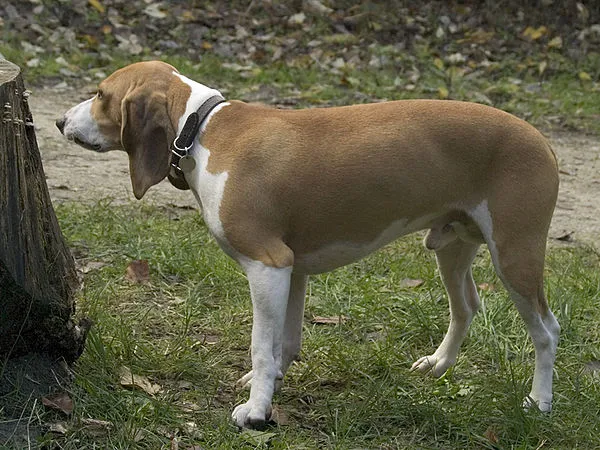
Small Swiss Hound
Health grade BThe Schweizer Niederlaufhund is a passionate, sharp-nosed small hound—bred as a persistent, baying specialist that tracks game independently and vocally, even in rough terrain. It is precisely this hunting independence that makes them a characterful, yet demanding companion.
- Height33–43 cm
- Weight8–15 kg
- Life expectancy12–15 yrs
- Puppy price1,500–2,500 €
- Energy4/5
The Essentials at a Glance
The Schweizer Niederlaufhund is a passionate, sharp-nosed small hound—bred as a persistent, baying specialist that tracks game independently and vocally, even in rough terrain. It is precisely this hunting independence that makes them a characterful, yet demanding companion.
- Health grade B: The Schweizer Niederlaufhund is considered a very robust hunting breed with no significant prevalence of hereditary diseases in the registry.
- You enjoy challenging scent work like mantrailing or tracking—a simple walk will never be enough to satisfy this highly specialized seeker.
- You can accept that they often need to stay on a long training lead in wooded areas because their nose always takes command when outdoors.
- You expect a dog that can be recalled immediately and reliably at the sight of a deer—they were bred to tune out everything else once they are on a scent.
Is the Small Swiss Hound right for you?
At a glance
Small Swiss Hound overview
The essentials — key facts, traits, and health priorities — before you dive deeper.
Health grade
Relative to other breeds
S
A
B
C
D
E
Very healthyHigher risk
Solid — a handful of items a good breeder watches.
See full health info & tests →
Note: This health overview is AI-assisted and editorially reviewed. It is for orientation only and does not replace veterinary advice.
Lifespan
12–15 yrs
Height
33–43 cm
Weight
8–15 kg
Practical
- Puppy price: 1,500 – 2,500 €
- Coat: Short, dense, shiny
- Origin: Switzerland
Temperament
Energy
Trainability
Family fit
With kids
Daily life
Care effort
Shedding
Barking
City-friendly
Guard instinct
What matters most
Especially with a Small Swiss Hound, choosing the right breeder is the single most important decision you'll make. Serious breeders consistently test the parents for inherited conditions, prioritize healthy early socialization, and stay accountable long after handover. A cheap puppy without health screening tends to become the most expensive dog later on.
See HonestDog breeder standards →Colors & coat
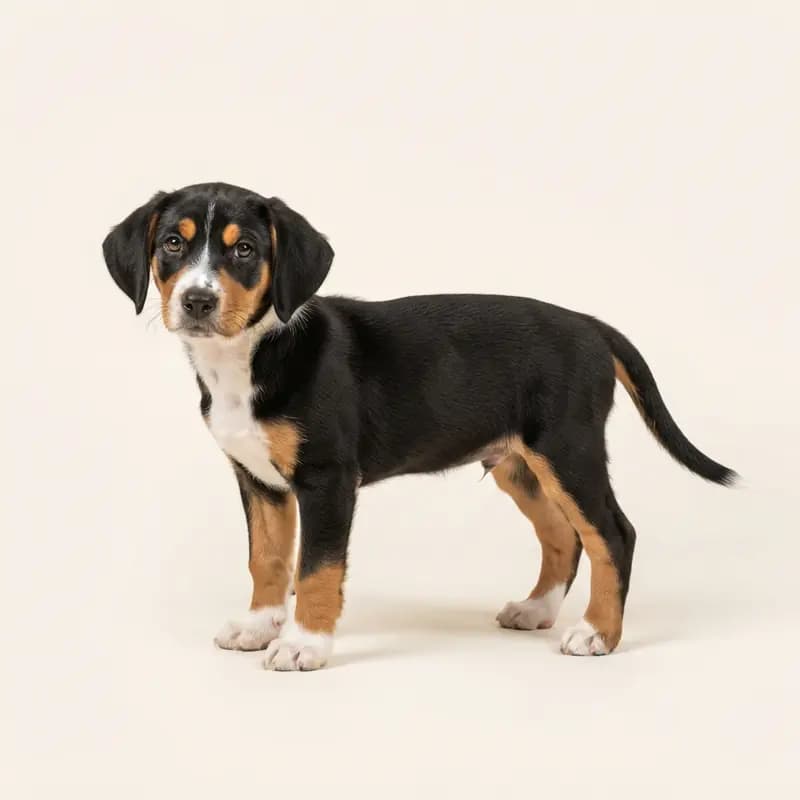
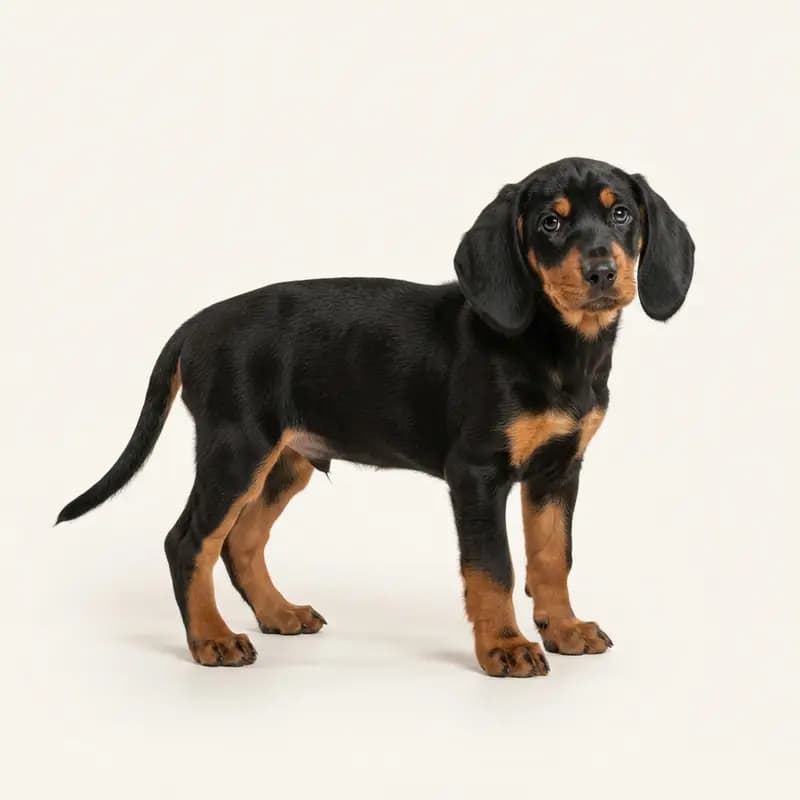
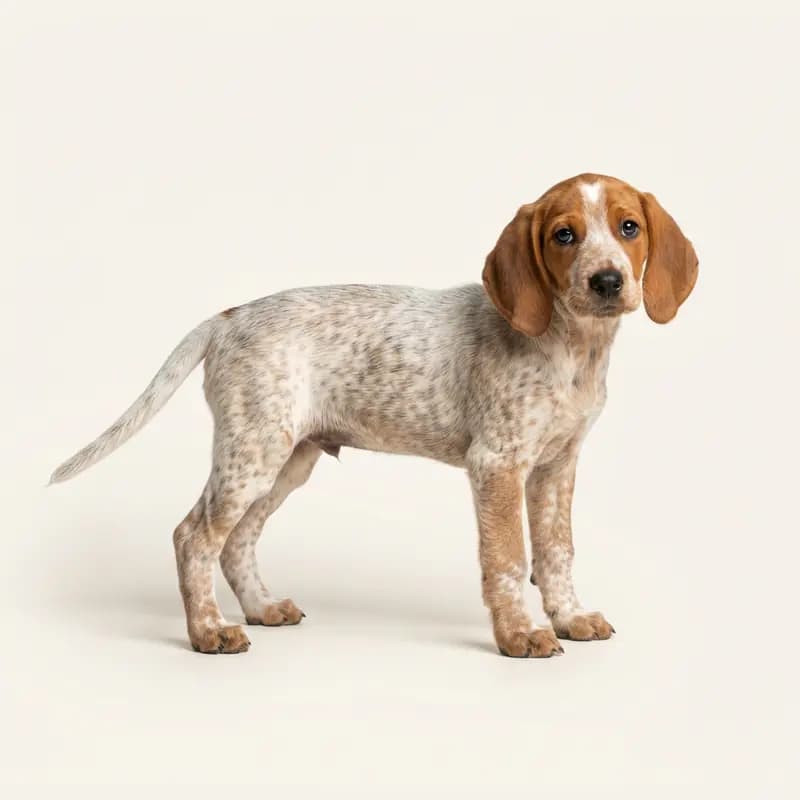
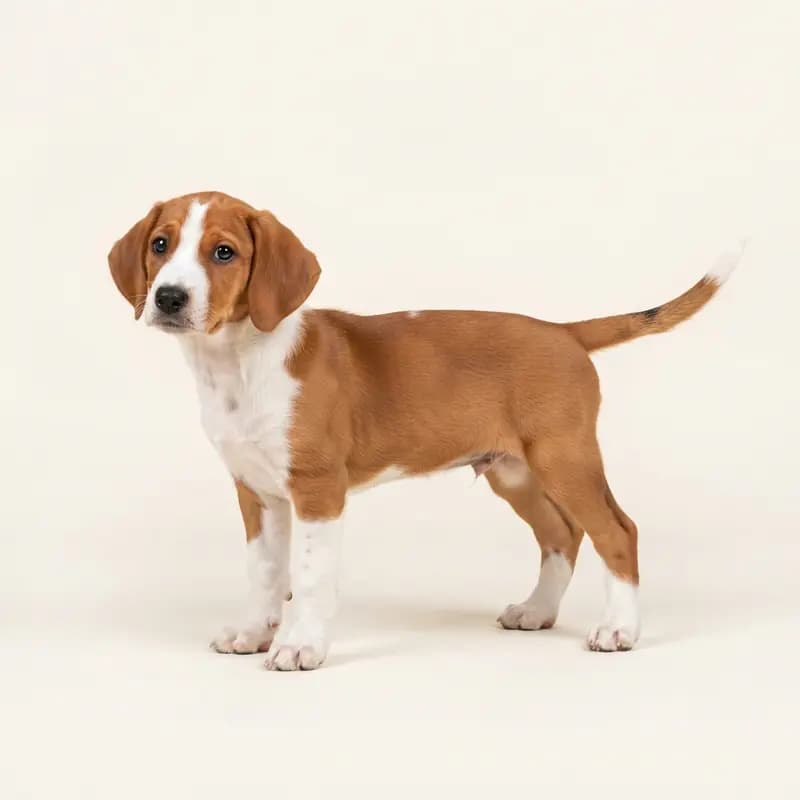
What colors does the Small Swiss Hound come in?
The coat colors you will see in Small Swiss Hound litters — including which ones fall outside the breed standard and which carry genetic risk.
Eye colors
 Brown
Brown
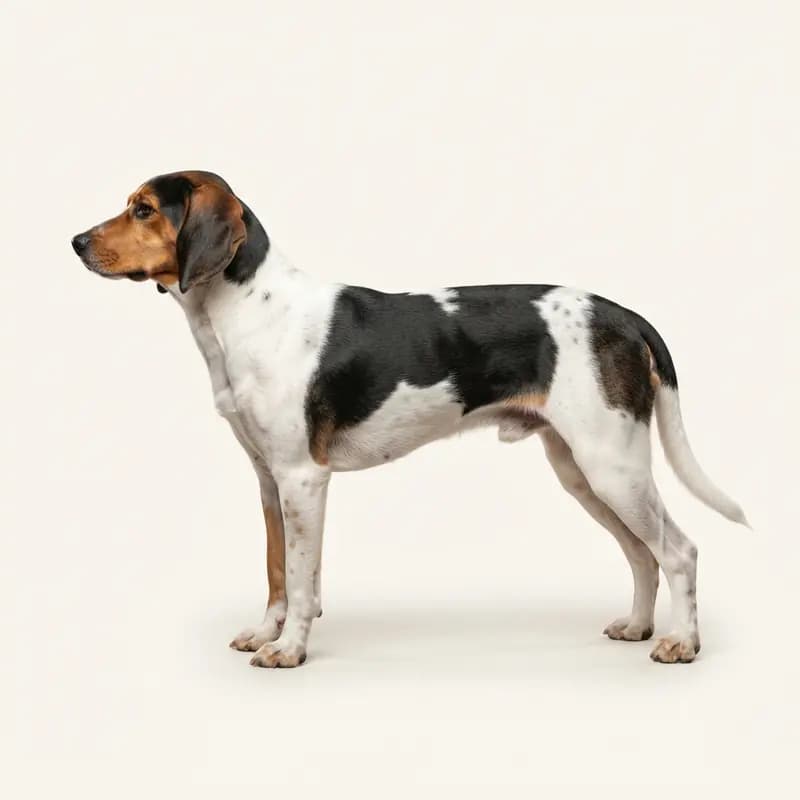
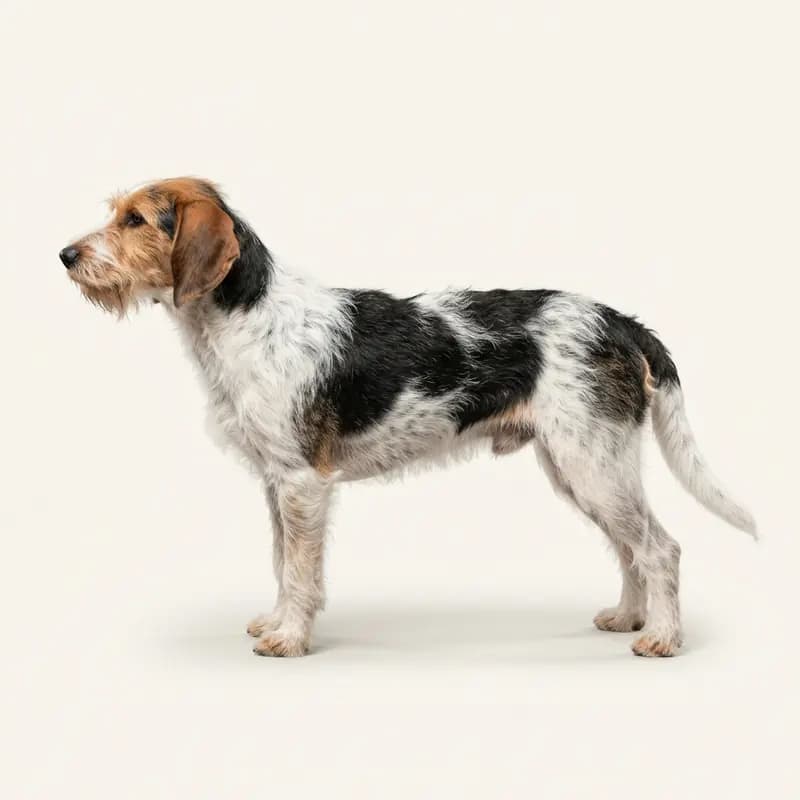
Coat type
 Illustrative image
Short
 Smooth
 Illustrative image
Wire
 Double coat
Is the Small Swiss Hound right for you?
The Schweizer Niederlaufhund is a passionate, sharp-nosed small hound—bred as a persistent, baying specialist that tracks game independently and vocally, even in rough terrain. It is precisely this hunting independence that makes them a characterful, yet demanding companion.
Perfect for you if:
- You enjoy challenging scent work like mantrailing or tracking—a simple walk will never be enough to satisfy this highly specialized seeker.
- You can accept that they often need to stay on a long training lead in wooded areas because their nose always takes command when outdoors.
- You appreciate a dog that thinks for itself and possesses hunting independence rather than expecting blind, unquestioning obedience.
- Ideally, you have a house with a well-secured garden and aren't bothered by their expressive voice when they get excited.
Less ideal if:
- You expect a dog that can be recalled immediately and reliably at the sight of a deer—they were bred to tune out everything else once they are on a scent.
- You live in a thin-walled apartment in the middle of the city—as a baying hound, vocal communication is part of their genetic makeup.
- You are looking for a dog that will patiently wait for you alone for eight hours on weekdays without finding their own tasks (like redecorating your apartment) out of frustration.
The real vibes check
A Schweizer Niederlaufhund is a focused professional on a mission when outdoors and the gentlest cuddler on the sofa when indoors. Their nose is a high-performance radar that never truly switches off—if they catch a scent in the woods, you are often just the support vehicle at the other end of the leash. You aren't getting an unconditional order-follower, but a charming, independent specialist whose passion you can guide, but never extinguish.
Self-check
Would the Small Swiss Hound really fit your life?
Answer 6 quick questions about your everyday life and see how well the Small Swiss Hound fits you — including an honest cost estimate per month, per year, and across the dog's lifetime.
Fit checkCost estimateRisk dice
Takes about 1 minute · free & anonymous
Breed Profile
The Swiss Niederlaufhund is a versatile hunting dog breed that belongs to the group of pointing dogs. Originally bred in Switzerland, this breed is distinguished by its excellent abilities in small game hunting. The Swiss Niederlaufhund has a compact, muscular build with a dense, mostly short to medium-length coat that comes in various color combinations, often with white markings. Its head is expressive with friendly eyes and medium-sized, hanging ears. Characteristic of the breed is its balanced temperament, which makes it a reliable hunting partner and a pleasant family dog. Within the breed, there are no clearly separated lines, but individual dogs vary in their eagerness to work and their temperament, which should be considered when selecting one.
All measurements in detail
- Height
- 33 - 40 cm (Female), 35 - 43 cm (Male)
- Weight
- 8 - 13 kg (Female), 10 - 15 kg (Male)
- Life Expectancy
- 12 - 15 yrs
- Character
- Intelligent, alert, affectionate with the family, but reserved towards strangers, high hunting drive
- Coat
- Short, dense, shiny
- Coat Color
- Varied; including black, blue, brown, fawn, red, and more.
- Price
- 1500 - 2500 €
Character & Temperament
The Swiss Niederlaufhund is a versatile and balanced hunting dog with a friendly and affectionate nature. It is characterized by its high enthusiasm for work and its close bond with humans, making it a reliable partner for hunting and family life. With its calm yet motivated demeanor, it is suitable for both active families and passionate hunters. This dog learns quickly and shows a pronounced sense of smell, which is why it enjoys mental challenges. It requires regular exercise and activity to remain balanced. When sufficiently occupied, it is calm and balanced, but can become restless or destructive if under-stimulated. The Swiss Niederlaufhund has a strong retrieving instinct and enjoys working closely with its owner. Its hunting drive is present but can be well controlled through consistent training. It is friendly towards people and other dogs, but shows a natural alertness that makes it a good watchdog without being aggressive. Overall, the Swiss Niederlaufhund is an intelligent, eager-to-learn, and loyal companion that excels both as a hunting dog and as a family dog. Consistent training and sufficient activity are important to fully develop its potential.
| Trainability Has its own ideas and will test limits. | Strong-willed |
| Watchfulness Occasionally alerts but is fundamentally open. | Low |
| Openness to Strangers Warms up quickly and is generally welcoming. | Friendly |
| Hunting or Herding Drive This drive runs deep — no amount of training eliminates it. | Very strong |
Fun Fact!
The Swiss Niederlaufhund is a true all-rounder: originally bred as a versatile hunting dog, it impresses with its keen nose and strong retrieving instinct – perfect for working reliably even in difficult terrain.
What Awaits You
The Swiss Hound is a lively and enduring hunting dog, particularly suitable for tracking and retrieving. These dogs are intelligent, eager to learn, and show a close bond with their owners. They require a lot of exercise and consistent but loving training. The Swiss Hound is a reliable companion for active families and passionate hunters.
Housing & Care
Swiss hounds are lively and friendly dogs that are well suited as family companions. They are very attentive and show a strong bond with their people, but require regular mental and physical exercise to remain balanced. Due to their hunting drive and energy, they are especially suitable for active families or people with access to plenty of open space. In the city, they should receive sufficient exercise and activities to avoid frustration. When dealing with children, Swiss hounds are usually patient and friendly, but supervision is advisable with small children to avoid misunderstandings. They generally get along well with other dogs and pets if socialized early. Overall, they are loyal and hardworking dogs that appreciate clear leadership and loving consistency.
- Family Friendly
Loves family life and thrives in a group.
Family-oriented - Child Friendly
Takes boisterous and affectionate children in its stride.
Patient with children - Dog Friendly
Actively enjoys the company of other dogs.
Dog-friendly - City Friendly
Can manage in the city, but only with very active owners.
Difficult in cities
Owning a dog is a privilege, but it's also a real responsibility. Before you bring one into your life, be honest with yourself about the commitment it takes.
Training & Education
Swiss hounds are intelligent and eager-to-work dogs that require consistent and patient training. They have a strong hunting and scent drive, which is why it is important to set clear rules and boundaries early on. Similar to Labradors and German Shepherds, they benefit from varied training that offers both physical and mental challenges. The training should be positive and reward-based to strengthen motivation and the bond between you and your dog. Swiss hounds learn quickly but can become restless or stubborn if not sufficiently exercised. Therefore, it is important to give them meaningful tasks regularly, such as search games or retrieving exercises. Frustration tolerance and impulse control are central aspects of their upbringing, as the breed tends to be very determined. Good socialization and building a trusting relationship are essential to channel the natural hunting drive into controlled paths. Overall, the Swiss hound requires dedicated training that considers and promotes its natural abilities. Those willing to invest time and patience will gain a reliable, eager-to-learn, and versatile companion.
Nutrition & Care
The Swiss Hound requires a balanced diet that supports its active urge to move. High-quality food with a good proportion of proteins and essential nutrients is ideal to promote muscles and health. Be careful to avoid overfeeding, as overweight can impair mobility. The coat of the Swiss Hound is short to medium length and dense, with a weather-resistant structure that protects it well from cold and moisture. Regular brushing, about once a week, is usually sufficient to remove loose hair and keep the coat healthy. During the shedding season in spring and autumn, increased shedding can occur, and more intensive brushing is recommended then. The Swiss Hound is well adapted to the Central European climate. Its coat protects it from the cold, but in very hot weather, sufficient shade and water should be provided to prevent overheating. Regular exercise and mental stimulation are important to promote the active and intelligent character of this hunting dog.
| Care Level Occasional brushing is all it takes. | Very low-maintenance |
| Exercise Needs Needs several hours of serious exercise every day. | Very active |
| Shedding Regular shedding — dog hair on clothes is now normal. | Moderate |
| Trainability Has its own ideas and will test limits. | Strong-willed |
Our experts are still reviewing this information. Spotted something wrong? Email us at info@honestdog.de.
Health & hereditary diseases
Health
B
Solid
Health grade
The Schweizer Niederlaufhund is considered a very robust hunting breed with no significant prevalence of hereditary diseases in the registry. Nevertheless, buyers should be aware of general risks such as hip dysplasia (HD) and progressive retinal atrophy (PRA), as there are no strict mandatory health tests for these conditions. Additionally, the breed's relatively long back can occasionally predispose them to intervertebral disc issues.
Grade is relative to other breeds — AI-assisted and editorially reviewed.
In daily life this can mean
You should ensure they maintain a healthy weight, provide joint-friendly exercise, avoid constant jumping, and regularly check their floppy ears to keep their back and ears healthy.
The breeder's role
Reputable breeders have the parents' spines, knees, and eyes checked and focus on a moderate, stable build to reduce risks within the bloodline.
Note: This health overview is AI-assisted and editorially reviewed. It is for orientation only and does not replace veterinary advice.
No Health Tests Available
No specific health tests are currently available for this breed.
Costs & where to find one
How much does a Small Swiss Hound cost?
A Small Swiss Hound costs around ~€160 per month (€80 – €290, depending on your setup). The first year adds up to roughly ~€4,700 including purchase, equipment and puppy school; across the dog's life (13.5 years) it comes to about ~€28,070.
With surgery cover, running costs come to about ~€150 per month — in return, your share of a major operation drops from several thousand euros to around 20 percent.
Per month
~€160
In the first year
~€4,700
Across the dog's life
~€28,070
Purchase from a breeder: €1,500 – €2,500
Estimate at a mid-range setup (suburban, dry food, 1–2 hours of daily exercise), average German prices, as of July 2026.
Calculate your personal costs1-minute self-check with your own answers
Looking for a Small Swiss Hound?
HonestDog Concierge
No verified Small Swiss Hound breeders on HonestDog yet
We currently have no breeders for this breed who have passed our verification. Create your short buyer profile: we'll set up your search alert, review a possible source and email you within 28 days.
Appearance, variants & origin
History
The full history
The history of the Swiss Niederlaufhunde dates back to the 19th century, when robust and versatile hunting dogs were needed in Switzerland. These dogs were characterized by their low body size, endurance, and excellent sense of smell, making them ideal companions for small game hunting. Various regional variants developed, which were later grouped under the collective term "Swiss Niederlaufhunde." The breed was systematically bred and standardized in the 20th century to preserve its characteristic traits. Today, Swiss Niederlaufhunde are valued hunting and family dogs known for their loyalty and enthusiasm for work.
Original Use
The Swiss Low Hound was developed for hunting in smaller areas in order to track game with sound.
Origin
Switzerland
Date
1905
Owner experiences
What owners say about the Small Swiss Hound
Jochen W., Jäger aus Rheinland-Pfalz (Rüde, seit 2021)
Als aktiver Jäger habe ich nach einem Hund gesucht, der perfekt in unsere heutigen, oft kleineren Reviere passt. Die großen Schweizer Laufhunde jagen mir schlichtweg zu weit und zu schnell, aber mein Luzerner Niederlaufhund-Rüde ist hier genau in seinem Element. Er bringt eine unglaubliche Passion für die Schweißarbeit und das Stöbern mit. Besonders faszinierend ist sein wohlklingender, anhaltender Fährtenlaut – man hört genau, was im Wald passiert, ohne dass das Wild in panischen Tiefflug verfällt.
Man darf den Jagdtrieb dieser Rasse aber keinesfalls unterschätzen. Es sind und bleiben hochpassionierte Bracken. Wenn man sie nicht von Anfang an konsequent einarbeitet und im Radius kontrolliert, neigen auch die Niederlaufhunde dazu, sehr weit zu jagen. Wer einen reinen Begleiter sucht, wird mit diesem extremen Spurwillen im Alltag auf harten Widerstand stoßen.
Sabine M., Halterin aus Hessen (Hündin, seit 2018)
Wir werden beim Spazierengehen ständig gefragt, ob unsere Hündin ein Beagle oder ein Basset sei. Die Rasse ist hierzulande einfach ein echter Exot! Im Haus ist sie eine absolute Seele von einem Hund: unfassbar sanftmütig, extrem verschmust und absolut verträglich mit allen Artgenossen – da merkt man einfach das Erbe der Meutehunde. Sie ist sehr sensibel, weshalb man bei der Erziehung mit Härte überhaupt nicht weiterkommt. Ein freundlicher, aber bestimmter Ton ist der Schlüssel.
Die große Herausforderung ist jedoch ihre Nase. Wir führen sie nicht jagdlich, was bedeutet, dass wir täglich intensiv mit ihr arbeiten müssen. Einfaches Spazierengehen oder Agility reichen ihr nicht; sie braucht Fährtenarbeit und Dummytraining, um im Kopf ausgelastet zu sein. Wenn sie einmal eine frische Spur in der Nase hat, schaltet sie komplett auf Durchzug. Diese typische Brackendickköpfigkeit erfordert im Alltag verdammt viel Geduld und eine Schleppleine.
Christian S., Rasse-Enthusiast aus Sachsen (Hündin, seit 2020)
Ich habe mich vor Jahren in das edle Aussehen mit den langen, gefalteten Behängen verliebt. Da die Zuchtbasis der Schweizer Niederlaufhunde in Deutschland extrem klein ist, muss man sich auf sehr lange Wartezeiten bei den wenigen VDH-Züchtern einstellen. Unsere Hündin ist ein Traum, aber der Weg zu einem gesunden Welpen erfordert gründliche Recherche.
Ein ganz wichtiger Punkt für Interessierte ist das Thema Gesundheit und Herkunft: Man sollte den Hund unbedingt nur über anerkannte Vereine wie den CCF oder den Schweizer SNLC kaufen. In der sogenannten Dissidenzzucht (außerhalb von VDH/FCI) gab es leider Linien, bei denen schwere neurologische Erkrankungen wie SCA und NCL aufgetreten sind. Wer hier am falschen Ende spart oder ungeduldig wird, holt sich unter Umständen ein krankes Tier ins Haus. Bei seriösen Züchtern ist die Rasse dank strenger Kontrollen jedoch nach wie vor sehr robust.
Paraphrased from real owner reports
Loading owner stories
FAQ & more
Frequently asked questions about the Small Swiss Hound
Is a Small Swiss Hound the right dog for me?
The Small Swiss Hound is an active dog that needs plenty of exercise and mental stimulation. Research the temperament, grooming needs, and space requirements before deciding.
How long does a Small Swiss Hound live?
The average life expectancy of a Small Swiss Hound is 12-15 years. With proper care and regular vet visits, your dog can live a long, healthy life.
How much grooming does a Small Swiss Hound need?
Small Swiss Hound grooming requirements include regular brushing, nail trimming, and dental care. HonestDog provides detailed grooming tips for every breed.
Is a Small Swiss Hound good for families with children?
The Small Swiss Hound can be a great family dog. Proper training and socialization are key. HonestDog provides family suitability information for every breed.
What colors does the Small Swiss Hound come in?
The Small Swiss Hound comes in these colors: Tricolor, Black and tan, Roan, Red and white.
Loading related articles
Are you a Small Swiss Hound breeder?
Showcase your kennel on HonestDog and reach families searching for a responsibly bred Small Swiss Hound.
Why HonestDog?
What makes HonestDog different from other platforms
Full transparency
We lay out what we have: who the breeder is, how they work, and any health records they've uploaded. So you can judge for yourself.
Responsible breeding, assured
Every breeder on HonestDog has their identity and documents checked before their profile goes live. Health records they upload are shown on the profile, so you can see exactly what has been tested.
Trust and verification
We verify breeders and buyers alike, so every conversation happens on solid ground. It's a new standard of trust in dog breeding.
Less hassle, more time
We've already checked the breeders' documents and gathered the details, so you can skip the endless research and focus on finding the right puppy for your family.
Our Mission

We connect dog lovers with responsible breeders and shelters to ensure every dog finds the perfect home.
Founded by dog enthusiasts, our platform focuses on ethical dog breeding and adoption.
Why HonestDog?
We connect you with vetted breeders and shelters so you can find your — your new companion — with confidence.
Vetted Partners
Only verified breeders and shelters — for a safe start.
Highest Standards
Every animal's health and wellbeing is our top priority.
Guides & Resources
Guides, checklists, and breed profiles — so you can make a well-informed decision.