Loading breed
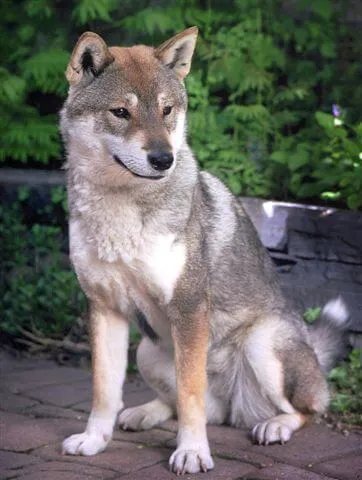
Shikoku
Health grade CThe Shikoku is an agile, sharp-witted, and incredibly tough primitive hunting Spitz—bred to tenaciously track and corner wild boar in the rugged mountains of Japan. This uncompromising independence makes him a loyal, yet never submissive, companion.
- Height46–55 cm
- Weight16–27 kg
- Life expectancy12–15 yrs
- Puppy price1,500–2,500 €
- Energy4/5
The Essentials at a Glance
The Shikoku is an agile, sharp-witted, and incredibly tough primitive hunting Spitz—bred to tenaciously track and corner wild boar in the rugged mountains of Japan. This uncompromising independence makes him a loyal, yet never submissive, companion.
- Health grade C: The Shikoku is essentially a robust, natural breed; however, the list of required breeding tests is above average, with 15 mandatory health screenings.
- You already have experience with primitive breeds and appreciate confident leadership without expecting blind, unquestioning obedience.
- You love daily, extended treks in nature and can provide this tireless hunter with genuine physical and mental stimulation.
- You expect him to blindly follow every command on a walk—he was selected to make independent decisions in the forest rather than wait for you.
Is the Shikoku right for you?
At a glance
Shikoku overview
The essentials — key facts, traits, and health priorities — before you dive deeper.
Health grade
Relative to other breeds
S
A
B
C
D
E
Very healthyHigher risk
Average — several important tests are expected.
See full health info & tests →
Note: This health overview is AI-assisted and editorially reviewed. It is for orientation only and does not replace veterinary advice.
Lifespan
12–15 yrs
Height
46–55 cm
Weight
16–27 kg
Practical
- Puppy price: 1,500 – 2,500 €
- Coat: Thick, hard top hair; medium length; no undercoat
- Origin: Japan
Temperament
Energy
Trainability
Family fit
With kids
Daily life
Care effort
Shedding
Barking
City-friendly
Guard instinct
What matters most
Especially with a Shikoku, choosing the right breeder is the single most important decision you'll make. Serious breeders consistently test the parents for inherited conditions, prioritize healthy early socialization, and stay accountable long after handover. A cheap puppy without health screening tends to become the most expensive dog later on.
See HonestDog breeder standards →Colors & coat
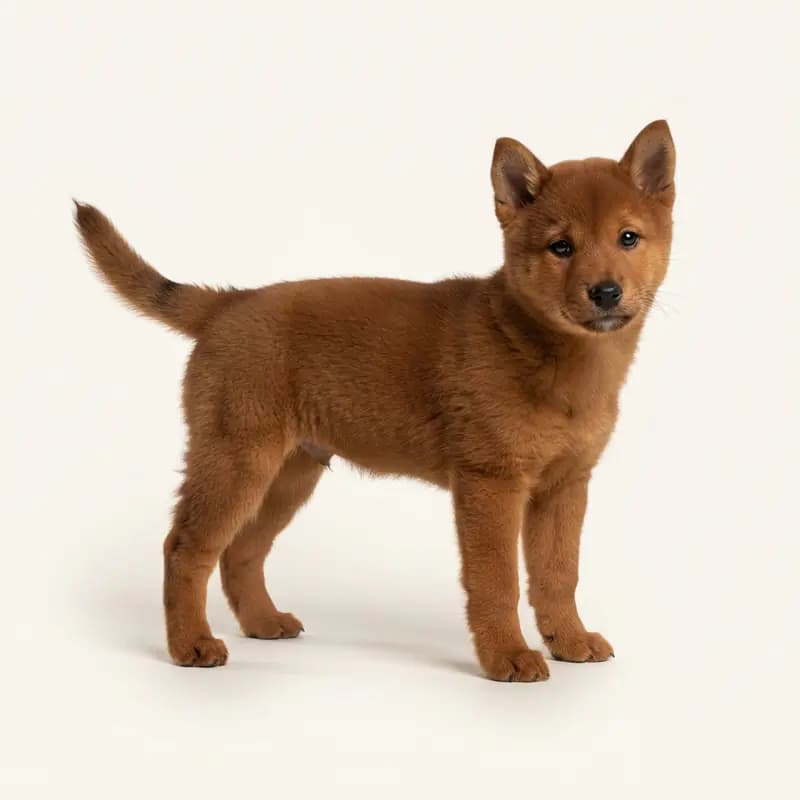
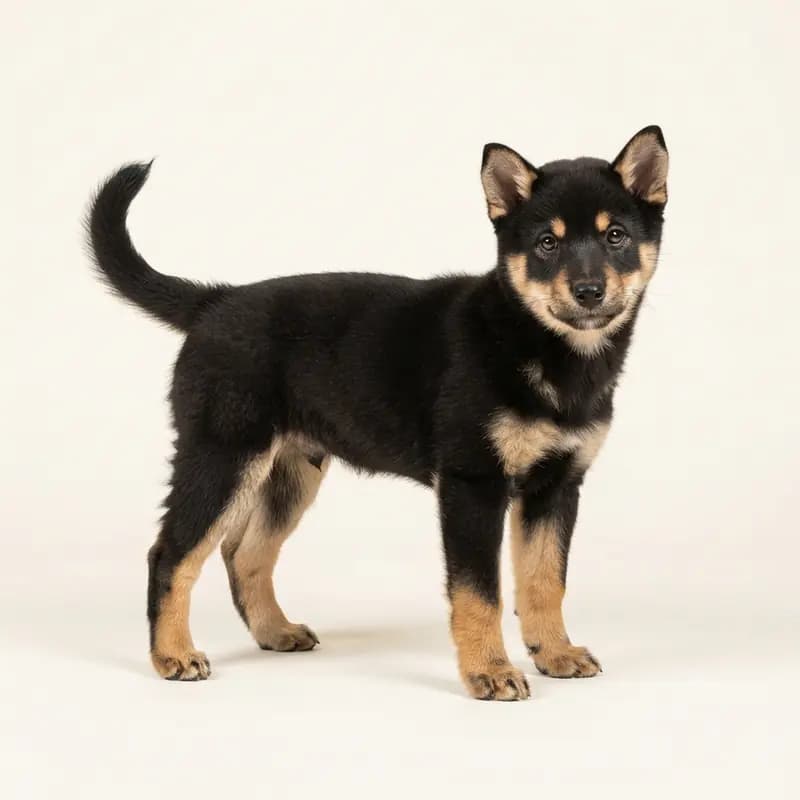
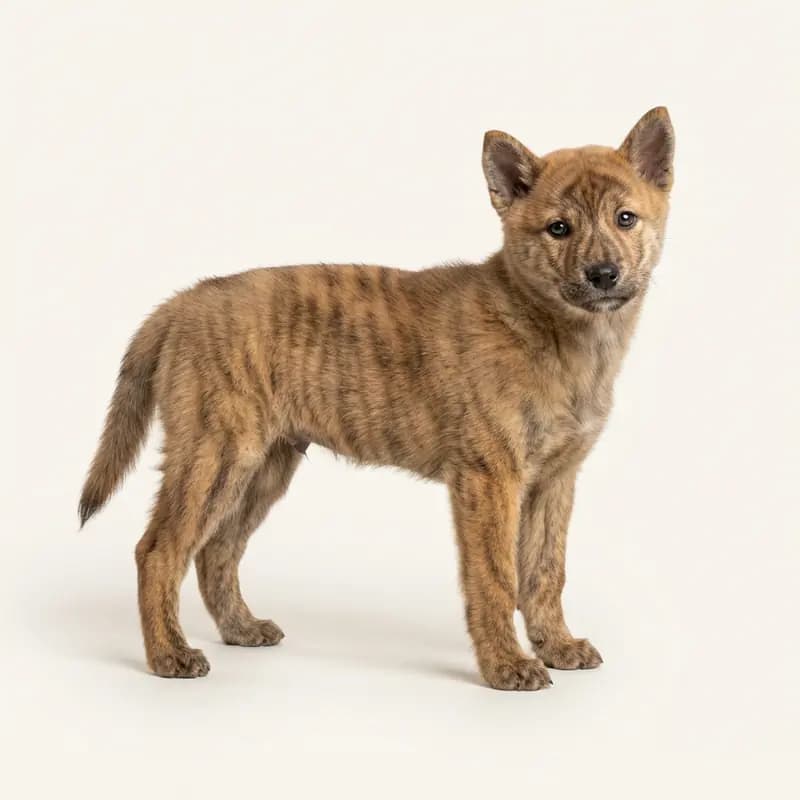
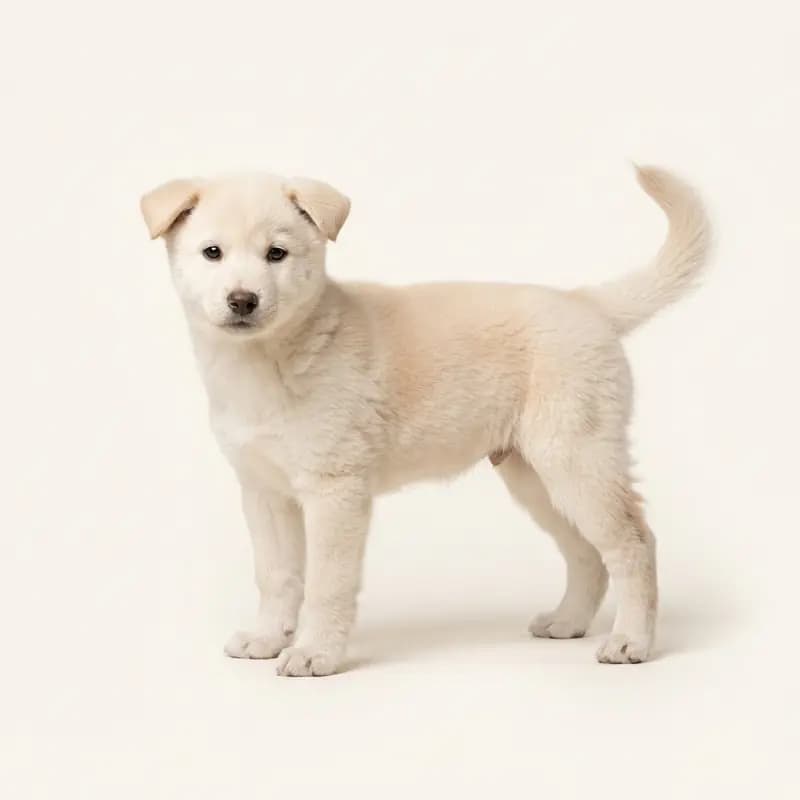
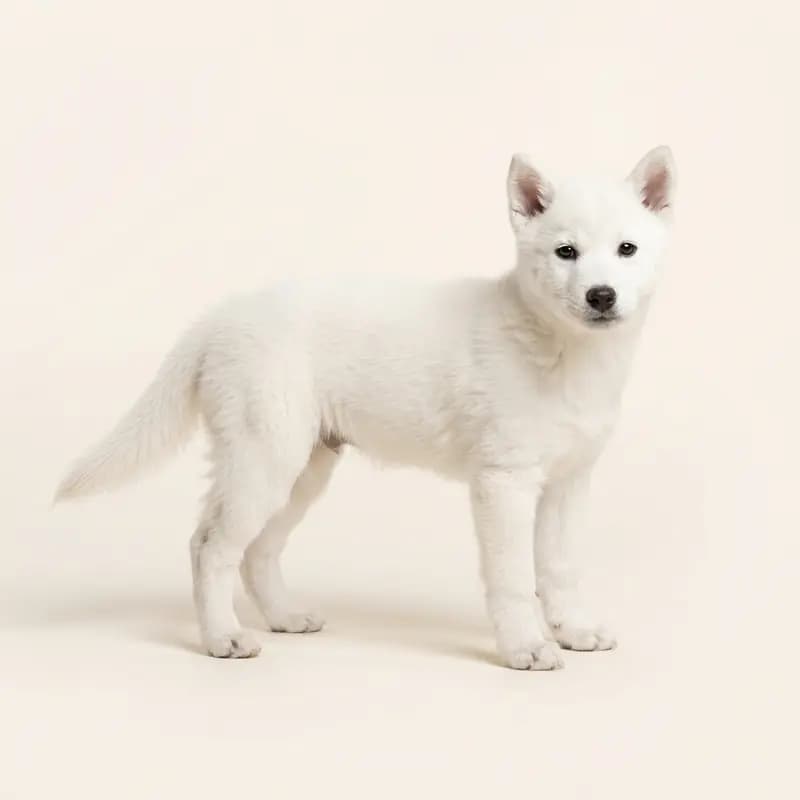
What colors does the Shikoku come in?
The coat colors you will see in Shikoku litters — including which ones fall outside the breed standard and which carry genetic risk.
Eye colors
 Brown
Brown
Coat type
 Double coat
 Medium
Is the Shikoku right for you?
The Shikoku is an agile, sharp-witted, and incredibly tough primitive hunting Spitz—bred to tenaciously track and corner wild boar in the rugged mountains of Japan. This uncompromising independence makes him a loyal, yet never submissive, companion.
Perfect for you if:
- You already have experience with primitive breeds and appreciate confident leadership without expecting blind, unquestioning obedience.
- You love daily, extended treks in nature and can provide this tireless hunter with genuine physical and mental stimulation.
- You are looking for a dog that forms an extremely close bond with its primary person but maintains the typical Asian, dignified distance toward strangers.
- You live in a rural area or have a secure, escape-proof garden, as his extreme hunting instinct often makes off-leash exercise completely impossible.
Less ideal if:
- You expect him to blindly follow every command on a walk—he was selected to make independent decisions in the forest rather than wait for you.
- You are planning relaxed visits to the dog park—many Shikokus are extremely intolerant of same-sex dogs, react at lightning speed, and can be harsh in their discipline.
- You live in the middle of the city and are looking for an easy-going companion for crowded cafes who happily lets every stranger pet them.
The real vibes check
A Shikoku is like a piece of wild mountain landscape in your everyday life—calm and almost cat-like relaxed indoors, but a lightning-fast hunter outdoors who notices every one of your inconsistencies. You aren't getting a soft follower of commands, but an extremely independent-thinking partner. If you respect and can channel this primitive independence, you will gain an incorruptibly loyal companion.
Self-check
Would the Shikoku really fit your life?
Answer 6 quick questions about your everyday life and see how well the Shikoku fits you — including an honest cost estimate per month, per year, and across the dog's lifetime.
Fit checkCost estimateRisk dice
Takes about 1 minute · free & anonymous
Breed Profile
The Shikoku is a medium-sized dog with a robust and muscular build. His appearance is balanced and well proportioned. He is classified as a member of FCI Group 5 (Spitz and dogs of the original type) due to his hunting origins and characteristics. There are no specific differences between performance and show lines as the Shikoku is bred primarily for its working ability.
All measurements in detail
- Height
- 46 - 52 cm (Female), 49 - 55 cm (Male)
- Weight
- 16 - 23 kg (Female), 20 - 27 kg (Male)
- Life Expectancy
- 12 - 15 yrs
- Character
- Brave, independent, loyal
- Coat
- Thick, hard top hair; medium length; no undercoat
- Coat Color
- Black, Sesame (red with black tips), Red Sesame, Brindle
- Price
- 1500 - 2500 €
Character & Temperament
The Shikoku is a loyal companion that is close to its owner. He is brave, independent and often shows a certain reserve towards strangers. Although he loves his owner more than anything, he still maintains his own will and shows a certain independence. The Shikoku is known for its endurance and can stay active for hours. When it comes to staying alone, the Shikoku is rather demanding. He is a very people-oriented dog and feels most comfortable near his owner. It takes patience and consistent training to help him learn to stay alone without being fearful or destructive. The Shikoku has a strong hunting disposition and strong prey-catching behavior. When not in a controlled environment, he should always be kept on a leash. A securely fenced area is ideal for giving him the opportunity to run freely. The breed is alert and often exhibits territorial behavior, protecting their home and family.
| Trainability Has its own ideas and will test limits. | Strong-willed |
| Watchfulness A natural watchdog with real protective instinct. | High |
| Openness to Strangers Neither pushily friendly nor suspicious. | Neutral |
| Hunting or Herding Drive Powerful instinct that can override recall when triggered. | Strong |
Fun Fact!
The Shikoku is also called "Kochi-Ken", named after Kochi Prefecture in Japan, where the breed originated.
What Awaits You
The original Shikoku or Kochi-ken was located in the mountain ranges of Kochi Prefecture on the island of Shikoku. They were highly valued by the Matagi (Japanese hunters) as trackers of game, especially wild boar. The Shikoku is a dog of great endurance, astute with a naive sense, energetic and very alert. He is an enthusiastic hunter and good-natured towards his master.
Housing & Care
The Shikoku can be kept both in the city and in the country, but there should be enough space and opportunities for movement. A well-fenced garden or regular walks Walks in nature are important in order to meet your need for movement. In the city, you should make sure that your dog gets enough exercise and mental stimulation. The Shikoku can get along well with children, especially if he is used to them from an early age. Early socialization is important to ensure that the dog is comfortable around children and friendly towards them. However, it is always advisable to supervise interactions between children and dogs and teach them how to treat animals respectfully. The Shikoku's compatibility with other pets such as cats can vary. Careful introduction and socialization are important to minimize potential conflicts. It should also be noted that the Shikoku has a strong hunting instinct, which can lead it to prey on small animals such as rodents or birds. A safe environment and training are therefore required.
- Family Friendly
Gets on well with different people and varying routines.
Family-friendly - Child Friendly
Gets on well with children — with adult supervision.
With supervision - Dog Friendly
Usually gets on fine with other dogs.
Generally tolerant - City Friendly
Can manage in the city, but only with very active owners.
Difficult in cities
Owning a dog is a privilege, but it's also a real responsibility. Before you bring one into your life, be honest with yourself about the commitment it takes.
Training & Education
The Shikoku is an intelligent breed that enjoys learning and completing tasks. Consistent and positive training is important to make the Shikoku a well-behaved dog. It is advisable to start puppy school early and socialize him well. The Shikoku responds well to reward-based training and positive reinforcement. You can find details and training instructions from your dog trainer or from dog books that focus on positive training methods. Because of its hunting instinct, it is important to keep the Shikoku controlled and set clear boundaries. A securely fenced area is important to ensure that the dog does not hunt uncontrollably. Training should aim to improve his obedience and provide him with alternatives to hunting, such as dog sports or targeted obedience and concentration training. The Shikoku requires a fair amount of mental and physical activity. In addition to sufficient exercise, you should also offer him intellectual challenges, such as search games or nose work. An underemployed Shikoku may develop undesirable behavior. However, it is important to ensure that the dog does not become overly busy and has enough rest periods to recover.
Nutrition & Care
The Shikoku needs a balanced diet tailored to his activity level and size. High-quality dog food that contains all the necessary nutrients is recommended. The amount of food should be adjusted according to the dog's age, weight and activity level. The Shikoku has a thick, hard top coat that is medium long. He does not have an undercoat, which means he is less prone to hair development. However, the coat should be brushed regularly to remove dead hair and maintain coat health. The breed does not require extensive care, but ears, teeth and claws should be checked and cared for regularly. The Shikoku is adapted to the harsh climate of Japan and therefore copes well with the climate in Germany. It is usually heat and cold resistant and thrives in various weather conditions.
| Care Level Minimal effort — occasional brushing and bathing. | Low-maintenance |
| Exercise Needs Needs several hours of serious exercise every day. | Very active |
| Shedding Hair everywhere, always — no white clothing survives. | Very heavy |
| Trainability Has its own ideas and will test limits. | Strong-willed |
Our experts are still reviewing this information. Spotted something wrong? Email us at info@honestdog.de.
Health & hereditary diseases
Health
C
Solid, watch carefully
Health grade
The Shikoku is essentially a robust, natural breed; however, the list of required breeding tests is above average, with 15 mandatory health screenings. A particular focus is placed on hereditary eye conditions such as Collie Eye Anomaly (CEA) and cataracts, which must be monitored through regular eye examinations. In addition, hip dysplasia (HD) is a significant concern, as it is with many medium-sized breeds, which is why buyers should insist on seeing certified X-ray results for the parent dogs.
Grade is relative to other breeds — AI-assisted and editorially reviewed.
In daily life this can mean
With joint-friendly rearing, a healthy weight, and regular eye check-ups, most dogs remain fit and active for a long time.
The breeder's role
Reputable breeders have the hips, elbows, knees, and eyes of the parent animals tested and pay close attention to diverse bloodlines due to the small gene pool.
Note: This health overview is AI-assisted and editorially reviewed. It is for orientation only and does not replace veterinary advice.
No Health Tests Available
No specific health tests are currently available for this breed.
Costs & where to find one
How much does a Shikoku cost?
A Shikoku costs around ~€180 per month (€90 – €330, depending on your setup). The first year adds up to roughly ~€4,950 including purchase, equipment and puppy school; across the dog's life (13.5 years) it comes to about ~€31,380.
With surgery cover, running costs come to about ~€170 per month — in return, your share of a major operation drops from several thousand euros to around 20 percent.
Per month
~€180
In the first year
~€4,950
Across the dog's life
~€31,380
Purchase from a breeder: €1,500 – €2,500
Estimate at a mid-range setup (suburban, dry food, 1–2 hours of daily exercise), average German prices, as of July 2026.
Calculate your personal costs1-minute self-check with your own answers
Looking for a Shikoku?
Appearance, variants & origin
History
The full history
The Shikoku comes from Japan and is one of the old Japanese hunting dog breeds. It was originally used to hunt game such as wild boars, deer and bears. The breed was named after the island of Shikoku, where it has been bred for centuries. The Shikoku was not recognized as an independent breed until 1937.
Original Use
The Shikoku was bred for hunting wild boar and other large game in the mountainous regions of Japan, known for its endurance and courage.
Origin
Japan
Date
Antike
Owner experiences
What owners say about the Shikoku
Christian M., Halter aus Bayern (Rüde, seit 2021)
Ich habe die Rasse damals direkt in Japan kennengelernt und war sofort von ihrer wilden, wolfsähnlichen Ausstrahlung fasziniert. Wer sich einen Shikoku anschafft, muss sich aber darüber im Klaren sein, dass man sich keinen klassischen Familienhund ins Haus holt. Sie sind absolute Ein-Personen-Hunde, die eine extrem enge Bindung zu ihrer Hauptbezugsperson aufbauen, Fremden gegenüber aber völlig gleichgültig oder distanziert sind.
Charakterlich würde ich sie am ehesten mit Huskys oder sogar Wolfshunden vergleichen. Sie sind extrem eigenständig und haben einen massiven Jagdtrieb. Einfach mal so im Wald ableinen? Das ist bei uns absolut unmöglich, da seine Nase sofort jede Fährte scannt und er beim Anblick von Wild auf und davon wäre.
Für Anfänger ist diese Rasse definitiv nichts. Man muss sich den Respekt dieses Hundes hart erarbeiten und seine Sturheit nicht nur tolerieren, sondern regelrecht schätzen lernen. Wenn man das schafft, hat man jedoch einen unfassbar loyalen und faszinierenden Gefährten an seiner Seite.
Annette F., Halterin aus dem Vogtland (mehrere Hunde, seit 2018)
Was viele vor dem Kauf eines Shikokus gar nicht auf dem Schirm haben, ist eine rassetypische Eigenheit, die mir auch von anderen Haltern und Züchtern immer wieder bestätigt wurde: Viele Shikokus leiden unter ausgeprägter Reisekrankheit. Bei fast all unseren Hunden kommt es zu Beginn einer Autofahrt regelmäßig zu Erbrechen, auch wenn sie sich im weiteren Verlauf meistens beruhigen. Darauf muss man sich im Alltag einfach einstellen.
Ansonsten sind es unglaublich robuste und wetterfeste Arbeitstiere. Als ursprüngliche Stöberhunde besitzen sie eine phänomenale Nase. Wir lasten unsere Hunde daher leidenschaftlich gern mit Fährten- und Nasenarbeit aus, was ihnen sichtlich Spaß macht und ihren klugen Kopf fordert.
Man darf jedoch nie vergessen, dass sie für die Großwildjagd gezüchtet wurden. Dieser Trieb ist tief in ihnen verwurzelt. Ohne konsequente Führung, Geduld und einen absolut ausbruchssicheren Garten kann die Haltung schnell zur Zerreißprobe werden, da sie jede Schwachstelle sofort für ihre eigenen Erkundungstouren nutzen.
Paraphrased from real owner reports
Loading owner stories
Community Posts
FAQ & more
Frequently asked questions about the Shikoku
Is a Shikoku the right dog for me?
The Shikoku is an active dog that needs plenty of exercise and mental stimulation. Research the temperament, grooming needs, and space requirements before deciding.
How long does a Shikoku live?
The average life expectancy of a Shikoku is 12-15 years. With proper care and regular vet visits, your dog can live a long, healthy life.
How much grooming does a Shikoku need?
Shikoku grooming requirements include regular brushing, nail trimming, and dental care. HonestDog provides detailed grooming tips for every breed.
Is a Shikoku good for families with children?
The Shikoku can be a great family dog. Proper training and socialization are key. HonestDog provides family suitability information for every breed.
What colors does the Shikoku come in?
The Shikoku comes in these colors: Red, Black and tan, Brindle, Cream, White. Colors that fall outside the breed standard are marked as such on the breed page.
Loading related articles
Are you a Shikoku breeder?
Showcase your kennel on HonestDog and reach families searching for a responsibly bred Shikoku.
Why HonestDog?
What makes HonestDog different from other platforms
Full transparency
We lay out what we have: who the breeder is, how they work, and any health records they've uploaded. So you can judge for yourself.
Responsible breeding, assured
Every breeder on HonestDog has their identity and documents checked before their profile goes live. Health records they upload are shown on the profile, so you can see exactly what has been tested.
Trust and verification
We verify breeders and buyers alike, so every conversation happens on solid ground. It's a new standard of trust in dog breeding.
Less hassle, more time
We've already checked the breeders' documents and gathered the details, so you can skip the endless research and focus on finding the right puppy for your family.
Our Mission

We connect dog lovers with responsible breeders and shelters to ensure every dog finds the perfect home.
Founded by dog enthusiasts, our platform focuses on ethical dog breeding and adoption.
Why HonestDog?
We connect you with vetted breeders and shelters so you can find your — your new companion — with confidence.
Vetted Partners
Only verified breeders and shelters — for a safe start.
Highest Standards
Every animal's health and wellbeing is our top priority.
Guides & Resources
Guides, checklists, and breed profiles — so you can make a well-informed decision.