Loading breed
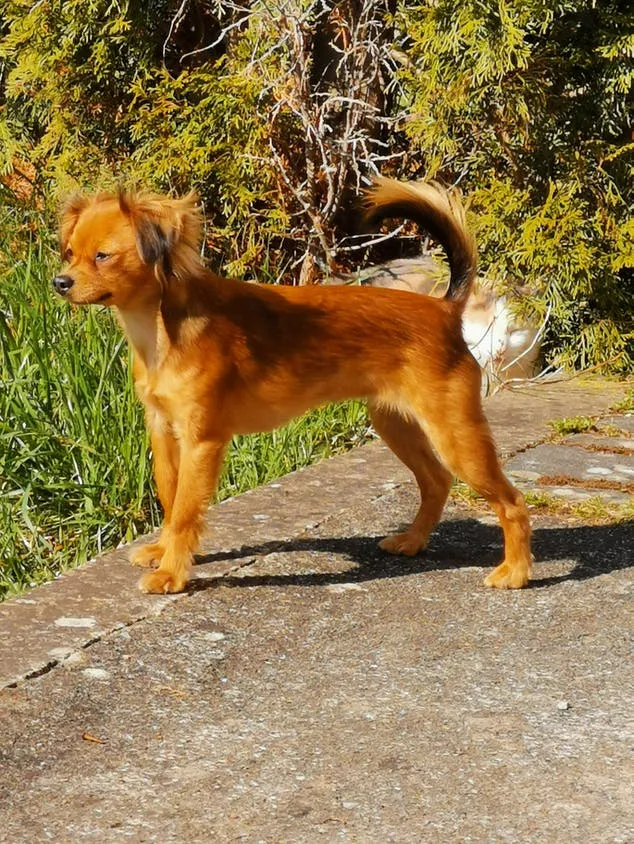
Russkiy Toy (Longhair)
Health grade BThe Russkiy Toy is a tiny but surprisingly courageous dog—bred as a lively companion for the Russian aristocracy, it moves through life with the self-confidence of a giant, despite its delicate stature.
- Height22–27 cm
- Weight1–3 kg
- Life expectancy12–15 yrs
- Puppy price1,000–2,500 €
- Energy3/5
The Essentials at a Glance
The Russkiy Toy is a tiny but surprisingly courageous dog—bred as a lively companion for the Russian aristocracy, it moves through life with the self-confidence of a giant, despite its delicate stature.
- Health grade B: The Russkiy Toy (Longhaired) is a comparatively robust toy breed, though it is prone to health issues typical of smaller dogs.
- You are looking for an extremely people-oriented companion who prefers to follow you everywhere like a shadow—it was specifically bred for this kind of close bond.
- You live in a city apartment and want a dog that is perfectly content with relaxed daily walks to stay balanced.
- You expect absolute silence in a thin-walled apartment—as a vigilant companion, it will reliably and often quite shrilly announce every strange noise at the door.
Is the Russkiy Toy (Longhair) right for you?
At a glance
Russkiy Toy (Longhair) overview
The essentials — key facts, traits, and health priorities — before you dive deeper.
Health grade
Relative to other breeds
S
A
B
C
D
E
Very healthyHigher risk
Solid — a handful of items a good breeder watches.
See full health info & tests →
Note: This health overview is AI-assisted and editorially reviewed. It is for orientation only and does not replace veterinary advice.
Lifespan
12–15 yrs
Height
22–27 cm
Weight
1–3 kg
Practical
- Puppy price: 1,000 – 2,500 €
- Coat: Long-haired, soft, without undercoat
- Origin: Russia
Temperament
Energy
Trainability
Family fit
With kids
Daily life
Care effort
Shedding
Barking
City-friendly
Guard instinct
What matters most
Especially with a Russkiy Toy (Longhair), choosing the right breeder is the single most important decision you'll make. Serious breeders consistently test the parents for inherited conditions, prioritize healthy early socialization, and stay accountable long after handover. A cheap puppy without health screening tends to become the most expensive dog later on.
See HonestDog breeder standards →Colors & coat
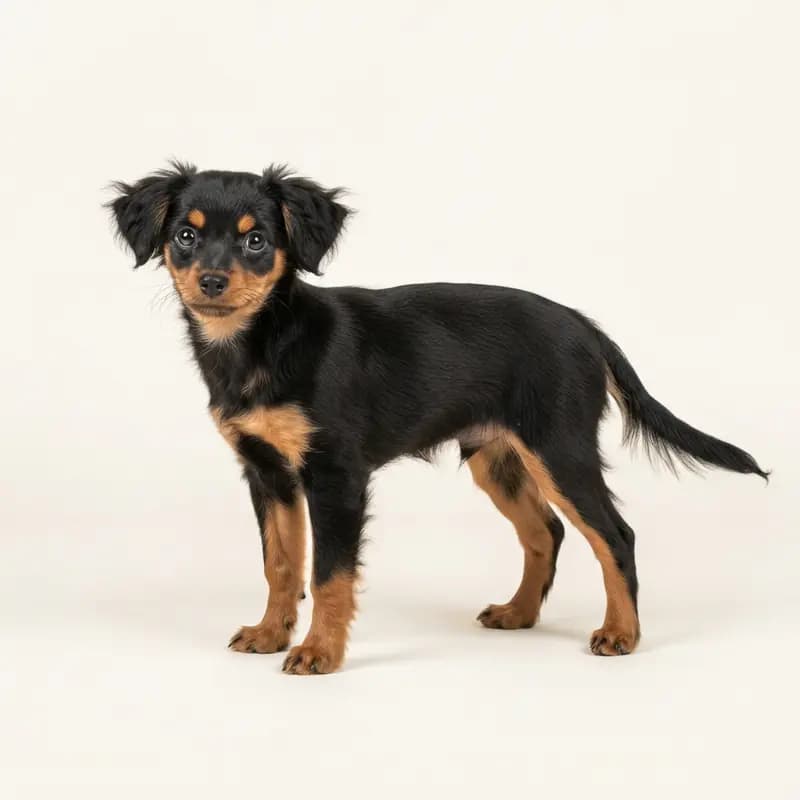
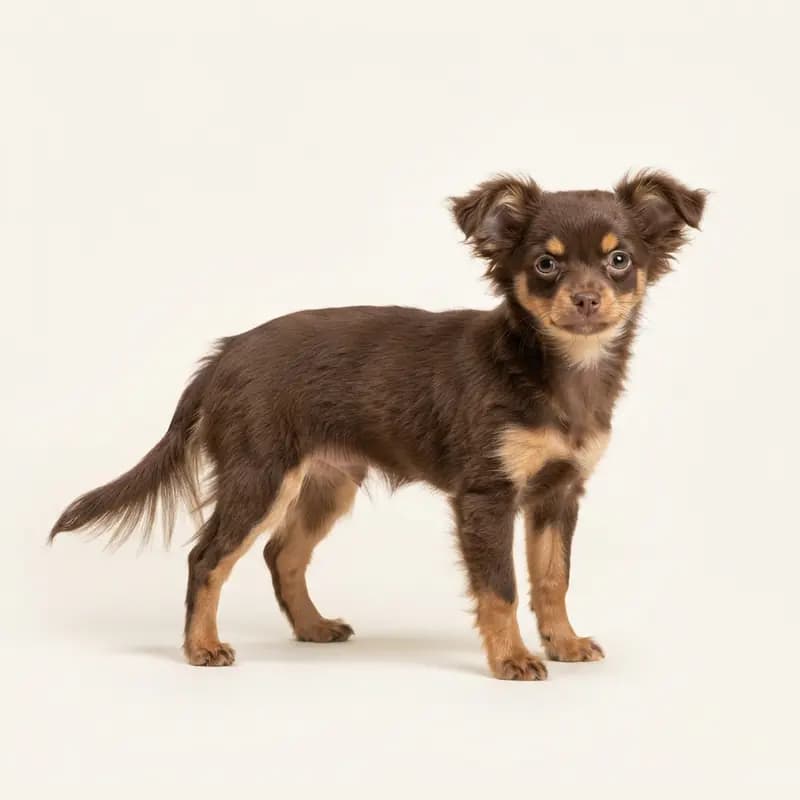
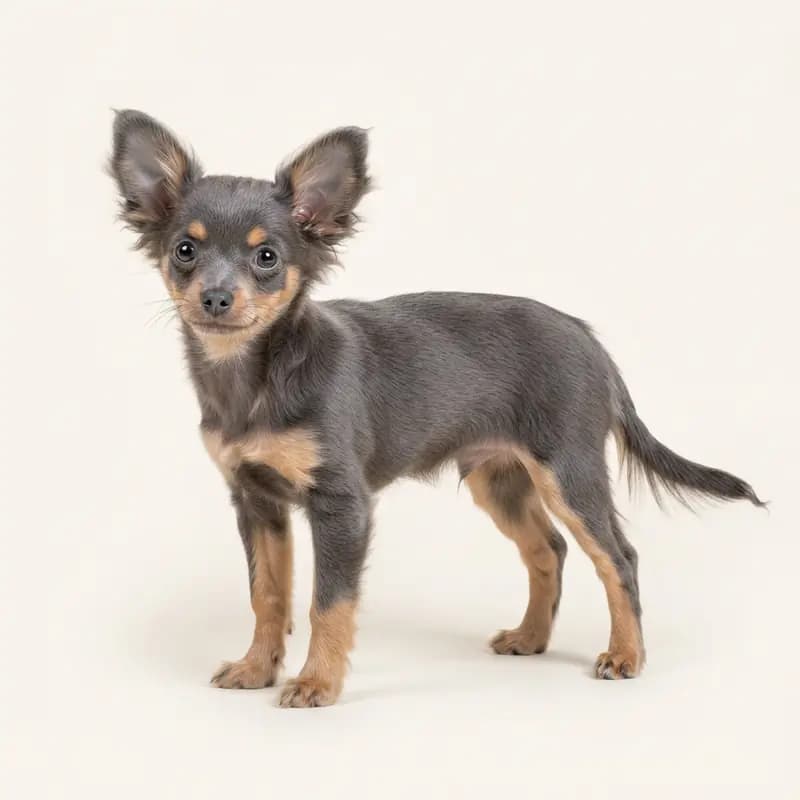
What colors does the Russkiy Toy (Longhair) come in?
The coat colors you will see in Russkiy Toy (Longhair) litters — including which ones fall outside the breed standard and which carry genetic risk.
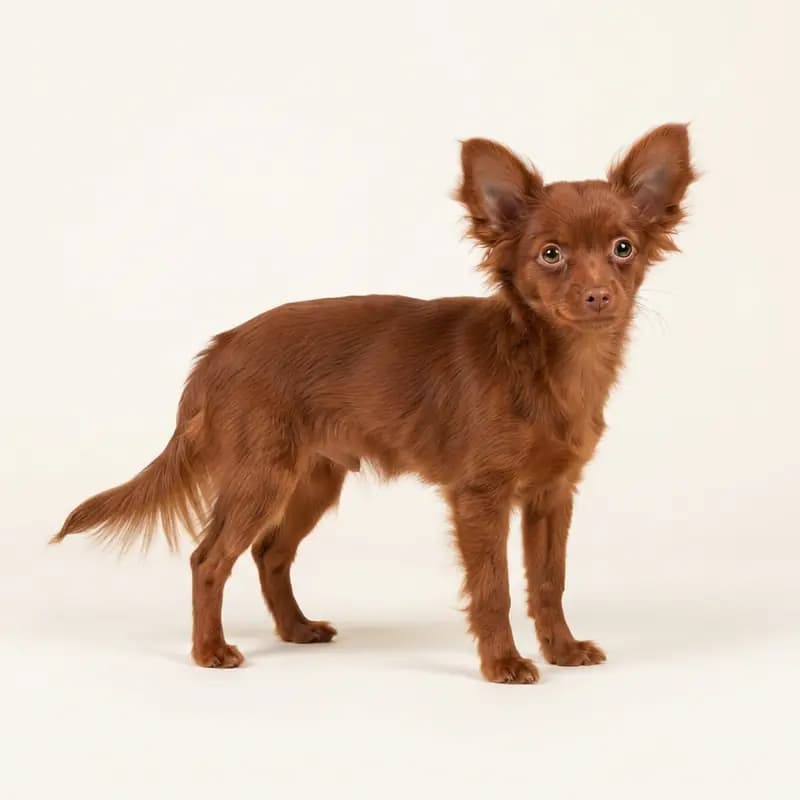
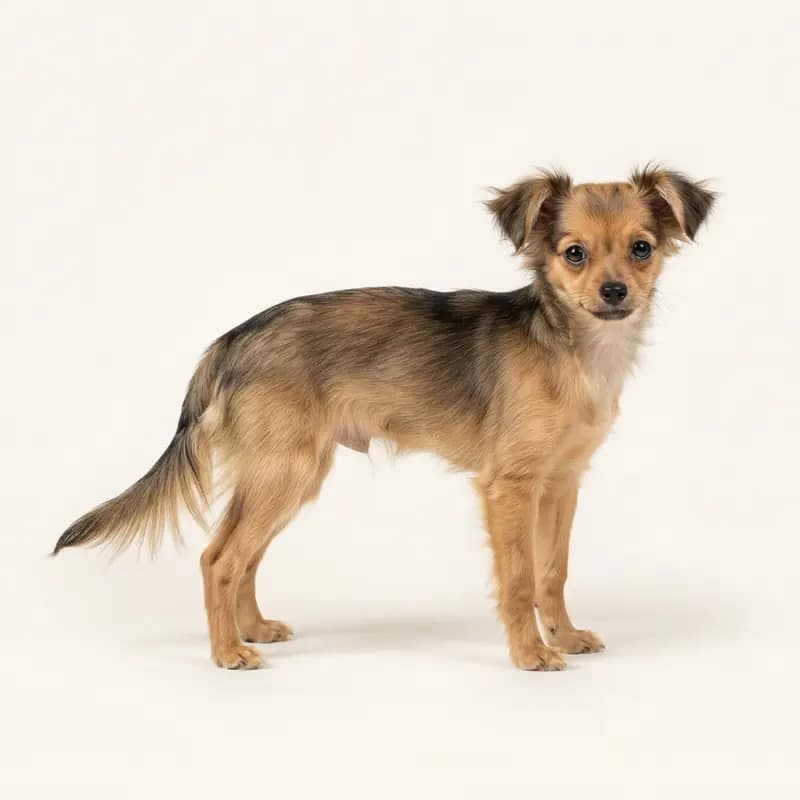
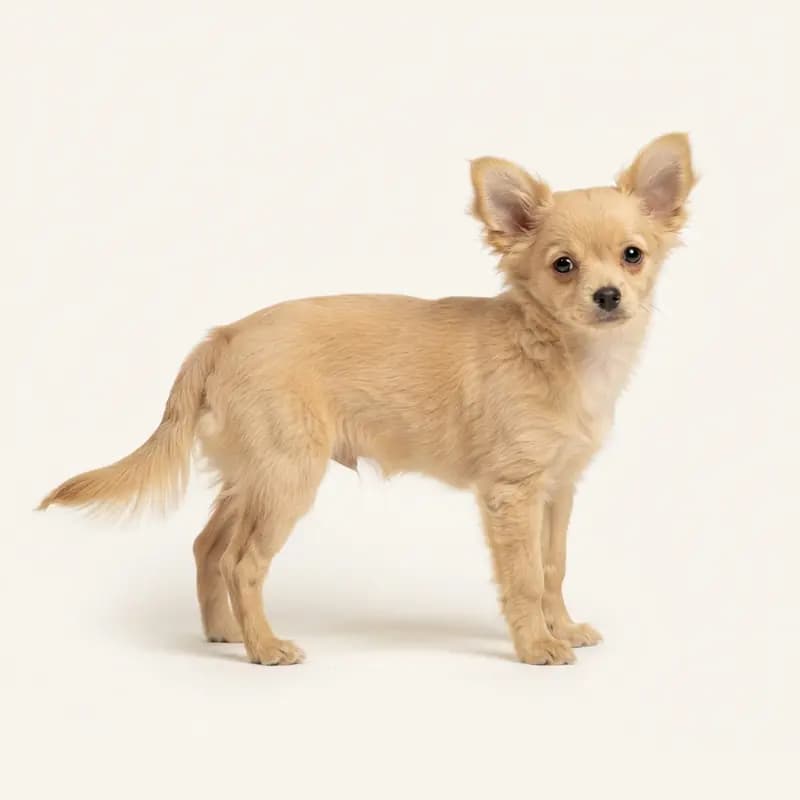
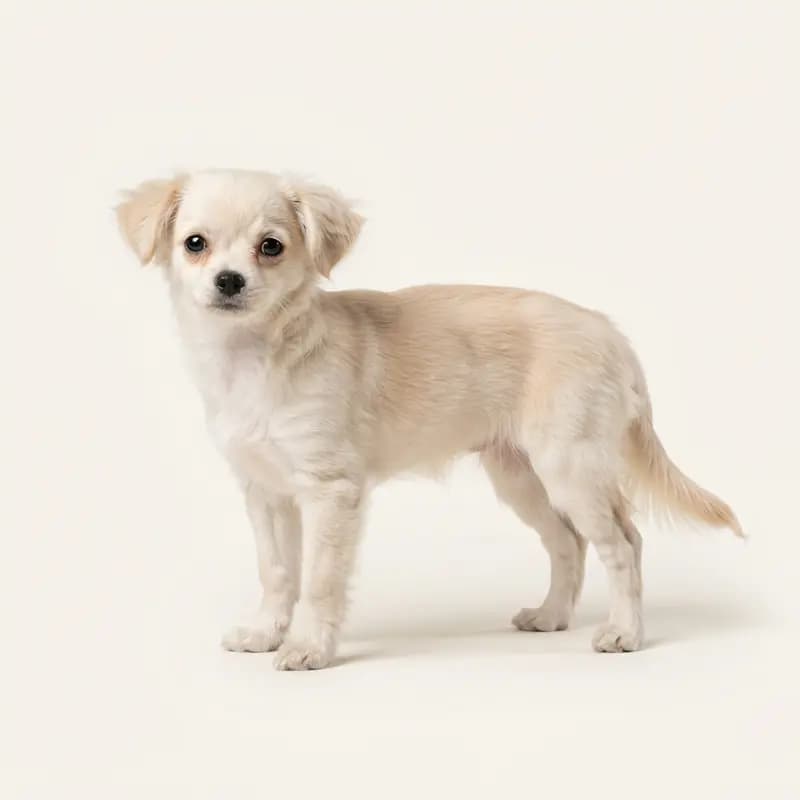
Eye colors
 Brown
Brown
Coat type
 Long
Long
Is the Russkiy Toy (Longhair) right for you?
The Russkiy Toy is a tiny but surprisingly courageous dog—bred as a lively companion for the Russian aristocracy, it moves through life with the self-confidence of a giant, despite its delicate stature.
Perfect for you if:
- You are looking for an extremely people-oriented companion who prefers to follow you everywhere like a shadow—it was specifically bred for this kind of close bond.
- You live in a city apartment and want a dog that is perfectly content with relaxed daily walks to stay balanced.
- You are sensitive enough to guide a physically very fragile creature safely through the hustle and bustle of everyday life without wrapping it in cotton wool and making it anxious.
- You enjoy teaching tricks to even the smallest of dogs, as its bright, terrier-like mind needs to be challenged.
Less ideal if:
- You expect absolute silence in a thin-walled apartment—as a vigilant companion, it will reliably and often quite shrilly announce every strange noise at the door.
- You have small, boisterous children in the household who cannot yet gauge the immense physical fragility of this lightweight dog during wild play.
- You are looking for a robust outdoor companion for hours of hiking in the rain, jogging sessions, or rough encounters at the dog park.
The real vibes check
A Russkiy Toy is not a silent handbag accessory—it is a full-fledged, strong-willed dog in XS format that often thinks it is a lion. If you protect its delicate bones in daily life but treat its proud spirit with the same consistency as a large dog, you will have the most loyal and lively companion imaginable.
Self-check
Would the Russkiy Toy (Longhair) really fit your life?
Answer 6 quick questions about your everyday life and see how well the Russkiy Toy (Longhair) fits you — including an honest cost estimate per month, per year, and across the dog's lifetime.
Fit checkCost estimateRisk dice
Takes about 1 minute · free & anonymous
Breed Profile
The Russkiy Toy, also known as the Russian Toy Terrier, is one of the smallest dog breeds in the world, but don't let his small size fool you because he has a big heart and lots of personality. With his large, expressive eyes and large, high ears that are always attentive, he has an adorable appearance that makes him a real eye-catcher. He is an elegant and graceful dog, whose physique is harmonious and well-proportioned. The FCI (F"d"ration Cynologique Internationale) lists the Russkiy Toy in Group 9, the group of companion and companion dogs. A distinction is made between the long-haired and the short-haired variant, with the long-haired having silky, soft hair with pronounced fringes on the ears and tail. The short-haired variant has a smooth, short and close-fitting coat. In contrast to other dog breeds, there are no distinctions between performance and show lines in the Russkiy Toy, as it is purely a companion and companion dog breed.
All measurements in detail
- Height
- 22 - 27 cm (Female), 22 - 27 cm (Male)
- Weight
- 1 - 3 kg (Female), 1 - 3 kg (Male)
- Life Expectancy
- 12 - 15 yrs
- Character
- Lively, affectionate, cheerful
- Coat
- Long-haired, soft, without undercoat
- Coat Color
- All colors allowed
- Price
- 1000 - 2500 €
Character & Temperament
Despite its small size, the Russkiy Toy is a dog with an extremely lively and courageous personality. He is a cheerful and sociable companion who always wants to be the center of attention. His affectionate and loving nature makes him an ideal companion for people who can and want to spend a lot of time with their dog. As a companion dog, he is very people-oriented and builds a close bond with his owners. He always tries to please them and is therefore very obedient and willing to learn. However, his lively and playful nature also means that he likes to be kept busy and entertained. Despite his size, he needs enough exercise and mental stimulation to be happy and balanced. With its adaptable and flexible nature, the Russkiy Toy copes well in various living situations, be it in a city apartment or in the country. He can learn to be well alone if he is properly prepared, but he should not be left alone for long periods of time as he needs the company of his people. As a rule, the Russkiy Toy does not show any pronounced hunting or prey-catching behavior, as it was primarily bred as a companion and companion dog. However, he is very alert and alert and will quickly alert his owners to new or unusual noises and movements. The Russkiy Toy is usually very friendly and open to strangers, but can also be a little reserved and wait-and-see. However, with good socialization from an early age, he learns to cope with new people and situations calmly and confidently. He also gets along well with other dogs and animals, especially if he is used to them from an early age. Overall, the Russkiy Toy is a lovable, adaptable and fun-loving little dog that can offer its owner a lot of joy and companionship. It is ideal for people who are looking for a small, easy-care companion that can accompany them everywhere. With his lively and cheerful personality, he is a real ray of sunshine who can brighten up anyone's day.
| Trainability Willing to learn with clear rules and regular training. | Balanced |
| Watchfulness Occasionally alerts but is fundamentally open. | Low |
| Openness to Strangers Neither pushily friendly nor suspicious. | Neutral |
| Hunting or Herding Drive Barely any prey drive — small animals trigger nothing. | Very low |
Fun Fact!
Did you know that the Russkiy Toy was originally bred in Russia in the 20th century to create a miniature version of the English Toy Terrier after the breed's popularity declined in Russia?
What Awaits You
The Russian Toy is a small, elegant, lively dog with long legs, fine bones and slim muscles. He is active and cheerful, has a strong intelligence and wants to please. This breed loves to cuddle and be close to its people, although it can sometimes be a bit aloof with strangers. They are neither fearful nor aggressive.
Housing & Care
The Russkiy Toy is an adaptable little dog that does well in both the city and the country. Its small size makes it ideal for living in an apartment or small house as long as it gets enough exercise and activity. He usually gets along well with children, but should be handled with caution due to his small size. This breed also typically gets along well with cats and other pets, provided they are well socialized.
- Family Friendly
Loves family life and thrives in a group.
Family-oriented - Child Friendly
Takes boisterous and affectionate children in its stride.
Patient with children - Dog Friendly
Actively enjoys the company of other dogs.
Dog-friendly - City Friendly
Small space, noise, lots of people — no problem at all.
Ideal city dog
Owning a dog is a privilege, but it's also a real responsibility. Before you bring one into your life, be honest with yourself about the commitment it takes.
Training & Education
Despite their small size, Russkiy Toys are lively and energetic dogs that require a reasonable amount of exercise and mental stimulation. They learn quickly and respond well to positive reinforcement and motivational training. They are good at learning various dog sports such as agility or obedience and often enjoy the training and the challenge. This breed does not typically show tendencies to become ball junkies, but like all dogs, they enjoy playing with balls and other toys. It is important that the dog learns to develop frustration tolerance and impulse control, otherwise he may become too pushy or demanding. The Russkiy Toy brings a lot of energy and curiosity and it is important to encourage these qualities to have a happy and well-balanced dog. Since they are not a specific working dog breed, they do not need a specific task to keep them happy, but they do benefit from regular activity and mental stimulation.
Nutrition & Care
Like all dogs, the Russkiy Toy needs a balanced diet tailored to his age, weight and health. High-quality food specifically tailored to the needs of small breeds is often the best choice. It is important to avoid being overweight as this can put additional stress on the dog's small joints. The long-haired variant of the Russkiy Toy has a soft, long coat with no undercoat that requires regular grooming to prevent matting. Regular brushing and occasional trimming will help keep the coat in good condition. The Russkiy Toy does not shed a lot and is therefore often a good choice for people with allergies. This breed copes well with the climate in Germany, but requires a small coat or sweater to stay warm in cold weather.
| Care Level Regular brushing and occasional professional grooming. | Moderate |
| Exercise Needs Needs 1–2 hours of real exercise daily. | Active |
| Shedding No or minimal hair loss — suitable for allergy sufferers. | No shedding |
| Trainability Willing to learn with clear rules and regular training. | Balanced |
Our experts are still reviewing this information. Spotted something wrong? Email us at info@honestdog.de.
Health & hereditary diseases
Health
B
Solid
Health grade
The Russkiy Toy (Longhaired) is a comparatively robust toy breed, though it is prone to health issues typical of smaller dogs. Patellar luxation and eye conditions such as Progressive Retinal Atrophy (PRA) are known risks for which parent dogs should be screened. Additionally, dental issues caused by persistent puppy teeth are common and require regular monitoring.
Grade is relative to other breeds — AI-assisted and editorially reviewed.
In daily life this can mean
In everyday life, you should be mindful of their very fine bones, schedule regular dental and eye check-ups, and protect the dog from the cold in winter.
The breeder's role
Reputable breeders have the parents' knees and eyes examined, pay attention to a healthy bite, and avoid extreme miniaturization to reduce risks within the bloodline.
Note: This health overview is AI-assisted and editorially reviewed. It is for orientation only and does not replace veterinary advice.
No Health Tests Available
No specific health tests are currently available for this breed.
Costs & where to find one
How much does a Russkiy Toy (Longhair) cost?
A Russkiy Toy (Longhair) costs around ~€160 per month (€80 – €290, depending on your setup). The first year adds up to roughly ~€4,500 including purchase, equipment and puppy school; across the dog's life (13.5 years) it comes to about ~€28,460.
With surgery cover, running costs come to about ~€150 per month — in return, your share of a major operation drops from several thousand euros to around 20 percent.
Per month
~€160
In the first year
~€4,500
Across the dog's life
~€28,460
Purchase from a breeder: €1,000 – €2,500
Estimate at a mid-range setup (suburban, dry food, 1–2 hours of daily exercise), average German prices, as of July 2026.
Calculate your personal costs1-minute self-check with your own answers
Looking for a Russkiy Toy (Longhair)?
HonestDog Concierge
No verified Russkiy Toy (Longhair) breeders on HonestDog yet
We currently have no breeders for this breed who have passed our verification. Create your short buyer profile: we'll set up your search alert, review a possible source and email you within 28 days.
Appearance, variants & origin
History
The full history
The roots of the Russkiy Toy trace back to the English Toy Terrier, which was highly popular among the Russian aristocracy as an elegant companion dog during the 18th and 19th centuries. With the October Revolution in 1917, the breeding of these luxury dogs, considered status symbols, almost completely ceased, causing the population to shrink drastically. In the 1950s, breeders in Moscow began to rebuild the breed. Because the Iron Curtain prevented the import of dogs from the West, they relied on the few remaining small dogs, often without pedigrees. This led to the development of a distinct type that differed significantly from its English ancestor. The origin of the long-haired variety dates back to 1958. From the mating of two smooth-haired dogs, a natural mutation produced a male named Chikki, who displayed noticeable fringes of hair on his ears. Breeders purposefully cultivated this trait, resulting in the Moscow Longhaired Toy Terrier. Conceived purely as a companion and lap dog, the Russkiy Toy remained unknown outside the Soviet Union for a long time. The Fédération Cynologique Internationale granted the breed provisional recognition in 2006 and finally official recognition in 2017.
Original Use
The Russkiy Toy was bred as a small companion dog for the Russian aristocracy.
Origin
Russia
Date
1800
Owner experiences
What owners say about the Russkiy Toy (Longhair)
Susanne B., Halterin aus Hessen (Hündin, seit 2022)
Als ich auf der Suche nach einem kleinen, unkomplizierten Begleiter war, bin ich eher zufällig auf den langhaarigen Russkiy Toy gestoßen. Meine Hündin ist für mich der absolute Traumhund geworden – sie wiegt gerade mal zwei Kilo, ist aber ein riesiges Bündel an Liebe. Sie ist extrem menschenbezogen und quasi direkt auf mir eingezogen. Am liebsten kuschelt sie stundenlang oder liegt einfach ganz ruhig auf meinem Schoß, während ich am Laptop arbeite.
Aber man darf sich von der Größe nicht täuschen lassen: Draußen ist sie unglaublich aktiv, flitzt wie ein geölter Blitz herum und apportiert leidenschaftlich gerne Stöckchen. Meistens kann ich sie problemlos ohne Leine laufen lassen, weil sie mir ohnehin auf Schritt und Tritt folgt.
Die größte Herausforderung ist ihre Zartheit. Mit so einem winzigen Hund muss man im Alltag extrem aufpassen, besonders bei Begegnungen mit größeren Hunden oder wenn Kinder im Haus sind, da die Knochen wirklich filigran sind. Zudem neigt sie terriergemäß dazu, jedes ungewöhnliche Geräusch sofort lautstark zu melden. Ohne konsequente Erziehung von Anfang an hätte ich hier schnell einen echten Kläffer sitzen gehabt.
Michael T., Halter aus Nordrhein-Westfalen (Rüde, seit 2020)
Mein langhaariger Rüde zeigt im Alltag ganz deutlich, dass in diesem kleinen Körper ein echter Charakter steckt. Viele Leute halten ihn wegen seiner Optik für ein reines Schoßspielzeug, aber das ist er ganz und gar nicht. Er ist extrem aufgeweckt, mutig und möchte überall im Mittelpunkt stehen. Wenn wir unterwegs sind, fordert er seine Beschäftigung regelrecht ein.
Ein Thema, das wir von Anfang an intensiv trainieren mussten, ist seine Neigung zur Selbstüberschätzung. Nach dem Motto 'kleiner Mann, ganz groß' neigt er dazu, andere Hunde – egal welcher Größe – lautstark anzukläffen. Eine frühe und gute Sozialisierung in einer Welpenspielgruppe war für uns deshalb absolut überlebenswichtig.
Manchmal kommt bei ihm auch eine gewisse Sturheit durch. Wenn ihm etwas nicht passt, stellt er einfach auf stur. Da hilft nur liebevolle, aber absolut konsequente Führung. Wer bei diesem Blick Ausnahmen macht, wird schnell ausgetrickst, denn die Rasse lernt extrem schnell, wie sie ihren Willen durchsetzen kann.
Annett K., Halterin aus Sachsen (Hündin, seit 2023)
Ich liebe meine kleine Russkiy-Toy-Hündin über alles. Sie ist unfassbar klug, lernt Tricks im Handumdrehen und ist im Haus eine ganz sanfte, anschmiegsame Begleiterin. Trotzdem mussten wir lernen, dass die Rasse in gesundheitlicher Hinsicht ein paar Besonderheiten mitbringt, auf die man vorbereitet sein sollte.
Schon im Welpenalter hatten wir mit einem sehr empfindlichen Verdauungssystem zu kämpfen. Wir mussten lange nach dem passenden Futter suchen, da sie schnell mit Magen-Darm-Problemen reagierte. Zudem muss man wegen des Risikos von Patellaluxation (Kniescheibenproblemen) im Alltag sehr darauf achten, dass sie nicht unkontrolliert von hohen Sofas oder Betten springt.
Auch das Wetter ist ein Thema: Da sie sehr zierlich ist und kaum wärmende Unterwolle besitzt, friert sie im Winter extrem schnell. Ohne passenden Hundemantel geht bei nasskaltem Wetter gar nichts. Wer sich auf diese rassetypischen Pflege- und Gesundheitsaspekte einstellt, bekommt aber einen treuen und absolut liebenswerten Partner.
Paraphrased from real owner reports
Loading owner stories
FAQ & more
Frequently asked questions about the Russkiy Toy (Longhair)
Is a Russkiy Toy (Longhair) the right dog for me?
The Russkiy Toy (Longhair) is an adaptable dog that adjusts well to various lifestyles. Research the temperament, grooming needs, and space requirements before deciding.
How long does a Russkiy Toy (Longhair) live?
The average life expectancy of a Russkiy Toy (Longhair) is 12-15 years. With proper care and regular vet visits, your dog can live a long, healthy life.
How much grooming does a Russkiy Toy (Longhair) need?
Russkiy Toy (Longhair) grooming requirements include regular brushing, nail trimming, and dental care. HonestDog provides detailed grooming tips for every breed.
Is a Russkiy Toy (Longhair) good for families with children?
The Russkiy Toy (Longhair) can be a great family dog. Proper training and socialization are key. HonestDog provides family suitability information for every breed.
What colors does the Russkiy Toy (Longhair) come in?
The Russkiy Toy (Longhair) comes in these colors: Black and tan, Brown and tan, Blue and tan, Red, Sable, Fawn, Cream.
Loading related articles
Are you a Russkiy Toy (Longhair) breeder?
Showcase your kennel on HonestDog and reach families searching for a responsibly bred Russkiy Toy (Longhair).
Why HonestDog?
What makes HonestDog different from other platforms
Full transparency
We lay out what we have: who the breeder is, how they work, and any health records they've uploaded. So you can judge for yourself.
Responsible breeding, assured
Every breeder on HonestDog has their identity and documents checked before their profile goes live. Health records they upload are shown on the profile, so you can see exactly what has been tested.
Trust and verification
We verify breeders and buyers alike, so every conversation happens on solid ground. It's a new standard of trust in dog breeding.
Less hassle, more time
We've already checked the breeders' documents and gathered the details, so you can skip the endless research and focus on finding the right puppy for your family.
Our Mission

We connect dog lovers with responsible breeders and shelters to ensure every dog finds the perfect home.
Founded by dog enthusiasts, our platform focuses on ethical dog breeding and adoption.
Why HonestDog?
We connect you with vetted breeders and shelters so you can find your — your new companion — with confidence.
Vetted Partners
Only verified breeders and shelters — for a safe start.
Highest Standards
Every animal's health and wellbeing is our top priority.
Guides & Resources
Guides, checklists, and breed profiles — so you can make a well-informed decision.