Loading breed

Pekingese
Health grade EThe Pekingese is a dignified, surprisingly independent companion dog—bred for centuries as an exclusive palace dog to be worshipped, not to follow commands.
- Height15–23 cm
- Weight3–6 kg
- Life expectancy12–14 yrs
- Puppy price1,800–3,000 €
- Energy2/5
The Essentials at a Glance
The Pekingese is a dignified, surprisingly independent companion dog—bred for centuries as an exclusive palace dog to be worshipped, not to follow commands.
- Health grade E: The Pekingese is classified with a grade E because it is subject to significant breed-specific health issues, primarily driven by Brachycephalic Obstructive Airway Syndrome (BOAS), Exposure Keratopathy Syndrome (exophthalmos, lagophthalmos, and/or macroblepharon), and painful skin fold dermatitis.
- You are looking for a calm, low-maintenance companion who is perfectly happy with short, leisurely daily walks.
- You appreciate canine independence and have a sense of humor when your dog treats commands more like well-intentioned but non-binding suggestions.
- You are looking for an athletic companion for jogging, cycling, or long hikes—its history as a carried palace dog and its compact anatomy categorically rule this out.
Is the Pekingese right for you?
At a glance
Pekingese overview
The essentials — key facts, traits, and health priorities — before you dive deeper.
Health grade
Relative to other breeds
S
A
B
C
D
E
Very healthyHigher risk
High risk — only worth it from a thoroughly tested program.
See full health info & tests →
Note: This health overview is AI-assisted and editorially reviewed. It is for orientation only and does not replace veterinary advice.
Lifespan
12–14 yrs
Height
15–23 cm
Weight
3–6 kg
Practical
- Puppy price: 1,800 – 3,000 €
- Coat: Long, dense, with an undercoat
- Origin: China
Temperament
Energy
Trainability
Family fit
With kids
Daily life
Care effort
Shedding
Barking
City-friendly
Guard instinct
What matters most
Especially with a Pekingese, choosing the right breeder is the single most important decision you'll make. Serious breeders consistently test the parents for inherited conditions, prioritize healthy early socialization, and stay accountable long after handover. A cheap puppy without health screening tends to become the most expensive dog later on.
See HonestDog breeder standards →Colors & coat
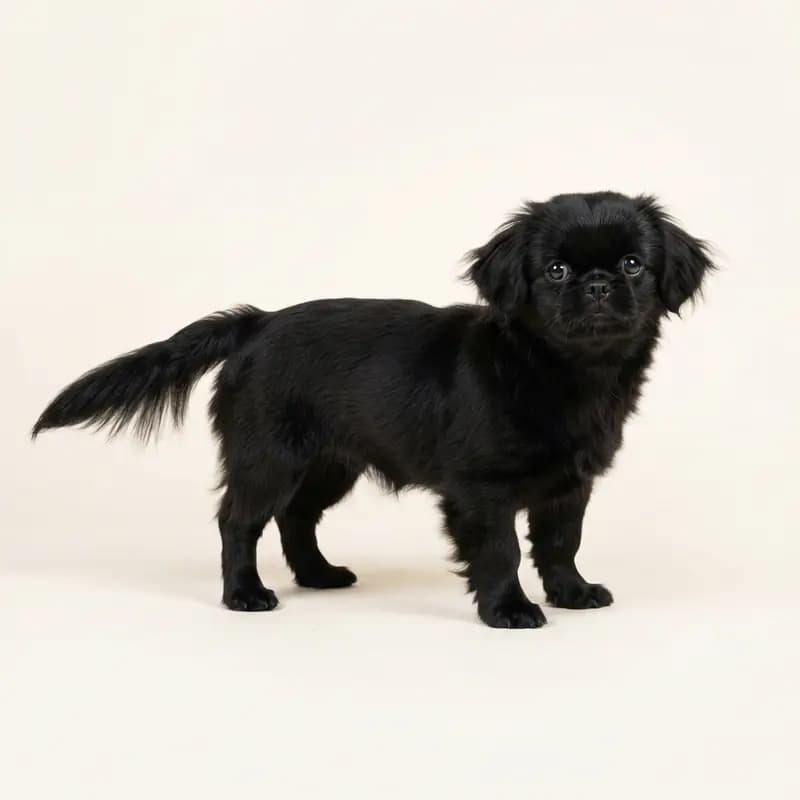
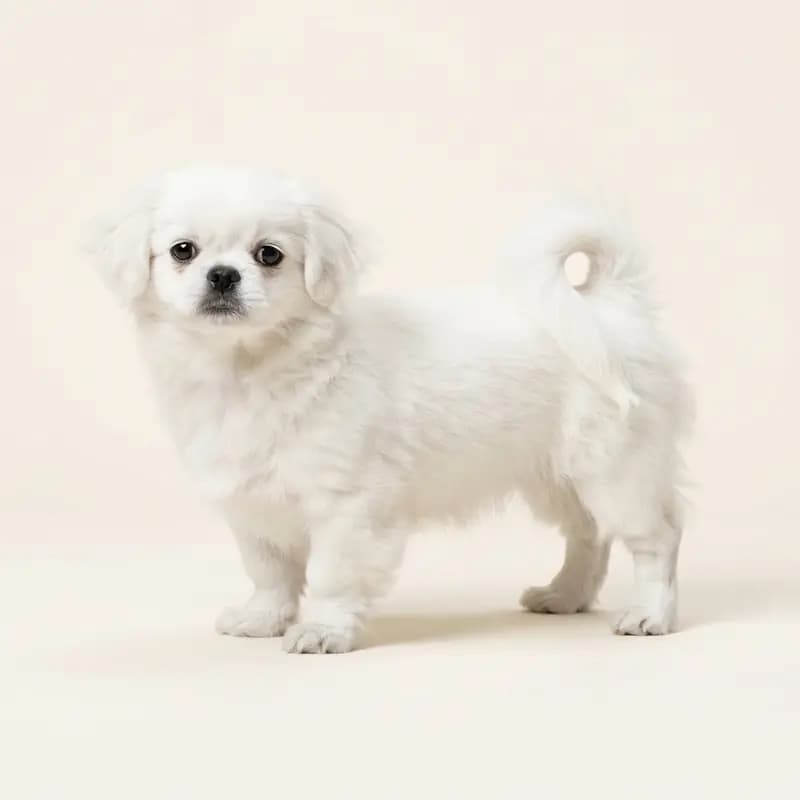
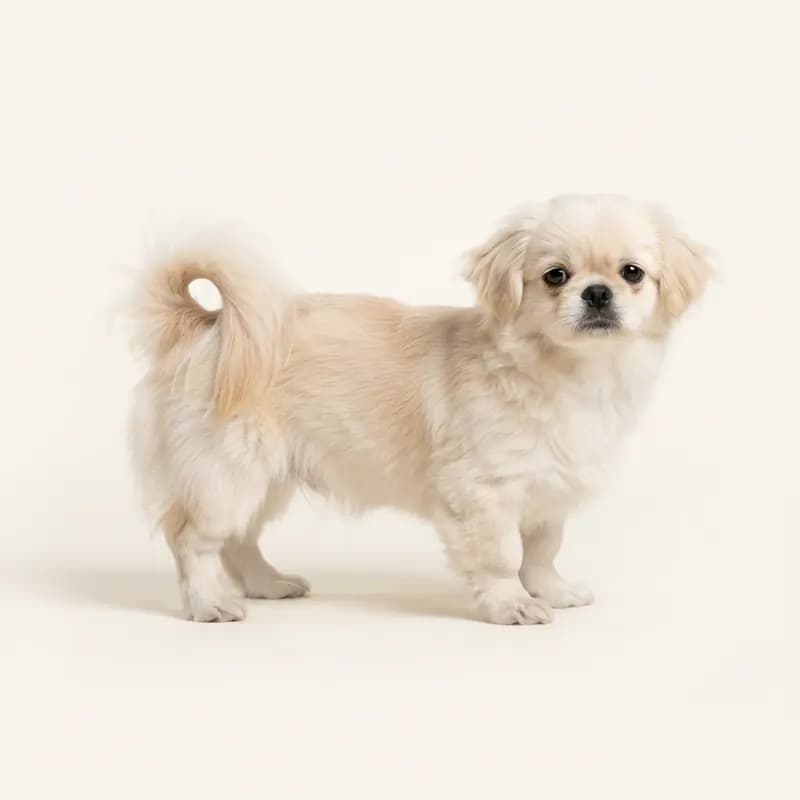
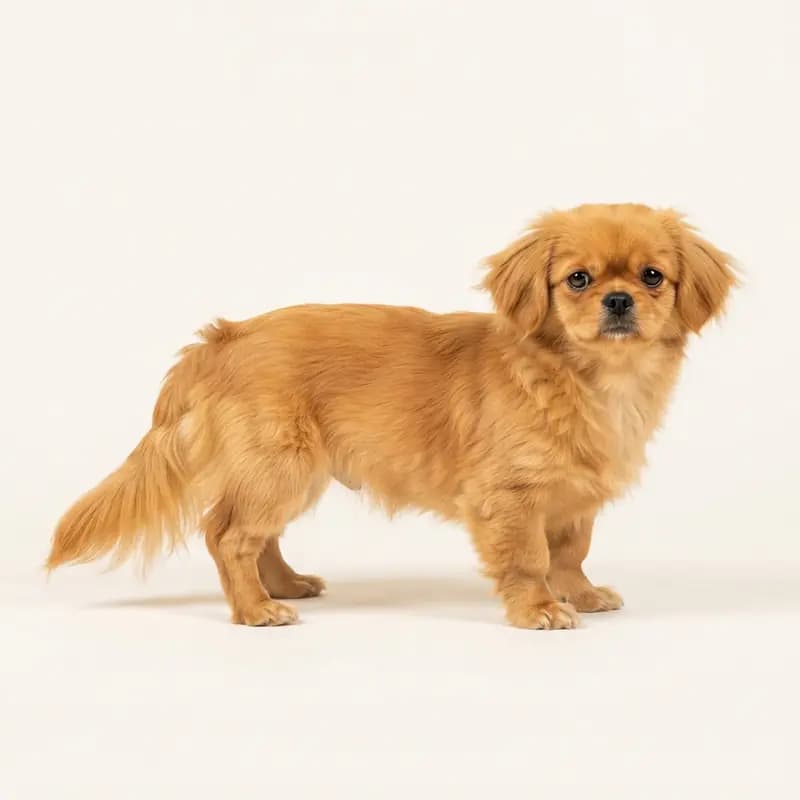
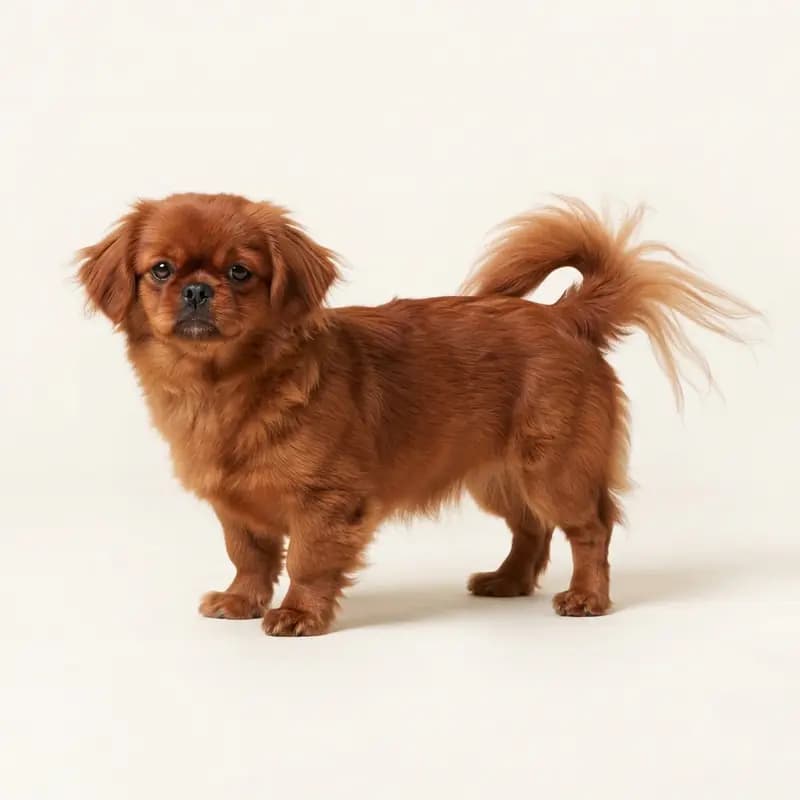
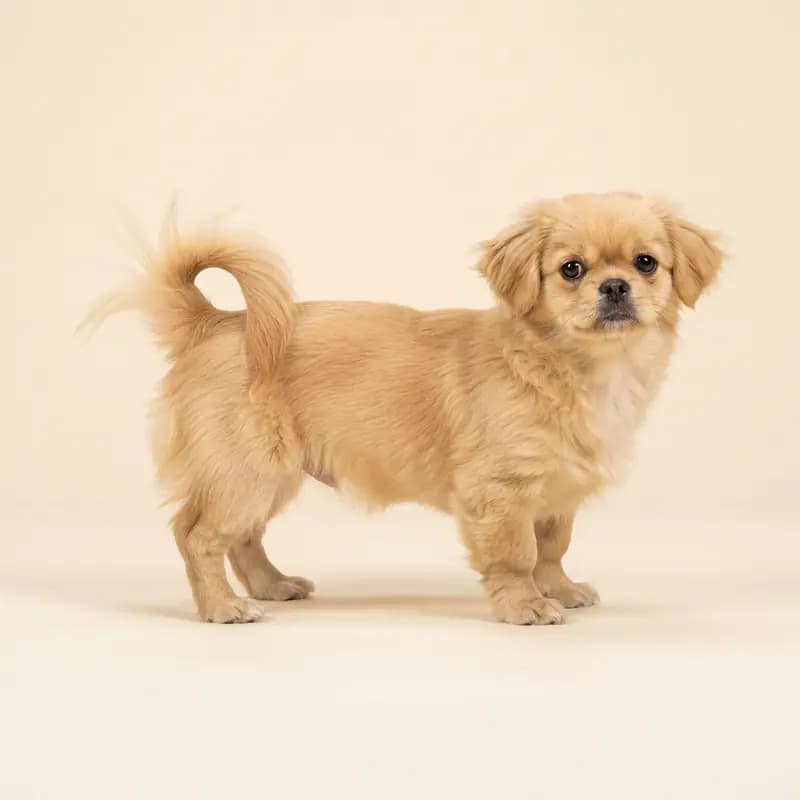
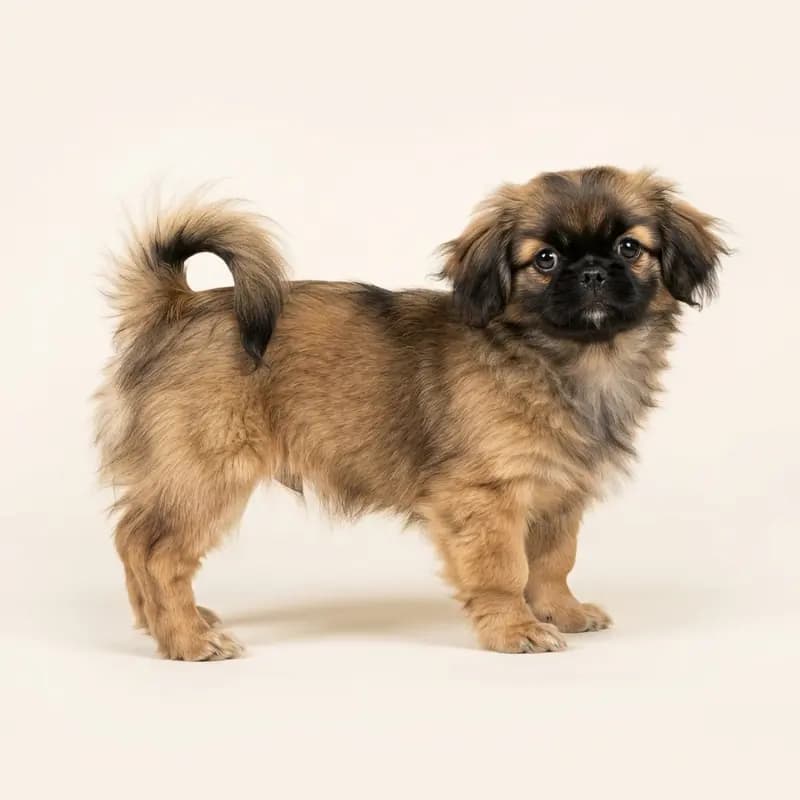
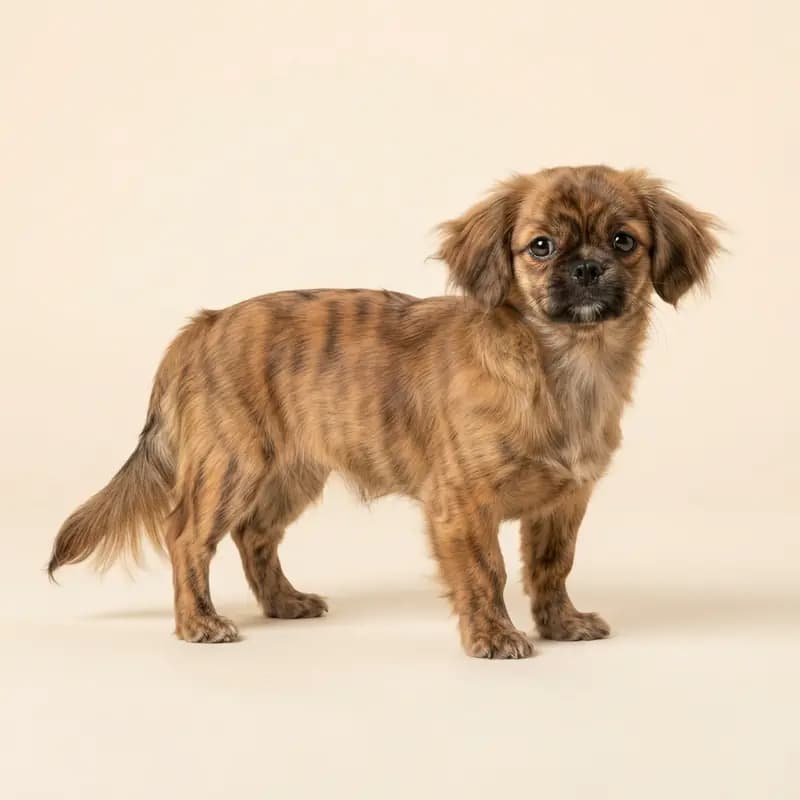
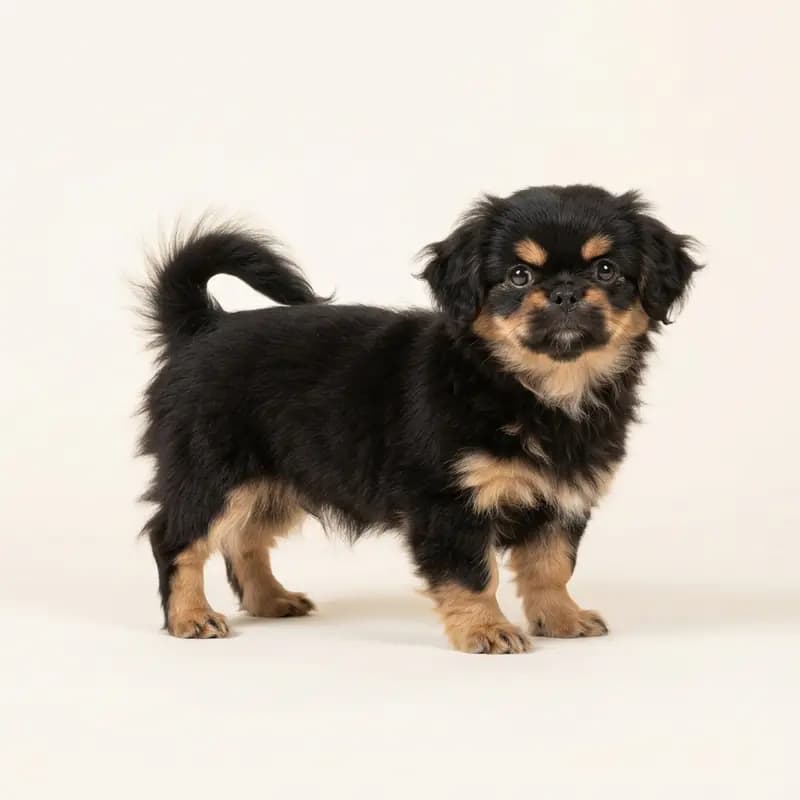
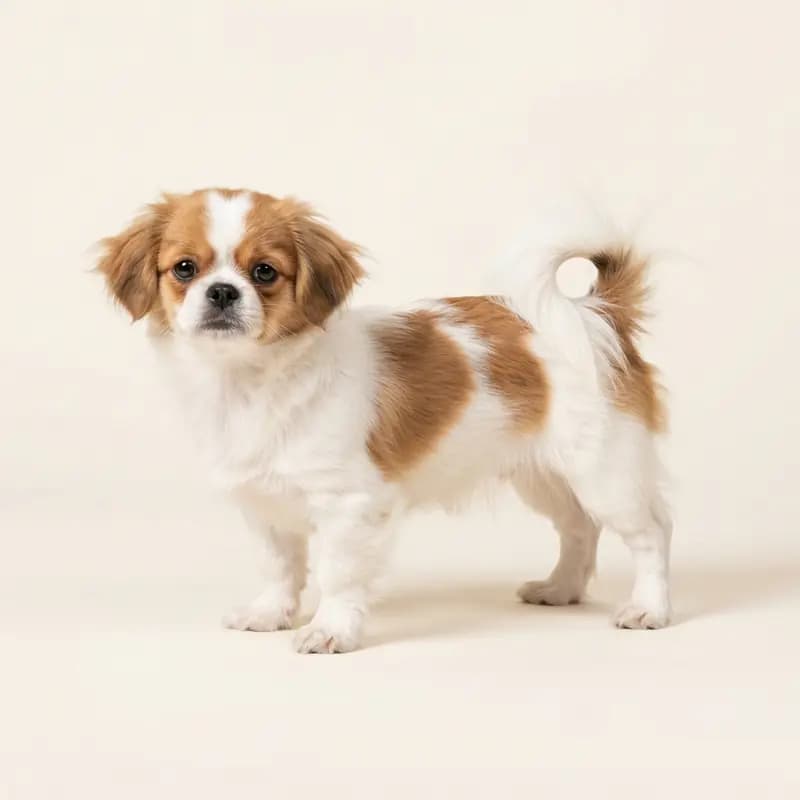
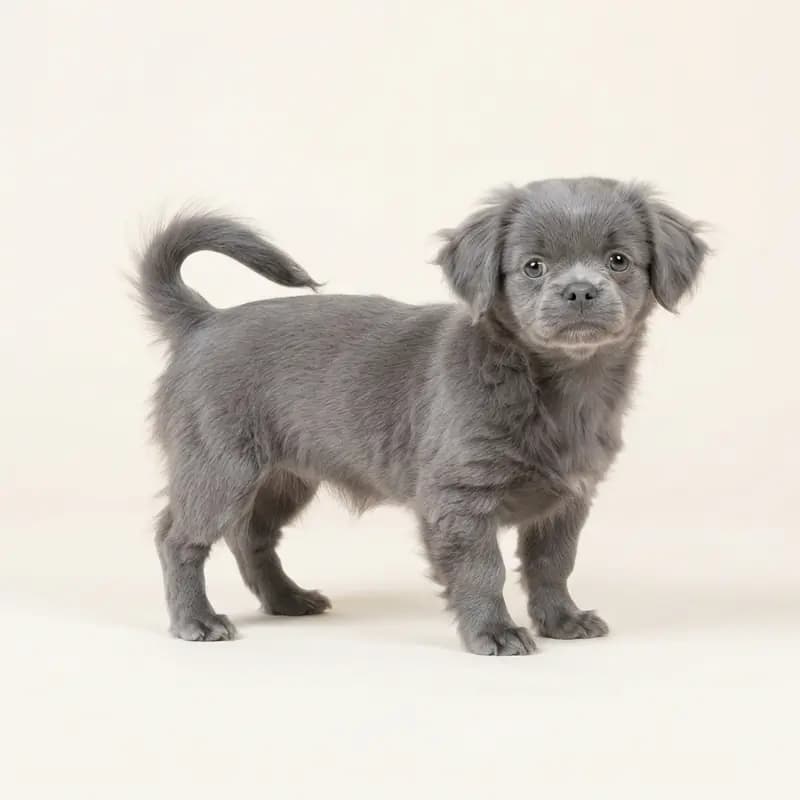
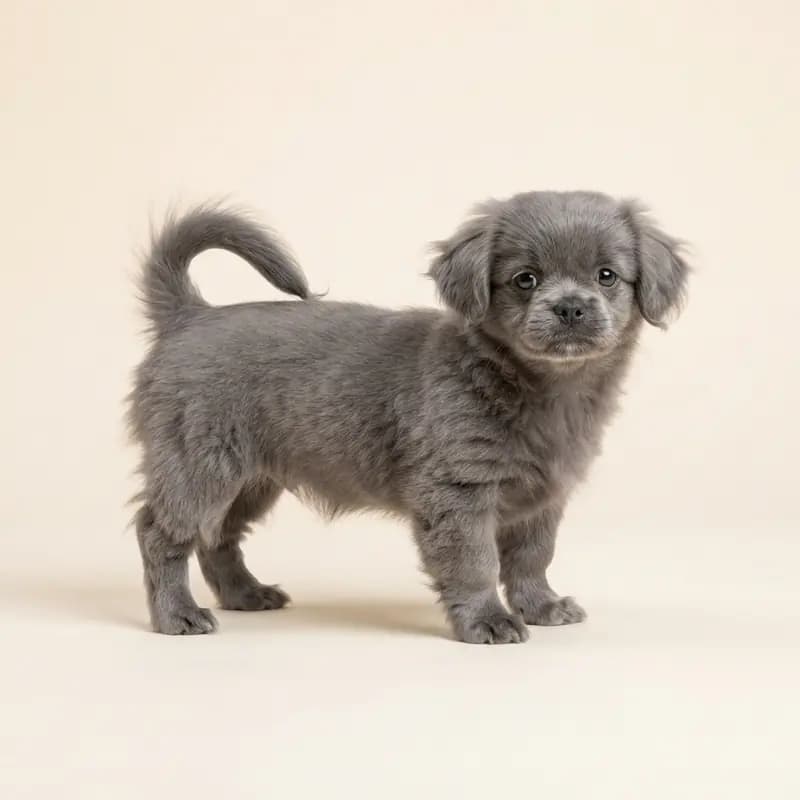
What colors does the Pekingese come in?
The coat colors you will see in Pekingese litters — including which ones fall outside the breed standard and which carry genetic risk.
Eye colors
 Brown
Brown
Coat type
 Long
Long Double coat
Is the Pekingese right for you?
The Pekingese is a dignified, surprisingly independent companion dog—bred for centuries as an exclusive palace dog to be worshipped, not to follow commands.
Perfect for you if:
- You are looking for a calm, low-maintenance companion who is perfectly happy with short, leisurely daily walks.
- You appreciate canine independence and have a sense of humor when your dog treats commands more like well-intentioned but non-binding suggestions.
- You live in an apartment and want an attentive roommate who isn't prone to hysterical barking.
- You want a dog that forms a deep, exclusive bond with its primary person rather than jumping into the arms of every stranger it meets.
Less ideal if:
- You are looking for an athletic companion for jogging, cycling, or long hikes—its history as a carried palace dog and its compact anatomy categorically rule this out.
- You expect the classic 'will-to-please' and want to shine on the training field with fast, joyful obedience.
- You have an extremely busy household with small children—the Pekingese demands respect and personal space and does not appreciate constant commotion at all.
The real vibes check
A Pekingese doesn't live with you; they grant you an audience on your sofa. What they lack in physical size, they easily make up for with lion-like self-confidence and a royal indifference toward nonsense like fetching balls. If you appreciate this charming arrogance, you will gain an unfailingly loyal companion; if you expect unconditional submission, you will both end up frustrated.
Self-check
Would the Pekingese really fit your life?
Answer 6 quick questions about your everyday life and see how well the Pekingese fits you — including an honest cost estimate per month, per year, and across the dog's lifetime.
Fit checkCost estimateRisk dice
Takes about 1 minute · free & anonymous
Breed Profile
The Pekingese, often called "Pekinese" is a small dog with a strikingly flat face and a long mane that makes it look like a small lion. His large, round eyes are expressive and his short legs carry him with a dignified gait. The FCI classifies the Pekingese in Group 9 of companion and companion dogs. There is no distinction between performance and show lines in this breed as the Pekingese is traditionally kept as a companion dog. The Pekingese's lush coat is long, dense and has an undercoat that requires special care.
All measurements in detail
- Height
- 15 - 23 cm (Female), 15 - 23 cm (Male)
- Weight
- 3 - 6 kg (Female), 3 - 6 kg (Male)
- Life Expectancy
- 12 - 14 yrs
- Character
- Confident, affectionate, calm
- Coat
- Long, dense, with an undercoat
- Coat Color
- All colors and patterns allowed
- Price
- 1800 - 3000 €
Character & Temperament
The Pekingese is a small dog with a big personality. He is confident and proud, but also very affectionate and loving towards his family. Despite his small size, he often feels like he is the protector of the home and tends to defend his territory and loved ones. He is a dog that claims his family as his own and builds a close bond with his owner. He enjoys getting attention and to be the center of attention. It's important to note that the Pekingese can be a bit stubborn at times, which means they need clearly defined boundaries and consistent training. Pekingese are not hyperactive dogs, but rather calm and calm. They are content to lie around the house and enjoy the company of their family. However, that doesn't mean they don't need activity - regular walks and playtime are important for their health and well-being. As for being alone, Pekingese can learn to stay alone for short periods of time, although they prefer the company of humans. It is advisable to teach them to stay alone from a young age to avoid possible separation anxiety. The Pekingese is not known as a hunting dog, but like many small dogs, it can exhibit prey-catching behavior, especially when it sees birds or squirrels. As a guard dog, the Pekingese is quite vigilant. He will probably let you know when visitors arrive, and he can also be quite territorial. It is important to manage this behavior through socialization and training. In terms of usage based on temperament, the Pekingese is primarily a companion dog. He is a great companion for people looking for an affectionate and loyal pet. His small size makes him ideal for living in an apartment or small house as long as he gets regular walks and activity.
| Trainability Willing to learn with clear rules and regular training. | Balanced |
| Watchfulness Reports unusual activity but stays controlled. | Moderate |
| Openness to Strangers Neither pushily friendly nor suspicious. | Neutral |
| Hunting or Herding Drive Barely any prey drive — small animals trigger nothing. | Very low |
Fun Fact!
In ancient China, Pekingese were believed to have magical powers that could ward off evil spirits!
What Awaits You
Due to the exaggeration of characteristics by breeding, the Pekingese is also a breed that is affected by several breeding characteristics.
Housing & Care
The Pekingese makes an excellent city dog because it doesn't require a lot of space. Its small size and calm temperament make it a good choice for apartments and small houses. Pekingese are quite tolerant of children, but due to their small size it is important that interactions are supervised, especially with very young children. They can also get along with cats and other pets if they are introduced to it from an early age.
- Family Friendly
Loves family life and thrives in a group.
Family-oriented - Child Friendly
Gets on well with children — with adult supervision.
With supervision - Dog Friendly
Can get on with dogs it knows — strangers are a different story.
With familiar dogs - City Friendly
Small space, noise, lots of people — no problem at all.
Ideal city dog
Owning a dog is a privilege, but it's also a real responsibility. Before you bring one into your life, be honest with yourself about the commitment it takes.
Training & Education
The Pekingese is intelligent but can also be a bit stubborn, which can make training challenging. It is important to work with patience and consistency. Positive reinforcement is key to training a Pekingese. He doesn't tend to be a "ball junkie" but he enjoys playtime and mental stimulation. Since Pekingese can sometimes be territorial, it is important to teach them frustration tolerance and impulse control. The breed is not suitable for high-performance sports, but light activities such as walks and simple tricks are good for them. It's important to pay attention to your dog's signals and make sure he isn't overwhelmed.
Nutrition & Care
Pekingese tend to be a bit picky when it comes to food. A balanced diet tailored to the dog's needs is crucial. The diet should contain high quality protein, fat and fiber. It is also important to pay attention to the Pekingese's weight as they can be prone to being overweight. In terms of grooming, the Pekingese has a dense undercoat and a long outer coat. This requires regular brushing to prevent tangles and remove dead hair. Pekingese shed moderately, but hair loss can be more severe during the menopause. The climate in Germany is generally suitable for Pekingese, but because of their thick coat, you should be careful in hot weather and make sure they do not overheat.
| Care Level Needs regular professional grooming — time-consuming and costly. | High-maintenance |
| Exercise Needs Enjoys daily movement but isn't a sports dog. | Moderate |
| Shedding Hair everywhere, always — no white clothing survives. | Very heavy |
| Trainability Willing to learn with clear rules and regular training. | Balanced |
Our experts are still reviewing this information. Spotted something wrong? Email us at info@honestdog.de.
Health & hereditary diseases
Health
E
High risks
Health grade
The Pekingese is classified with a grade E because it is subject to significant breed-specific health issues, primarily driven by Brachycephalic Obstructive Airway Syndrome (BOAS), Exposure Keratopathy Syndrome (exophthalmos, lagophthalmos, and/or macroblepharon), and painful skin fold dermatitis. A responsible breeder does everything possible to minimize these risks and has their breeding stock comprehensively tested for these and other breed-specific problems such as patellar luxation (PL) and mitral valve disease (MVD). Before buying, you should definitely request the official test results of the parents, which must prove a limit of grade 0 for patellar luxation (PL), a clear result for mitral valve disease (MVD), and a status of free for both Brachycephalic Obstructive Airway Syndrome (BOAS) and Exposure Keratopathy Syndrome (exophthalmos, lagophthalmos, and/or macroblepharon).
Grade is relative to other breeds — AI-assisted and editorially reviewed.
In daily life this can mean
You should strictly limit physical exertion in hot weather, ensure a back-friendly lifestyle, and budget for higher veterinary costs from the very beginning.
The breeder's role
Responsible breeders focus on clear airways and wide-open nostrils while avoiding extreme show lines—though the anatomical risks of this breed cannot be completely ruled out.
Note: This health overview is AI-assisted and editorially reviewed. It is for orientation only and does not replace veterinary advice.
No Health Tests Available
No specific health tests are currently available for this breed.
Costs & where to find one
How much does a Pekingese cost?
A Pekingese costs around ~€180 per month (€90 – €330, depending on your setup). The first year adds up to roughly ~€5,390 including purchase, equipment and puppy school; across the dog's life (13 years) it comes to about ~€31,280.
With surgery cover, running costs come to about ~€170 per month — in return, your share of a major operation drops from several thousand euros to around 20 percent.
Per month
~€180
In the first year
~€5,390
Across the dog's life
~€31,280
Purchase from a breeder: €1,800 – €3,000
Estimate at a mid-range setup (suburban, dry food, 1–2 hours of daily exercise), average German prices, as of July 2026.
Calculate your personal costs1-minute self-check with your own answers
Looking for a Pekingese?
HonestDog Concierge
No verified Pekingese breeders on HonestDog yet
We currently have no breeders for this breed who have passed our verification. Create your short buyer profile: we'll set up your search alert, review a possible source and email you within 28 days.
Appearance, variants & origin
History
The full history
The Pekingese's roots go back more than 2,000 years and it is closely linked to Chinese history. The Pekingese originally comes from China and was highly valued by the Chinese imperial family. It is even said that these dogs were so revered that they had their own servants and lived in palaces. Their resemblance to Chinese lions led to the belief that they had magical powers. The Pekingese was kept exclusively by the Chinese aristocracy and was not accessible to ordinary people. It was a great privilege to own one of these dogs and they were considered sacred animals. It was not until 1860, after the Second Opium War, that Pekingese were brought to Europe. There they quickly became popular and became sought-after pets for the nobles and later for the general population. The breed was recognized by the Kennel Club in Great Britain at the end of the 19th century and a short time later by the American Kennel Club in the USA.
Original Use
The Pekingese was bred as a companion dog for the Chinese imperial court and was considered a symbol of royal dignity.
Origin
China
Date
Antike
Owner experiences
What owners say about the Pekingese
Thomas W., Halter aus Dorsten (zwei Pekinesen, seit 2004)
Wir haben unsere Hündin Molli vor einigen Jahren aus sehr schlechter Haltung übernommen. Sie war damals in einem jämmerlichen Zustand und musste erst einmal wegen einer Kniescheibenluxation operiert werden. Als wir uns vorab in Hundebüchern über Pekinesen informierten, bekamen wir fast einen Schreck: Da war die Rede von 'zickigen Familientyrannen', die praktisch nicht erziehbar seien und ständig bellen. Doch Molli hat uns schnell eines Besseren belehrt. Sie entwickelte sich in kürzester Zeit zu einer super lieben, verträglichen und extrem selbstbewussten kleinen Dame.
Allerdings mussten wir feststellen, dass das Gerücht, Pekinesen hätten keinen Jagdtrieb, absolut nicht stimmt. Molli hat uns im Laufe der Zeit schon mehrere Vögel, eine Maus und sogar Maulwürfe stolz vor die Füße gelegt! Mittlerweile haben wir noch einen zweiten Pekinesenrüden adoptiert. Er ist vom Charakter her etwas schüchterner und zurückhaltender als Molli, zeigt aber auch die rassetypische Sturheit. Man braucht bei der Erziehung einfach eine gehörige Portion Geduld, aber es sind absolut treue und stolze Begleiter.
Sarah F., Halterin aus Hessen (Hündin, seit 2006)
Ich habe meine Pekinesenhündin bekommen, als ich noch recht jung war, weshalb wir es mit der Erziehung anfangs nicht ganz so genau genommen haben. Sie beherrscht zwar die Grundkommandos wie Sitz, Platz und Pfote, aber sie hört im Grunde nur auf meine Familie. Fremde, Bekannte oder sogar meine Großeltern werden von ihr komplett ignoriert. Sie ist extrem verfressen und probiert wirklich alles Essbare aus – von Würstchen bis hin zu Zitronen.
Was man definitiv wissen muss: Pekinesen können sehr nachtragend sein und wechseln auch mal die 'Lieblingsperson' im Haus, je nachdem, wer gerade spannender ist. Trotzdem ist sie unglaublich anhänglich und verspielt. Entgegen vieler Vorurteile ist sie auch recht abenteuerlustig und läuft gerne längere Strecken mit. Nur Wasser hasst sie wie die Pest und schwimmt überhaupt nicht gern. Mit anderen Hündinnen versteht sie sich leider auch gar nicht, da kommt ihr stolzer Dickkopf durch.
Paraphrased from real owner reports
Loading owner stories
FAQ & more
Frequently asked questions about the Pekingese
Is a Pekingese the right dog for me?
The Pekingese is an adaptable dog that adjusts well to various lifestyles. Research the temperament, grooming needs, and space requirements before deciding.
How long does a Pekingese live?
The average life expectancy of a Pekingese is 12-14 years. With proper care and regular vet visits, your dog can live a long, healthy life.
How much grooming does a Pekingese need?
Pekingese grooming requirements include regular brushing, nail trimming, and dental care. HonestDog provides detailed grooming tips for every breed.
Is a Pekingese good for families with children?
The Pekingese can be a great family dog. Proper training and socialization are key. HonestDog provides family suitability information for every breed.
What colors does the Pekingese come in?
The Pekingese comes in these colors: Black, White, Cream, Gold, Red, Fawn, Sable, Brindle, Black and tan, Piebald, Blue, Grey.
Loading related articles
Are you a Pekingese breeder?
Showcase your kennel on HonestDog and reach families searching for a responsibly bred Pekingese.
Why HonestDog?
What makes HonestDog different from other platforms
Full transparency
We lay out what we have: who the breeder is, how they work, and any health records they've uploaded. So you can judge for yourself.
Responsible breeding, assured
Every breeder on HonestDog has their identity and documents checked before their profile goes live. Health records they upload are shown on the profile, so you can see exactly what has been tested.
Trust and verification
We verify breeders and buyers alike, so every conversation happens on solid ground. It's a new standard of trust in dog breeding.
Less hassle, more time
We've already checked the breeders' documents and gathered the details, so you can skip the endless research and focus on finding the right puppy for your family.
Our Mission

We connect dog lovers with responsible breeders and shelters to ensure every dog finds the perfect home.
Founded by dog enthusiasts, our platform focuses on ethical dog breeding and adoption.
Why HonestDog?
We connect you with vetted breeders and shelters so you can find your — your new companion — with confidence.
Vetted Partners
Only verified breeders and shelters — for a safe start.
Highest Standards
Every animal's health and wellbeing is our top priority.
Guides & Resources
Guides, checklists, and breed profiles — so you can make a well-informed decision.