Loading breed
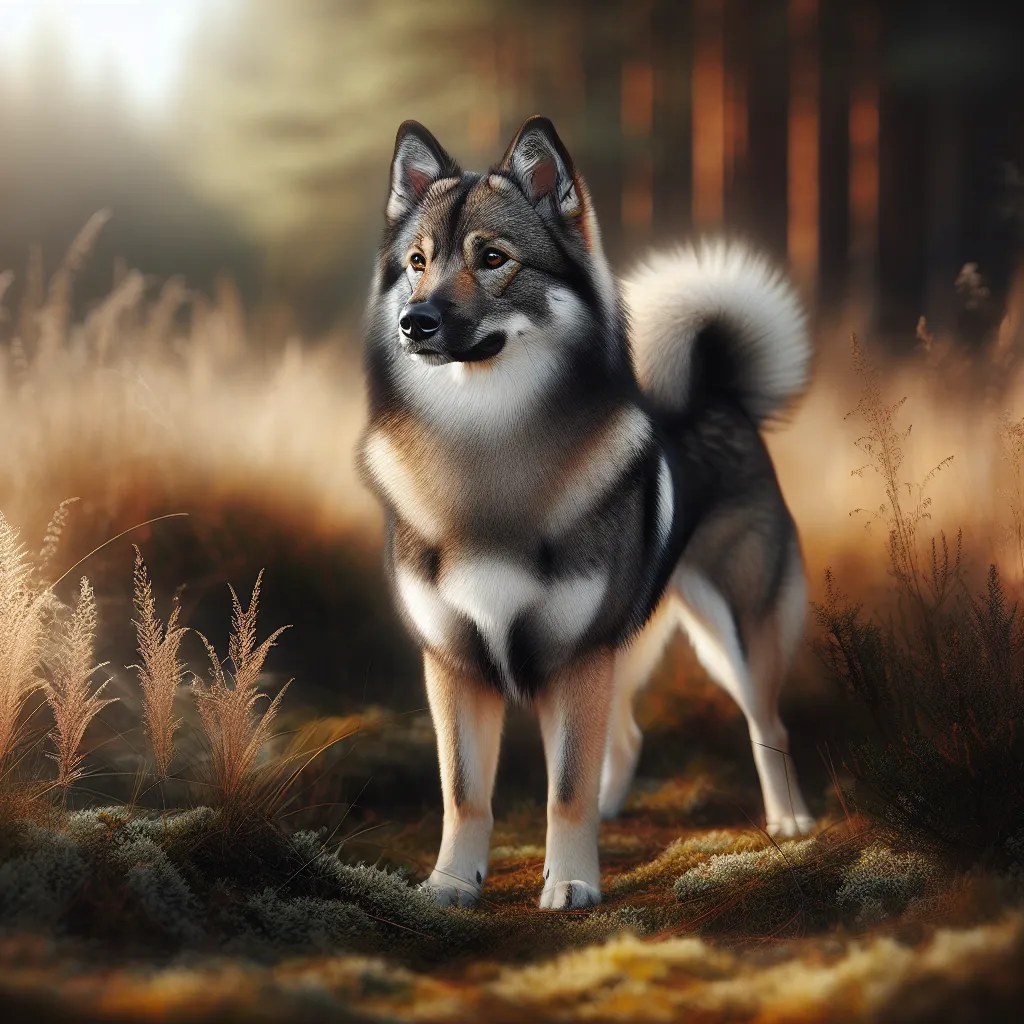
Norwegian Elkhound
Health grade BThe Norwegian Elkhound is a fearless, robust athlete—bred as an independent Nordic hunting dog that tracks formidable game over long distances and keeps it at bay with tireless barking.
- Height46–53 cm
- Weight18–25 kg
- Life expectancy12–15 yrs
- Puppy price1,800–3,000 €
- Energy4/5
The Essentials at a Glance
The Norwegian Elkhound is a fearless, robust athlete—bred as an independent Nordic hunting dog that tracks formidable game over long distances and keeps it at bay with tireless barking.
- Health grade B: The Norwegian Elkhound is a robust Nordic breed that is generally very healthy compared to other dogs.
- You enjoy intensive tracking or search work in the woods—simple walks are not enough to satisfy this highly specialized Nordic hunter.
- You spend hours outdoors in absolutely any weather and are looking for an extremely enduring companion for demanding hikes.
- You are looking for a companion for relaxed off-leash walks in the woods—his deeply ingrained hunting instinct and massive tracking radius usually make this impossible.
Is the Norwegian Elkhound right for you?
At a glance
Norwegian Elkhound overview
The essentials — key facts, traits, and health priorities — before you dive deeper.
Health grade
Relative to other breeds
S
A
B
C
D
E
Very healthyHigher risk
Solid — a handful of items a good breeder watches.
See full health info & tests →
Note: This health overview is AI-assisted and editorially reviewed. It is for orientation only and does not replace veterinary advice.
Lifespan
12–15 yrs
Height
46–53 cm
Weight
18–25 kg
Practical
- Puppy price: 1,800 – 3,000 €
- Coat: Dense, straight, undercoat
- Origin: Norway
Temperament
Energy
Trainability
Family fit
With kids
Daily life
Care effort
Shedding
Barking
City-friendly
Guard instinct
What matters most
Especially with a Norwegian Elkhound, choosing the right breeder is the single most important decision you'll make. Serious breeders consistently test the parents for inherited conditions, prioritize healthy early socialization, and stay accountable long after handover. A cheap puppy without health screening tends to become the most expensive dog later on.
See HonestDog breeder standards →Colors & coat
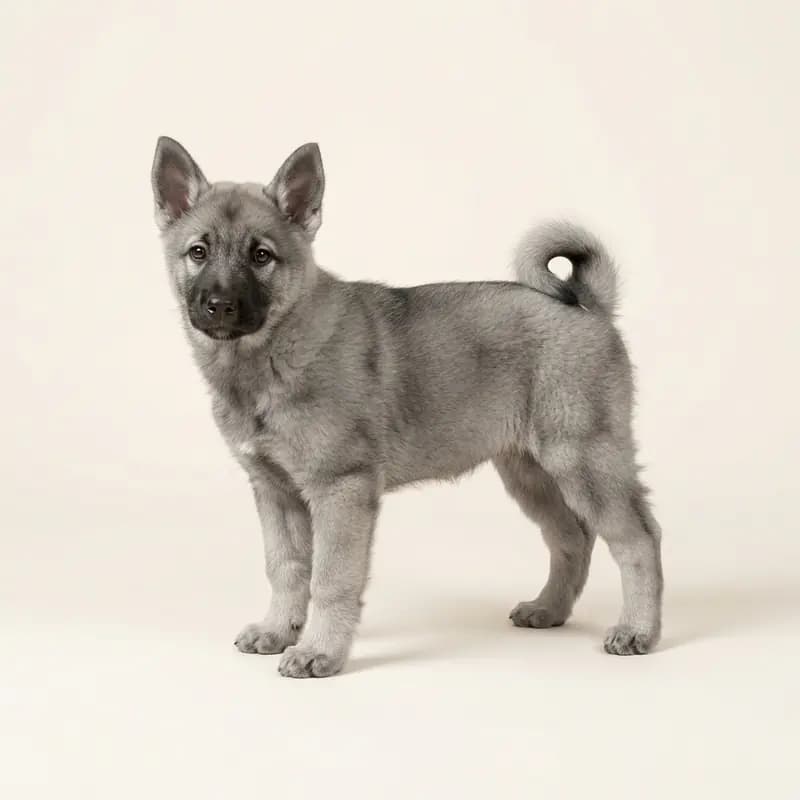
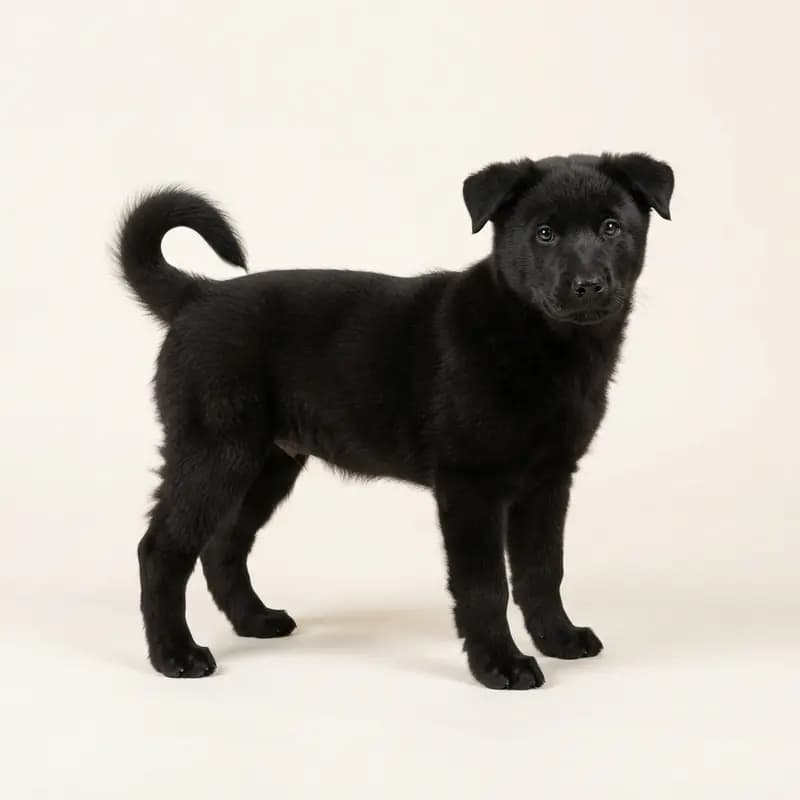
What colors does the Norwegian Elkhound come in?
The coat colors you will see in Norwegian Elkhound litters — including which ones fall outside the breed standard and which carry genetic risk.
Eye colors
 Brown
Brown
Coat type
 Double coat
 Short
Short
Is the Norwegian Elkhound right for you?
The Norwegian Elkhound is a fearless, robust athlete—bred as an independent Nordic hunting dog that tracks formidable game over long distances and keeps it at bay with tireless barking.
Perfect for you if:
- You enjoy intensive tracking or search work in the woods—simple walks are not enough to satisfy this highly specialized Nordic hunter.
- You spend hours outdoors in absolutely any weather and are looking for an extremely enduring companion for demanding hikes.
- You have a great sense of humor and the patience to guide that notorious Scandinavian stubbornness with loving consistency.
- You appreciate a dog with a strong character that assesses situations and makes its own decisions rather than waiting blindly for commands.
Less ideal if:
- You are looking for a companion for relaxed off-leash walks in the woods—his deeply ingrained hunting instinct and massive tracking radius usually make this impossible.
- You live in an apartment with thin walls—loud, persistent barking is his genetic tool for cornering moose, not just a bad habit.
- You expect classic obedience and a quick 'will-to-please'—this dog was bred to work completely autonomously miles away from the hunter.
The real vibes check
A dog whose ancestors cornered full-grown moose in the Scandinavian thickets and barked at them tirelessly will not be impressed by a stern throat-clearing in your living room. You are not buying a soft subordinate here, but a primal, extremely self-confident woodsman. If you don't dismiss this raw independence as mere stubbornness but channel it instead, you will gain an unshakeably loyal partner.
Self-check
Would the Norwegian Elkhound really fit your life?
Answer 6 quick questions about your everyday life and see how well the Norwegian Elkhound fits you — including an honest cost estimate per month, per year, and across the dog's lifetime.
Fit checkCost estimateRisk dice
Takes about 1 minute · free & anonymous
Breed Profile
The Norwegian Elkhound is a robust and versatile dog breed that was originally bred in Norway for hunting moose and other large game. It belongs to the group of Spitz and primitive type dogs and is characterized by its compact, muscular build. The dense, weather-resistant coat protects it from the harsh climatic conditions of Scandinavia. Its upright, triangular ears and the tightly curled tail, which elegantly lies over the back, are distinctive features. The Norwegian Elkhound is known for its endurance, intelligence, and strong hunting instinct, while also being a loyal and friendly companion that integrates well into families. As with many hunting dogs, consistent training and sufficient exercise are important to fully realize its potential.
All measurements in detail
- Height
- 46 - 50 cm (Female), 49 - 53 cm (Male)
- Weight
- 18 - 22 kg (Female), 20 - 25 kg (Male)
- Life Expectancy
- 12 - 15 yrs
- Character
- Loyal, intelligent, alert, hardworking, high hunting drive
- Coat
- Dense, straight, undercoat
- Coat Color
- Black, gray, red, white; hard, dense, wiry, medium-length
- Price
- 1800 - 3000 €
Character & Temperament
The Norwegian Elkhound is a robust and versatile hunting dog with a strong work drive and a strong bond to its family. Originally bred for moose hunting, it is characterized by endurance, courage, and high attentiveness. Despite its independent nature, it is very people-oriented and shows a friendly, balanced demeanor towards children and other pets. This dog needs a lot of exercise and mental stimulation to remain balanced. It loves to take on tasks, whether in hunting, retrieving, or search games. Its intelligence and willingness to learn make it a reliable partner who enjoys being challenged. Consistent but loving training is important to control its natural hunting instinct and build a close bond. The Norwegian Elkhound is alert and shows natural protective behavior without being aggressive. It is well suited as a family dog that wants to be active both indoors and outdoors. Due to its origin and temperament, it is not a dog for short walks but needs regular, enduring activities and clear leadership.
| Trainability Has its own ideas and will test limits. | Strong-willed |
| Watchfulness A natural watchdog with real protective instinct. | High |
| Openness to Strangers Neither pushily friendly nor suspicious. | Neutral |
| Hunting or Herding Drive This drive runs deep — no amount of training eliminates it. | Very strong |
Fun Fact!
The Norwegian Elkhound is a true outdoorsman: it was specially bred to hunt and track moose in the cold forests of Norway. With its dense, weather-resistant coat, it withstands even freezing temperatures and is so enduring that it can roam through rough terrain for hours.
What Awaits You
The Norwegian Elkhound is a robust and enduring hunting dog, specially bred for moose hunting. It is friendly, alert, and shows a close bond with its family. These dogs are active and require a lot of exercise as well as consistent but loving training. The Norwegian Elkhound is well suited as a family dog if it is sufficiently exercised.
Housing & Care
Norwegian Elkhounds are robust and confident dogs that require a lot of exercise and mental stimulation. They are very alert and make good family dogs because they are loyal and friendly towards their people. They generally get along well with children but, like all dogs, should be supervised when interacting with small children. Norwegian Elkhounds are social and compatible with other dogs but need consistent and loving training. Due to their hunting and guarding instincts, they need plenty of exercise, ideally in rural areas or homes with gardens. They are only conditionally suitable for city living if enough time is planned for walks and activities.
- Family Friendly
Loves family life and thrives in a group.
Family-oriented - Child Friendly
Takes boisterous and affectionate children in its stride.
Patient with children - Dog Friendly
Usually gets on fine with other dogs.
Generally tolerant - City Friendly
Can manage in the city, but only with very active owners.
Difficult in cities
Owning a dog is a privilege, but it's also a real responsibility. Before you bring one into your life, be honest with yourself about the commitment it takes.
Training & Education
The Norwegian Elkhound is an intelligent and hardworking dog that requires consistent and patient training. Similar to the Labrador and German Shepherd, it is important to meet its natural urge for movement and activity. The Elkhound was originally bred as a hunting dog, which is why retrieving and search games as well as endurance walks and hikes are ideal to mentally and physically challenge it. Training should be positive and reward-based to strengthen the close bond between you and your dog. Norwegian Elkhounds are eager to learn but can also be independent and sometimes stubborn, so clear leadership and patience are crucial. Frustration tolerance and impulse control should be encouraged early to avoid unwanted hunting or territorial behavior. The Elkhound is well suited for various dog sports such as obedience, rally obedience, or tracking work, which promote its natural abilities. It is important not to overwhelm it and to plan sufficient rest periods to keep it balanced. Overall, the Norwegian Elkhound requires dedicated training that takes into account its enthusiasm for work and its urge for movement. Those willing to invest time and patience will gain a loyal, versatile, and lively companion.
Nutrition & Care
The Norwegian Elkhound requires a balanced diet that supports its active lifestyle. High-quality dog food with a good proportion of proteins and nutrients is important to promote muscles and health. Make sure to avoid overweight, as this can strain the joints. The dense, weather-resistant coat of the Norwegian Elkhound protects it well from cold and wet conditions. It consists of a thick undercoat and a sturdy topcoat. Regular brushing, at least 2-3 times a week, helps remove loose hairs and prevent matting. They shed heavily, especially during the coat change in spring and autumn. The Norwegian Elkhound is well adapted to cold and humid climatic conditions. In high temperatures, sufficient shade and water should be provided to avoid overheating. Overall, consistent care and appropriate nutrition are important to ensure the health and well-being of this active and robust dog.
| Care Level Regular brushing and occasional professional grooming. | Moderate |
| Exercise Needs Needs several hours of serious exercise every day. | Very active |
| Shedding Regular shedding — dog hair on clothes is now normal. | Moderate |
| Trainability Has its own ideas and will test limits. | Strong-willed |
Our experts are still reviewing this information. Spotted something wrong? Email us at info@honestdog.de.
Health & hereditary diseases
Health
B
Solid
Health grade
The Norwegian Elkhound is a robust Nordic breed that is generally very healthy compared to other dogs. Nevertheless, there are some vulnerabilities, such as hip dysplasia (HD) and eye conditions like progressive retinal atrophy (PRA) or glaucoma. Since there are often no strict mandatory health tests for this breed, buyers must actively request the health screening results of the parent dogs from the breeder.
Grade is relative to other breeds — AI-assisted and editorially reviewed.
In daily life this can mean
With joint-friendly rearing, a healthy weight, and regular eye check-ups, most of these dogs remain active and fit for a long time.
The breeder's role
Reputable breeders have the hips, knees, and eyes of the parent animals tested and pay attention to the kidney health of their lines to minimize risks.
Note: This health overview is AI-assisted and editorially reviewed. It is for orientation only and does not replace veterinary advice.
No Health Tests Available
No specific health tests are currently available for this breed.
Costs & where to find one
How much does a Norwegian Elkhound cost?
A Norwegian Elkhound costs around ~€180 per month (€100 – €340, depending on your setup). The first year adds up to roughly ~€5,430 including purchase, equipment and puppy school; across the dog's life (13.5 years) it comes to about ~€32,860.
With surgery cover, running costs come to about ~€180 per month — in return, your share of a major operation drops from several thousand euros to around 20 percent.
Per month
~€180
In the first year
~€5,430
Across the dog's life
~€32,860
Purchase from a breeder: €1,800 – €3,000
Estimate at a mid-range setup (suburban, dry food, 1–2 hours of daily exercise), average German prices, as of July 2026.
Calculate your personal costs1-minute self-check with your own answers
Looking for a Norwegian Elkhound?
HonestDog Concierge
No verified Norwegian Elkhound breeders on HonestDog yet
We currently have no breeders for this breed who have passed our verification. Create your short buyer profile: we'll set up your search alert, review a possible source and email you within 28 days.
Appearance, variants & origin
History
The full history
The history of the Norwegian Elkhound (Norsk Elghund Grå) dates back to the Viking Age. Archaeological findings from Scandinavia confirm that dogs of this Nordic spitz type were living alongside humans as early as the year 1000. Originally, this robust and enduring breed was developed in the rugged, dense forests of Norway to track moose, bears, and other large game, holding them at bay by barking until the hunter arrived. This demanding task required an exceptional sense of smell, great agility, and immense courage. Although the Elkhound was an indispensable companion to Norwegian farmers and hunters for centuries, systematic purebred breeding only began in the late 19th century. In 1877, the breed was presented at a dog show in Norway for the first time, sparking interest in standardized breeding. By 1887, the Norwegian Association of Hunters and Anglers had drafted the first official breed standard. The Norwegian Elkhound, now considered the national dog of Norway, has retained its original instincts and weather-resistant nature to this day and is still actively used for hunting in Scandinavia.
Original Use
The Norwegian Elkhound was bred for hunting moose and is exceptionally well-suited for tracking in dense forests.
Origin
Norway
Date
1000
Owner experiences
What owners say about the Norwegian Elkhound
Dieter S., Jäger aus dem Sauerland (Rüde, seit 2017)
Ich führe meinen grauen Elchhundrüden jetzt seit einigen Jahren im Revier und muss sagen: Wer einen Hund sucht, der stramm im Kadavergehorsam steht, ist hier völlig falsch. Die typischen deutschen Abrichtemethoden kann man bei dieser Rasse komplett vergessen. Er hat seinen eigenen Kopf und jagt extrem selbstständig.
Sein Jagdstil unterscheidet sich deutlich von unseren klassischen Vorstehhunden. Er sucht fast ausschließlich mit hoher Nase über die Luftwitterung und läuft auf der Fährte stumm. Erst wenn er das Wild – bei uns meistens Sauen – gestellt hat, fängt er an, ausdauernd zu verbellen. Für klassische deutsche Drückjagden ist dieser fehlende Spurlaut manchmal ein Problem, aber seine Ausdauer und Härte bei Kälte sind absolut unschlagbar.
Sabine K., Halterin aus Oberbayern (Hündin, seit 2021)
Als aktive Familie wollten wir einen robusten Hund, der uns bei jedem Wetter nach draußen begleitet. Unsere Elchhund-Hündin ist charakterlich ein Traum: Sie ist unglaublich liebenswürdig, geduldig mit den Kindern und extrem wetterfest. Am liebsten ist sie draußen, wenn es richtig kalt ist.
Man muss sich allerdings auf zwei Dinge einstellen: das Bellen und die Haare. Als typischer nordischer Hund schlägt sie extrem wachsam an und kommentiert vieles mit lautem Verbellen – auch wenn sie eigentlich jeden Besuch freundlich empfängt, sobald er das Grundstück betritt. Und der Fellwechsel im Frühjahr ist der absolute Wahnsinn. Da fliegen die Unterwollberge nur so durchs Haus, und man kommt mit dem Bürsten und Staubsaugen kaum hinterher.
Erik W., Halter aus Sachsen (Rüde, 17 Jahre Begleiter)
Mein Elchhund 'Teddy' hat mich stolze 17 Jahre lang begleitet, bevor er uns verlassen musste. Einen Hund mit solch außergewöhnlichen charakterlichen Eigenschaften habe ich in meinem ganzen Leben noch nicht erlebt. Er war ein absolut treuer, loyaler Freund, der eine unglaublich tiefe Bindung zu uns hatte.
Er war extrem robust und hat in all den Jahren kaum gesundheitliche Probleme gehabt. Auch wenn er seinen typisch nordischen, eigenwilligen Dickkopf hatte, war er im Alltag einfach ein unersetzlicher Teil der Familie. Wer einmal diese Rasse und ihre ganz besondere Persönlichkeit verstanden hat, wird sich vermutlich nie wieder eine andere Hunderasse wünschen.
Paraphrased from real owner reports
Loading owner stories
FAQ & more
Frequently asked questions about the Norwegian Elkhound
Is a Norwegian Elkhound the right dog for me?
The Norwegian Elkhound is an active dog that needs plenty of exercise and mental stimulation. Research the temperament, grooming needs, and space requirements before deciding.
How long does a Norwegian Elkhound live?
The average life expectancy of a Norwegian Elkhound is 12-15 years. With proper care and regular vet visits, your dog can live a long, healthy life.
How much grooming does a Norwegian Elkhound need?
Norwegian Elkhound grooming requirements include regular brushing, nail trimming, and dental care. HonestDog provides detailed grooming tips for every breed.
Is a Norwegian Elkhound good for families with children?
The Norwegian Elkhound can be a great family dog. Proper training and socialization are key. HonestDog provides family suitability information for every breed.
What colors does the Norwegian Elkhound come in?
The Norwegian Elkhound comes in these colors: Grey, Black. Colors that fall outside the breed standard are marked as such on the breed page.
Loading related articles
Are you a Norwegian Elkhound breeder?
Showcase your kennel on HonestDog and reach families searching for a responsibly bred Norwegian Elkhound.
Why HonestDog?
What makes HonestDog different from other platforms
Full transparency
We lay out what we have: who the breeder is, how they work, and any health records they've uploaded. So you can judge for yourself.
Responsible breeding, assured
Every breeder on HonestDog has their identity and documents checked before their profile goes live. Health records they upload are shown on the profile, so you can see exactly what has been tested.
Trust and verification
We verify breeders and buyers alike, so every conversation happens on solid ground. It's a new standard of trust in dog breeding.
Less hassle, more time
We've already checked the breeders' documents and gathered the details, so you can skip the endless research and focus on finding the right puppy for your family.
Our Mission

We connect dog lovers with responsible breeders and shelters to ensure every dog finds the perfect home.
Founded by dog enthusiasts, our platform focuses on ethical dog breeding and adoption.
Why HonestDog?
We connect you with vetted breeders and shelters so you can find your — your new companion — with confidence.
Vetted Partners
Only verified breeders and shelters — for a safe start.
Highest Standards
Every animal's health and wellbeing is our top priority.
Guides & Resources
Guides, checklists, and breed profiles — so you can make a well-informed decision.