Loading breed
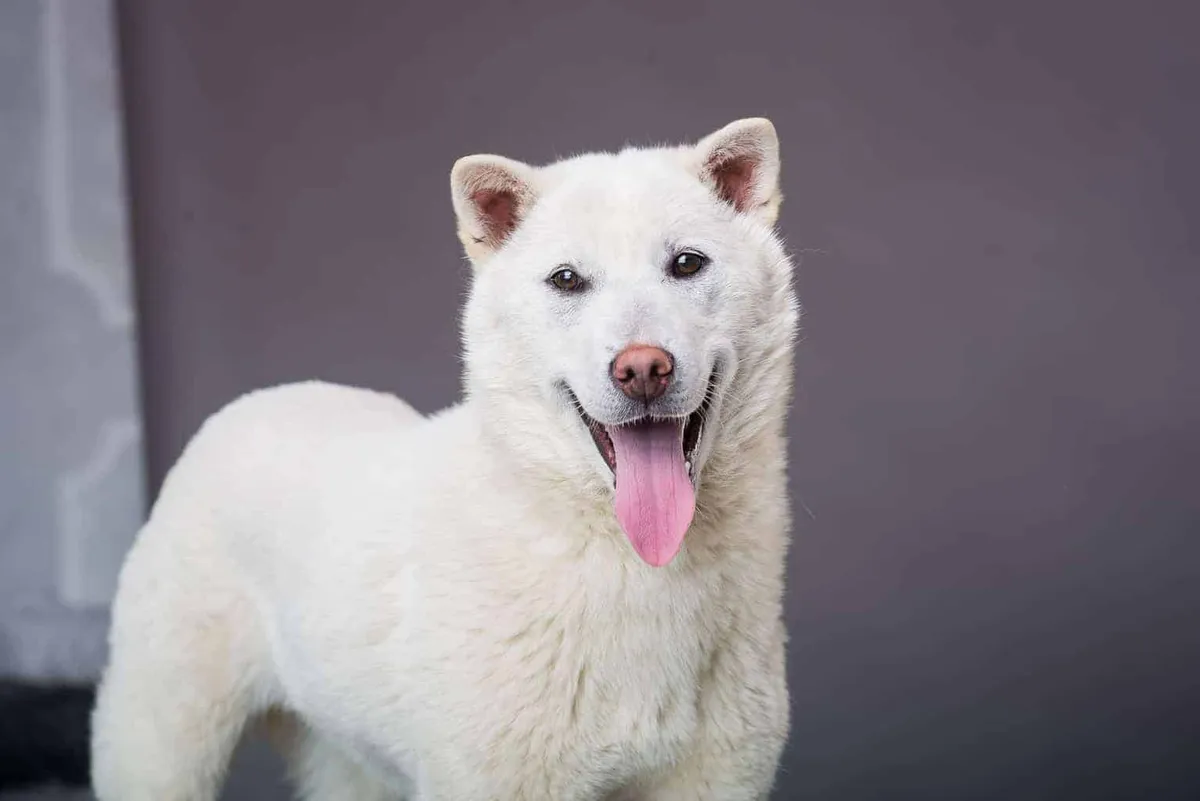
Kishu
Health grade CThe Kishu is a courageous, extremely loyal primitive hunting Spitz — bred in the mountains of Japan to track and corner wild boar and deer independently. This deep bond with their human is paired with a strong will and an uncompromising hunting instinct.
- Height44–54 cm
- Weight14–27 kg
- Life expectancy11–13 yrs
- Puppy price2,000–3,500 €
- Energy4/5
The Essentials at a Glance
The Kishu is a courageous, extremely loyal primitive hunting Spitz — bred in the mountains of Japan to track and corner wild boar and deer independently. This deep bond with their human is paired with a strong will and an uncompromising hunting instinct.
- Health grade C: While the Kishu is considered a robust and primitive breed, it requires an above-average number of mandatory health tests.
- You offer clear, confident leadership without harshness — blind obedience contradicts the nature of this independent thinker.
- You enjoy long, active excursions in nature and can keep them physically and mentally challenged (e.g., through tracking work).
- You expect to be able to let them off-leash reliably in the woods — they were selected for uncompromising hunting, and their prey drive is deeply ingrained.
Is the Kishu right for you?
At a glance
Kishu overview
The essentials — key facts, traits, and health priorities — before you dive deeper.
Health grade
Relative to other breeds
S
A
B
C
D
E
Very healthyHigher risk
Average — several important tests are expected.
See full health info & tests →
Note: This health overview is AI-assisted and editorially reviewed. It is for orientation only and does not replace veterinary advice.
Lifespan
11–13 yrs
Height
44–54 cm
Weight
14–27 kg
Practical
- Puppy price: 2,000 – 3,500 €
- Coat: Short, straight, hard-haired
- Origin: Japan
Temperament
Energy
Trainability
Family fit
With kids
Daily life
Care effort
Shedding
Barking
City-friendly
Guard instinct
What matters most
Especially with a Kishu, choosing the right breeder is the single most important decision you'll make. Serious breeders consistently test the parents for inherited conditions, prioritize healthy early socialization, and stay accountable long after handover. A cheap puppy without health screening tends to become the most expensive dog later on.
See HonestDog breeder standards →Colors & coat
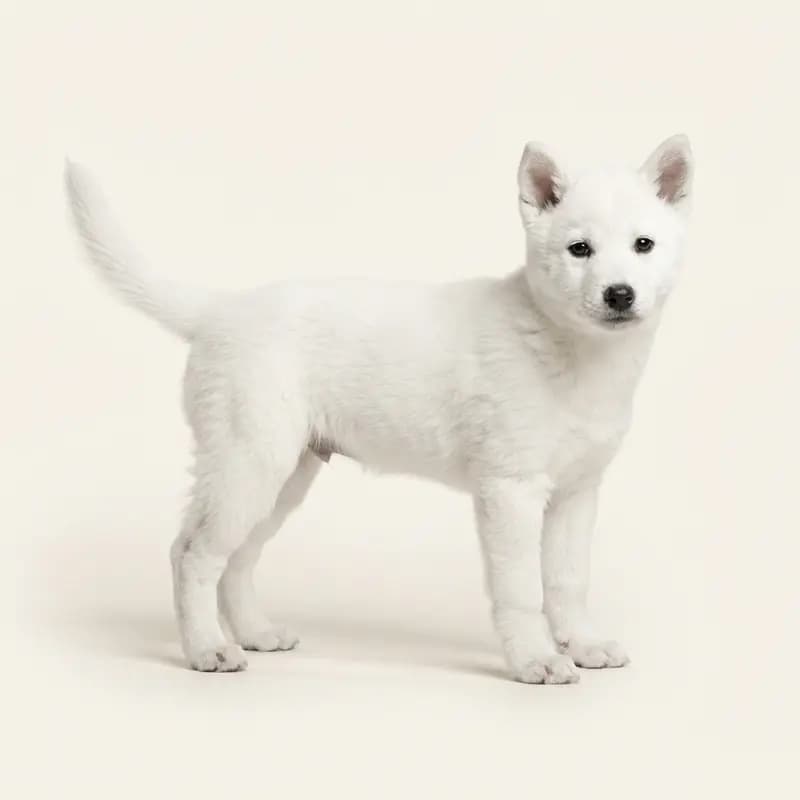
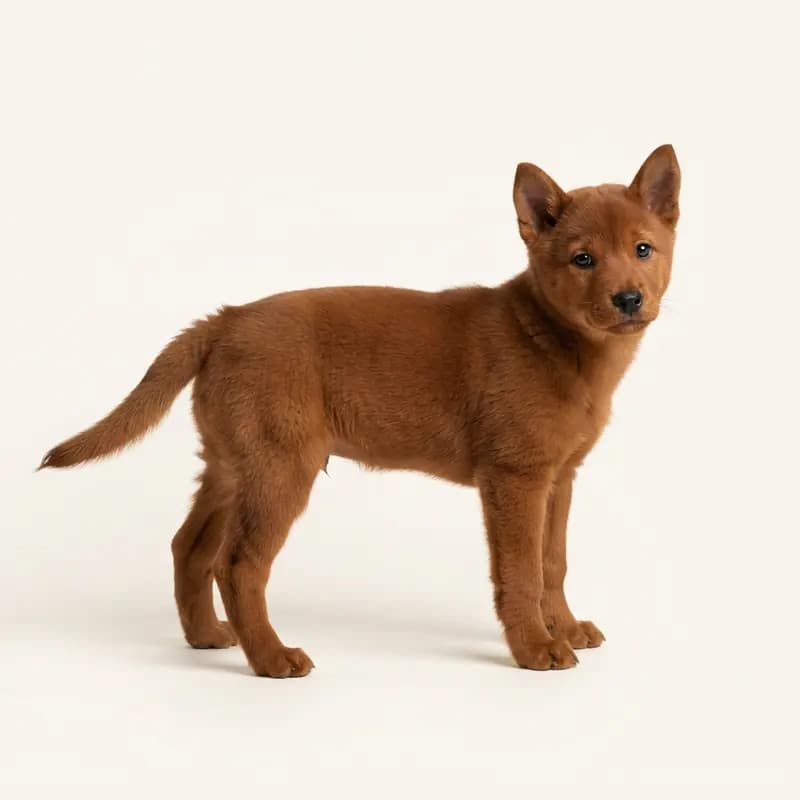
What colors does the Kishu come in?
The coat colors you will see in Kishu litters — including which ones fall outside the breed standard and which carry genetic risk.
Eye colors
 Brown
Brown
Coat type
 Short
Short Double coat
Is the Kishu right for you?
The Kishu is a courageous, extremely loyal primitive hunting Spitz — bred in the mountains of Japan to track and corner wild boar and deer independently. This deep bond with their human is paired with a strong will and an uncompromising hunting instinct.
Perfect for you if:
- You offer clear, confident leadership without harshness — blind obedience contradicts the nature of this independent thinker.
- You enjoy long, active excursions in nature and can keep them physically and mentally challenged (e.g., through tracking work).
- You appreciate a 'one-person dog' or a close family dog that remains aloof toward strangers but is unconditionally loyal to their inner circle.
- You have a well-secured property, as their territorial heritage makes them a vigilant, though not constantly barking, observer.
Less ideal if:
- You expect to be able to let them off-leash reliably in the woods — they were selected for uncompromising hunting, and their prey drive is deeply ingrained.
- You are planning daily visits to the dog park, as many Kishus place little value on strange dogs and resolve conflicts very directly.
- You are looking for a dog that executes commands lightning-fast just to please you, as they almost entirely lack the classic 'will-to-please'.
- You live in a busy urban environment where they are constantly confronted with strangers and excessive stimuli.
The real vibes check
A Kishu is not a follower of orders, but a silent samurai by your side. They offer you their absolute, almost exclusive loyalty, but in return, they expect you to respect their independence and hunting instinct. If you are looking for a partner on equal footing rather than a subordinate, you will find a soul of a dog in them.
Self-check
Would the Kishu really fit your life?
Answer 6 quick questions about your everyday life and see how well the Kishu fits you — including an honest cost estimate per month, per year, and across the dog's lifetime.
Fit checkCost estimateRisk dice
Takes about 1 minute · free & anonymous
Breed Profile
The Kishu is a medium-sized Spitz-type dog whose appearance reflects that of its fierceness, robustness and character. Its body is well proportioned with a compact but powerful frame suitable for the hunting for which it was originally bred. Its expressiveness is characterized by its deep, triangular eyes and erect ears, conveying an inquisitive and alert attitude. Its coat is short, hard and dense, with a rough texture that helps it withstand the elements. The Kishu is a member of FCI Group 5, which includes the Spitz and prototype dogs. There is no distinction between performance and show lines within the breed.
All measurements in detail
- Height
- 44 - 48 cm (Female), 50 - 54 cm (Male)
- Weight
- 14 - 20 kg (Female), 14 - 27 kg (Male)
- Life Expectancy
- 11 - 13 yrs
- Character
- Loyal, intelligent, independent
- Coat
- Short, straight, hard-haired
- Coat Color
- White, sesame, red
- Price
- 2000 - 3500 €
Character & Temperament
The Kishu is a loyal and affectionate dog that develops a strong bond with its family. However, despite his loving nature, he can be reserved and distant towards strangers. He is known for his intelligence and ability to think and act independently, which is partly due to his past as a hunting dog. As a dog with a strong hunting instinct, the Kishu tends to have an independent temperament. He is not as hyperactive as other breeds, but still has high levels of energy and requires regular physical and mental stimulation. He enjoys the outdoors and needs a lot of space to run and explore, making him a less suitable dog for city life. The Kishu is a very people-oriented dog and prefers to be with his family. Although he is capable of remaining alone, prolonged periods of loneliness can lead to stress and anxiety. It is therefore important that you give it enough time and attention. Regarding its hunting and prey-catching behavior, the Kishu tends to show a strong interest in smaller animals. This can lead to him chasing or trying to catch them if not properly trained or kept busy. However, despite its hunting instincts, the Kishu is not an aggressive dog and usually shows few signs of aggression. The Kishu is a vigilant and attentive dog that always keeps an eye on its surroundings. He is quick to react to unusual noises or movements and tends to be protective of his family. However, his alertness can make him prone to excessive barking if not trained properly. This makes him an excellent watchdog, but may be less suitable for environments where constant rest is required. Although the Kishu is an independent thinker, he responds well to consistent and loving parenting. He is intelligent and a quick learner, but his independent nature can be challenging at times. Positive reinforcement and a patient but determined attitude are therefore key to successful training. The Kishu is a versatile and capable dog that cuts a fine figure both as a loyal companion and as an efficient working dog. With the right training and social support, he can become a wonderful part of your family that will bring you joy for many years.
| Trainability Has its own ideas and will test limits. | Strong-willed |
| Watchfulness Reports unusual activity but stays controlled. | Moderate |
| Openness to Strangers Warms up quickly and is generally welcoming. | Friendly |
| Hunting or Herding Drive Mild interest in movement and small animals — easily managed. | Low |
Fun Fact!
Did you know that the Kishu is one of the few breeds that is bred almost exclusively white? In Japan, white is considered a sacred color and kishus were often kept in temples and shrines.
What Awaits You
The Kishu Ken is a dog of remarkable endurance, characterized by nobility, dignity and naive feeling. His temperament is loyal, docile and very alert.
Housing & Care
Although the Kishu can thrive in the city, he needs a lot of exercise and mental stimulation, so he may not be the best choice for living in a small apartment. He can get along well with older children who understand how to respect and treat dogs. Small children could pose a problem due to the independent and sometimes headstrong nature of the Kishu. As for other pets, Kishus can get along with cats and other pets if they are used to it from an early age.
- Family Friendly
Loves family life and thrives in a group.
Family-oriented - Child Friendly
Takes boisterous and affectionate children in its stride.
Patient with children - Dog Friendly
Usually gets on fine with other dogs.
Generally tolerant - City Friendly
City-appropriate with enough exercise and stimulation.
Manageable in cities
Owning a dog is a privilege, but it's also a real responsibility. Before you bring one into your life, be honest with yourself about the commitment it takes.
Training & Education
Raising a Kishu can be challenging due to their independent and proud nature, but is entirely doable with consistency and patience. Agility training could be a good way to channel his natural hunting instincts. However, you should be careful not to over-busy the Kishu as it also needs independent rest periods. There is a risk that the Kishu will become a "ball junkie" if he plays with balls too often. It is important that the Kishu learns frustration tolerance and impulse control in order to cope well in everyday life.
Nutrition & Care
The Kishu benefits from a balanced and nutritious diet. You can either use commercial dog food that contains all the necessary nutrients or consider a raw diet that consists of meat, bones, and vegetables. Make sure to discuss your dog's nutritional requirements with your veterinarian. Caring for the Kishu is relatively straightforward. Its short, hard coat requires regular brushing to remove dead hair and keep its skin healthy. He has an undercoat that keeps him warm in colder climates, and in Germany should he gets along well. However, note that he sheds more during the shedding periods.
| Care Level Minimal effort — occasional brushing and bathing. | Low-maintenance |
| Exercise Needs Needs several hours of serious exercise every day. | Very active |
| Shedding Hair everywhere, always — no white clothing survives. | Very heavy |
| Trainability Has its own ideas and will test limits. | Strong-willed |
Our experts are still reviewing this information. Spotted something wrong? Email us at info@honestdog.de.
Health & hereditary diseases
Health
C
Solid, watch carefully
Health grade
While the Kishu is considered a robust and primitive breed, it requires an above-average number of mandatory health tests. The primary focus is on various hereditary eye conditions such as Collie Eye Anomaly (CEA) and cataracts, as well as hip dysplasia (HD) affecting the musculoskeletal system. To minimize these risks, prospective buyers should insist on seeing complete and up-to-date health screening results for both parents.
Grade is relative to other breeds — AI-assisted and editorially reviewed.
In daily life this can mean
You should pay attention to a healthy weight and joint-friendly development, as well as schedule regular health check-ups to ensure your dog stays fit for a long time.
The breeder's role
Reputable breeders have the hips, knees, eyes, and thyroid of the parent animals tested to reduce health risks in the lineage.
Note: This health overview is AI-assisted and editorially reviewed. It is for orientation only and does not replace veterinary advice.
No Health Tests Available
No specific health tests are currently available for this breed.
Costs & where to find one
How much does a Kishu cost?
A Kishu costs around ~€170 per month (€90 – €330, depending on your setup). The first year adds up to roughly ~€5,670 including purchase, equipment and puppy school; across the dog's life (12 years) it comes to about ~€28,720.
With surgery cover, running costs come to about ~€170 per month — in return, your share of a major operation drops from several thousand euros to around 20 percent.
Per month
~€170
In the first year
~€5,670
Across the dog's life
~€28,720
Purchase from a breeder: €2,000 – €3,500
Estimate at a mid-range setup (suburban, dry food, 1–2 hours of daily exercise), average German prices, as of July 2026.
Calculate your personal costs1-minute self-check with your own answers
Looking for a Kishu?
HonestDog Concierge
No verified Kishu breeders on HonestDog yet
We currently have no breeders for this breed who have passed our verification. Create your short buyer profile: we'll set up your search alert, review a possible source and email you within 28 days.
Appearance, variants & origin
History
The full history
The Kishu comes from Japan and is one of the country's six native dog breeds. Its name comes from the Kishu region, a mountainous and remote area in western Japan, where it was bred to hunt game and small animals. The Kishu has a long history and has been valued as a hunting dog in Japan for centuries. Due to its isolation, the breed developed largely independently of others, resulting in a unique combination of traits and characteristics. The breed was officially recognized as one of Japan's six native dog breeds in 1934.
Original Use
The Kishu was bred to hunt wild boar and deer in mountainous regions.
Origin
Japan
Date
Antike
Owner experiences
What owners say about the Kishu
Carolin S., Halterin aus dem Rheinland (Hündin, seit 2018)
Wir haben unsere weiße Hündin aus einer tschechischen Zucht geholt, da es in Deutschland extrem schwer ist, überhaupt einen Kishu-Welpen zu bekommen. Was mich von Anfang an fasziniert hat, ist ihr Wesen als typischer 'Einmannhund'. Sie hat eine unglaublich tiefe, loyale Bindung zu mir aufgebaut, während sie Fremden gegenüber absolut distanziert und gleichgültig, aber zum Glück niemals aggressiv ist.
Im Haus ist sie ein absoluter Traum mit einem genialen 'Ausschaltknopf' – sie liegt meistens völlig entspannt herum, bellt kaum und ist extrem sauber. Sobald es aber nach draußen geht und das Geschirr angelegt wird, erwacht der leidenschaftliche Jagdhund in ihr. Man muss draußen jede Sekunde aufmerksam sein, da sie völlig geräuschlos und extrem fokussiert jagt.
Tobias M., Halter aus Bayern (Rüde, seit 2015)
Wer einen leichtführigen Hund sucht, den man im Park einfach ohne Leine laufen lassen kann, sollte die Finger vom Kishu lassen. Mein Rüde ist jetzt seit über fünf Jahren bei mir und ich kann ihn in waldreichen Gebieten praktisch nie von der Leine lassen. Sein Jagdtrieb auf Wildschweine und Hirsche liegt ihm im Blut, und er entscheidet im Zweifel immer selbstständig, was zu tun ist.
Er ist extrem intelligent und lernt Kommandos blitzschnell, aber er führt sie nur aus, wenn er einen Sinn darin sieht. Unterwürfigkeit gibt es bei ihm nicht – man muss sich seinen Respekt und die Führungsrolle wirklich geduldig und ohne Härte erarbeiten. Wenn man sich aber erst einmal zusammengerauft hat, hat man einen unfassbar loyalen und mutigen Partner an seiner Seite.
Jessica K., Halterin aus Sachsen (zwei Kishus, seit 2016)
Ich halte mittlerweile zwei Kishus und nutze sie hauptsächlich als Begleiter für lange Wanderungen und Rucksacktouren. Sie sind unglaublich zäh, ausdauernd und lieben es, draußen aktiv zu sein – echte 'Weekend Warriors'. Zuhause sind sie sehr ruhig und angenehm, aber man darf die rassetypischen gesundheitlichen Herausforderungen nicht verschweigen.
Wir hatten bei beiden Hunden mit Allergien und Hautproblemen zu kämpfen, was in der Rasse wegen des kleinen Genpools leider ein bekanntes Thema ist. Man muss sehr auf eine hochwertige Ernährung achten. Zudem sollte man wissen, dass sie einen ausgeprägten Beutetrieb haben und niemals mit kleineren Haustieren wie Katzen oder Kaninchen allein gelassen werden dürfen.
Paraphrased from real owner reports
Loading owner stories
FAQ & more
Frequently asked questions about the Kishu
Is a Kishu the right dog for me?
The Kishu is an active dog that needs plenty of exercise and mental stimulation. Research the temperament, grooming needs, and space requirements before deciding.
How long does a Kishu live?
The average life expectancy of a Kishu is 11-13 years. With proper care and regular vet visits, your dog can live a long, healthy life.
How much grooming does a Kishu need?
Kishu grooming requirements include regular brushing, nail trimming, and dental care. HonestDog provides detailed grooming tips for every breed.
Is a Kishu good for families with children?
The Kishu can be a great family dog. Proper training and socialization are key. HonestDog provides family suitability information for every breed.
What colors does the Kishu come in?
The Kishu comes in these colors: White, Red.
Loading related articles
Are you a Kishu breeder?
Showcase your kennel on HonestDog and reach families searching for a responsibly bred Kishu.
Why HonestDog?
What makes HonestDog different from other platforms
Full transparency
We lay out what we have: who the breeder is, how they work, and any health records they've uploaded. So you can judge for yourself.
Responsible breeding, assured
Every breeder on HonestDog has their identity and documents checked before their profile goes live. Health records they upload are shown on the profile, so you can see exactly what has been tested.
Trust and verification
We verify breeders and buyers alike, so every conversation happens on solid ground. It's a new standard of trust in dog breeding.
Less hassle, more time
We've already checked the breeders' documents and gathered the details, so you can skip the endless research and focus on finding the right puppy for your family.
Our Mission

We connect dog lovers with responsible breeders and shelters to ensure every dog finds the perfect home.
Founded by dog enthusiasts, our platform focuses on ethical dog breeding and adoption.
Why HonestDog?
We connect you with vetted breeders and shelters so you can find your — your new companion — with confidence.
Vetted Partners
Only verified breeders and shelters — for a safe start.
Highest Standards
Every animal's health and wellbeing is our top priority.
Guides & Resources
Guides, checklists, and breed profiles — so you can make a well-informed decision.