Loading breed
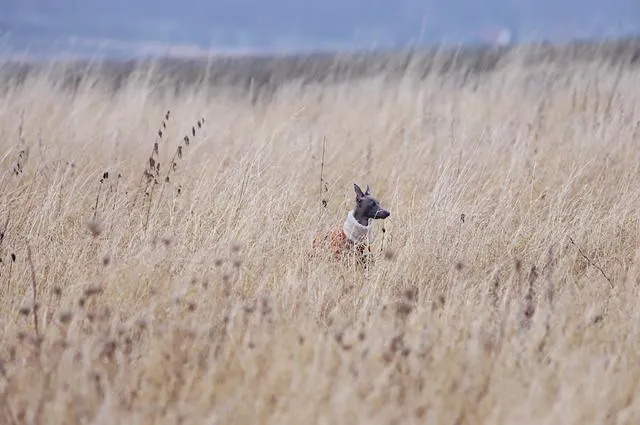
Italian Greyhound
Health grade BThe Italian Greyhound is an elegant, extremely affectionate miniature sighthound—bred for explosive, high-speed sprints, all packed into a delicate-looking frame that craves the closeness of its human more than anything else.
- Height32–38 cm
- Weight3–5 kg
- Life expectancy12–15 yrs
- Puppy price1,500–2,800 €
- Energy3/5
The Essentials at a Glance
The Italian Greyhound is an elegant, extremely affectionate miniature sighthound—bred for explosive, high-speed sprints, all packed into a delicate-looking frame that craves the closeness of its human more than anything else.
- Health grade B: The Italian Greyhound is an elegant and generally long-lived dog, but it has breed-specific vulnerabilities that buyers should be aware of.
- You are looking for a dog that sleeps on the sofa like a cat indoors, but wants to sprint explosively like a true sighthound when outside.
- You are prepared to dress your dog warmly in wet and cold weather, as they simply lack an insulating undercoat.
- You expect them to have perfect recall when off-leash if a rabbit appears—as a sighthound, they react to fast movement stimuli before you can even call out.
Is the Italian Greyhound right for you?
At a glance
Italian Greyhound overview
The essentials — key facts, traits, and health priorities — before you dive deeper.
Health grade
Relative to other breeds
S
A
B
C
D
E
Very healthyHigher risk
Solid — a handful of items a good breeder watches.
See full health info & tests →
Note: This health overview is AI-assisted and editorially reviewed. It is for orientation only and does not replace veterinary advice.
Lifespan
12–15 yrs
Height
32–38 cm
Weight
3–5 kg
Practical
- Puppy price: 1,500 – 2,800 €
- Coat: Short, smooth, no undercoat
- Origin: Italy
Temperament
Energy
Trainability
Family fit
With kids
Daily life
Care effort
Shedding
Barking
City-friendly
Guard instinct
What matters most
Especially with a Italian Greyhound, choosing the right breeder is the single most important decision you'll make. Serious breeders consistently test the parents for inherited conditions, prioritize healthy early socialization, and stay accountable long after handover. A cheap puppy without health screening tends to become the most expensive dog later on.
See HonestDog breeder standards →Colors & coat
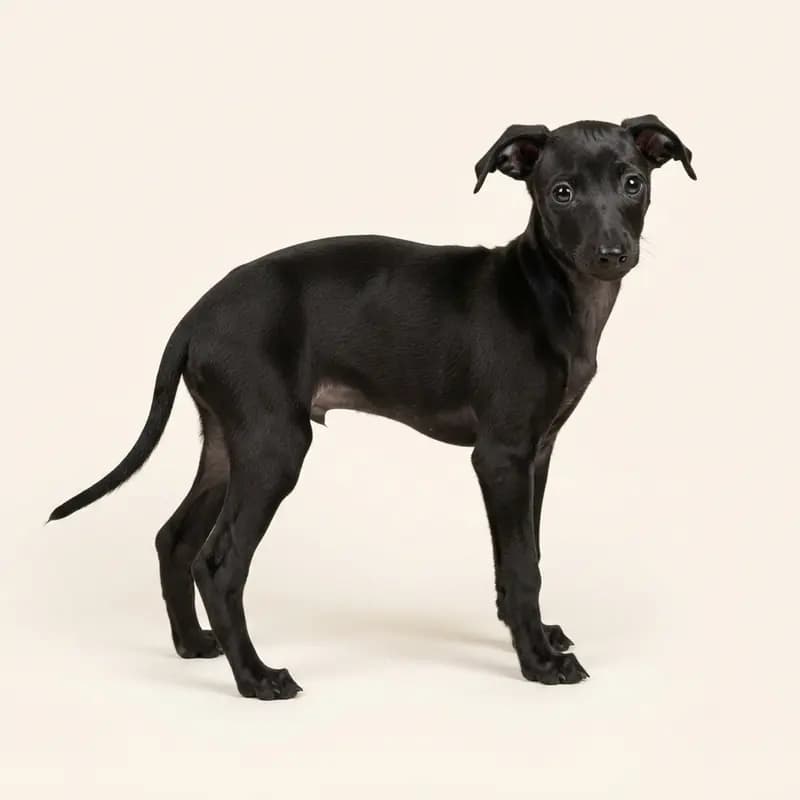
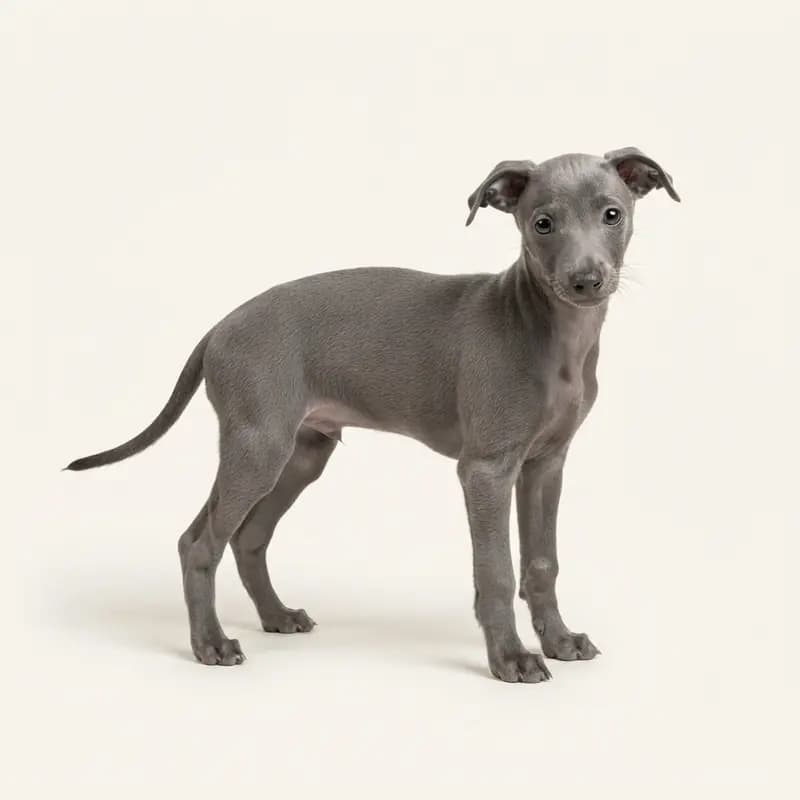
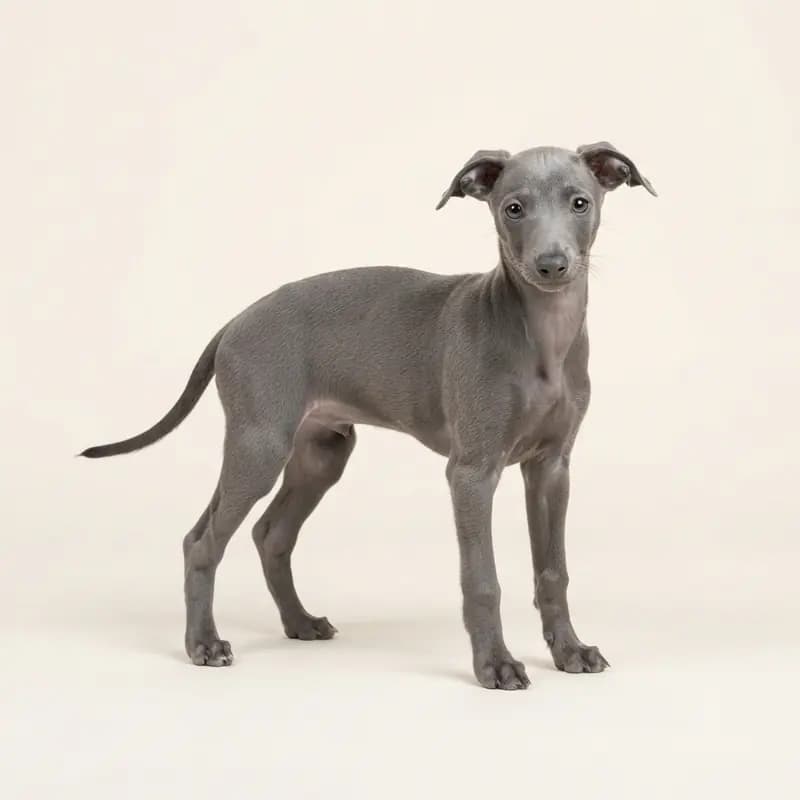
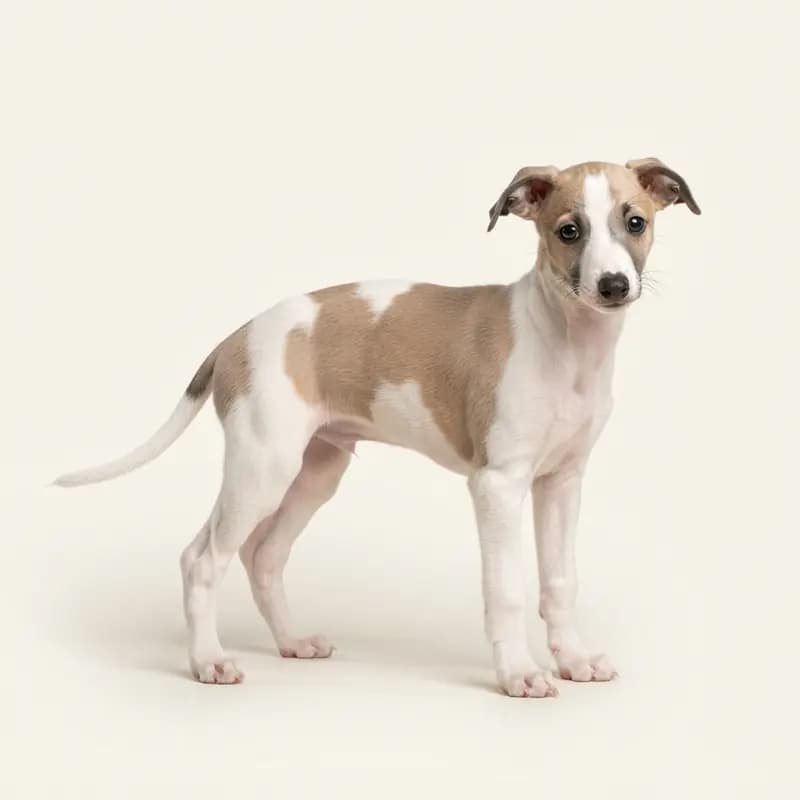
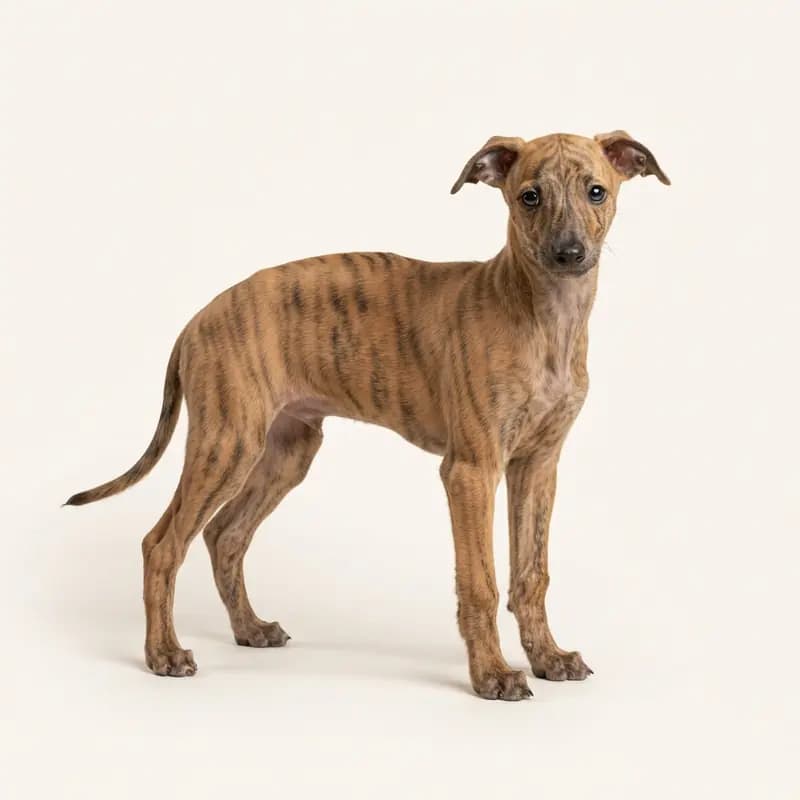
What colors does the Italian Greyhound come in?
The coat colors you will see in Italian Greyhound litters — including which ones fall outside the breed standard and which carry genetic risk.
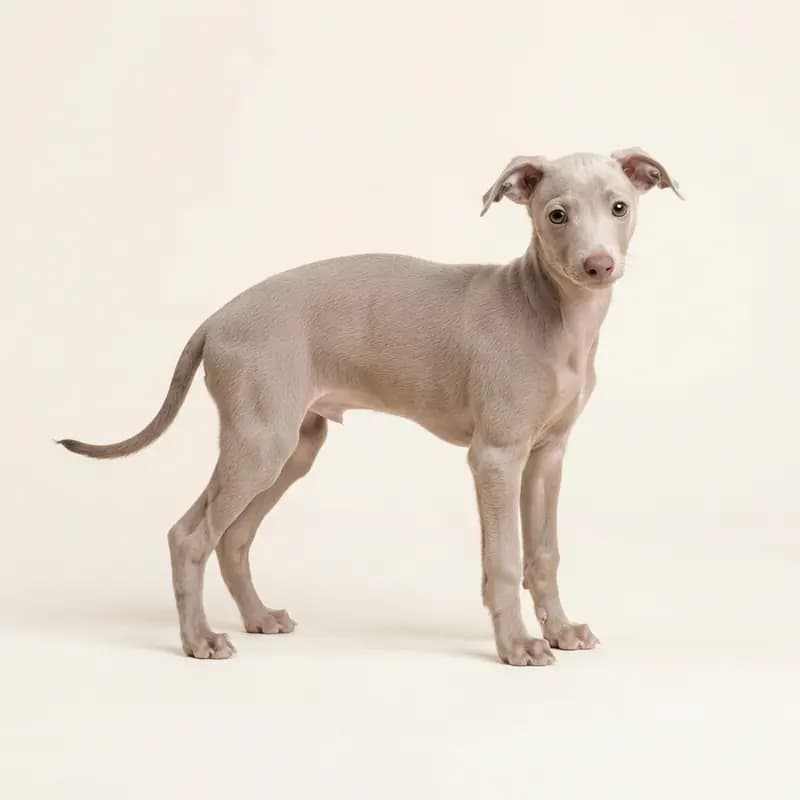
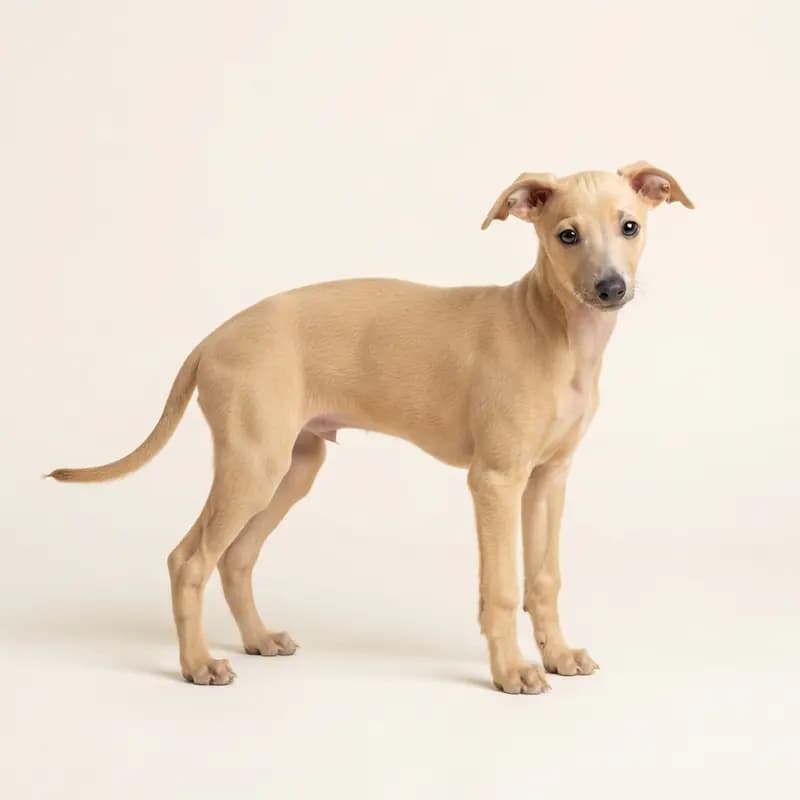
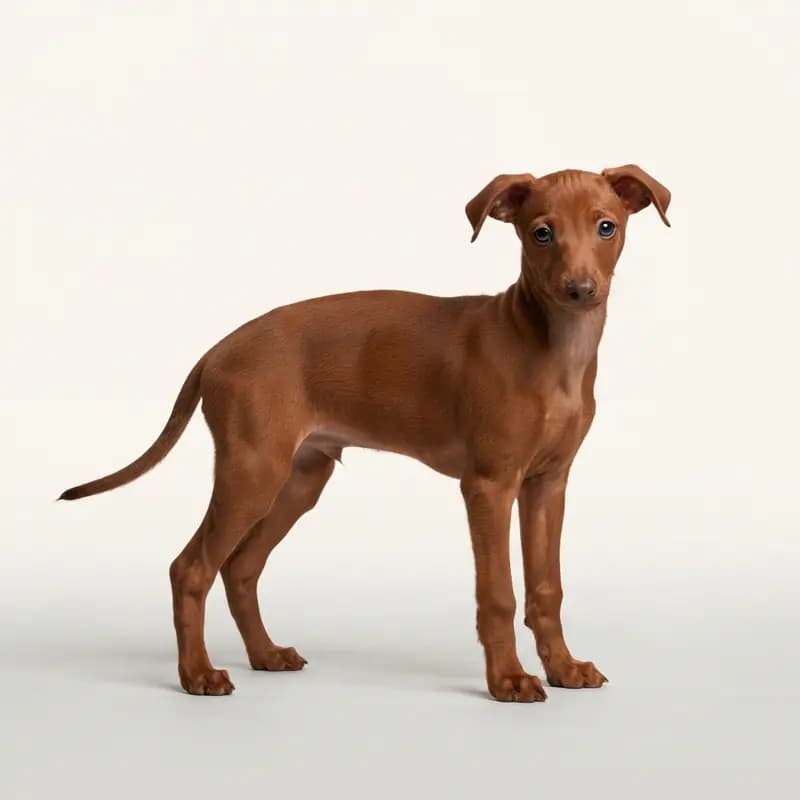
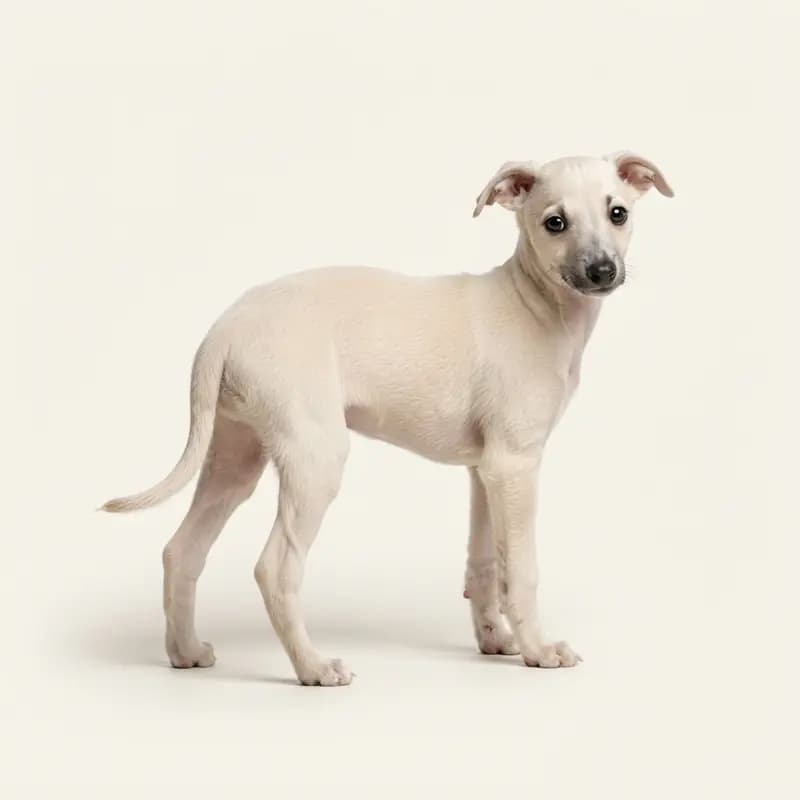
Eye colors
 Brown
Brown
Coat type
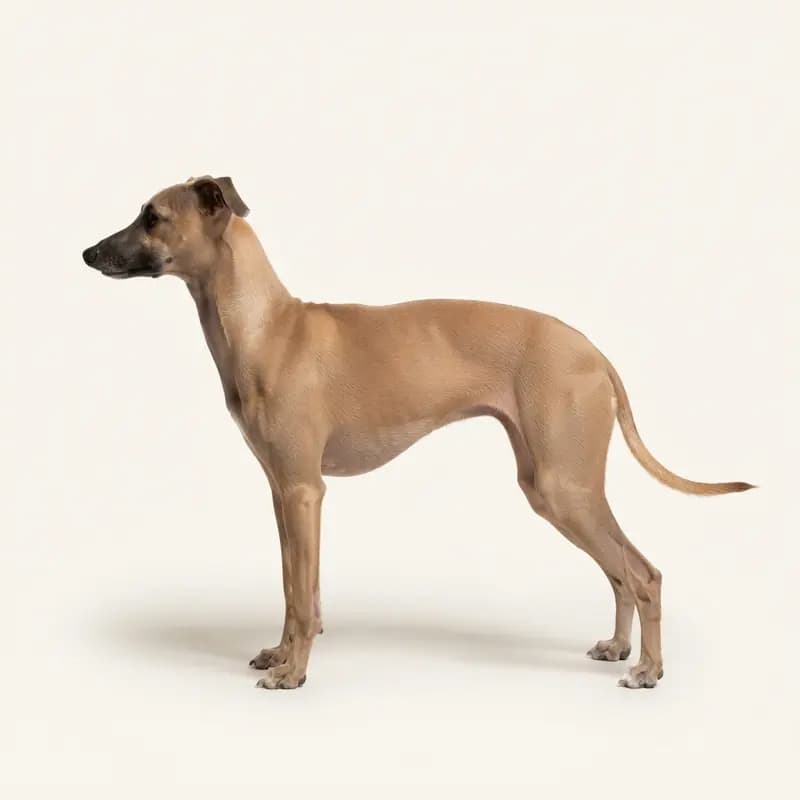 Illustrative image
Short
 Smooth
 Silky
Silky
Is the Italian Greyhound right for you?
The Italian Greyhound is an elegant, extremely affectionate miniature sighthound—bred for explosive, high-speed sprints, all packed into a delicate-looking frame that craves the closeness of its human more than anything else.
Perfect for you if:
- You are looking for a dog that sleeps on the sofa like a cat indoors, but wants to sprint explosively like a true sighthound when outside.
- You are prepared to dress your dog warmly in wet and cold weather, as they simply lack an insulating undercoat.
- You possess a great deal of sensitivity and can guide a dog gently yet consistently, without ever needing to be loud or harsh.
- You live in a quiet household, ideally without small, boisterous children who could unintentionally injure the dog's delicate physique.
Less ideal if:
- You expect them to have perfect recall when off-leash if a rabbit appears—as a sighthound, they react to fast movement stimuli before you can even call out.
- You need to leave them alone for long periods regularly, as this breed is literally glued to its human and suffers immensely from isolation.
- You have zero tolerance for occasional setbacks with housebreaking, especially when the weather outside is unpleasant.
The real vibes check
An Italian Greyhound is like a tiny Ferrari: extremely calm indoors and happiest buried deep under your sweater, but explosive and wired for sprinting once out in the open. They are not robust all-rounders for rough forest adventures, but rather highly sensitive specialists who often forget how fragile they are in the heat of the moment. If you protect them physically and take their hunting instinct seriously, you will get the most affectionate shadow you could ever imagine.
Self-check
Would the Italian Greyhound really fit your life?
Answer 6 quick questions about your everyday life and see how well the Italian Greyhound fits you — including an honest cost estimate per month, per year, and across the dog's lifetime.
Fit checkCost estimateRisk dice
Takes about 1 minute · free & anonymous
Breed Profile
The Italian wind chime, also known as "Piccolo Levriero Italiano", is a true gem among greyhounds. Despite its petite appearance and elf-like appearance, this breed has remarkable speed and endurance. The elegant contours, the delicate build and the shiny, smooth coat, which has no undercoat, characterize this breed. Her delicate and sensitive nature is reflected in her gentle and sometimes thoughtful expression. The Italian Greyhound belongs to FCI Group 10 of greyhounds and is listed here in Section 3, the short-haired greyhounds. There is no distinction between performance and show lines in this breed.
All measurements in detail
- Height
- 32 - 38 cm (Female), 32 - 38 cm (Male)
- Weight
- 3 - 5 kg (Female), 4 - 5 kg (Male)
- Life Expectancy
- 12 - 15 yrs
- Character
- Sensitive, affectionate, spirited
- Coat
- Short, smooth, no undercoat
- Coat Color
- Any solid shade from black to white, including brindle
- Price
- 1500 - 2800 €
Character & Temperament
Despite their noble origins and aristocratic appearance, Italian Greyhounds are neither snooty nor aloof. They are deeply connected to their people and show remarkable devotion. They are sensitive and sensitive souls who require a calm environment and gentle handling. They are extremely affectionate and enjoy spending time with their family. But don't let their delicate appearance fool you - the Italian Greyhound is a real greyhound! They love to run and play and display impressive speed and agility. They have a natural hunting instinct and can be very focused and independent when chasing a trail or toy. However, they tend to be calm dogs who are also happy when they can just relax and cuddle. Although they get along well with other dogs and enjoy playing, they can sometimes be a little reserved around strangers and new situations. However, with patience and positive reinforcement, they can learn to see new experiences as positive and become accustomed to new environments. They can also learn to be alone, but need enough activity and mental stimulation to avoid becoming bored or anxious. Despite their loving and affectionate nature, Italian Greyhounds are not overly vigilant dogs. They may bark at strangers or unfamiliar noises, but are generally quiet and peaceful companions.
| Trainability Has its own ideas and will test limits. | Strong-willed |
| Watchfulness Occasionally alerts but is fundamentally open. | Low |
| Openness to Strangers Warms up quickly and is generally welcoming. | Friendly |
| Hunting or Herding Drive Barely any prey drive — small animals trigger nothing. | Very low |
Fun Fact!
Italian Greyhounds are a very ancient breed, and you can find depictions of them in the art of ancient Greece, Rome, and even ancient Egypt! It is said that they were the favorite dogs of the Romans and were even depicted on coins.
What Awaits You
The Italian greyhound is a calm and cuddly companion at home. However, one should not underestimate the great need for movement of this breed. These dogs can be rather distant towards strangers.
Housing & Care
The Italian Greyhound can be a great city dog as long as it gets enough exercise and mental stimulation. They are very adaptable and do well in an apartment as long as they have regular access to the outdoors. Despite their size and apparent fragility, they are hardy and do well with children as long as they are old enough to handle them gently and respectfully. They are also generally friendly with other dogs and can often get along well with cats and other pets, provided they are used to them from an early age.
- Family Friendly
Loves family life and thrives in a group.
Family-oriented - Child Friendly
Gets on well with children — with adult supervision.
With supervision - Dog Friendly
Actively enjoys the company of other dogs.
Dog-friendly - City Friendly
Small space, noise, lots of people — no problem at all.
Ideal city dog
Owning a dog is a privilege, but it's also a real responsibility. Before you bring one into your life, be honest with yourself about the commitment it takes.
Training & Education
Italian Greyhounds are intelligent, agile dogs that benefit from mental stimulation and training. They learn quickly and are usually easy to train as long as the methods are positive and reward-oriented. They do not respond well to harsh or forced training techniques. Although they are not considered "ball junkies" as they enjoy the opportunity to run around and play freely in a safe area. However, it is important that their play and movement are monitored to avoid injury. It is also important that Italian Greyhounds learn to control their impulses, especially when it comes to their hunting instincts. This breed has a strong "prey drive" so training in areas such as retrieval and staying is very important. Frustration tolerance is another aspect that should be taken into account in education.
Nutrition & Care
The Italian Greyhound is a slim, athletic dog, and his diet should be tailored to maintain his ideal weight. A balanced diet with high-quality food tailored to the needs of small breeds is best. Every dog is individual, so make sure you speak to your veterinarian to create a feeding plan tailored to your specific dog. When it comes to fur care, the Italian Greyhound is easy to care for. Their short, smooth coat requires minimal grooming. They don't shed much, and a weekly brushing is enough to keep their coat clean and healthy. The breed has no undercoat, making it less suitable for extremely cold climates. They freeze easily and may need a dog coat for outdoor exercise in Germany's colder months.
| Care Level Minimal effort — occasional brushing and bathing. | Low-maintenance |
| Exercise Needs Needs 1–2 hours of real exercise daily. | Active |
| Shedding Hair everywhere, always — no white clothing survives. | Very heavy |
| Trainability Has its own ideas and will test limits. | Strong-willed |
Our experts are still reviewing this information. Spotted something wrong? Email us at info@honestdog.de.
Health & hereditary diseases
Health
B
Solid
Health grade
The Italian Greyhound is an elegant and generally long-lived dog, but it has breed-specific vulnerabilities that buyers should be aware of. In particular, patellar luxation and eye conditions such as Progressive Retinal Atrophy (PRA) require consistent health screenings. Furthermore, the breed is known for enamel defects (amelogenesis imperfecta), which is why a careful selection of the parent dogs is crucial.
Grade is relative to other breeds — AI-assisted and editorially reviewed.
In daily life this can mean
You should ensure regular dental care, plan for a warm coat in wet or cold weather, and avoid uncontrolled jumping to protect their fine bone structure.
The breeder's role
Reputable breeders have the knees and eyes of the parent animals checked and pay attention to strong bone density as well as healthy coat colors to minimize risks in the lineage.
Note: This health overview is AI-assisted and editorially reviewed. It is for orientation only and does not replace veterinary advice.
No Health Tests Available
No specific health tests are currently available for this breed.
Costs & where to find one
How much does a Italian Greyhound cost?
A Italian Greyhound costs around ~€150 per month (€80 – €280, depending on your setup). The first year adds up to roughly ~€4,800 including purchase, equipment and puppy school; across the dog's life (13.5 years) it comes to about ~€27,590.
With surgery cover, running costs come to about ~€140 per month — in return, your share of a major operation drops from several thousand euros to around 20 percent.
Per month
~€150
In the first year
~€4,800
Across the dog's life
~€27,590
Purchase from a breeder: €1,500 – €2,800
Estimate at a mid-range setup (suburban, dry food, 1–2 hours of daily exercise), average German prices, as of July 2026.
Calculate your personal costs1-minute self-check with your own answers
Looking for a Italian Greyhound?
Appearance, variants & origin
History
The full history
The Italian Greyhound has an impressively long history. Even in ancient times, they were very popular as companion dogs among the ancient Romans and Greeks. Their depictions have been found on coins, vases and sculptures, attesting to their importance and popularity during this period. Although they fell into obscurity after antiquity, they experienced a renaissance in Italy in the 16th century, where they became a popular accessory for the nobility and wealthy middle class. They were valued for their delicate beauty and pleasant company. Their popularity soon spread throughout Europe, and they became an integral part of the portraits of many noble ladies. These dogs were only recognized as a separate breed in 1882.
Original Use
The Italian Greyhound was bred as a companion dog for the upper class and for hunting small animals.
Origin
Italy
Date
Antike
Owner experiences
What owners say about the Italian Greyhound
Katharina M., Halterin aus Hessen (Hündin Stella, seit 2013)
Als ich Stella bekam, war mir klar, dass Windspiele sensible Seelen sind. Was ich unterschätzt habe, war die legendäre Sturheit beim Thema Stubenreinheit. Wenn es draußen regnete oder kalt war, steckte sie nur die Nase vor die Tür, schaute mich angewidert an und versuchte prompt, ihr Geschäft drinnen auf dem Hochflorteppich zu erledigen. Ich musste wirklich sturer sein als sie und im Regen oder Schnee so lange mit ihr draußen stehen bleiben, bis sie sich gelöst hatte. Heute klappt es zu 99 %, aber der Weg dahin war ein echter Geduldestest.
Ein weiteres großes Thema bei uns ist die Zahngesundheit. Windspiele neigen extrem schnell zu Zahnstein und schlechten Zähnen. Um Stella im Alter unnötige Narkosen für Zahnbehandlungen zu ersparen, habe ich sie schon als Welpe an eine wöchentliche Zahnpflege gewöhnt. Wir putzen ganz brav mit einer kleinen Bürste und Wasser. Sie liebt es zwar nicht, aber sie lässt es geduldig über sich ergehen, was sich bei den Tierarztkontrollen absolut auszahlt.
Christian B., Halter aus Niedersachsen (Rüde Monty, seit 2020)
Wir mussten auf die harte Tour lernen, wie zerbrechlich diese wunderschönen Hunde wirklich sind. Als mein Rüde Monty fünf Monate alt war, sprang er im Übermut aus der Heckklappe unseres Autos und zog sich einen furchtbaren, offenen Bruch am Vorderlauf zu. Er musste sofort operiert werden und bekam eine Metallplatte mit Schrauben. Kaum war das halbwegs verheilt, sprang er vor Schreck aus seiner Tragetasche und brach sich prompt das andere Vorderbein – in der Tierklinik war er danach nur noch als der 'Bruchpilot' bekannt.
Die Knochen von jungen Windspielen sind extrem dünn und weich, während die Hunde selbst oft völlig furchtlos sind und ihre eigenen Kräfte komplett überschätzen. Man muss im ersten Lebensjahr höllisch aufpassen, dass sie nicht von Sofas springen oder beim wilden Toben mit größeren Hunden überrannt werden. Trotz dieser Sorgen möchte ich meinen kleinen Bruchpiloten aber nie wieder missen.
Paraphrased from real owner reports
Loading owner stories
Community Posts
FAQ & more
Frequently asked questions about the Italian Greyhound
Is a Italian Greyhound the right dog for me?
The Italian Greyhound is an adaptable dog that adjusts well to various lifestyles. Research the temperament, grooming needs, and space requirements before deciding.
How long does a Italian Greyhound live?
The average life expectancy of a Italian Greyhound is 12-15 years. With proper care and regular vet visits, your dog can live a long, healthy life.
How much grooming does a Italian Greyhound need?
Italian Greyhound grooming requirements include regular brushing, nail trimming, and dental care. HonestDog provides detailed grooming tips for every breed.
Is a Italian Greyhound good for families with children?
The Italian Greyhound can be a great family dog. Proper training and socialization are key. HonestDog provides family suitability information for every breed.
What colors does the Italian Greyhound come in?
The Italian Greyhound comes in these colors: Black, Grey, Blue, Isabella, Fawn, Red, Cream, Piebald, Brindle, Black and tan. Colors that fall outside the breed standard are marked as such on the breed page.
Loading related articles
Are you a Italian Greyhound breeder?
Showcase your kennel on HonestDog and reach families searching for a responsibly bred Italian Greyhound.
Why HonestDog?
What makes HonestDog different from other platforms
Full transparency
We lay out what we have: who the breeder is, how they work, and any health records they've uploaded. So you can judge for yourself.
Responsible breeding, assured
Every breeder on HonestDog has their identity and documents checked before their profile goes live. Health records they upload are shown on the profile, so you can see exactly what has been tested.
Trust and verification
We verify breeders and buyers alike, so every conversation happens on solid ground. It's a new standard of trust in dog breeding.
Less hassle, more time
We've already checked the breeders' documents and gathered the details, so you can skip the endless research and focus on finding the right puppy for your family.
Our Mission

We connect dog lovers with responsible breeders and shelters to ensure every dog finds the perfect home.
Founded by dog enthusiasts, our platform focuses on ethical dog breeding and adoption.
Why HonestDog?
We connect you with vetted breeders and shelters so you can find your — your new companion — with confidence.
Vetted Partners
Only verified breeders and shelters — for a safe start.
Highest Standards
Every animal's health and wellbeing is our top priority.
Guides & Resources
Guides, checklists, and breed profiles — so you can make a well-informed decision.