Loading breed
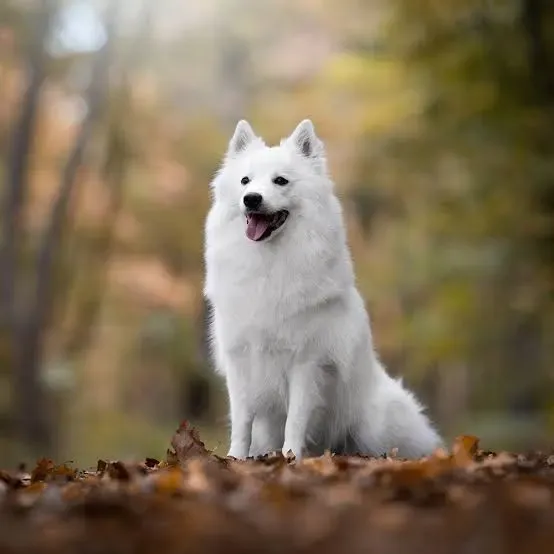
Great Spitz
Health grade BThe Großspitz is a loyal, extremely attentive farm guardian—bred to protect home and hearth in all weather conditions, to announce strangers with a loud bark, and never to go off hunting. He is a piece of living cultural heritage that still takes his job very seriously to this day.
- Height42–50 cm
- Weight14–20 kg
- Life expectancy12–15 yrs
- Puppy price1,200–2,500 €
- Energy3/5
The Essentials at a Glance
The Großspitz is a loyal, extremely attentive farm guardian—bred to protect home and hearth in all weather conditions, to announce strangers with a loud bark, and never to go off hunting. He is a piece of living cultural heritage that still takes his job very seriously to this day.
- Health grade B: The Großspitz is considered a very robust and primitive breed with a refreshingly low genetic disease burden.
- You are looking for a dog without a hunting instinct that naturally stays on its own property—this was his core competency for centuries.
- You have a house with a garden or yard where he can live out his calling as a guardian without disturbing the neighbors.
- You expect a dog that greets every visitor at the door with a wagging tail—he was specifically selected not to do that.
Is the Great Spitz right for you?
At a glance
Great Spitz overview
The essentials — key facts, traits, and health priorities — before you dive deeper.
Health grade
Relative to other breeds
S
A
B
C
D
E
Very healthyHigher risk
Solid — a handful of items a good breeder watches.
See full health info & tests →
Note: This health overview is AI-assisted and editorially reviewed. It is for orientation only and does not replace veterinary advice.
Lifespan
12–15 yrs
Height
42–50 cm
Weight
14–20 kg
Practical
- Puppy price: 1,200 – 2,500 €
- Coat: Long, thick top coat with a dense undercoat
- Origin: Germany
Temperament
Energy
Trainability
Family fit
With kids
Daily life
Care effort
Shedding
Barking
City-friendly
Guard instinct
What matters most
Especially with a Great Spitz, choosing the right breeder is the single most important decision you'll make. Serious breeders consistently test the parents for inherited conditions, prioritize healthy early socialization, and stay accountable long after handover. A cheap puppy without health screening tends to become the most expensive dog later on.
See HonestDog breeder standards →Colors & coat
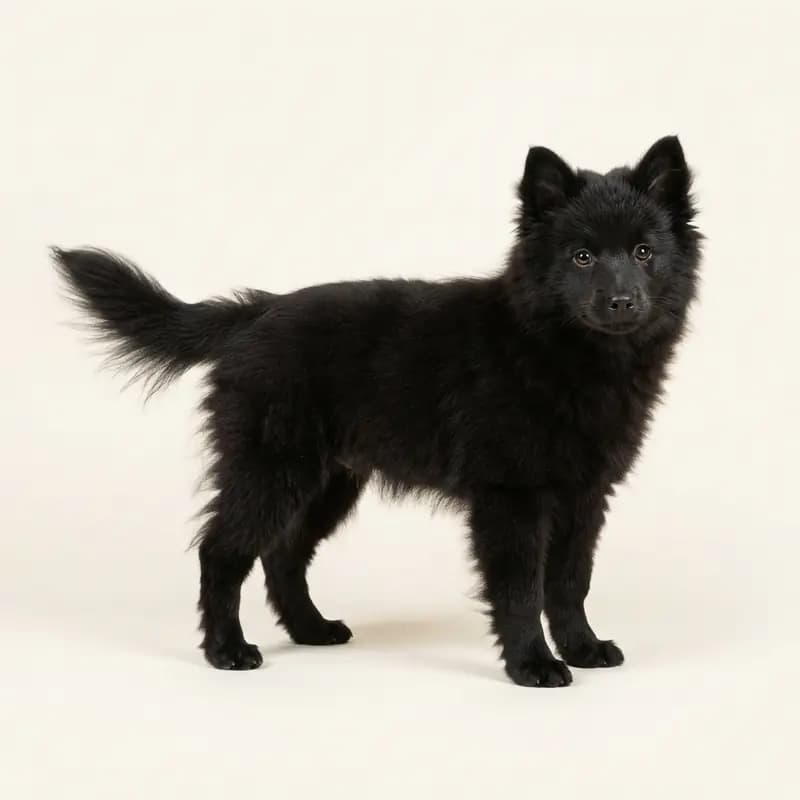
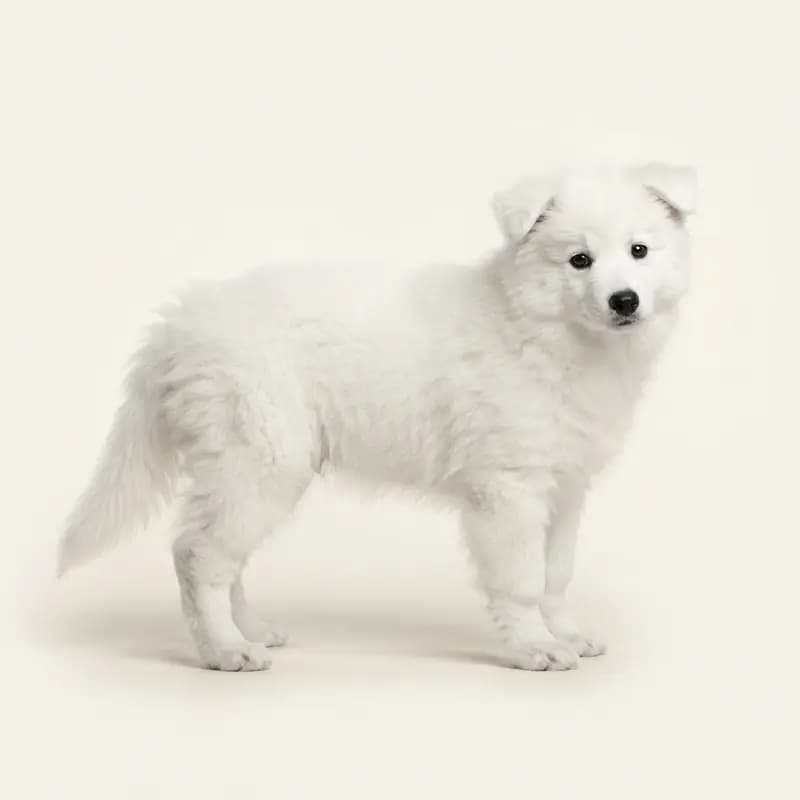
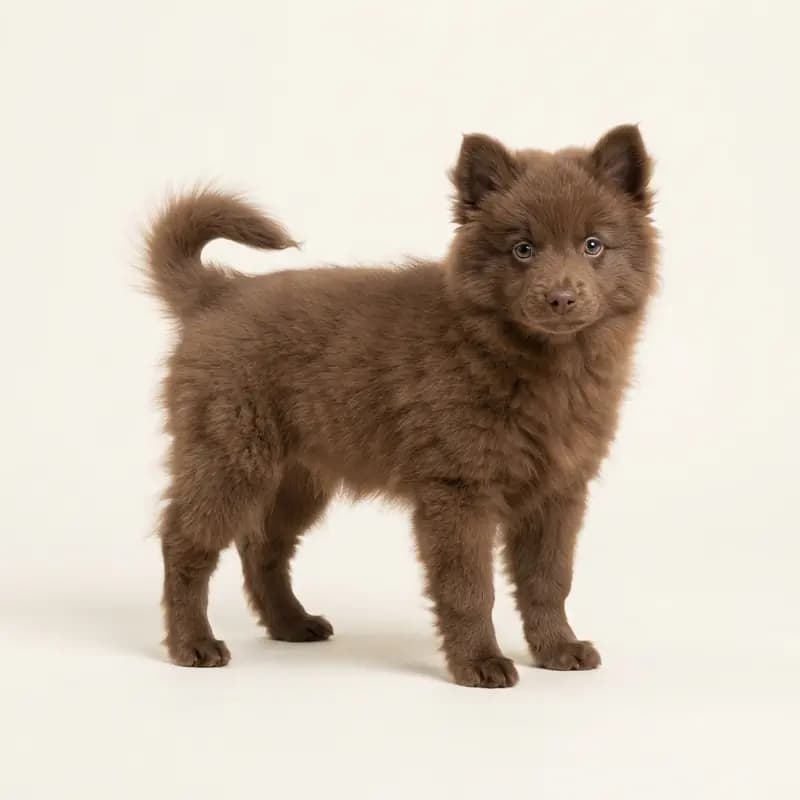
What colors does the Great Spitz come in?
The coat colors you will see in Great Spitz litters — including which ones fall outside the breed standard and which carry genetic risk.
Eye colors
 Brown
Brown
Coat type
 Long
Long Double coat
Is the Great Spitz right for you?
The Großspitz is a loyal, extremely attentive farm guardian—bred to protect home and hearth in all weather conditions, to announce strangers with a loud bark, and never to go off hunting. He is a piece of living cultural heritage that still takes his job very seriously to this day.
Perfect for you if:
- You are looking for a dog without a hunting instinct that naturally stays on its own property—this was his core competency for centuries.
- You have a house with a garden or yard where he can live out his calling as a guardian without disturbing the neighbors.
- You appreciate a companion who bonds closely with his family but maintains a healthy, cautious distance from strangers.
- You are not looking for a high-performance athlete for agility tournaments, but a robust companion for long walks in nature.
Less ideal if:
- You expect a dog that greets every visitor at the door with a wagging tail—he was specifically selected not to do that.
- You live in a thin-walled apartment in the city—reporting anything unusual is part of his hardware and cannot simply be switched off.
- You are insecure in your leadership and let him decide who is allowed to enter the property—a Spitz will otherwise rigorously take on this job himself.
The real vibes check
Beneath the soft, plush facade of a teddy bear lies an incorruptible, serious guardian. A Großspitz cannot be bribed with treats by strangers or lured into the woods by a scent—he stays with you and keeps watch. You aren't getting a trendy fashion dog, but a rock-solid, loyal partner who makes your home his absolute life's mission.
Self-check
Would the Great Spitz really fit your life?
Answer 6 quick questions about your everyday life and see how well the Great Spitz fits you — including an honest cost estimate per month, per year, and across the dog's lifetime.
Fit checkCost estimateRisk dice
Takes about 1 minute · free & anonymous
Breed Profile
The Großspitz is a medium-sized dog breed that is classified in FCI Group 5 (Spitzes and dogs of the original type). With his elegant appearance and his thick, long fur, he is a real eye-catcher. The Großspitz originally comes from the Nordic Spitz and is one of the oldest dog breeds in Europe. There is no specific distinction between performance and show lines in the Spitz.
All measurements in detail
- Height
- 42 - 48 cm (Female), 42 - 50 cm (Male)
- Weight
- 14 - 18 kg (Female), 15 - 20 kg (Male)
- Life Expectancy
- 12 - 15 yrs
- Character
- Adaptable, intelligent, alert
- Coat
- Long, thick top coat with a dense undercoat
- Coat Color
- Various colors such as black, brown, white, orange and cream
- Price
- 1200 - 2500 €
Character & Temperament
The Pomeranian is a highly adaptable dog that is suitable both as a family dog and as a companion for individuals. He is intelligent and alert, which makes him a good watchdog. The Spitz is people-oriented and bonds closely to its family. He is playful and likes to show his affection. Although he enjoys spending time with his people, he can also stay alone as long as he gets enough activity and mental stimulation. The Great Spitz is not prone to strong hunting or prey-catching behavior. However, his guarding instinct makes him alert and vigilant. He will quickly alert when strangers approach or hear unusual noises.
| Trainability Picks up commands quickly and wants to please. | Eager to learn |
| Watchfulness Reports unusual activity but stays controlled. | Moderate |
| Openness to Strangers Warms up quickly and is generally welcoming. | Friendly |
| Hunting or Herding Drive Mild interest in movement and small animals — easily managed. | Low |
Fun Fact!
Großspitzes are one of the oldest German dog breeds and can look back on a long history. They were already known as popular companion dogs and guard dogs in the 18th century.
What Awaits You
Great Spitz: The Great Spitz is a lively and intelligent dog that forms a close bond with its family. It is alert and well-suited as a guard and companion dog. With its dense, curly coat, it requires regular grooming. Great Spitz dogs are active and need meaningful activities to stay balanced. They are friendly but also independent and require consistent training.
Housing & Care
The Pomeranian can be kept both in the city and in the country as long as it receives sufficient exercise and mental stimulation. It is important to provide the Pomeranian with enough exercise and the opportunity to use its energy in a meaningful way. The Pomeranian generally gets along well with small children if it is introduced to children early on and interactions are monitored at all times. As with any dog, it is important to teach interactions between children and dogs and ensure that both parties treat each other with respect. The Pomeranian can usually get along well with other pets, including cats, if socialized early. A slow and positive introduction is important to ensure a harmonious merger.
- Family Friendly
Loves family life and thrives in a group.
Family-oriented - Child Friendly
Takes boisterous and affectionate children in its stride.
Patient with children - Dog Friendly
Usually gets on fine with other dogs.
Generally tolerant - City Friendly
Adapts well to city living and urban environments.
Well-suited to city life
Owning a dog is a privilege, but it's also a real responsibility. Before you bring one into your life, be honest with yourself about the commitment it takes.
Training & Education
The Pomeranian is an intelligent dog that loves to learn and wants to please its owner. He responds well to positive reinforcement and gentle, consistent training methods. Training should be varied and interesting to challenge the Pomeranian mentally. It is well suited for various dog sports such as agility, obedience training or tricks. It is important not to overwhelm or over-stress your Pomeranian, otherwise they may become restless or unhappy. A balanced mix of physical and mental activity is ideal for keeping the Pomeranian happy and content. There is no specific risk of the Pomeranian becoming a ball junkie. However, it is important that the dog learns frustration tolerance and impulse control to promote balanced behavior. Early socialization is important to ensure that the Pomeranian is well socialized and behaves positively with other dogs and people.
Nutrition & Care
The Spitz needs a balanced, high-quality diet that covers its nutritional needs. It is important to adjust the amount of food according to the dog's age, weight and activity level. Regular exercise and mental stimulation are also important to maintain the health and well-being of the Great Spitz. The Spitz has a long, dense top coat with a dense undercoat. The coat requires regular care, including regular brushing to prevent mats and tangles. When it comes to the climate in Germany, the Spitz is highly adaptable and can cope with both cold and warm weather. Because of its long coat, the Pomeranian sheds regularly, especially during shedding in spring and fall.
| Care Level Minimal effort — occasional brushing and bathing. | Low-maintenance |
| Exercise Needs Needs 1–2 hours of real exercise daily. | Active |
| Shedding Hair everywhere, always — no white clothing survives. | Very heavy |
| Trainability Picks up commands quickly and wants to please. | Eager to learn |
Our experts are still reviewing this information. Spotted something wrong? Email us at info@honestdog.de.
Health & hereditary diseases
Health
B
Solid
Health grade
The Großspitz is considered a very robust and primitive breed with a refreshingly low genetic disease burden. Hip dysplasia (HD) is the only notable risk, though it is effectively minimized through strict breeding tests. Since other serious hereditary diseases such as progressive retinal atrophy (PRA) or elbow dysplasia (ED) rarely affect the Großspitz, the breed is in excellent health.
Grade is relative to other breeds — AI-assisted and editorially reviewed.
In daily life this can mean
You should pay attention to a lean physique and the grooming of his thick coat—in return, you will often have a long-lived companion with rather moderate veterinary needs.
The breeder's role
Responsible breeders focus on healthy hearts and sound joint movement so that Großspitze remain healthy and mobile for as long as possible.
Note: This health overview is AI-assisted and editorially reviewed. It is for orientation only and does not replace veterinary advice.
No Health Tests Available
No specific health tests are currently available for this breed.
Costs & where to find one
How much does a Great Spitz cost?
A Great Spitz costs around ~€170 per month (€90 – €310, depending on your setup). The first year adds up to roughly ~€4,700 including purchase, equipment and puppy school; across the dog's life (13.5 years) it comes to about ~€29,980.
With surgery cover, running costs come to about ~€160 per month — in return, your share of a major operation drops from several thousand euros to around 20 percent.
Per month
~€170
In the first year
~€4,700
Across the dog's life
~€29,980
Purchase from a breeder: €1,200 – €2,500
Estimate at a mid-range setup (suburban, dry food, 1–2 hours of daily exercise), average German prices, as of July 2026.
Calculate your personal costs1-minute self-check with your own answers
Looking for a Great Spitz?
Appearance, variants & origin
History
The full history
The history of the Großspitz goes back a long way. The breed has its roots in Northern Europe, where it was used as a companion dog and guard. They were valued for their attentive and reliable nature. The Great Spitz was recognized as an independent breed as early as the 18th century and enjoyed great popularity, especially in Germany.
Original Use
The Spitz was bred as a guard dog for farms and homes, known for its alertness and thick coat.
Origin
Germany
Date
Mittelalter
Owner experiences
What owners say about the Great Spitz
Annette B., Halterin aus Südniedersachsen (zwei Großspitze, seit 2013)
Wir leben mit unseren Spitzen in einem Haus mit Garten in einer Kleinstadt an einer recht belebten Straße. Ich muss ehrlich sagen: Die Wachsamkeit und die damit verbundene Bellfreudigkeit ist bei uns ein riesiges Thema. Unsere Hunde kommentieren einfach alles – ob Kinder, Fußgänger mit Rollator, Radfahrer oder laute Geräusche von der nahen Kreuzung. Sobald sich am Zaun etwas tut, stehen sie da und schlagen Alarm.
Das kann phasenweise wirklich nervtötend sein, und man braucht sehr tolerante Nachbarn. Zwar kann man sie mit einem Kommando wieder zur Ruhe bringen, aber den eigentlichen Alarm-Instinkt bekommt man aus einem Spitz einfach nicht herauerzogen. Das liegt ihnen im Blut, und auch ein Sichtschutz am Zaun hilft da nicht viel.
Außerhalb ihres Reviers sind sie völlig unkompliziert, aber im eigenen Zuhause (oder auch in einer Urlaubsunterkunft) nehmen sie ihren Job extrem ernst. Man muss sich vor der Anschaffung also absolut im Klaren darüber sein, dass man sich einen echten Wächter ins Haus holt.
Christian S., Halter aus Berlin (zwei Rüden, seit 2018)
Ich lebe mit meinen zwei großen Spitzen im Erdgeschoss eines Mehrfamilienhauses mitten in Berlin. Viele Leute denken, dass diese Rasse überhaupt nicht für die Mietwohnung in der Stadt geeignet ist, aber aus meiner Erfahrung klappt das mit der richtigen Erziehung erstaunlich gut. Man muss das Wachen und das Fremdeln gegenüber Unbekannten natürlich in geordnete Bahnen lenken, aber ganz unterdrücken sollte man es nicht – das gehört einfach zu ihrem Wesen.
Was man auf keinen Fall unterschätzen darf, ist der ausgeprägte Sinn für Unabhängigkeit und Freiheit. Der Großspitz ist kein Hund für blinden Gehorsam oder starre Dressur. Wenn man versucht, ihn mit Zwang, Härte oder gar Druck zu erziehen, schaltet er sofort auf stur und reagiert mit totaler Renitenz.
Mit liebevoller Konsequenz und gegenseitigem Respekt hat man dafür einen absolut treuen, charakterstarken Partner an seiner Seite. Bei einem Gewicht von rund 15 bis 20 Kilo muss man diese Hunde in ihrer Erziehung und Persönlichkeit einfach ernst nehmen.
Uta C., Halterin aus Mecklenburg-Vorpommern (Hündin, seit 2019)
Nachdem wir uns intensiv mit der Rasse beschäftigt hatten, zog unsere weiße Großspitz-Hündin bei uns ein. Wir wollten einen Hund, der eng an die Familie gebunden, wachsam, aber auch sportlich aktiv ist. Und wir wurden nicht enttäuscht: Sie ist unglaublich schlau und lernt Tricks wie Socken ausziehen, Gegenstände aufheben oder Winken im Handumdrehen.
Wir sind im Hundesport aktiv und machen mit ihr Hoopers und Rally Obedience. Sie liebt es, ganz eng mit uns zusammenzuarbeiten, und beim Hoopers zeigt sie richtig Tempo. Allerdings bewahrheitet sich bei ihr auch der Spruch: Ein kluger Hund lernt schnell – leider auch jeden Blödsinn!
Man muss sie geistig fordern, denn Langeweile tut ihr nicht gut. Für uns ist sie der absolute Traumhund, der extrem menschenbezogen ist, uns am liebsten überallhin begleitet und einfach ein fester, verschmuster Teil unserer Familie geworden ist.
Paraphrased from real owner reports
Loading owner stories
Community Posts
FAQ & more
Frequently asked questions about the Great Spitz
Is a Great Spitz the right dog for me?
The Great Spitz is an adaptable dog that adjusts well to various lifestyles. Research the temperament, grooming needs, and space requirements before deciding.
How long does a Great Spitz live?
The average life expectancy of a Great Spitz is 12-15 years. With proper care and regular vet visits, your dog can live a long, healthy life.
How much grooming does a Great Spitz need?
Great Spitz grooming requirements include regular brushing, nail trimming, and dental care. HonestDog provides detailed grooming tips for every breed.
Is a Great Spitz good for families with children?
The Great Spitz can be a great family dog. Proper training and socialization are key. HonestDog provides family suitability information for every breed.
What colors does the Great Spitz come in?
The Great Spitz comes in these colors: Black, White, Brown.
Loading related articles
Are you a Great Spitz breeder?
Showcase your kennel on HonestDog and reach families searching for a responsibly bred Great Spitz.
Why HonestDog?
What makes HonestDog different from other platforms
Full transparency
We lay out what we have: who the breeder is, how they work, and any health records they've uploaded. So you can judge for yourself.
Responsible breeding, assured
Every breeder on HonestDog has their identity and documents checked before their profile goes live. Health records they upload are shown on the profile, so you can see exactly what has been tested.
Trust and verification
We verify breeders and buyers alike, so every conversation happens on solid ground. It's a new standard of trust in dog breeding.
Less hassle, more time
We've already checked the breeders' documents and gathered the details, so you can skip the endless research and focus on finding the right puppy for your family.
Our Mission

We connect dog lovers with responsible breeders and shelters to ensure every dog finds the perfect home.
Founded by dog enthusiasts, our platform focuses on ethical dog breeding and adoption.
Why HonestDog?
We connect you with vetted breeders and shelters so you can find your — your new companion — with confidence.
Vetted Partners
Only verified breeders and shelters — for a safe start.
Highest Standards
Every animal's health and wellbeing is our top priority.
Guides & Resources
Guides, checklists, and breed profiles — so you can make a well-informed decision.