Loading breed
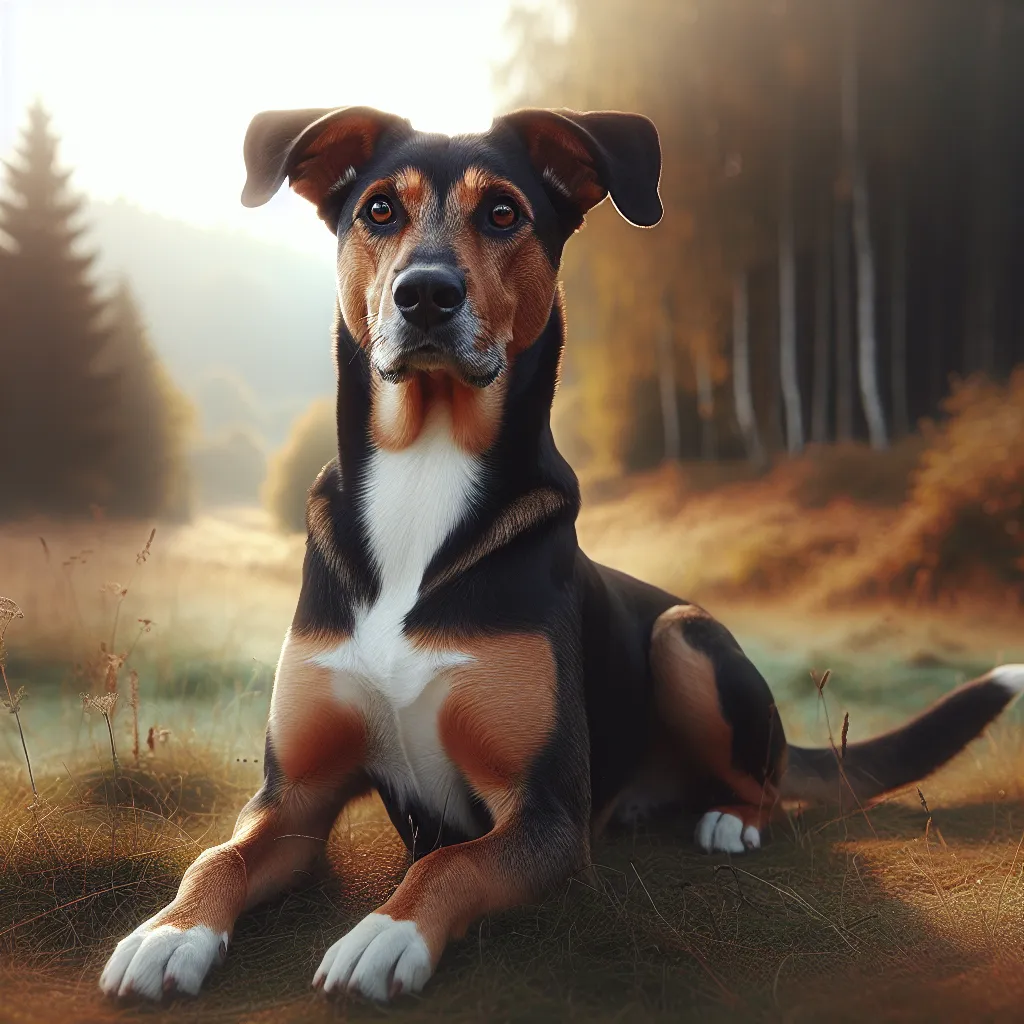
Estonian Hound
Health grade BThe Estnische Bracke is an agile, enduring scent hound and a specialist in tracking by voice—bred to hunt foxes and hares in dense forests with stamina and vocal persistence. At home, they are gentle companions; outdoors, they are highly focused scent workers.
- Height42–52 cm
- Weight15–20 kg
- Life expectancy12–15 yrs
- Puppy price1,200–2,500 €
- Energy4/5
The Essentials at a Glance
The Estnische Bracke is an agile, enduring scent hound and a specialist in tracking by voice—bred to hunt foxes and hares in dense forests with stamina and vocal persistence. At home, they are gentle companions; outdoors, they are highly focused scent workers.
- Health grade B: The Estonian Hound is considered a very robust hunting breed for which there are currently no specific mandatory genetic tests recorded in the databases.
- You are prepared to provide daily scent work like mantrailing or tracking—simple walks will never be enough to tire out a dog with this breeding background.
- You live in a rural area and have access to vast spaces for long-line training or a secure, escape-proof garden.
- You expect them to react immediately to your recall when they spot game—they were bred to follow a trail independently and persistently in those exact moments.
Is the Estonian Hound right for you?
At a glance
Estonian Hound overview
The essentials — key facts, traits, and health priorities — before you dive deeper.
Health grade
Relative to other breeds
S
A
B
C
D
E
Very healthyHigher risk
Solid — a handful of items a good breeder watches.
See full health info & tests →
Note: This health overview is AI-assisted and editorially reviewed. It is for orientation only and does not replace veterinary advice.
Lifespan
12–15 yrs
Height
42–52 cm
Weight
15–20 kg
Practical
- Puppy price: 1,200 – 2,500 €
- Coat: Short, dense, without undercoat
- Origin: Estonia
Temperament
Energy
Trainability
Family fit
With kids
Daily life
Care effort
Shedding
Barking
City-friendly
Guard instinct
What matters most
Especially with a Estonian Hound, choosing the right breeder is the single most important decision you'll make. Serious breeders consistently test the parents for inherited conditions, prioritize healthy early socialization, and stay accountable long after handover. A cheap puppy without health screening tends to become the most expensive dog later on.
See HonestDog breeder standards →Colors & coat
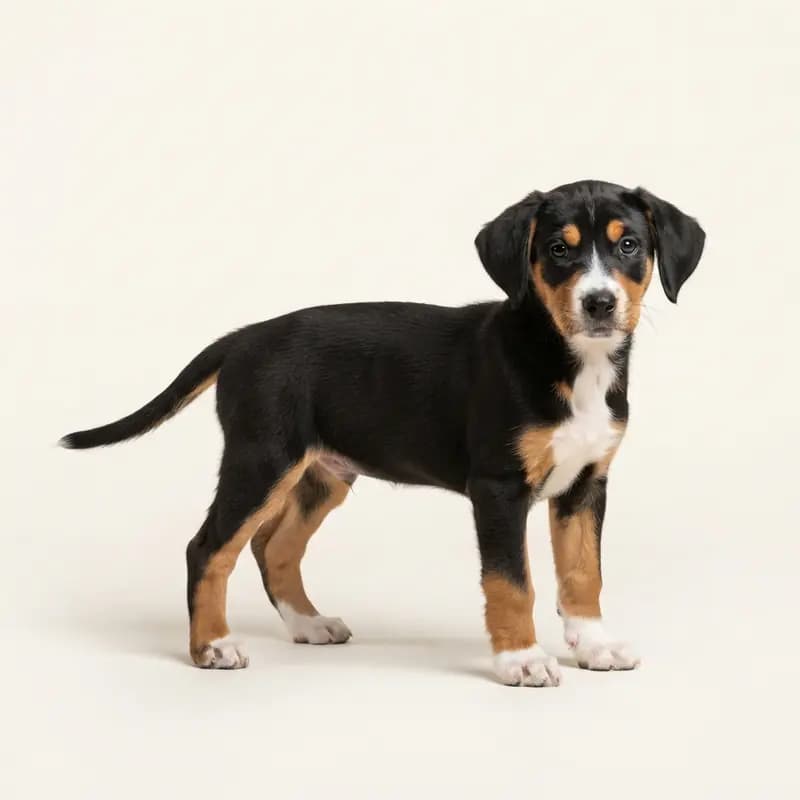
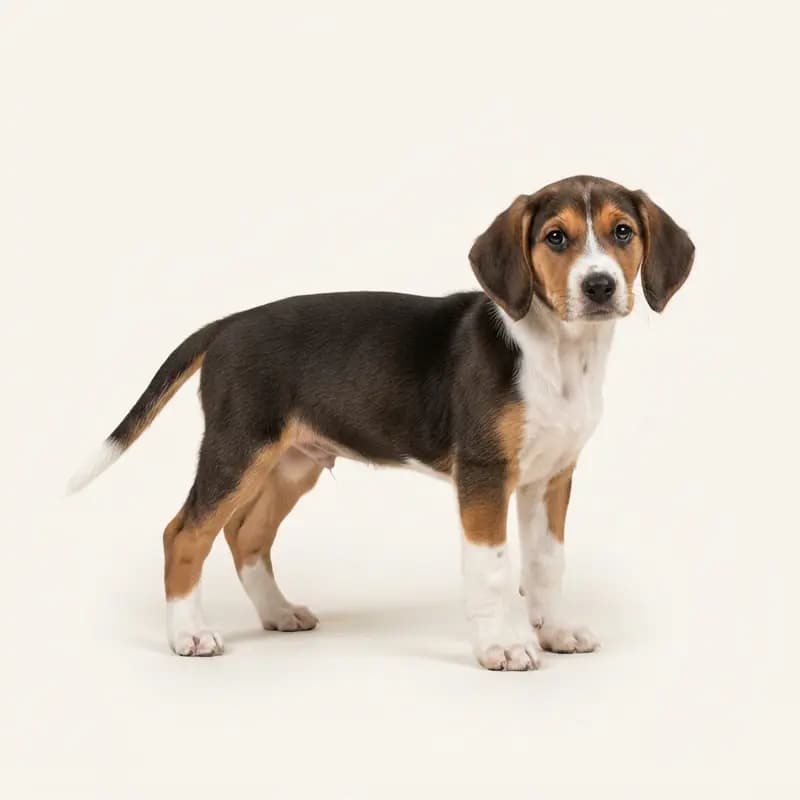
What colors does the Estonian Hound come in?
The coat colors you will see in Estonian Hound litters — including which ones fall outside the breed standard and which carry genetic risk.
Eye colors
 Brown
Brown
Coat type
 Short
Short Double coat
Is the Estonian Hound right for you?
The Estnische Bracke is an agile, enduring scent hound and a specialist in tracking by voice—bred to hunt foxes and hares in dense forests with stamina and vocal persistence. At home, they are gentle companions; outdoors, they are highly focused scent workers.
Perfect for you if:
- You are prepared to provide daily scent work like mantrailing or tracking—simple walks will never be enough to tire out a dog with this breeding background.
- You live in a rural area and have access to vast spaces for long-line training or a secure, escape-proof garden.
- You are looking for a gentle, highly sociable pack dog that loves living with other dogs.
- You bring a sense of humor and patience to training, rather than expecting absolute obedience at the push of a button.
Less ideal if:
- You expect them to react immediately to your recall when they spot game—they were bred to follow a trail independently and persistently in those exact moments.
- You live in an apartment with thin walls—as a vocal tracker, a powerful and expressive voice is part of their genetic makeup.
- You have to leave them alone for many hours on weekdays, which completely contradicts their nature as a highly social pack animal.
The real vibes check
An Estnische Bracke has their nose to the ground outside and their head in your lap inside. You aren't getting a dog that blindly follows commands, but a charming, independent tracker who often lives in their own world while in the forest. If you accept that a long leash will remain your most important tool, you will gain an incredibly gentle and loyal companion.
Self-check
Would the Estonian Hound really fit your life?
Answer 6 quick questions about your everyday life and see how well the Estonian Hound fits you — including an honest cost estimate per month, per year, and across the dog's lifetime.
Fit checkCost estimateRisk dice
Takes about 1 minute · free & anonymous
Breed Profile
The Estonian Hound is a medium-sized hunting dog breed primarily native to Estonia. It belongs to the group of hounds and was specifically bred for tracking and locating game. Its appearance is characterized by a slender but muscular build that combines agility and endurance. The Estonian Hound has an elongated head with expressive, almond-shaped eyes and drooping ears typical of hounds. Its short, dense coat is usually reddish-brown with white markings. In terms of character, the breed is lively, intelligent, and very eager to work, making it an excellent companion for hunters. Despite its strong hunting drive, the Estonian Hound is also friendly and affectionate in family life. Within the breed, there are no distinct lines, but the expression of hunting traits varies depending on the breeding goal.
All measurements in detail
- Height
- 42 - 49 cm (Female), 45 - 52 cm (Male)
- Weight
- 15 - 20 kg (Female), 15 - 20 kg (Male)
- Life Expectancy
- 12 - 15 yrs
- Character
- Loyal, Intelligent, Vigilant
- Coat
- Short, dense, without undercoat
- Coat Color
- Varied; including black, blue, brown, fawn, red, and more.
- Price
- 1200 - 2500 €
Character & Temperament
The Estonian Hound is a lively and enduring hunting dog with a pronounced sense of smell and a strong bond with its owner. It is characterized by its high enthusiasm for work and strong hunting drive, being especially valued for tracking and locating game. Despite its strong drive, it is very loyal and affectionate towards its owner. The Estonian Hound requires a lot of exercise and mental stimulation to remain balanced. It learns quickly and enjoys working closely with its owner, which is why consistent but loving training is important. It finds being alone difficult, as it seeks contact with its family and feels most comfortable near them. When dealing with strangers, the Estonian Hound is usually reserved but does not show excessive aggression. It has good watchdog qualities without being overly dominant. Due to its hunting drive, it may tend to chase moving objects, making early training and reliable recall essential. Overall, the Estonian Hound is an intelligent, hardworking, and loyal companion, especially well suited for active people and families with hunting ambitions.
| Trainability Willing to learn with clear rules and regular training. | Balanced |
| Watchfulness Occasionally alerts but is fundamentally open. | Low |
| Openness to Strangers Warms up quickly and is generally welcoming. | Friendly |
| Hunting or Herding Drive Powerful instinct that can override recall when triggered. | Strong |
Fun Fact!
Estonian Hound: The Estonian Hound is a true outdoorsman – with its keen sense of smell and endurance, it hunts for hours through the Estonian forests. Originally bred as a versatile hunting dog, it combines the speed of a sighthound with the nose of a pointing dog and is as friendly as a family dog.
What Awaits You
The Estonian Hound is a lively and enduring hunting dog, especially valued for tracking and pursuing game. They are intelligent and eager to work but require consistent leadership and sufficient exercise. These dogs are friendly with people and other animals but are particularly suited for active families or hunters who want to specifically develop their skills.
Housing & Care
Estonian Hound: The Estonian Hound is a lively and enduring hunting dog that requires a lot of exercise and mental stimulation. They are very attentive and work closely with their owner, which is why they need consistent but loving training. Due to their strong hunting drive, they are less suitable for pure apartment living and feel most comfortable in rural areas or houses with gardens. In dealing with children, Estonian Hounds are usually friendly and patient, and they fit best in families that can share their energy and need for movement. They generally get along well with other dogs, especially if socialized early. However, cats and other small animals should be introduced cautiously, as their hunting instinct is strongly pronounced.
- Family Friendly
Loves family life and thrives in a group.
Family-oriented - Child Friendly
Takes boisterous and affectionate children in its stride.
Patient with children - Dog Friendly
Actively enjoys the company of other dogs.
Dog-friendly - City Friendly
Can manage in the city, but only with very active owners.
Difficult in cities
Owning a dog is a privilege, but it's also a real responsibility. Before you bring one into your life, be honest with yourself about the commitment it takes.
Training & Education
The Estonian Hound is an intelligent and hardworking hunting dog that requires consistent and patient training. Similar to the Labrador and German Shepherd, it is important to encourage the natural eagerness to work and the pronounced sense of smell of the Estonian Hound. It loves to be challenged, especially with search and retrieve tasks that correspond to its hunting instinct. Training should be varied and positive to keep motivation high and create a close bond between you and your dog. Frustration tolerance and impulse control are important aspects, as the Estonian Hound can sometimes be stubborn. Early socialization and clear rules help to avoid unwanted behavior. The Estonian Hound is well suited for various dog sports, especially those that challenge its nose and endurance. At the same time, you should be careful not to overwhelm the dog and also allow it rest periods. With the right support, the Estonian Hound becomes a balanced, reliable, and dedicated companion.
Nutrition & Care
Estonian Hound: The diet of the Estonian Hound should be balanced and tailored to the needs of an active hunting dog. High-quality, protein-rich food supports muscles and endurance. Be careful to avoid overfeeding to maintain a healthy weight. The coat of the Estonian Hound is short and dense, with a light undercoat that provides protection against the cold. Regular brushing, about once a week, is sufficient to remove loose hair and keep the coat healthy. During the shedding season in spring and autumn, increased shedding may occur, making more intensive brushing advisable. The Estonian Hound is well adapted to the Central European climate. Its coat protects against the cold, but in extreme heat, sufficient shade and water should be provided to prevent overheating.
| Care Level Minimal effort — occasional brushing and bathing. | Low-maintenance |
| Exercise Needs Needs several hours of serious exercise every day. | Very active |
| Shedding Regular shedding — dog hair on clothes is now normal. | Moderate |
| Trainability Willing to learn with clear rules and regular training. | Balanced |
Our experts are still reviewing this information. Spotted something wrong? Email us at info@honestdog.de.
Health & hereditary diseases
Health
B
Solid
Health grade
The Estonian Hound is considered a very robust hunting breed for which there are currently no specific mandatory genetic tests recorded in the databases. Nevertheless, buyers should be mindful of general vulnerabilities such as hip dysplasia (HD) and eye conditions like Progressive Retinal Atrophy (PRA), which can occur in scenthounds. As there are few documented hereditary burdens, the breed is considered to be in solid health.
Grade is relative to other breeds — AI-assisted and editorially reviewed.
In daily life this can mean
You should focus on joint-friendly development and regularly check and clean their floppy ears to prevent painful infections in daily life.
The breeder's role
Reputable breeders have the hips, elbows, knees, and eyes of the parent animals checked by a veterinarian to specifically lower the risks of hereditary diseases in the lineage.
Note: This health overview is AI-assisted and editorially reviewed. It is for orientation only and does not replace veterinary advice.
No Health Tests Available
No specific health tests are currently available for this breed.
Costs & where to find one
How much does a Estonian Hound cost?
A Estonian Hound costs around ~€170 per month (€90 – €320, depending on your setup). The first year adds up to roughly ~€4,710 including purchase, equipment and puppy school; across the dog's life (13.5 years) it comes to about ~€30,120.
With surgery cover, running costs come to about ~€160 per month — in return, your share of a major operation drops from several thousand euros to around 20 percent.
Per month
~€170
In the first year
~€4,710
Across the dog's life
~€30,120
Purchase from a breeder: €1,200 – €2,500
Estimate at a mid-range setup (suburban, dry food, 1–2 hours of daily exercise), average German prices, as of July 2026.
Calculate your personal costs1-minute self-check with your own answers
Looking for a Estonian Hound?
HonestDog Concierge
No verified Estonian Hound breeders on HonestDog yet
We currently have no breeders for this breed who have passed our verification. Create your short buyer profile: we'll set up your search alert, review a possible source and email you within 28 days.
Appearance, variants & origin
History
The full history
The Estonian Hound, known in its homeland as the Eesti Hagijas, is the only officially recognized dog breed from Estonia. Its history is relatively recent and closely linked to the political and legislative changes following the Second World War. In 1947, the Soviet Ministry of Agriculture issued a decree prohibiting the use of large scenthounds for hunting to protect dwindling wildlife populations, particularly roe deer. From then on, only hunting dogs with a maximum shoulder height of 45 centimeters were permitted. To meet these new requirements, Estonian breeders began purposefully creating a new, smaller breed. They crossed the remaining local scenthounds with imported Beagles, English Foxhounds, and Swiss Hounds. The result was a compact, enduring, and vocal hunting dog ideally suited for hunting hares and foxes in the dense forests of Estonia. The first official breed standard was adopted in the Soviet Union as early as 1954. After Estonia regained its independence, the Estonian Hound was declared the country's national dog. The Fédération Cynologique Internationale (FCI) provisionally recognized the breed in 2019 under standard number 366. To this day, it is primarily valued as a capable hunting dog.
Original Use
The Estonian Hound was bred after the Second World War for hunting hares and foxes and is the only recognized dog breed of Estonia.
Origin
Estonia
Date
1947
Owner experiences
What owners say about the Estonian Hound
Sabine M., Halterin aus dem Sauerland (Hündin, seit 2023)
Wir werden beim Spazierengehen ständig gefragt, ob unsere Hündin ein 'zu groß geratener Beagle' ist. Optisch sieht sie ihr tatsächlich sehr ähnlich, aber charakterlich ist sie eine ganz eigene Nummer. Im Haus ist sie die Sanftmut in Person – sie ist unglaublich anhänglich, sucht ständig Körperkontakt und läuft mir sprichwörtlich von Raum zu Raum hinterher. Sie ist extrem menschenfreundlich und verträgt sich super mit anderen Hunden.
Sobald wir aber die Haustür nach draußen öffnen, legt sich bei ihr ein Schalter um. Ihre Nase klebt quasi am Boden, und alles andere um sie herum wird komplett ausgeblendet. Da merkt man einfach die genetische Programmierung als Laufhund. Einfaches Spazierengehen an der Leine ist ohne Beschäftigung kaum möglich, weil sie jede Fährte aufsaugt.
Um sie geistig auszulasten, machen wir zweimal pro Woche Mantrailing und tägliche Suchspiele. Ohne diese intensive Nasenarbeit wäre sie unausgeglichen. Man muss sich im Klaren sein, dass man hier keinen einfachen Begleithund an der Leine hat, sondern ein echtes Arbeitstier, das draußen konsequente Führung braucht.
Jochen W., Jäger aus Mecklenburg-Vorpommern (Rüde, seit 2021)
Ich führe meinen Rüden jetzt seit über vier Jahren aktiv jagdlich. Die Estnische Bracke ist für mich der perfekte Partner im Revier, besonders bei der Jagd auf Fuchs und Hase. Was mich immer wieder fasziniert, ist sein schallender, fast melodischer Spurlaut. Wenn er auf der Fährte ist, hört man das weithin – ein echter Genuss für jeden Brackenführer.
Er bringt eine enorme Ausdauer und Härte im schwierigen Gelände mit. Historisch wurde die Rasse in Estland ja so gezüchtet, dass sie sich hervorragend auf Niederwild konzentriert und Schalenwild weitgehend ignoriert. Das erleichtert die Ausbildung ungemein. Seine Nase ist phänomenal, und sein Finderwille sucht seinesgleichen.
Trotz seiner jagdlichen Passion ist er nach getaner Arbeit im Haus ein absolut ruhiger und ausgeglichener Mitbewohner. Er ist extrem sozialverträglich, zeigt keinerlei Aggressionen und ist auch im Umgang mit meinen Kindern absolut sanft. Ein reiner Zwingerhund ist er definitiv nicht; er braucht den direkten Familienanschluss.
Christian T., Outdoor-Fan aus Oberbayern (Rüde, seit 2022)
Wir haben unseren Rüden über eine Tierhilfe vermittelt bekommen und mussten schnell lernen, was es heißt, einen echten Spezialisten auszulasten. Er hat ein enormes Energiebündel in sich. Unter 90 Minuten bis zwei Stunden intensiver Bewegung am Tag – am besten kombiniert mit Fährtenarbeit – läuft bei uns gar nichts. Wenn er nicht ausgelastet ist, merkt man schnell, wie er unruhig wird und anfängt, im Garten den Zaun lautstark zu patrouillieren.
Die Erziehung erfordert extrem viel Geduld und Konsequenz. Die sprichwörtliche 'Brackensturheit' ist kein Mythos. Wenn er eine Spur im Kopf hat, schaltet er auf Durchzug. Ohne Schleppleine geht im Wald aktuell gar nichts, da sein Jagdtrieb extrem ausgeprägt ist.
Gesundheitlich ist er dafür ein absoluter Traum. Er ist unglaublich robust, wetterunempfindlich durch sein dichtes, kurzes Fell und war in den ganzen Jahren noch nie ernsthaft krank. Wer bereit ist, täglich viel Zeit in die Auslastung zu stecken und mit der Selbstständigkeit dieser Hunde umgehen kann, bekommt einen treuen und absolut liebenswerten Begleiter.
Paraphrased from real owner reports
Loading owner stories
FAQ & more
Frequently asked questions about the Estonian Hound
Is a Estonian Hound the right dog for me?
The Estonian Hound is an active dog that needs plenty of exercise and mental stimulation. Research the temperament, grooming needs, and space requirements before deciding.
How long does a Estonian Hound live?
The average life expectancy of a Estonian Hound is 12-15 years. With proper care and regular vet visits, your dog can live a long, healthy life.
How much grooming does a Estonian Hound need?
Estonian Hound grooming requirements include regular brushing, nail trimming, and dental care. HonestDog provides detailed grooming tips for every breed.
Is a Estonian Hound good for families with children?
The Estonian Hound can be a great family dog. Proper training and socialization are key. HonestDog provides family suitability information for every breed.
What colors does the Estonian Hound come in?
The Estonian Hound comes in these colors: Tricolor, Bicolor.
Loading related articles
Are you a Estonian Hound breeder?
Showcase your kennel on HonestDog and reach families searching for a responsibly bred Estonian Hound.
Why HonestDog?
What makes HonestDog different from other platforms
Full transparency
We lay out what we have: who the breeder is, how they work, and any health records they've uploaded. So you can judge for yourself.
Responsible breeding, assured
Every breeder on HonestDog has their identity and documents checked before their profile goes live. Health records they upload are shown on the profile, so you can see exactly what has been tested.
Trust and verification
We verify breeders and buyers alike, so every conversation happens on solid ground. It's a new standard of trust in dog breeding.
Less hassle, more time
We've already checked the breeders' documents and gathered the details, so you can skip the endless research and focus on finding the right puppy for your family.
Our Mission

We connect dog lovers with responsible breeders and shelters to ensure every dog finds the perfect home.
Founded by dog enthusiasts, our platform focuses on ethical dog breeding and adoption.
Why HonestDog?
We connect you with vetted breeders and shelters so you can find your — your new companion — with confidence.
Vetted Partners
Only verified breeders and shelters — for a safe start.
Highest Standards
Every animal's health and wellbeing is our top priority.
Guides & Resources
Guides, checklists, and breed profiles — so you can make a well-informed decision.