Loading breed
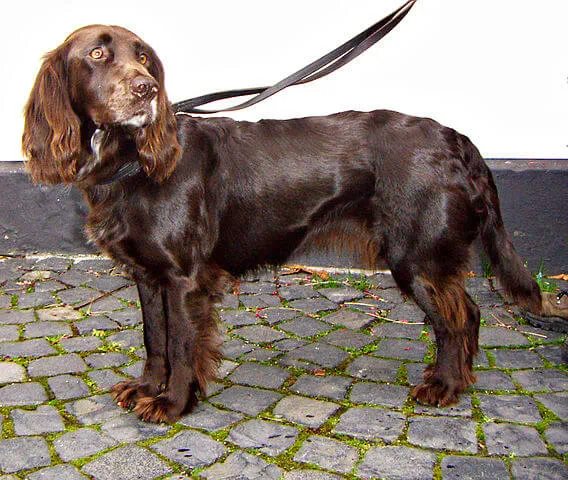
German Spaniel
Health grade BThe Deutscher Wachtelhund is a robust, passionate working dog—a classic Stöberhund (flushing dog) bred almost exclusively by hunters for hunters to flush out game in dense forests and track with a loud bay.
- Height45–54 cm
- Weight18–25 kg
- Life expectancy12–14 yrs
- Puppy price1,200–2,500 €
- Energy4/5
The Essentials at a Glance
The Deutscher Wachtelhund is a robust, passionate working dog—a classic Stöberhund (flushing dog) bred almost exclusively by hunters for hunters to flush out game in dense forests and track with a loud bay.
- Health grade B: The Deutscher Wachtelhund receives a grade of B.
- You are an active hunter or forester looking for an untiring companion for flushing and blood tracking work in the woods.
- You live in a rural area, ideally with a large, securely fenced property right next to nature.
- You are just looking for an athletic companion for jogging—he was bred to follow tracks, not to mindlessly trot along beside you.
Is the German Spaniel right for you?
At a glance
German Spaniel overview
The essentials — key facts, traits, and health priorities — before you dive deeper.
Health grade
Relative to other breeds
S
A
B
C
D
E
Very healthyHigher risk
Solid — a handful of items a good breeder watches.
See full health info & tests →
Note: This health overview is AI-assisted and editorially reviewed. It is for orientation only and does not replace veterinary advice.
Lifespan
12–14 yrs
Height
45–54 cm
Weight
18–25 kg
Practical
- Puppy price: 1,200 – 2,500 €
- Coat: Dense, medium length, undercoat present
- Origin: Germany
Temperament
Energy
Trainability
Family fit
With kids
Daily life
Care effort
Shedding
Barking
City-friendly
Guard instinct
What matters most
Especially with a German Spaniel, choosing the right breeder is the single most important decision you'll make. Serious breeders consistently test the parents for inherited conditions, prioritize healthy early socialization, and stay accountable long after handover. A cheap puppy without health screening tends to become the most expensive dog later on.
See HonestDog breeder standards →Colors & coat
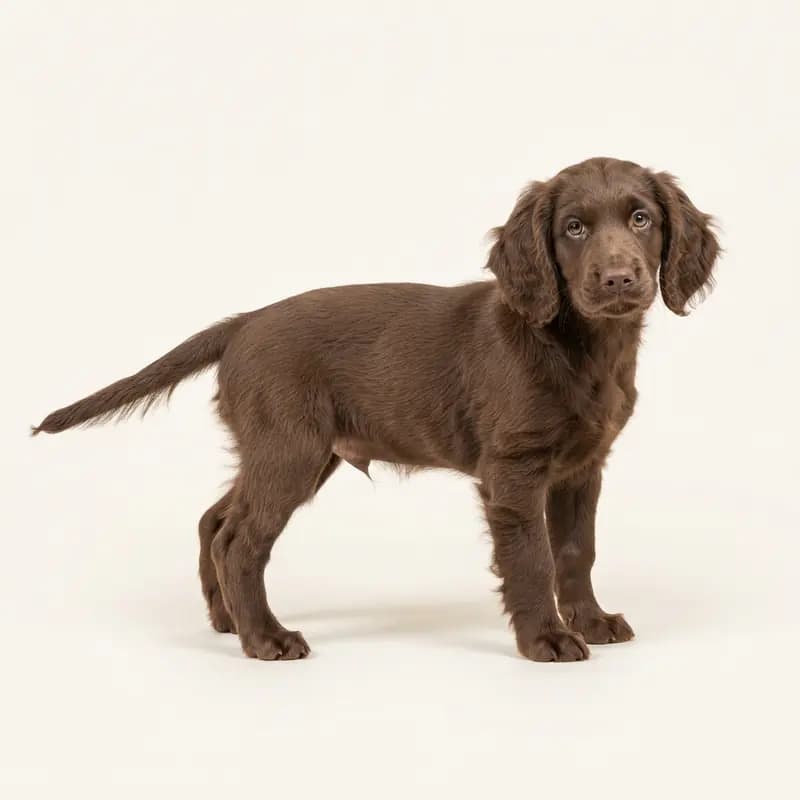
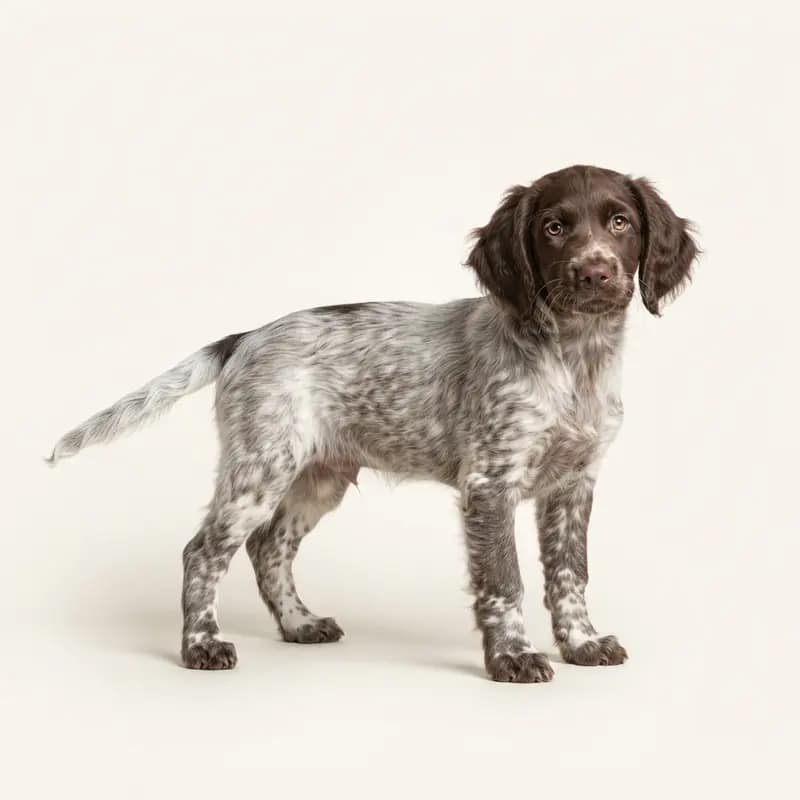
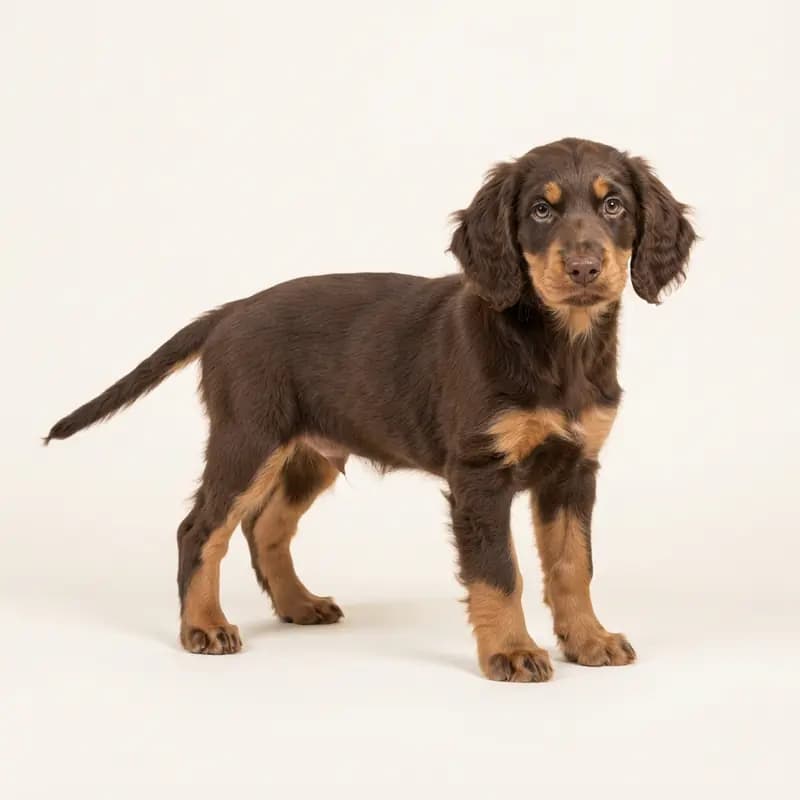
What colors does the German Spaniel come in?
The coat colors you will see in German Spaniel litters — including which ones fall outside the breed standard and which carry genetic risk.
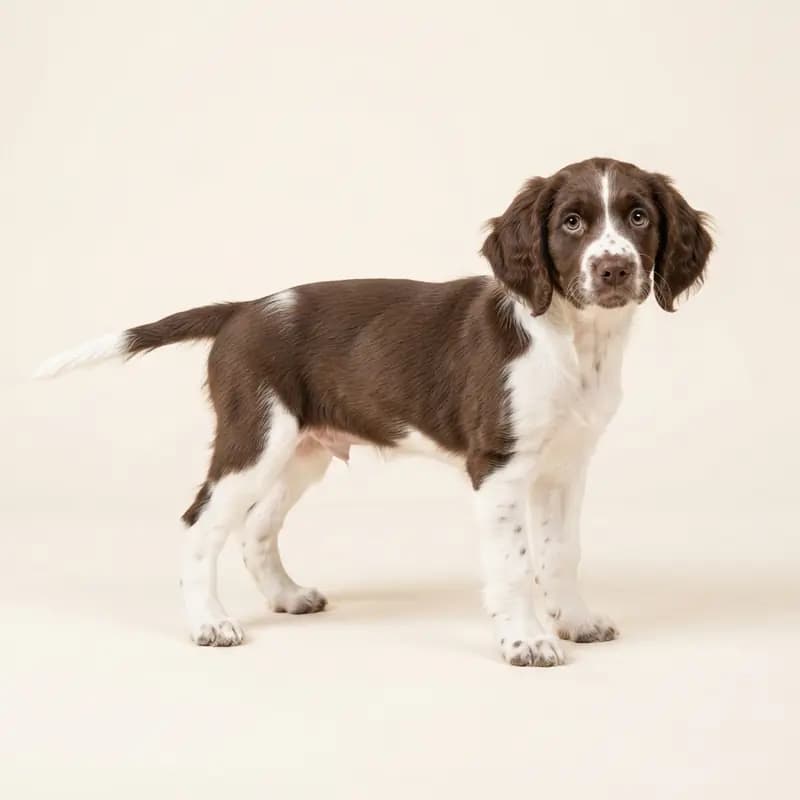
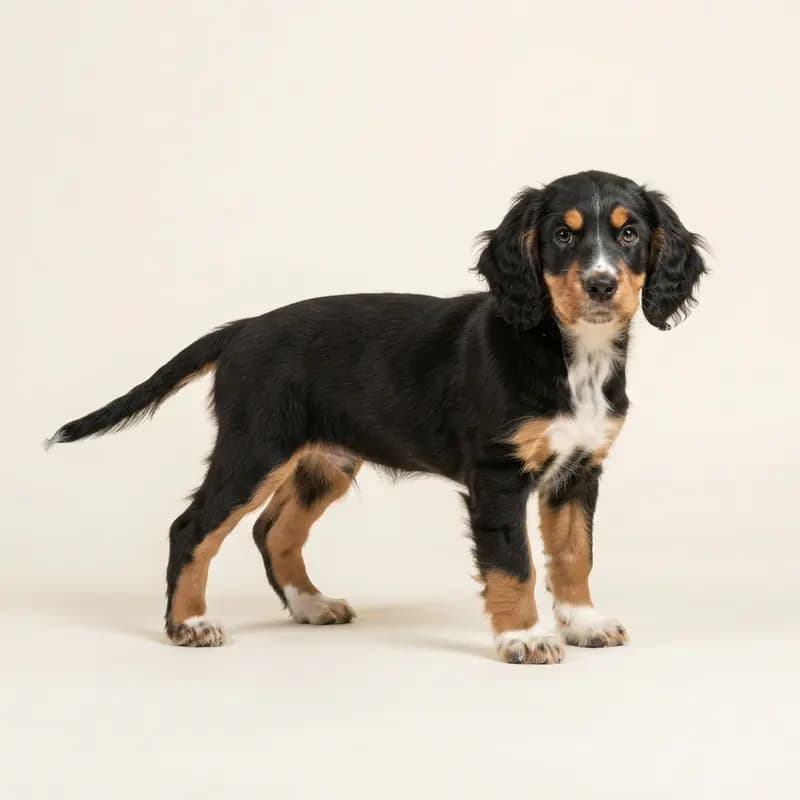
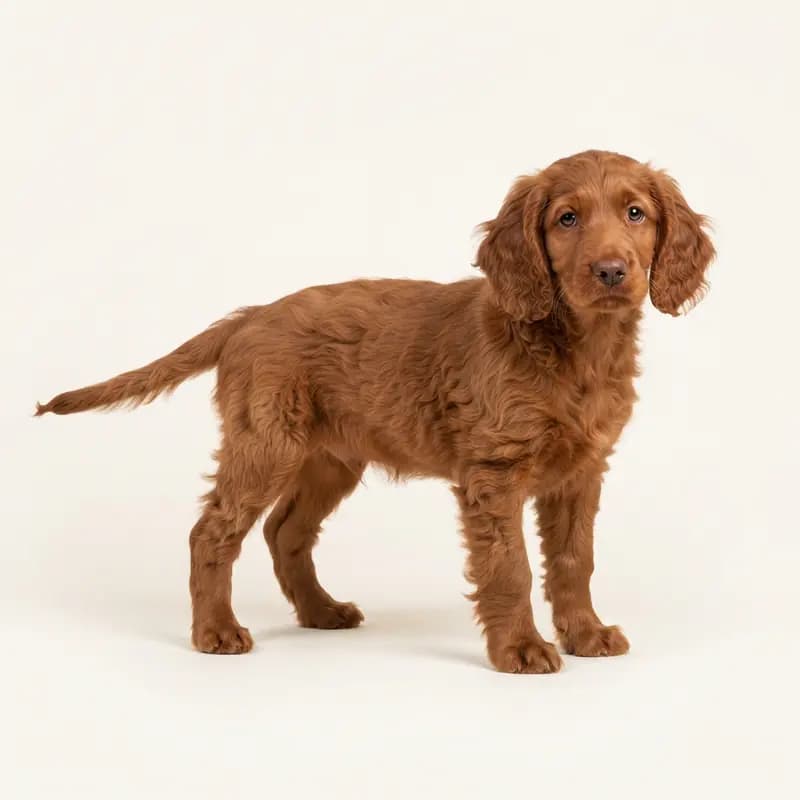
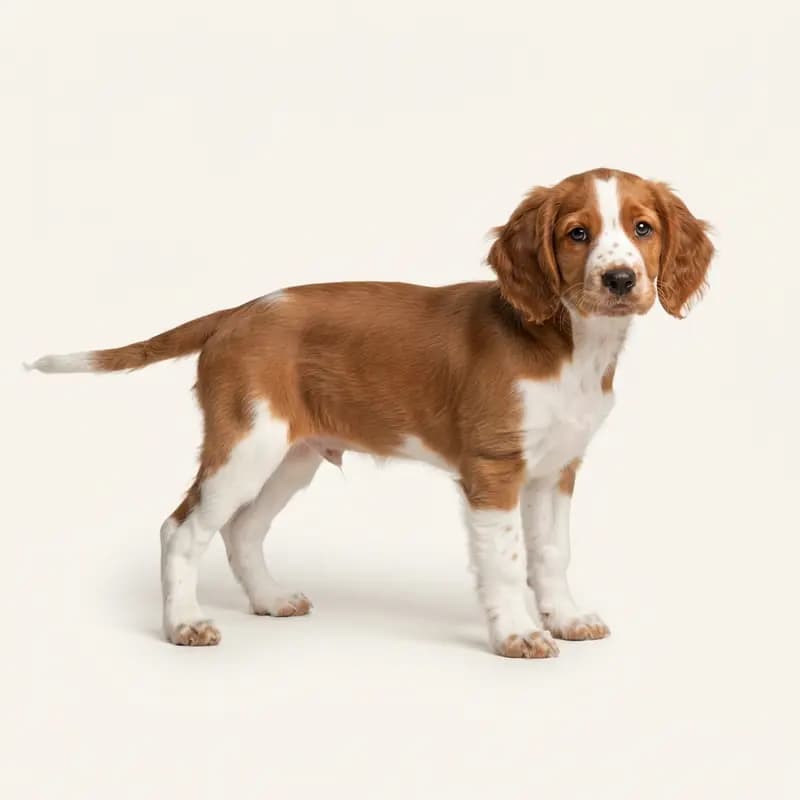
Eye colors
 Brown
Brown
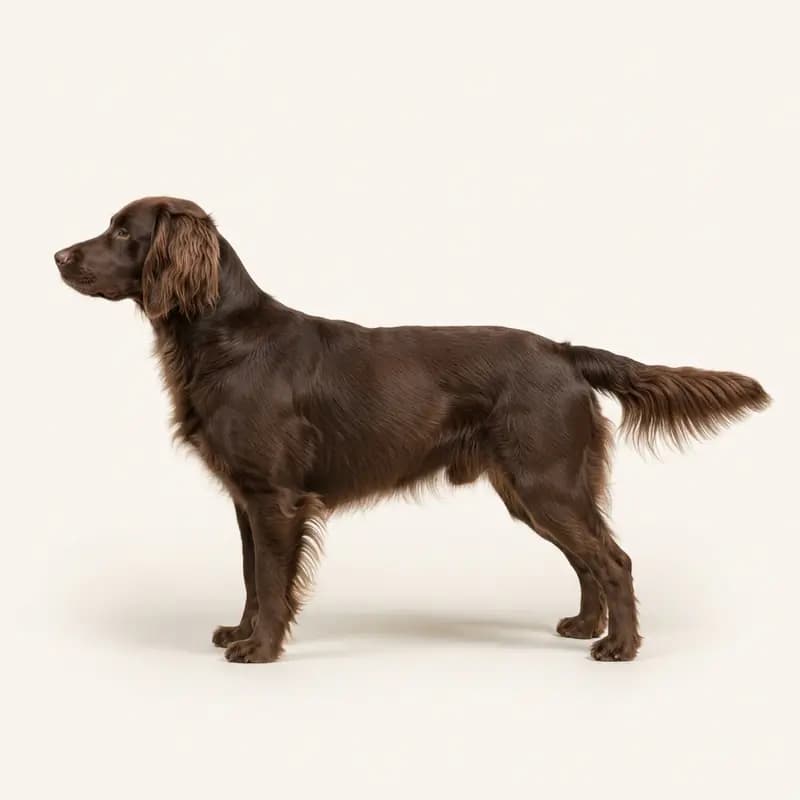
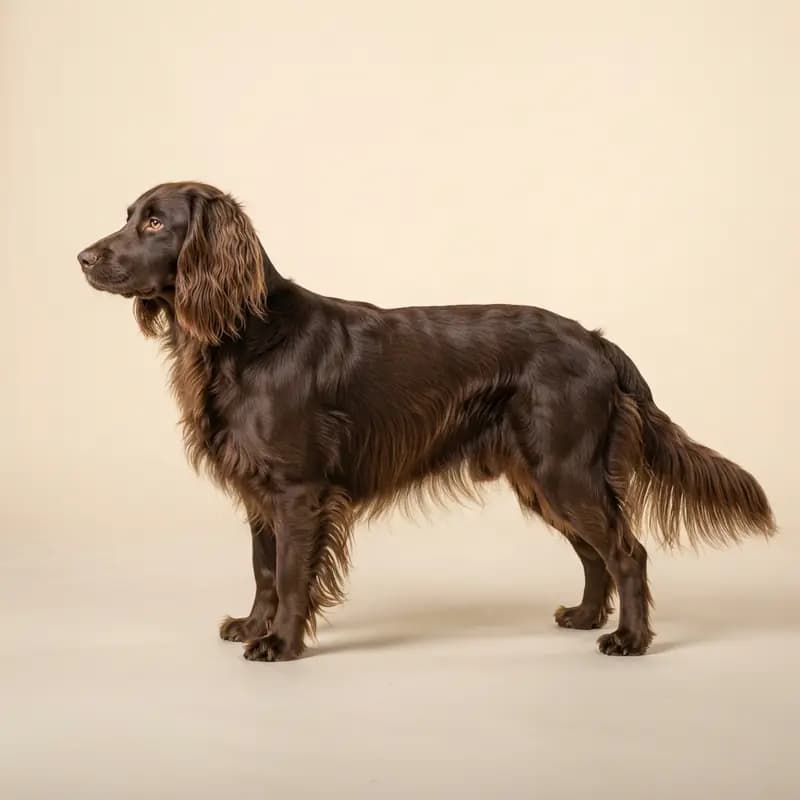
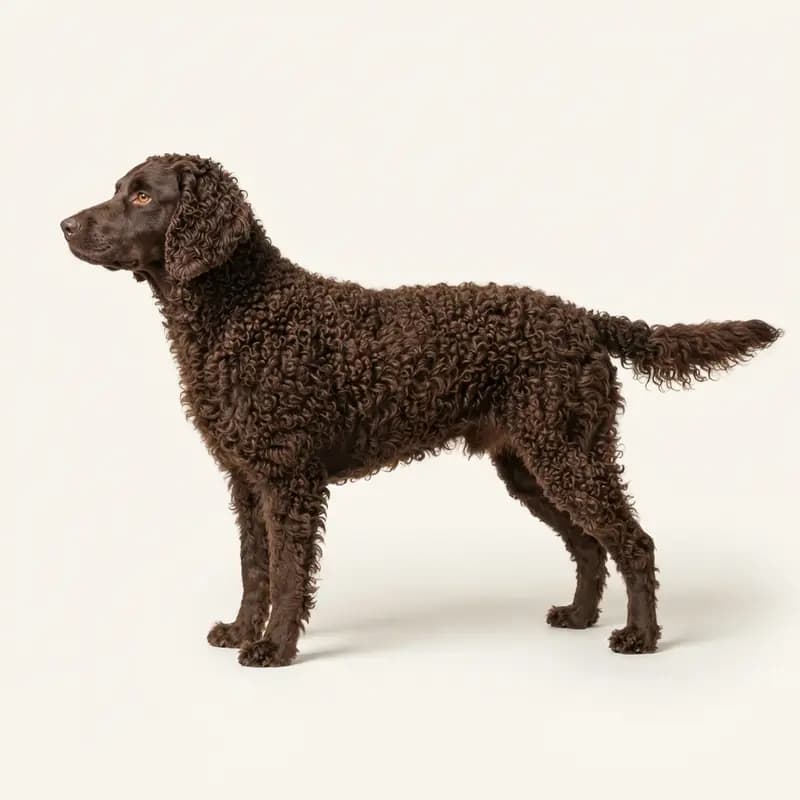
Coat type
 Illustrative image
Medium
 Illustrative image
Long
 Double coat
 Illustrative image
Curly
Is the German Spaniel right for you?
The Deutscher Wachtelhund is a robust, passionate working dog—a classic Stöberhund (flushing dog) bred almost exclusively by hunters for hunters to flush out game in dense forests and track with a loud bay.
Perfect for you if:
- You are an active hunter or forester looking for an untiring companion for flushing and blood tracking work in the woods.
- You live in a rural area, ideally with a large, securely fenced property right next to nature.
- You are a confident and consistent leader, as his high level of hunting independence requires clear rules from day one.
- You are looking for a dog that is a balanced, people-oriented family dog at home after a hard day's work in the hunting grounds.
Less ideal if:
- You are just looking for an athletic companion for jogging—he was bred to follow tracks, not to mindlessly trot along beside you.
- You live in a densely populated area or city where hunting by scent and constant wildlife smells will become a source of permanent stress for both of you.
- You expect him to stay on the path by himself during forest walks—his nose will instinctively pull him deep into the undergrowth.
The real vibes check
A Wachtelhund is not a hobby, but a professional partner. When he catches a fresh scent in the undergrowth, his brain switches into work mode—and at that moment, you are merely a bystander. If he gets this hunting outlet, you will have a deeply relaxed cuddler on the sofa in the evening; if you deny him his purpose, he will find his own territory.
Self-check
Would the German Spaniel really fit your life?
Answer 6 quick questions about your everyday life and see how well the German Spaniel fits you — including an honest cost estimate per month, per year, and across the dog's lifetime.
Fit checkCost estimateRisk dice
Takes about 1 minute · free & anonymous
Breed Profile
The German Wachtelhund is a medium-sized, powerfully built dog that is bursting with energy. Its medium-length, dense fur with ample undercoat, which can vary in shades of brown from chocolate to roan, offers it protection from harsh weather and thorny undergrowth. This fact, combined with its strong legs and well-developed chest, makes it a resilient and versatile working dog, able to work efficiently in both the field and the water. The German Wachtelhund belongs to FCI Group 8, the retrieving, searching and water dogs. This breed does not differentiate between performance and show lines, meaning that all German Wachtelhunds, regardless of whether they are kept for hunting or as pets, should share the same physical characteristics and temperament.
All measurements in detail
- Height
- 45 - 52 cm (Female), 48 - 54 cm (Male)
- Weight
- 18 - 25 kg (Female), 18 - 25 kg (Male)
- Life Expectancy
- 12 - 14 yrs
- Character
- Loyal, energetic, learnable
- Coat
- Dense, medium length, undercoat present
- Coat Color
- Brown, chocolate or roan (brown and white hair mixed)
- Price
- 1200 - 2500 €
Character & Temperament
The German Wachtelhund is a highly energetic and persistent dog who loves his work. His commitment, combined with his drive and perseverance, makes him one of us valuable companion for hunters. But he can also use his energy well in an active household, as long as there is enough exercise and mental activity. A German Wachtelhund is also a very people-oriented dog. He is loyal to his family and loves spending time with his people. He can learn to stay alone, but he prefers the company of his family and should not be left alone for long periods of time. Despite its energetic and active temperament, the German Quail Dog can also enjoy quiet moments if it has been sufficiently exercised. However, it is important to remember that this dog is primarily a working dog and therefore requires plenty of exercise and activity to be happy and balanced. Regarding its hunting behavior, the German Wachtelhund shows a pronounced prey-catching and hunting behavior. This should be taken into account when keeping them. It is advisable to raise and train the dog well to control its hunting instinct and teach it to reliably come back when called. The German Wachtelhund is also a vigilant dog that wants to protect its family and territory. He doesn't bark unnecessarily, but he will alert his family if he notices anything unusual. It is therefore important to teach him from the beginning when it is appropriate to bark and when it is not. In conclusion, the German Wachtelhund is a loyal, energetic and people-oriented dog that can be a wonderful companion in the right environment, with enough exercise and activity as well as consistent training.
| Trainability Picks up commands quickly and wants to please. | Eager to learn |
| Watchfulness Reports unusual activity but stays controlled. | Moderate |
| Openness to Strangers Warms up quickly and is generally welcoming. | Friendly |
| Hunting or Herding Drive This drive runs deep — no amount of training eliminates it. | Very strong |
Fun Fact!
Although the German Wachtelhund is a working dog, in its native Germany it is also affectionately known as the “Dachshund for the grown-ups”. because of his similar body proportions and his cheerful and affectionate character.
What Awaits You
The German Wachtelhund has tracking and blood-sniffing abilities comparable to those of the bloodhound and can track down wounded game that is 40 hours old. On a fresh game trail, he has to communicate his location to the hunters by vocalizing. The German Wachtelhund is a versatile breed that is virtually unknown to the German non-hunting public and is only kept in Germany by hunters, game wardens and professional hunters.
Housing & Care
The German Wachtelhund is an active and energetic dog that is best kept in a house with a garden where it has enough space to play and exercise. It is less suitable for keeping in a city apartment because it has a high need for exercise and requires a lot of activity. Despite its active and robust nature, the German Quail Dog gets along well with children. He is friendly and playful and can be a great companion for older children. However, he may be too boisterous for smaller children due to his size and energy. Regarding other pets, the German Quail Dog can get along well with other dogs, but its strong hunting instinct could be a problem when keeping smaller pets such as cats or rodents.
- Family Friendly
Loves family life and thrives in a group.
Family-oriented - Child Friendly
Takes boisterous and affectionate children in its stride.
Patient with children - Dog Friendly
Actively enjoys the company of other dogs.
Dog-friendly - City Friendly
Can manage in the city, but only with very active owners.
Difficult in cities
Owning a dog is a privilege, but it's also a real responsibility. Before you bring one into your life, be honest with yourself about the commitment it takes.
Training & Education
Raising and training a German Quail Dog can be challenging, but also very rewarding. They are intelligent, strong-willed dogs that require consistent and positive training. Because of their hunting instincts, it is particularly important to train retrieval and teach them to control their impulses. The German Wachtelhund is an energetic and hard-working dog that likes to be kept busy. Activities like retrieving, tracking or agility can be good ways to put your energy to good use. But it is also important to ensure a good balance between physical and mental workload and to avoid the dog being “over-busy”. becomes. Otherwise, this can lead to stress and behavioral problems.
Nutrition & Care
A balanced and nutrient-rich diet is essential for the health and well-being of your German Quail Dog. This breed can tolerate both dry and wet food well, as long as it is of high quality and contains all the nutrients it needs. When it comes to grooming, the German Quail Dog is relatively uncomplicated. It has a dense undercoat and a medium-length topcoat that should be brushed regularly to prevent matting and keep the coat clean. The German Wachtelhund sheds moderately, so regular grooming can help remove loose hair and reduce the amount of hair in your home. With its thick fur, the German Wachtelhund can cope well with the German climate, whether in winter or summer. However, in very high temperatures, care should be taken to ensure that the dog has enough shade and water available.
| Care Level Minimal effort — occasional brushing and bathing. | Low-maintenance |
| Exercise Needs Needs several hours of serious exercise every day. | Very active |
| Shedding Hair everywhere, always — no white clothing survives. | Very heavy |
| Trainability Picks up commands quickly and wants to please. | Eager to learn |
Our experts are still reviewing this information. Spotted something wrong? Email us at info@honestdog.de.
Health & hereditary diseases
Health
B
Solid
Health grade
The Deutscher Wachtelhund receives a grade of B. Hip dysplasia (HD) and elbow dysplasia (ED) are well-controlled in this robust hunting breed through mandatory health tests, but you should still actively ask the breeder about these results before purchasing a puppy. Additionally, epilepsy can occur in the breed, which is why buyers should specifically inquire about the health history of the parent dogs.
Grade is relative to other breeds — AI-assisted and editorially reviewed.
In daily life this can mean
You should regularly check and clean his heavy, floppy ears, ensure he is raised in a way that is gentle on his joints, and always keep a close eye on his eyes and behavior.
The breeder's role
Reputable breeders have the parents' hips, elbows, and eyes tested, pay attention to an anatomically healthy ear shape, and know their lines thoroughly to reduce the risks of neurological diseases.
Note: This health overview is AI-assisted and editorially reviewed. It is for orientation only and does not replace veterinary advice.
No Health Tests Available
No specific health tests are currently available for this breed.
Costs & where to find one
How much does a German Spaniel cost?
A German Spaniel costs around ~€180 per month (€90 – €330, depending on your setup). The first year adds up to roughly ~€4,800 including purchase, equipment and puppy school; across the dog's life (13 years) it comes to about ~€30,180.
With surgery cover, running costs come to about ~€170 per month — in return, your share of a major operation drops from several thousand euros to around 20 percent.
Per month
~€180
In the first year
~€4,800
Across the dog's life
~€30,180
Purchase from a breeder: €1,200 – €2,500
Estimate at a mid-range setup (suburban, dry food, 1–2 hours of daily exercise), average German prices, as of July 2026.
Calculate your personal costs1-minute self-check with your own answers
Looking for a German Spaniel?
HonestDog Concierge
No verified German Spaniel breeders on HonestDog yet
We currently have no breeders for this breed who have passed our verification. Create your short buyer profile: we'll set up your search alert, review a possible source and email you within 28 days.
Appearance, variants & origin
History
The full history
The German Wachtelhund is an old German hunting dog breed whose origins date back to the Middle Ages. It owes its name to its original task of tracking down game (especially quail) and making it visible to the hunter. In the 19th century, German forester and hunting author Oskar von Riesenthal took up the breeding of the German Wachtelhund in order to create a versatile and hardy hunting dog capable of working in a wide variety of conditions. He crossed different scavenging dogs and created a dog that could locate and track game as well as retrieve it. The German Wachtelhund has been looked after by the German Wachtelhund Club since 1903, and it has been officially recognized as a separate breed since 1910. Today it is particularly popular in Germany as a hunting dog, but is also increasingly being kept as a family dog.
Original Use
The German Wachtelhund was developed as a versatile hunting dog for searching and retrieving.
Origin
Germany
Date
1903
Owner experiences
What owners say about the German Spaniel
Thomas B., Jäger aus dem Harz (Rüde, seit 2021)
Ich führe einen roten Wachtelrüden, und ich kann die alten Jägerweisheiten nur bestätigen: Die roten Vertreter dieser Rasse haben oft eine ganz besondere Schärfe. Mein Rüde kennt an Sauen und Raubwild absolut keine Gnade und zeigt bei der Nachsuche einen unbändigen Finderwillen. Er arbeitet extrem hart und kompromisslos, was ihn im Jagdbetrieb unersetzlich macht.
Allerdings ist die Erziehung dieses Hundes eine tägliche Herausforderung und echte Kraftanstrengung. Er hat einen extremen Dickkopf – ein echter 'Granitschädel', bei dem man konsequent am Ball bleiben muss. Wer hier in der Ausbildung auch nur einmal nachgibt, hat schnell einen Hund, der im Wald seine eigenen Entscheidungen trifft.
Friederike S., Jägerin aus dem Schwarzwald (Hündin, 11 Jahre)
Meine braune Wachtelhündin ist mittlerweile 11 Jahre alt und leidet leider etwas unter Arthrose, was sie aber nicht davon abhält, alle paar Monate immer noch voller Passion zu jagen. Zuhause war sie schon immer ein Traumhund – absolut angenehm im Wesen, anhänglich und völlig problemlos im Umgang mit Kindern.
Jagdlich ist sie allerdings eine Spezialistin: Ein reiner Waldhund, der sich fast nur für Hochwild und Rehe interessiert. Kleinere Aufgaben wie Kaninchenschleppen fand sie schon bei den Prüfungen sterbenslangweilig und hat prompt gestreikt. Man muss auch damit leben können, dass diese Hunde sehr selbstständig jagen. Es kam mehr als einmal vor, dass sie einer Fährte hinterherging und erst nach 45 Minuten oder gar zwei Stunden wieder zurückkam.
Stefan F., Forstwirt aus Hessen (Hündin, seit 2018)
Vor der Anschaffung meiner Wachtelhündin haben mich viele Jägerkollegen gewarnt. Sprüche wie 'Die hören nicht, die jagen nur' oder der klassische Witz 'Wo ist dein Wachtel? Entweder noch im Wald oder schon zu Hause' gehören einfach zum Ruf dieser Rasse, weil sie extrem selbstständig und weiträumig stöbern. Man braucht wirklich eine sehr starke Bindung und viel Geduld, um den Gehorsam reinzubekommen.
Was man im Alltag auch nicht unterschätzen darf, ist ihre extreme Wasserfreude. Meine Hündin hat den unbändigen Zwang, sich wirklich in jeden noch so dreckigen Tümpel oder jede Schlammpfütze zu werfen. Wer einen sauberen Hund sucht, ist hier definitiv falsch. Aber ihre unbändige Passion und Arbeitsfreude entschädigen für jeden Schmutz.
Paraphrased from real owner reports
Loading owner stories
Community Posts
FAQ & more
Frequently asked questions about the German Spaniel
Is a German Spaniel the right dog for me?
The German Spaniel is an active dog that needs plenty of exercise and mental stimulation. Research the temperament, grooming needs, and space requirements before deciding.
How long does a German Spaniel live?
The average life expectancy of a German Spaniel is 12-14 years. With proper care and regular vet visits, your dog can live a long, healthy life.
How much grooming does a German Spaniel need?
German Spaniel grooming requirements include regular brushing, nail trimming, and dental care. HonestDog provides detailed grooming tips for every breed.
Is a German Spaniel good for families with children?
The German Spaniel can be a great family dog. Proper training and socialization are key. HonestDog provides family suitability information for every breed.
What colors does the German Spaniel come in?
The German Spaniel comes in these colors: Brown, Roan, Brown and tan, Brown and white, Tricolor, Red, Red and white.
Loading related articles
Are you a German Spaniel breeder?
Showcase your kennel on HonestDog and reach families searching for a responsibly bred German Spaniel.
Why HonestDog?
What makes HonestDog different from other platforms
Full transparency
We lay out what we have: who the breeder is, how they work, and any health records they've uploaded. So you can judge for yourself.
Responsible breeding, assured
Every breeder on HonestDog has their identity and documents checked before their profile goes live. Health records they upload are shown on the profile, so you can see exactly what has been tested.
Trust and verification
We verify breeders and buyers alike, so every conversation happens on solid ground. It's a new standard of trust in dog breeding.
Less hassle, more time
We've already checked the breeders' documents and gathered the details, so you can skip the endless research and focus on finding the right puppy for your family.
Our Mission

We connect dog lovers with responsible breeders and shelters to ensure every dog finds the perfect home.
Founded by dog enthusiasts, our platform focuses on ethical dog breeding and adoption.
Why HonestDog?
We connect you with vetted breeders and shelters so you can find your — your new companion — with confidence.
Vetted Partners
Only verified breeders and shelters — for a safe start.
Highest Standards
Every animal's health and wellbeing is our top priority.
Guides & Resources
Guides, checklists, and breed profiles — so you can make a well-informed decision.