Loading breed
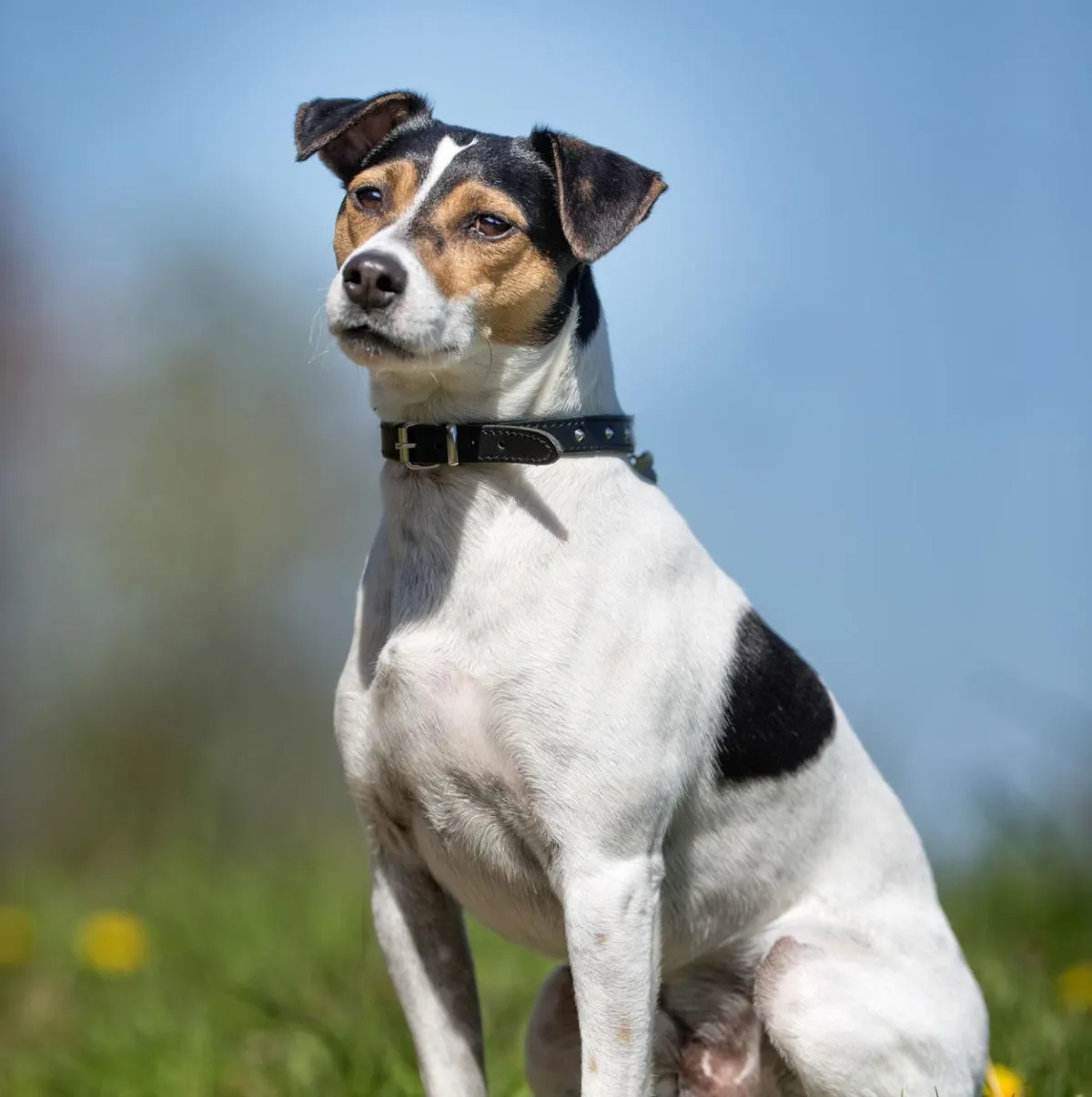
Danish-Swedish Farmdog
Health grade AThe Danish-Swedish Farmdog looks like a terrier, but at heart, it is a softer pinscher—an agile farm dog and ratter, bred to keep farms free of mice, announce visitors with a loud bark, and live closely with its family.
- Height32–37 cm
- Weight6–8 kg
- Life expectancy12–15 yrs
- Puppy price1,500–2,500 €
- Energy4/5
The Essentials at a Glance
The Danish-Swedish Farmdog looks like a terrier, but at heart, it is a softer pinscher—an agile farm dog and ratter, bred to keep farms free of mice, announce visitors with a loud bark, and live closely with its family.
- Health grade A: The Danish-Swedish Farmdog is considered an exceptionally robust and vital breed with a very low genetic burden.
- You enjoy fast-paced dog sports like agility or scent work—this dog needs a real job to keep its mind occupied.
- You are looking for a vigilant companion who will reliably announce every visitor without being aggressively defensive.
- You live in an apartment with thin walls—loudly announcing noises is deeply anchored in its farm dog genetics.
Is the Danish-Swedish Farmdog right for you?
At a glance
Danish-Swedish Farmdog overview
The essentials — key facts, traits, and health priorities — before you dive deeper.
Health grade
Relative to other breeds
S
A
B
C
D
E
Very healthyHigher risk
Very healthy — limited common concerns.
See full health info & tests →
Note: This health overview is AI-assisted and editorially reviewed. It is for orientation only and does not replace veterinary advice.
Lifespan
12–15 yrs
Height
32–37 cm
Weight
6–8 kg
Practical
- Puppy price: 1,500 – 2,500 €
- Coat: Short, smooth, without undercoat
- Origin: Denmark/Sweden
Temperament
Energy
Trainability
Family fit
With kids
Daily life
Care effort
Shedding
Barking
City-friendly
Guard instinct
What matters most
Especially with a Danish-Swedish Farmdog, choosing the right breeder is the single most important decision you'll make. Serious breeders consistently test the parents for inherited conditions, prioritize healthy early socialization, and stay accountable long after handover. A cheap puppy without health screening tends to become the most expensive dog later on.
See HonestDog breeder standards →Colors & coat
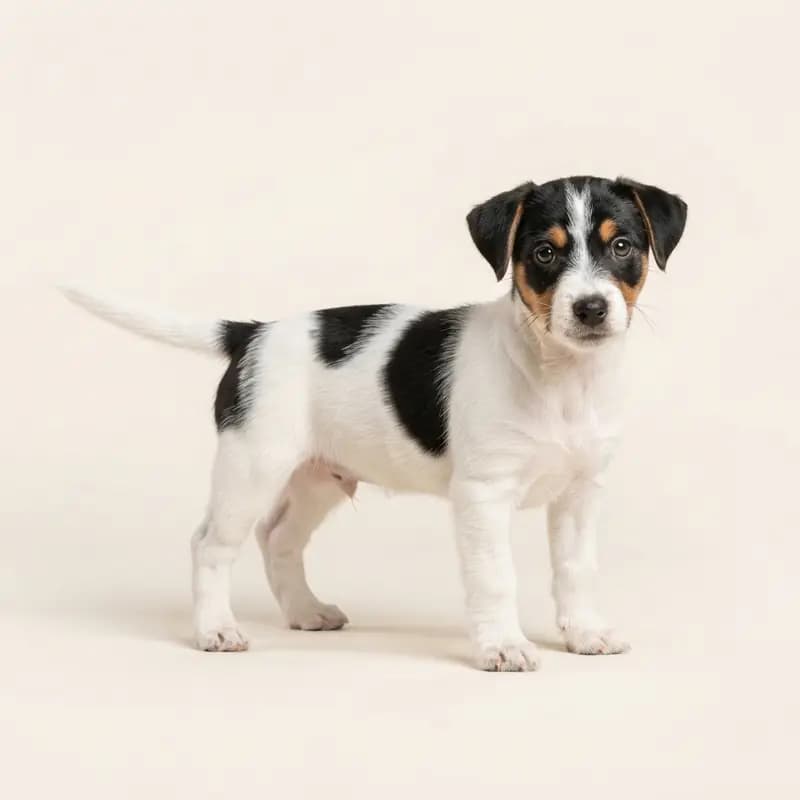
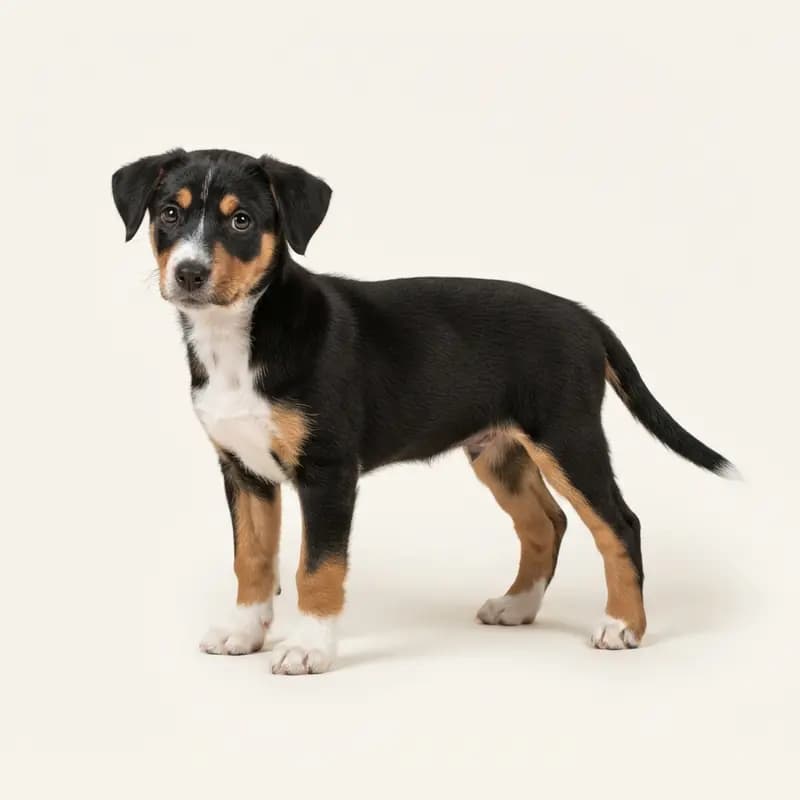
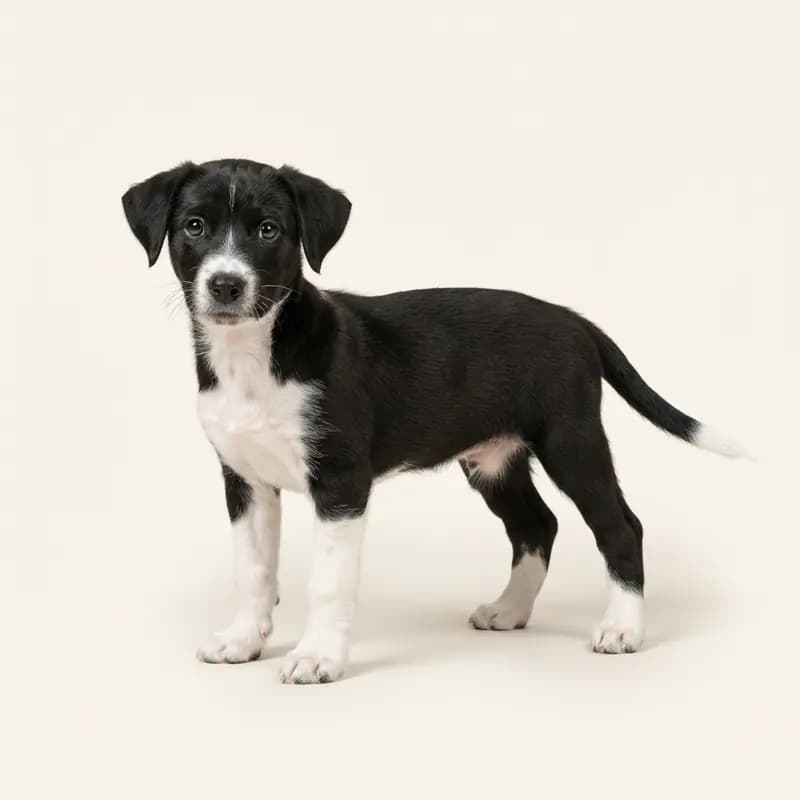
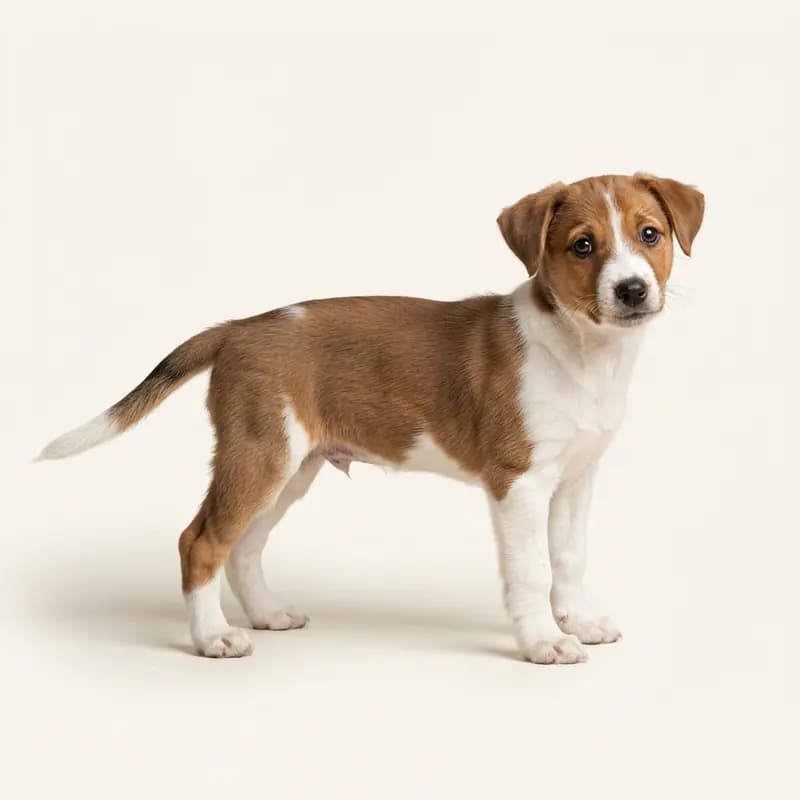
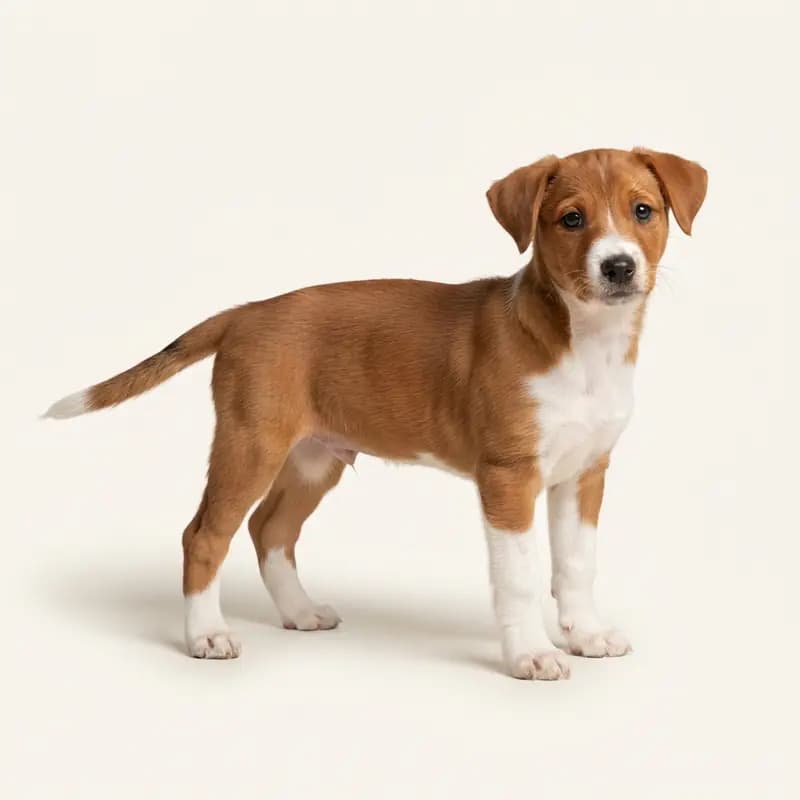
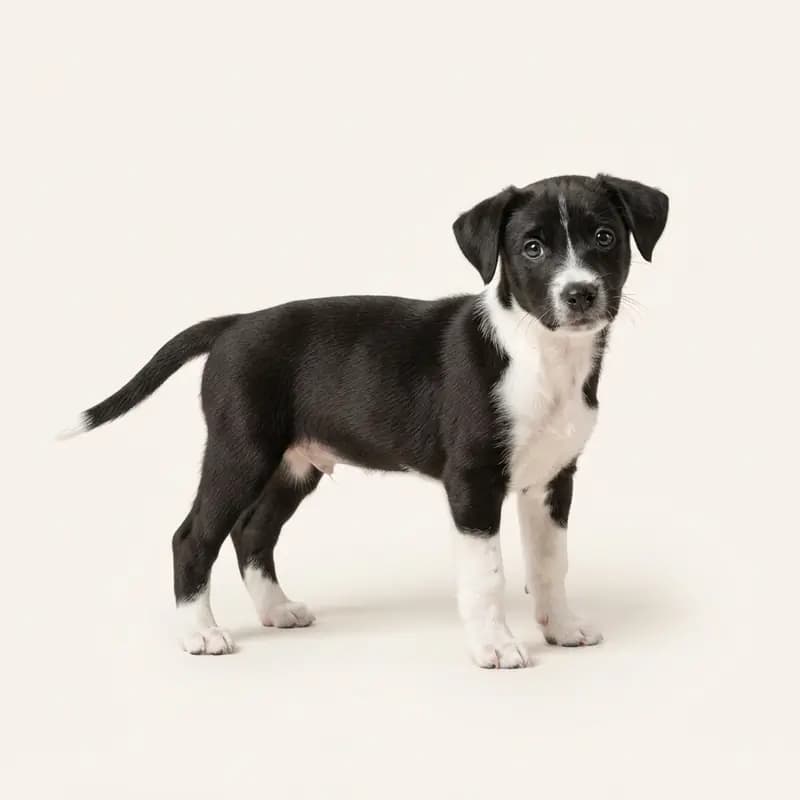
What colors does the Danish-Swedish Farmdog come in?
The coat colors you will see in Danish-Swedish Farmdog litters — including which ones fall outside the breed standard and which carry genetic risk.
Eye colors
 Brown
Brown Amber
Amber
Coat type
 Short
Short Smooth
Is the Danish-Swedish Farmdog right for you?
The Danish-Swedish Farmdog looks like a terrier, but at heart, it is a softer pinscher—an agile farm dog and ratter, bred to keep farms free of mice, announce visitors with a loud bark, and live closely with its family.
Perfect for you if:
- You enjoy fast-paced dog sports like agility or scent work—this dog needs a real job to keep its mind occupied.
- You are looking for a vigilant companion who will reliably announce every visitor without being aggressively defensive.
- You appreciate a cooperative dog that is less stubborn than a classic terrier but brings just as much energy to the table.
- You can guarantee daily exercise in nature to keep its lightning-fast muscles well-conditioned.
Less ideal if:
- You live in an apartment with thin walls—loudly announcing noises is deeply anchored in its farm dog genetics.
- You keep small pets like guinea pigs free-roaming in your home—it is a specialized ratter and makes no compromises when it comes to rodents.
- You are looking for a quiet 'go-with-the-flow' dog that is satisfied with three short walks on a leash.
- You have to leave it alone for long periods during the work week, as it was bred to live in constant companionship with its farmers.
The real vibes check
The Danish-Swedish Farmdog has a built-in switch: outside, it is a lightning-fast, highly focused hunter that scans every corner for mice—inside, it turns into an affectionate hot water bottle under your blanket. You aren't getting a loner-type terrier, but a sensitive, eager-to-work all-rounder that wants to be right by your side every single second.
Self-check
Would the Danish-Swedish Farmdog really fit your life?
Answer 6 quick questions about your everyday life and see how well the Danish-Swedish Farmdog fits you — including an honest cost estimate per month, per year, and across the dog's lifetime.
Fit checkCost estimateRisk dice
Takes about 1 minute · free & anonymous
Breed Profile
The Danish-Swedish Farmdog is a small to medium-sized dog breed that is characterized by its athletic appearance and adaptability. He belongs to FCI Group 2, Section 1.1, Pinscher and Schnauzer, and is currently not differentiated into performance and show lines. This dog is characterized by its well-proportioned physique. He has strong muscles and is still slim, which underlines his agility and mobility. The head is relatively small with a straight nose and dark, expressive eyes. The ears are medium-sized and are carried either erect or semi-erect. Its short tail can be natural or docked, the latter being illegal in many countries, including Germany. The Danish-Swedish Farmdog has a short, smooth coat without an undercoat, which makes it rather unsuitable for very cold temperatures. Coat color varies and may include white with black, brown or yellow markings.
All measurements in detail
- Height
- 32 - 35 cm (Female), 34 - 37 cm (Male)
- Weight
- 6 - 8 kg (Female), 6 - 8 kg (Male)
- Life Expectancy
- 12 - 15 yrs
- Character
- Energetic, friendly, adaptable
- Coat
- Short, smooth, without undercoat
- Coat Color
- Diverse, including white with black, brown or yellow markings
- Price
- 1500 - 2500 €
Character & Temperament
The Danish-Swedish Farmdog is an extremely friendly and outgoing dog. He is known for his adaptable and balanced temperament. This breed is full of energy and very active, making it an ideal companion for active people or families. They love to keep busy and they have the stamina to play or work for hours. Despite their high energy, these dogs are also able to relax and enjoy quiet moments with their family. They are very people-oriented and build strong bonds with their owners. They are also very playful and enjoy different types of games and activities. Another notable aspect of this breed is its intelligence and ability to learn. They learn quickly and respond well to positive reinforcement. This makes them an ideal dog for various types of activities including dog sports, agility, herding or simply as a companion dog. They are also good at staying alone as long as they receive adequate mental and physical stimulation. Although they were originally bred for farm work, Danish-Swedish Farmdogs generally do not show any strong hunting behavior. However, they can be vigilant and are willing to protect their family and territory if they feel it is necessary. This makes them effective guard dogs, although their size means they are not necessarily suitable as protection dogs. Overall, the Danish-Swedish Farmdog is a versatile and adaptable dog that can fit into a variety of environments and lifestyles. His friendly and even-tempered temperament, coupled with his intelligence and energy, make him an ideal companion for many different types of people and families.
| Trainability Picks up commands quickly and wants to please. | Eager to learn |
| Watchfulness Reports unusual activity but stays controlled. | Moderate |
| Openness to Strangers Warms up quickly and is generally welcoming. | Friendly |
| Hunting or Herding Drive Mild interest in movement and small animals — easily managed. | Low |
Fun Fact!
Did you know that the Danish-Swedish Farmdog is also known as the “Danish Pinscher”? is known? However, this name is misleading because this breed has no relation to the Pinscher breeds. The name comes from the time when all small dogs in Denmark were called "Pinschers". were designated.
What Awaits You
The Danish-Swedish Farmdog is a lively and intelligent companion that was originally bred as a farm dog. These dogs are friendly, eager to learn, and very adaptable. They are well suited as family dogs and, due to their agility and endurance, are also suitable for various dog sports. The Danish-Swedish Farmdog needs meaningful activity and loves to be active.
Housing & Care
The Danish-Swedish Farmdog is a very adaptable dog that gets along well in both the city and the country. They are a very family-oriented breed and tend to get along well with children. Their friendly and outgoing nature also makes them compatible with other pets, including cats. However, any interaction between dogs and small children or other pets should always be monitored to ensure it is safe and positive.
- Family Friendly
Lives for its family — the born family companion.
Ideal family dog - Child Friendly
Takes boisterous and affectionate children in its stride.
Patient with children - Dog Friendly
Actively enjoys the company of other dogs.
Dog-friendly - City Friendly
City-appropriate with enough exercise and stimulation.
Manageable in cities
Owning a dog is a privilege, but it's also a real responsibility. Before you bring one into your life, be honest with yourself about the commitment it takes.
Training & Education
The Danish-Swedish Farmdog is an intelligent and eager learner, which makes training a joy. They respond well to positive reinforcement and benefit from a consistent and patient approach to training. Due to their working history and active temperament, they could excel in various dog sports such as agility, flyball or herding dog sports. It is important to ensure that the dog is not "over-busy" as this can lead to stress and anxiety. A good balance of activity and rest time is crucial for this breed. There is a risk that the Danish-Swedish Farmdog will become a ball junkie, so it is important to ensure that the game and activity are varied and that the dog learns to relax even without constant stimulation. It is also important for this breed that the dog learns frustration tolerance and impulse control. Training in these areas can help the dog better deal with situations where he doesn't get what he wants right away.
Nutrition & Care
In terms of nutrition, the Danish-Swedish Farmdog needs a balanced diet rich in proteins, carbohydrates, vitamins and minerals. Due to their high energy and activity levels, they should be fed a diet that supports their needs. The exact amount of food a Danish-Swedish Farmdog needs depends on its age, size and activity level, and it is always advisable to seek the advice of a veterinarian to ensure the dog is receiving optimal nutrition. When it comes to care, the Danish-Swedish Farmdog is an easy breed to care for. He has a short, smooth coat with no undercoat that requires minimal grooming. Regular brushing can help keep coat healthy and shiny and reduce dandruff. Although they are not suitable for extreme cold, they can handle the climate in Germany well. They don't tend to shed a lot, but as with any dog, increased shedding can occur during shedding periods.
| Care Level Minimal effort — occasional brushing and bathing. | Low-maintenance |
| Exercise Needs Needs several hours of serious exercise every day. | Very active |
| Shedding Regular shedding — dog hair on clothes is now normal. | Moderate |
| Trainability Picks up commands quickly and wants to please. | Eager to learn |
Our experts are still reviewing this information. Spotted something wrong? Email us at info@honestdog.de.
Health & hereditary diseases
Health
A
Robust
Health grade
The Danish-Swedish Farmdog is considered an exceptionally robust and vital breed with a very low genetic burden. Nevertheless, buyers should be mindful of hip dysplasia (HD) and patellar luxation, which can occur sporadically despite the breed's general hardiness. Furthermore, the eye condition primary lens luxation (PLL) should be ruled out through appropriate genetic testing of the parent animals.
Grade is relative to other breeds — AI-assisted and editorially reviewed.
In daily life this can mean
You should ensure joint-friendly rearing, a healthy weight, and regular eye check-ups so that your dog stays active for a long time.
The breeder's role
Reputable breeders carefully have the knees, hips, and eyes of the parent animals tested to reduce health risks in the lineage.
Note: This health overview is AI-assisted and editorially reviewed. It is for orientation only and does not replace veterinary advice.
No Health Tests Available
No specific health tests are currently available for this breed.
Costs & where to find one
How much does a Danish-Swedish Farmdog cost?
A Danish-Swedish Farmdog costs around ~€150 per month (€80 – €280, depending on your setup). The first year adds up to roughly ~€4,680 including purchase, equipment and puppy school; across the dog's life (13.5 years) it comes to about ~€27,780.
With surgery cover, running costs come to about ~€140 per month — in return, your share of a major operation drops from several thousand euros to around 20 percent.
Per month
~€150
In the first year
~€4,680
Across the dog's life
~€27,780
Purchase from a breeder: €1,500 – €2,500
Estimate at a mid-range setup (suburban, dry food, 1–2 hours of daily exercise), average German prices, as of July 2026.
Calculate your personal costs1-minute self-check with your own answers
Looking for a Danish-Swedish Farmdog?
Appearance, variants & origin
History
The full history
The roots of the Danish-Swedish Farmdog lie, as the name suggests, in Denmark and Sweden. This breed of dog has a long history as a working dog on farms in Scandinavia. They were used there for a variety of tasks, including herding and guarding livestock, catching rodents, and guarding the farm. The breed has its origins in the general farm dogs that were widespread throughout Europe. These dogs were not specific breeds, but rather a species characterized by their working skills and adaptability to different conditions and tasks. The Danish-Swedish Farmdog as we know it today only began to emerge in the 1980s. Previously, these dogs were classified according to their geographical origin rather than their breed. It was a group of enthusiasts in Denmark and Sweden who began collecting and standardizing the distinctive features of these dogs. The FCI recognized the Danish-Swedish Farmdog as an independent breed in 2008. Since then, this breed has gained popularity worldwide due to its versatility, friendly temperament, and adaptability.
Original Use
The Danish-Swedish Farm Dog was used as a versatile farm dog for hunting small animals and as a guard dog and is known for its friendly nature.
Origin
Denmark/Sweden
Date
1700
Owner experiences
What owners say about the Danish-Swedish Farmdog
Sabine K., Halterin aus Bayern (Welpe Toni, seit 2011)
Unser kleiner Toni ist als Welpe bei uns eingezogen und hat sich vom ersten Tag an super eingelebt. Die lange Autofahrt vom Züchter hat er ohne Winseln gemeistert und auch die ersten Nächte direkt durchgeschlafen, ohne dass wir Trennungsschmerz bemerkt hätten. Er ist extrem menschenbezogen und sucht von Anfang an unsere Nähe.
Die Stubenreinheit war allerdings anfangs eine kleine Geduldsprobe. Obwohl wir regelmäßig mit ihm in den Garten gehen und er sich dort auch meldet, hat er eine Zeit lang nachts klammheimlich eine feste Stelle im Esszimmer für sein Geschäft genutzt. Da zeigt sich dann doch der kleine, clevere Bauernhund, der sich seine eigenen Regeln sucht, wenn man nicht genau aufpasst. Man muss von Tag eins an konsequent, aber liebevoll am Ball bleiben.
Manuela S., Halterin aus Hessen (Rüde, seit 2022)
Ich habe meinen Dansky-Rüden jetzt seit einigen Monaten und bin immer wieder erstaunt, wie schnell sich diese Rasse entwickelt. Überall liest man, dass der Dänisch-Schwedische Hofhund ein Spätentwickler sei. Mein Kleiner hat allerdings schon mit dreieinhalb Monaten angefangen, beim Urinieren an Hecken das Beinchen zu heben – da habe ich erst mal nicht schlecht gestaunt!
Im Alltag merkt man einfach, dass sie unheimlich aufgeweckt und aktiv sind. In der Welpenschule oder beim Spielen zeigt sich die typische, quirlige Energie. Manchmal hüpfen sie wild herum, womit andere Welpenrassen im Kurs erst mal gar nichts anfangen können. Man braucht definitiv Humor und muss diese aktive, fröhliche Art einfach mögen.
Paraphrased from real owner reports
Loading owner stories
FAQ & more
Frequently asked questions about the Danish-Swedish Farmdog
Is a Danish-Swedish Farmdog the right dog for me?
The Danish-Swedish Farmdog is an active dog that needs plenty of exercise and mental stimulation. Research the temperament, grooming needs, and space requirements before deciding.
How long does a Danish-Swedish Farmdog live?
The average life expectancy of a Danish-Swedish Farmdog is 12-15 years. With proper care and regular vet visits, your dog can live a long, healthy life.
How much grooming does a Danish-Swedish Farmdog need?
Danish-Swedish Farmdog grooming requirements include regular brushing, nail trimming, and dental care. HonestDog provides detailed grooming tips for every breed.
Is a Danish-Swedish Farmdog good for families with children?
The Danish-Swedish Farmdog can be a great family dog. Proper training and socialization are key. HonestDog provides family suitability information for every breed.
What colors does the Danish-Swedish Farmdog come in?
The Danish-Swedish Farmdog comes in these colors: Piebald, Tricolor, Black and white, Brown and white, Red and white, Bicolor.
Loading related articles
Are you a Danish-Swedish Farmdog breeder?
Showcase your kennel on HonestDog and reach families searching for a responsibly bred Danish-Swedish Farmdog.
Why HonestDog?
What makes HonestDog different from other platforms
Full transparency
We lay out what we have: who the breeder is, how they work, and any health records they've uploaded. So you can judge for yourself.
Responsible breeding, assured
Every breeder on HonestDog has their identity and documents checked before their profile goes live. Health records they upload are shown on the profile, so you can see exactly what has been tested.
Trust and verification
We verify breeders and buyers alike, so every conversation happens on solid ground. It's a new standard of trust in dog breeding.
Less hassle, more time
We've already checked the breeders' documents and gathered the details, so you can skip the endless research and focus on finding the right puppy for your family.
Our Mission

We connect dog lovers with responsible breeders and shelters to ensure every dog finds the perfect home.
Founded by dog enthusiasts, our platform focuses on ethical dog breeding and adoption.
Why HonestDog?
We connect you with vetted breeders and shelters so you can find your — your new companion — with confidence.
Vetted Partners
Only verified breeders and shelters — for a safe start.
Highest Standards
Every animal's health and wellbeing is our top priority.
Guides & Resources
Guides, checklists, and breed profiles — so you can make a well-informed decision.