Loading breed
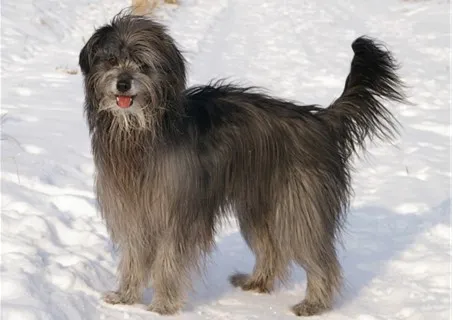
Pyrenean Shepherd (Smooth-faced)
Health grade AThe Berger des Pyrénées (Kurzhaar) is a lightning-fast, highly reactive Hütehund (herding dog) — bred to tirelessly guide sheep flocks in the rugged mountains and report every change immediately. He combines maximum energy with a deep skepticism toward anything foreign.
- Height40–48 cm
- Weight8–15 kg
- Life expectancy12–15 yrs
- Puppy price1,500–2,500 €
- Energy5/5
The Essentials at a Glance
The Berger des Pyrénées (Kurzhaar) is a lightning-fast, highly reactive Hütehund (herding dog) — bred to tirelessly guide sheep flocks in the rugged mountains and report every change immediately. He combines maximum energy with a deep skepticism toward anything foreign.
- Health grade A: The Berger des Pyrénées (Kurzhaar) is a robust working breed with a very low number of known hereditary diseases.
- You enjoy demanding dog sports or intensive mental stimulation — simple walks will never tire out this workaholic.
- You live in a more rural area and appreciate a vigilant companion who keeps a close eye on his territory.
- You live in a noisy apartment building — this dog was bred to loudly report any anomaly in the mountains.
Is the Pyrenean Shepherd (Smooth-faced) right for you?
At a glance
Pyrenean Shepherd (Smooth-faced) overview
The essentials — key facts, traits, and health priorities — before you dive deeper.
Health grade
Relative to other breeds
S
A
B
C
D
E
Very healthyHigher risk
Very healthy — limited common concerns.
See full health info & tests →
Note: This health overview is AI-assisted and editorially reviewed. It is for orientation only and does not replace veterinary advice.
Lifespan
12–15 yrs
Height
40–48 cm
Weight
8–15 kg
Practical
- Puppy price: 1,500 – 2,500 €
- Coat: Short, dense, without undercoat
- Origin: France
Temperament
Energy
Trainability
Family fit
With kids
Daily life
Care effort
Shedding
Barking
City-friendly
Guard instinct
What matters most
Especially with a Pyrenean Shepherd (Smooth-faced), choosing the right breeder is the single most important decision you'll make. Serious breeders consistently test the parents for inherited conditions, prioritize healthy early socialization, and stay accountable long after handover. A cheap puppy without health screening tends to become the most expensive dog later on.
See HonestDog breeder standards →Colors & coat
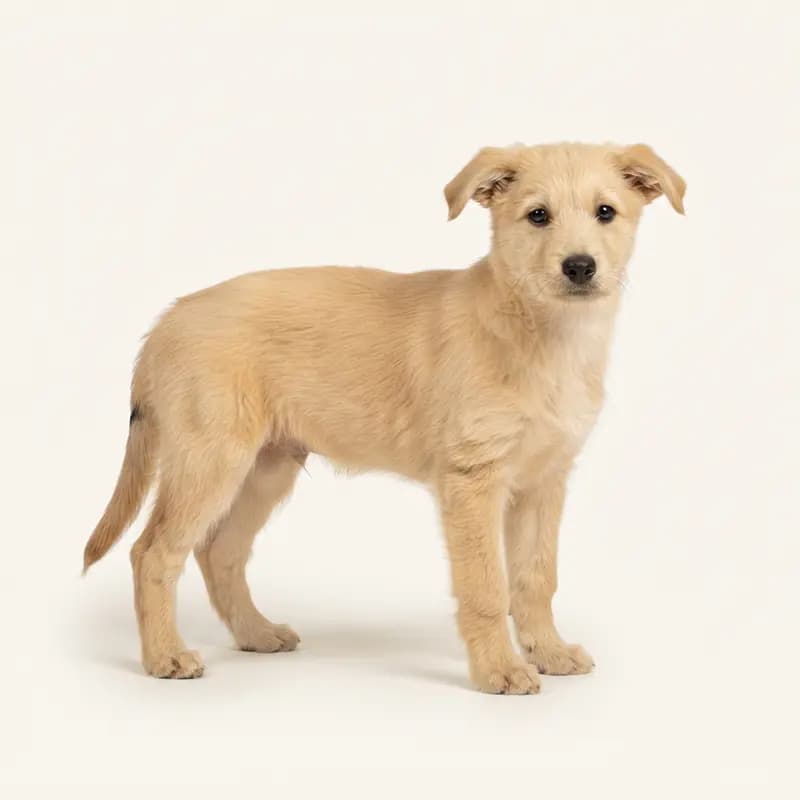
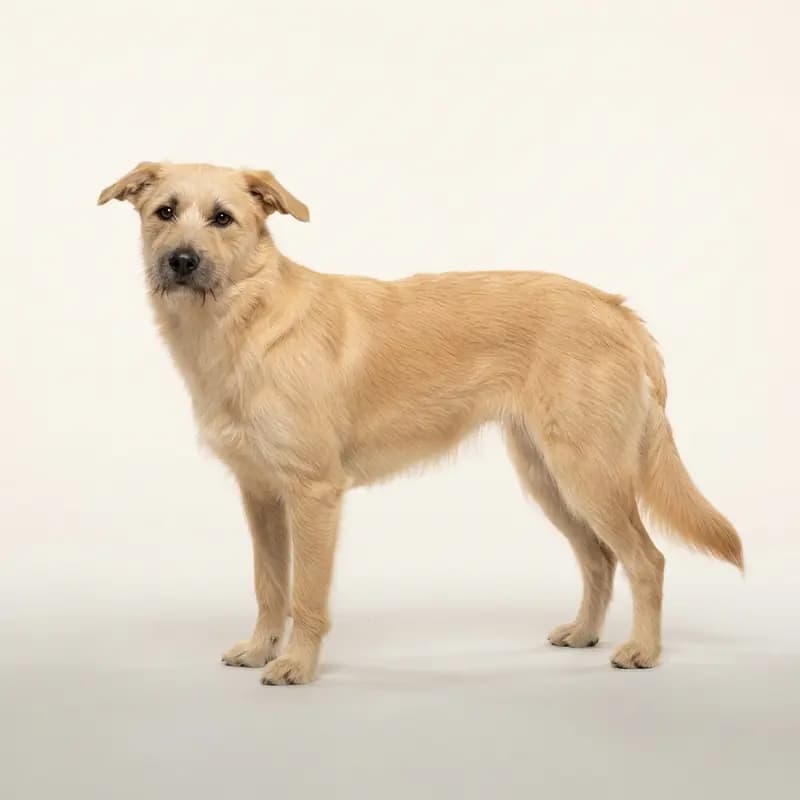
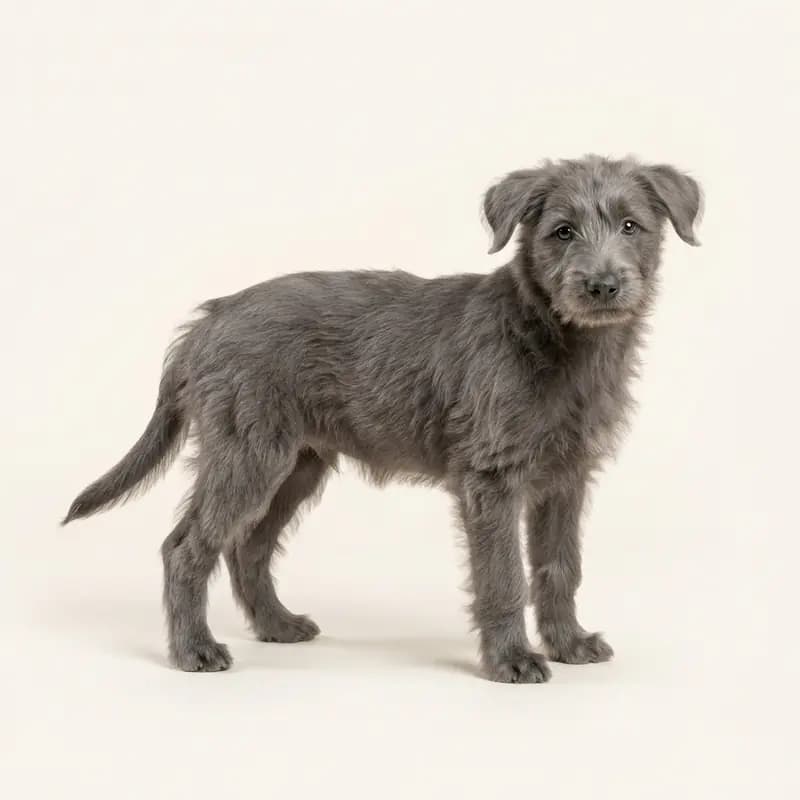
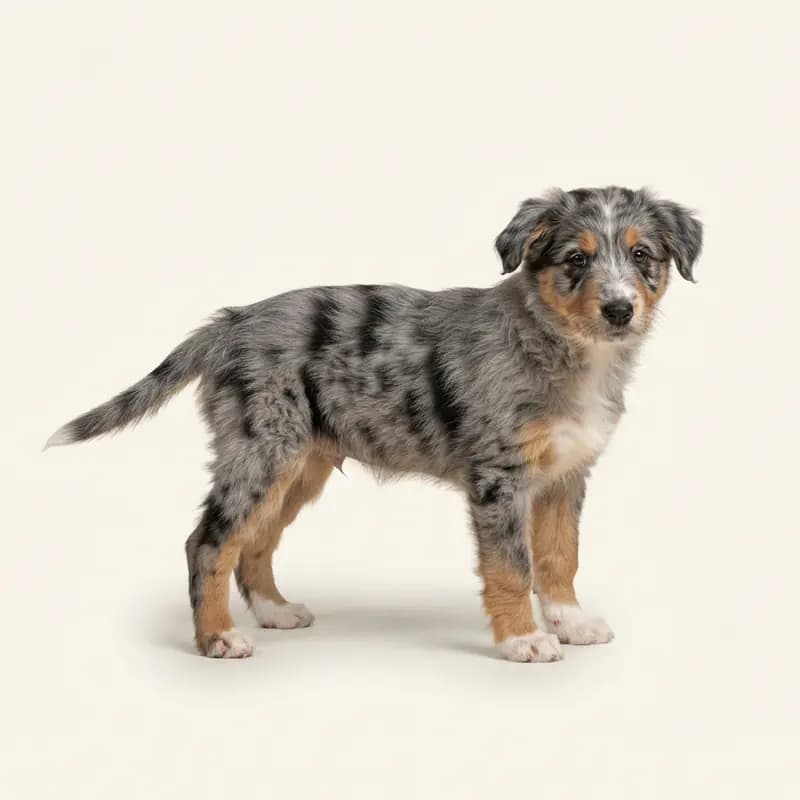
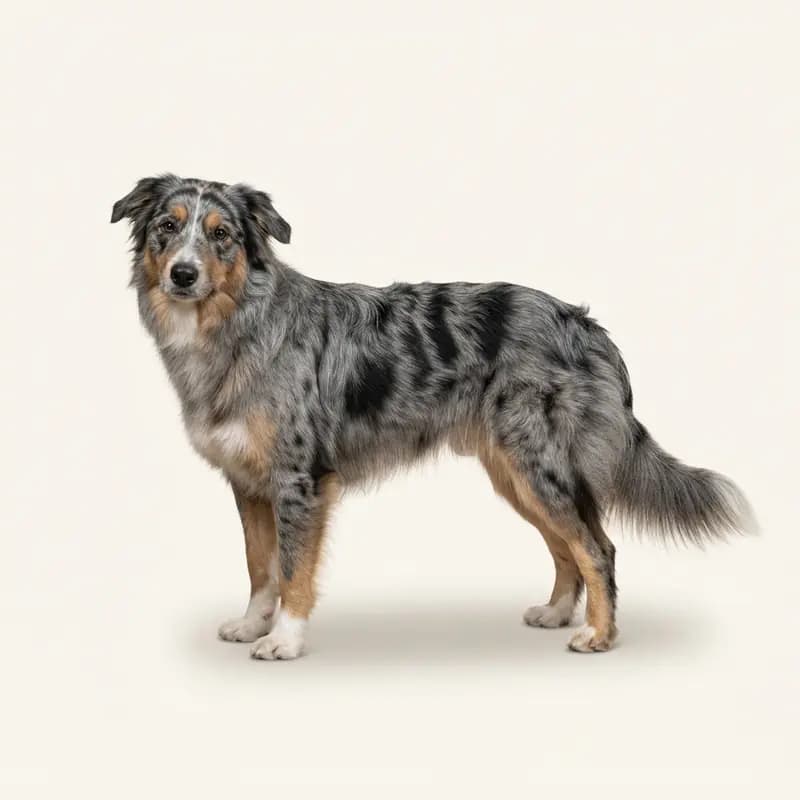
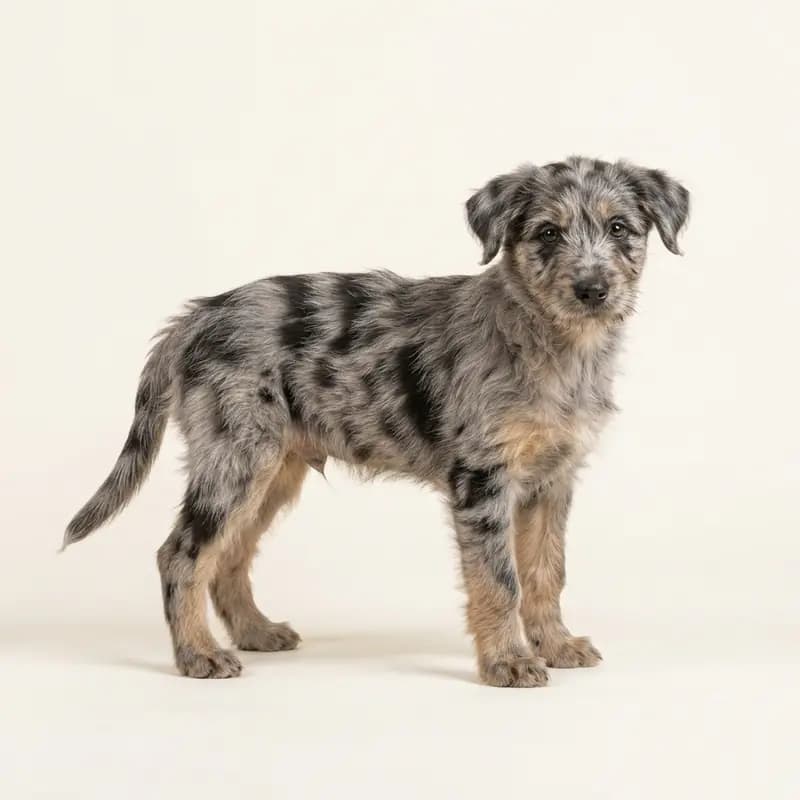
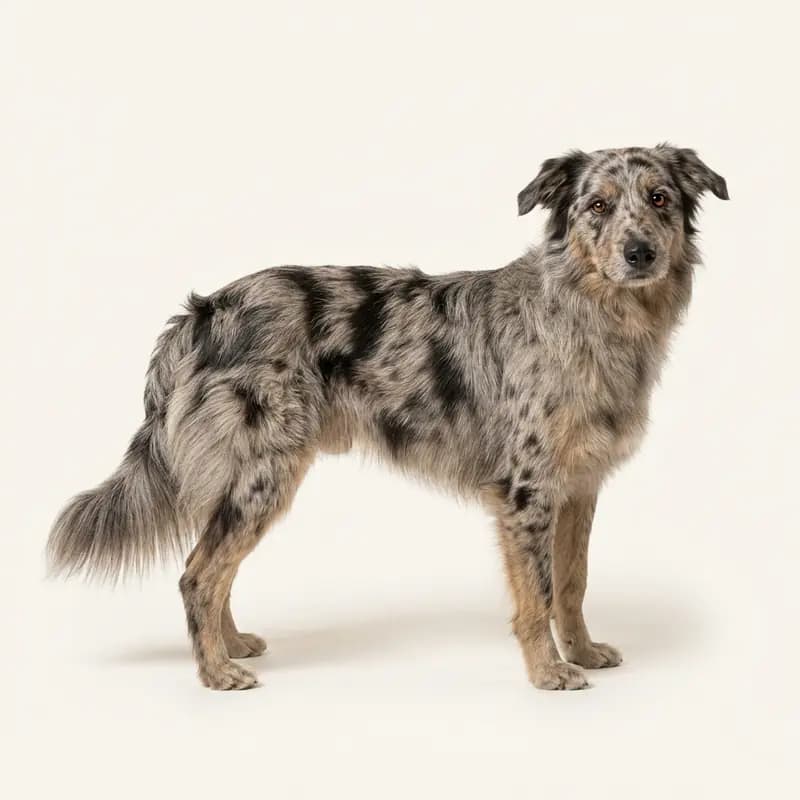
What colors does the Pyrenean Shepherd (Smooth-faced) come in?
The coat colors you will see in Pyrenean Shepherd (Smooth-faced) litters — including which ones fall outside the breed standard and which carry genetic risk.
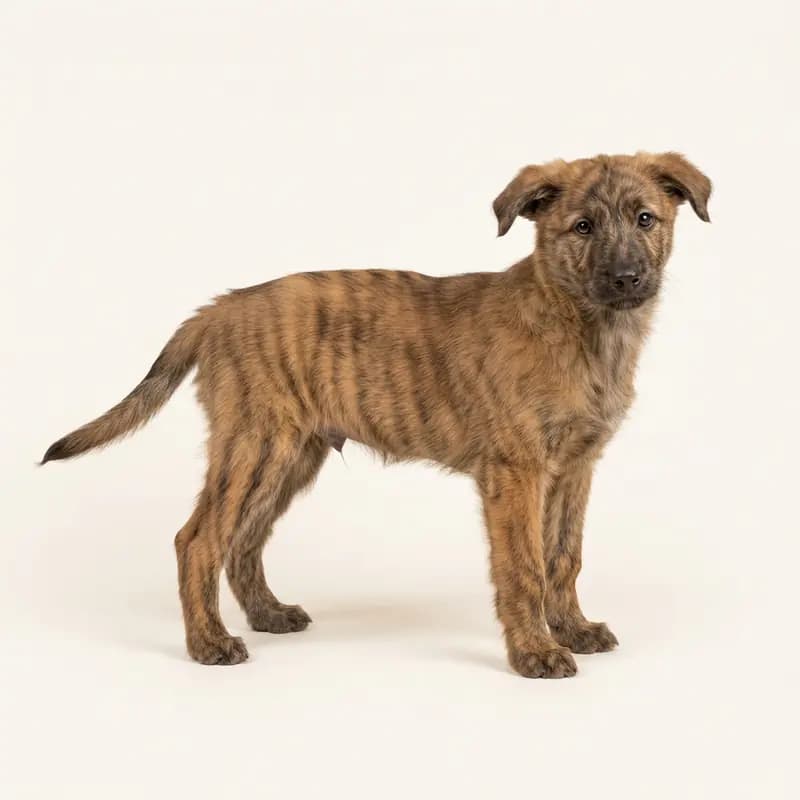
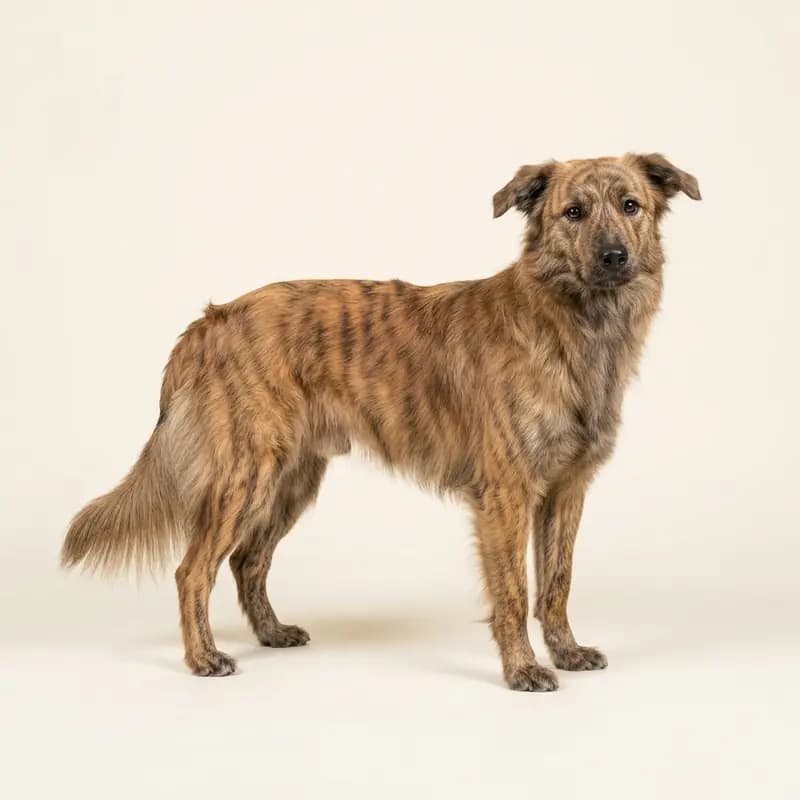
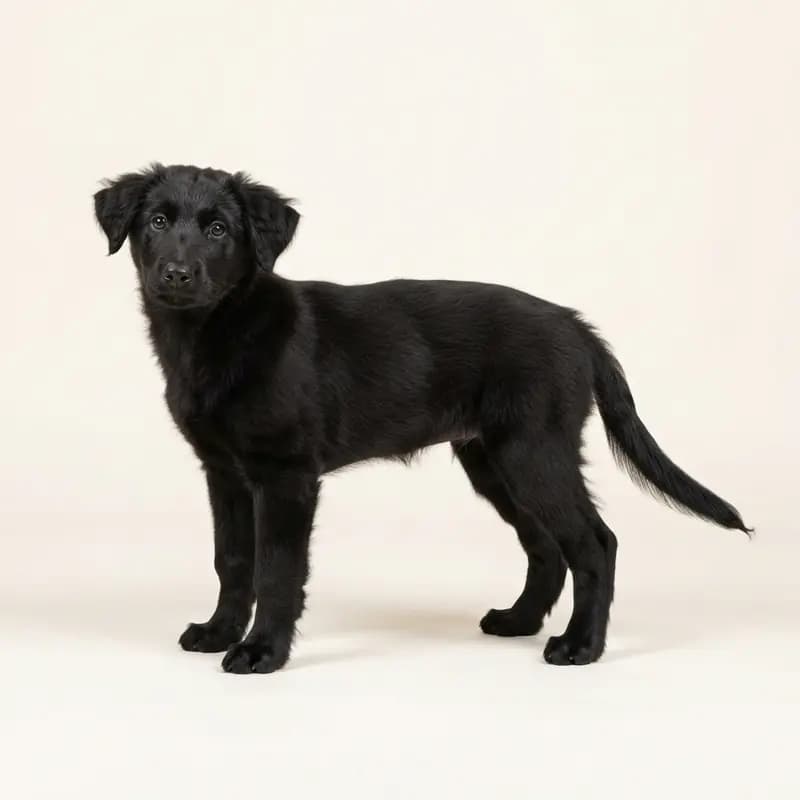
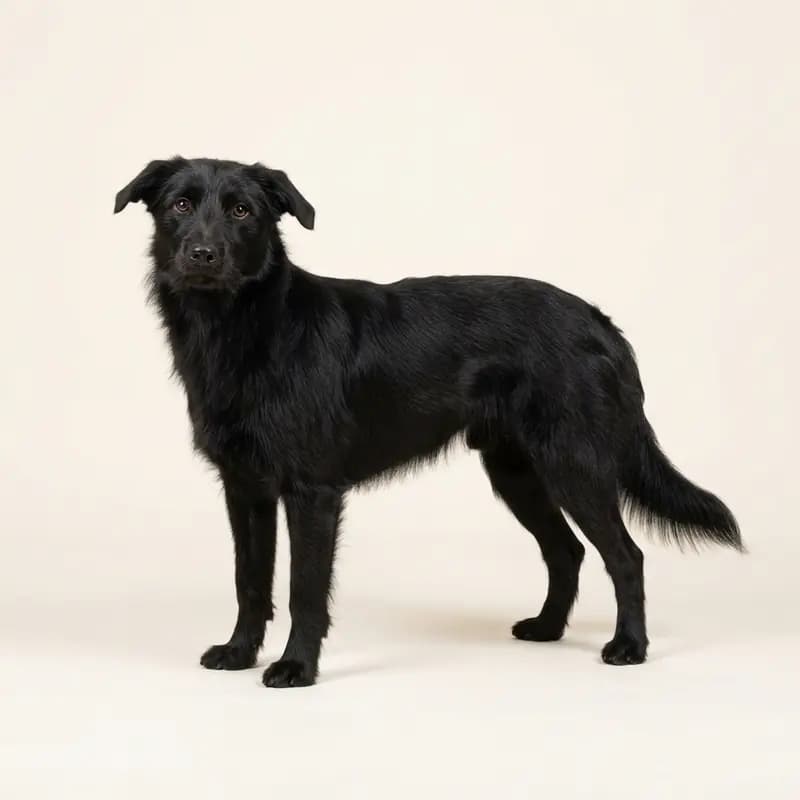
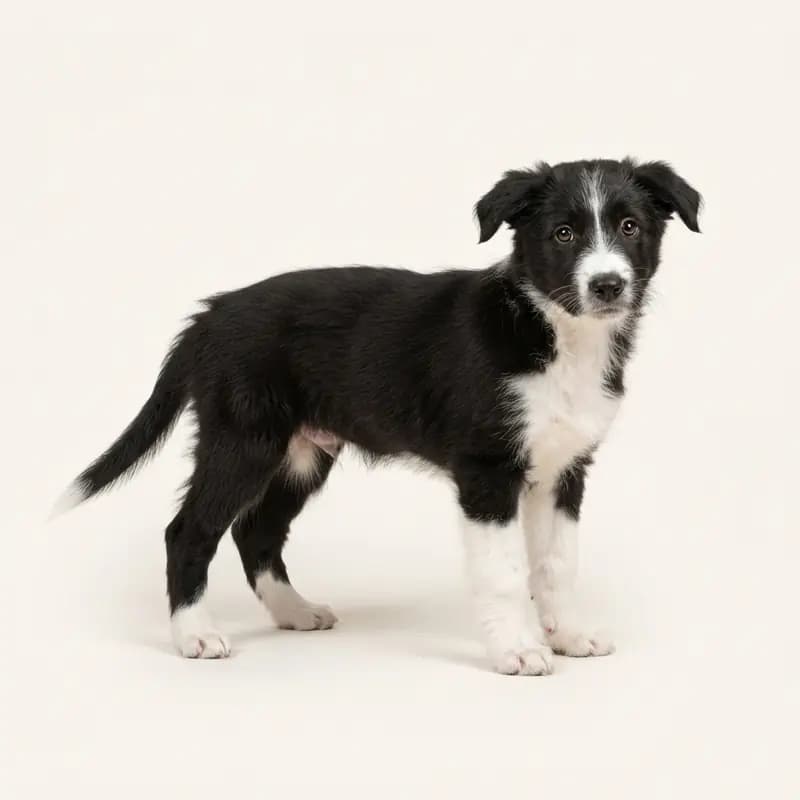
Eye colors
 Brown
Brown Blue
Blue Odd-eyed
Coat type
 Smooth
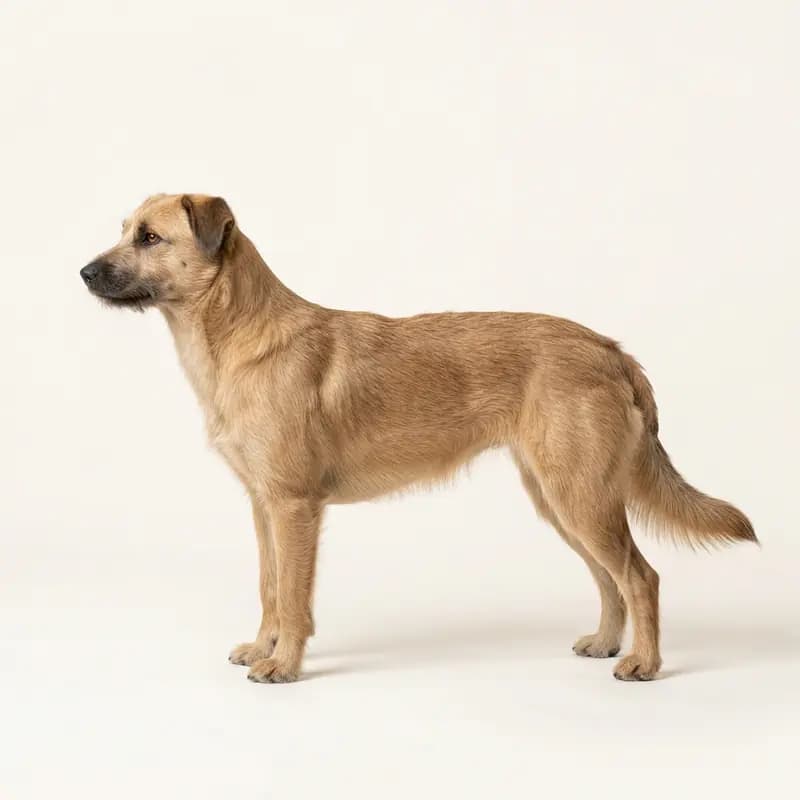 Illustrative image
Short
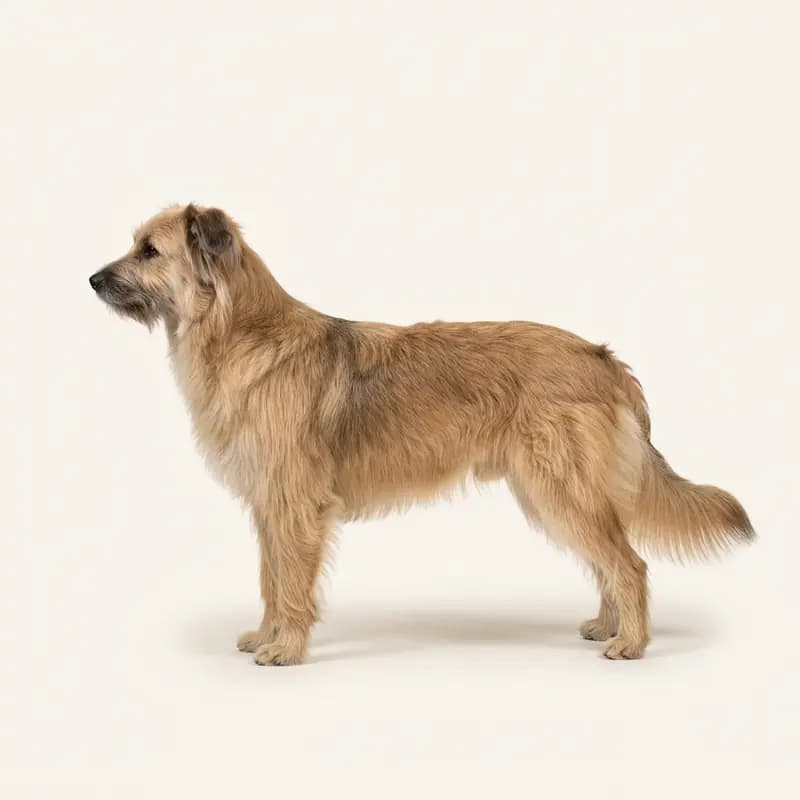 Illustrative image
Medium
Is the Pyrenean Shepherd (Smooth-faced) right for you?
The Berger des Pyrénées (Kurzhaar) is a lightning-fast, highly reactive Hütehund (herding dog) — bred to tirelessly guide sheep flocks in the rugged mountains and report every change immediately. He combines maximum energy with a deep skepticism toward anything foreign.
Perfect for you if:
- You enjoy demanding dog sports or intensive mental stimulation — simple walks will never tire out this workaholic.
- You live in a more rural area and appreciate a vigilant companion who keeps a close eye on his territory.
- You radiate clear, calm leadership to channel his extremely fast reactions and tendency to bark into constructive paths.
- You are looking for a dog that bonds unconditionally with you and doesn't necessarily need to be thrilled by strangers.
Less ideal if:
- You live in a noisy apartment building — this dog was bred to loudly report any anomaly in the mountains.
- You expect your dog to greet visitors joyfully or play relaxed with everyone at the dog park.
- You are looking for an undemanding evening companion who is satisfied with short walks around the block.
- You are inattentive to sudden movements — his herding instinct often makes him react lightning-fast to joggers or cyclists.
The real vibes check
A Berger des Pyrénées is like a coiled spring that triggers at the slightest movement — he thinks, reacts, and moves twice as fast as most other breeds. You aren't getting a relaxed tag-along, but a highly intelligent specialist who scans your every mood. If you give him a real job and security, he will never leave your side; if you leave the decisions to him, he will take control in a loud and boisterous way.
Self-check
Would the Pyrenean Shepherd (Smooth-faced) really fit your life?
Answer 6 quick questions about your everyday life and see how well the Pyrenean Shepherd (Smooth-faced) fits you — including an honest cost estimate per month, per year, and across the dog's lifetime.
Fit checkCost estimateRisk dice
Takes about 1 minute · free & anonymous
Breed Profile
The Berger des Pyrénées, also known as the Pyrenean Shepherd, is an agile and lively herding dog breed from the French Pyrenees. It belongs to FCI Group 1, Section 1, which includes herding and driving dogs. Characteristic of the Berger des Pyrénées is its medium, compact body covered by a dense coat, usually rough or smooth. Its face is marked by expressive, almond-shaped eyes and mobile, triangular ears, giving it an alert and intelligent expression. Within the breed, there are various coat types and colors, ranging from solid to speckled. The Berger des Pyrénées is known for its high work enthusiasm, intelligence, and adaptability, making it an excellent companion for active people. Its herding and guarding instincts are strongly pronounced, which is why it requires consistent but loving training.
All measurements in detail
- Height
- 40 - 46 cm (Female), 42 - 48 cm (Male)
- Weight
- 8 - 15 kg (Female), 9 - 15 kg (Male)
- Life Expectancy
- 12 - 15 yrs
- Character
- Intelligent, alert, affectionate with the family, but reserved towards strangers, high hunting drive
- Coat
- Short, dense, without undercoat
- Coat Color
- Varied; including black, blue, brown, fawn, red, and more.
- Price
- 1500 - 2500 €
Character & Temperament
The Berger des Pyrénées is a lively and intelligent herding dog that impresses with its versatility and adaptability. It shows a close bond with its family and is very people-oriented, convincing both as an active companion in everyday life and as a reliable working dog. Its pronounced work drive requires regular physical and mental exercise. Activities such as obedience training, scent work, or agility are ideal to promote its need for movement and intelligence. Despite its active nature, the Berger des Pyrénées can learn to be alone at times but requires sufficient social contact and attention. The Berger des Pyrénées has a natural protective behavior without being aggressive, making it well-suited as a guard dog. Its prey drive and herding behavior can manifest in a strong interest in moving objects, which is why consistent training and early recall training are important. Overall, the Berger des Pyrénées is a loyal, eager-to-learn, and versatile dog that, with the right support, is a balanced and reliable partner for active families and dog sports enthusiasts.
| Trainability Picks up commands quickly and wants to please. | Eager to learn |
| Watchfulness A natural watchdog with real protective instinct. | High |
| Openness to Strangers Careful around unfamiliar people — thaws slowly. | Cautious |
| Hunting or Herding Drive Powerful instinct that can override recall when triggered. | Strong |
Fun Fact!
Berger des Pyrénées: The Berger des Pyrénées is a lively herding dog from the French Pyrenees, who with his shaggy coat and tireless energy conquers not only sheep but also hearts by storm. Despite his size, he is a true acrobat and loves to jump over rocks and mountains – a real mountaineer among dogs!
What Awaits You
The Berger des Pyrénées (short-haired) is a lively and intelligent herding dog from the French Pyrenees. These dogs are very eager to learn and need meaningful activity to balance their temperament. They are alert and show a close bond with their family. The short-haired Berger des Pyrénées is well suited as an active family dog that requires a lot of exercise and mental challenge.
Housing & Care
Berger des Pyrénées are lively and intelligent dogs that require a lot of exercise and mental stimulation. They are well suited for active families or individuals who spend a lot of time outdoors. Due to their strong protective and guarding instincts, they are alert and watchful, but usually friendly and affectionate towards their caregivers. Berger des Pyrénées generally get along well with children, especially if they are accustomed to interacting with them early on. They are socially compatible with other dogs and pets if good socialization takes place from a young age. Purely apartment living is less ideal, as they need to express their need for movement and intelligence to remain balanced.
- Family Friendly
Loves family life and thrives in a group.
Family-oriented - Child Friendly
Takes boisterous and affectionate children in its stride.
Patient with children - Dog Friendly
Usually gets on fine with other dogs.
Generally tolerant - City Friendly
Can manage in the city, but only with very active owners.
Difficult in cities
Owning a dog is a privilege, but it's also a real responsibility. Before you bring one into your life, be honest with yourself about the commitment it takes.
Training & Education
The Berger des Pyrénées is an intelligent and eager-to-learn dog that requires consistent and varied training. Similar to the German Shepherd, it is important to consider and specifically direct its natural instincts – especially its herding and guarding drive. Training that offers both mental and physical challenges is ideal to keep the Berger balanced and content. Like with the Labrador, training should be positive and reward-based to build a trusting bond. The Berger des Pyrénées responds well to clear structures but also needs sufficient rest periods to avoid overload. Frustration tolerance is an important part of training, as the breed can sometimes be stubborn. The Berger is excellent for dog sports such as obedience, agility, or mantrailing, where its agility and intelligence are required. At the same time, it is important not to overwhelm it, as this can lead to undesirable behavior. Overall, the Berger des Pyrénées requires dedicated training that promotes its natural abilities while providing enough balance. Those willing to invest time and patience will gain a loyal, lively, and versatile companion.
Nutrition & Care
The Berger des Pyrénées requires a balanced diet that supports its active and energetic nature. High-quality dog food with a good amount of protein and all essential nutrients is ideal to strengthen its muscles and promote its health. Be careful to avoid overweight, as this can strain the joints. The coat of the Berger des Pyrénées is medium to long, with a dense undercoat that protects it well from the cold. Regular brushing, at least 2-3 times a week, is important to prevent matting and remove loose hair. They shed more heavily especially during the coat change in spring and autumn. Bathing should only be done when necessary to preserve the natural fat layer of the coat. The Berger des Pyrénées is well adapted to the Central European climate. Its coat protects it from the cold, but in extreme heat, sufficient shade and water should be provided to prevent overheating. Regular exercise and mental stimulation are also important to keep the active dog balanced and healthy.
| Care Level Minimal effort — occasional brushing and bathing. | Low-maintenance |
| Exercise Needs Working-dog energy that needs burning off every single day. | High-drive |
| Shedding Regular shedding — dog hair on clothes is now normal. | Moderate |
| Trainability Picks up commands quickly and wants to please. | Eager to learn |
Our experts are still reviewing this information. Spotted something wrong? Email us at info@honestdog.de.
Health & hereditary diseases
Health
A
Robust
Health grade
The Berger des Pyrénées (Kurzhaar) is a robust working breed with a very low number of known hereditary diseases. Nevertheless, buyers should be aware of hip dysplasia (HD), which is well-managed through mandatory health tests within the breeding program. Additionally, the risk of tail deformation should be actively discussed with the breeder before purchase.
Grade is relative to other breeds — AI-assisted and editorially reviewed.
In daily life this can mean
You should pay attention to a healthy weight and joint-friendly upbringing, as well as schedule regular eye check-ups so your dog stays active for a long time.
The breeder's role
Reputable breeders have the hips, knees, and eyes of the parent animals tested and pay strict attention to the epilepsy history of their lines to minimize risks.
Note: This health overview is AI-assisted and editorially reviewed. It is for orientation only and does not replace veterinary advice.
No Health Tests Available
No specific health tests are currently available for this breed.
Costs & where to find one
How much does a Pyrenean Shepherd (Smooth-faced) cost?
A Pyrenean Shepherd (Smooth-faced) costs around ~€160 per month (€90 – €300, depending on your setup). The first year adds up to roughly ~€4,790 including purchase, equipment and puppy school; across the dog's life (13.5 years) it comes to about ~€29,290.
With surgery cover, running costs come to about ~€150 per month — in return, your share of a major operation drops from several thousand euros to around 20 percent.
Per month
~€160
In the first year
~€4,790
Across the dog's life
~€29,290
Purchase from a breeder: €1,500 – €2,500
Estimate at a mid-range setup (suburban, dry food, 1–2 hours of daily exercise), average German prices, as of July 2026.
Calculate your personal costs1-minute self-check with your own answers
Looking for a Pyrenean Shepherd (Smooth-faced)?
HonestDog Concierge
No verified Pyrenean Shepherd (Smooth-faced) breeders on HonestDog yet
We currently have no breeders for this breed who have passed our verification. Create your short buyer profile: we'll set up your search alert, review a possible source and email you within 28 days.
Appearance, variants & origin
History
The full history
The history of the Berger des Pyrénées begins in the 19th century in the Pyrenees, a mountain region between France and Spain. Originally, these dogs were bred by shepherds to herd and protect sheep flocks in difficult terrain. Their agility, intelligence, and endurance made them indispensable companions for work in the mountains. Over time, various varieties developed, differing in size and coat type. The breed was officially recognized in the 20th century and is now popular both as a working dog and as a family pet.
Original Use
The short-haired Pyrenean Shepherd was also used to herd flocks of sheep in the French Pyrenees.
Origin
France
Date
1920
Owner experiences
What owners say about the Pyrenean Shepherd (Smooth-faced)
Zusammengefasst aus öffentlich geteilten Halter-Erfahrungen
Viele Halter beschreiben den Berger des Pyrénées (Face Rase) im Alltag als treuen Schatten, der eine extrem enge Bindung zu seinen Menschen aufbaut. Er gilt als aufgeweckter, fröhlicher und ungemein loyaler Begleiter, der am liebsten überall dabei ist. Im Haus verhalten sich ausgelastete Hunde meist ruhig und angenehm, während sie draußen regelrecht vor Energie sprühen.
Allerdings betonen erfahrene Besitzer immer wieder, dass diese Rasse kein klassischer, unkomplizierter Familienhund ist. Der ausgeprägte Hütetrieb bringt eine hohe Reizempfindlichkeit mit sich. In einer sehr trubeligen Umgebung oder in der Stadt neigen manche Hunde zu Nervosität und Hibbeligkeit. Zudem ist eine gewisse Bellfreudigkeit im Alltag ein wiederkehrendes Thema, da die Hunde sehr wachsam sind und Vorfälle oder Geräusche gerne lautstark melden.
Ein weiterer zentraler Punkt in den Erfahrungsberichten ist das rassetypische Misstrauen gegenüber Fremden. Während der Face Rase im Vergleich zur langhaarigen Variante oft als etwas nervenstärker und offener beschrieben wird, neigen viele Individuen dennoch dazu, Fremde erst einmal gründlich zu mustern oder gänzlich zu ignorieren. Wird diese Skepsis im Welpenalter nicht behutsam umgelenkt, kann sich daraus ein defensives Verhalten entwickeln, bei dem der Hund im Zweifelsfall nach vorne geht.
Zusammengefasst aus öffentlich geteilten Halter-Erfahrungen
In der Erziehung zeigt sich der kurzhaarige Pyrenäen-Hütehund als zweischneidiges Schwert: Einerseits begeistert er durch eine extrem schnelle Auffassungsgabe, eine hohe Arbeitsintelligenz und den sprichwörtlichen Will-to-Please. Halter, die im Hundesport wie Agility, Obedience oder beim Mantrailing aktiv sind, schwärmen von der Leichtigkeit, mit der diese Hunde komplexe Aufgaben lernen und wie aufmerksam sie an den Lippen ihrer Besitzer hängen.
Andererseits berichten Besitzer unisono, dass diese Intelligenz gepaart mit einer großen Portion Selbstständigkeit und Sturheit kommt. Wenn die Führung nicht absolut konsequent, klar und souverän ist, neigt der Berger des Pyrénées dazu, eigene Entscheidungen zu treffen und Regeln selbst zu definieren. Er hinterfragt Kommandos, wenn er keinen Sinn darin sieht, und nutzt Inkonsequenz sofort aus.
Ein wichtiges Erziehungsfeld ist zudem die Sozialisierung. Da die Rasse von Natur aus sehr reaktiv ist, müssen Welpen früh und behutsam an Umweltreize, andere Hunde und fremde Menschen herangeführt werden. Auch das Training der Frustrationstoleranz und das Erlernen von Ruhepausen sind essenziell, damit der Hund nicht überdreht. Druck oder Härte in der Erziehung verträgt der sensible Hütehund überhaupt nicht – er benötigt eine feinfühlige, aber konsequente Hand.
Zusammengefasst aus öffentlich geteilten Halter-Erfahrungen
Gesundheitlich gilt der Berger des Pyrénées à Face Rase unter Haltern und Züchtern als ausgesprochen robust, zäh und langlebig. Lebenserwartungen von 12 bis 15 Jahren sind keine Seltenheit, und viele Hunde bleiben bis ins hohe Alter hinein erstaunlich fit und agil. Da es sich um eine sehr ursprüngliche Rasse handelt, die nicht überzüchtet ist, treten chronische Erkrankungen im Vergleich zu anderen Moderassen eher selten auf.
Dennoch weisen erfahrene Halter darauf hin, dass man beim Kauf unbedingt auf zertifizierte Züchter achten sollte, die wichtige Gesundheitsuntersuchungen nachweisen können. Wie bei vielen aktiven, mittelgroßen Hunden stehen vor allem die Hüftgelenksdysplasie (HD) und die Patellaluxation (PL) im Fokus der Vorsorgeuntersuchungen. Gelegentlich wird in Foren auch über Augenprobleme berichtet, weshalb regelmäßige Augenuntersuchungen der Elterntiere wichtig sind.
Ein großer Pluspunkt im Alltag ist die unkomplizierte Pflege des Kurzhaars (Face Rase). Im Gegensatz zur langhaarigen Variante, bei der das Fell schnell verfilzt, reicht beim Face Rase regelmäßiges Ausbürsten völlig aus. Der Pflegeaufwand ist minimal, was die Rasse für aktive Menschen, die viel in der Natur und bei Wind und Wetter unterwegs sind, besonders attraktiv macht.
Paraphrased from real owner reports
Loading owner stories
FAQ & more
Frequently asked questions about the Pyrenean Shepherd (Smooth-faced)
Is a Pyrenean Shepherd (Smooth-faced) the right dog for me?
The Pyrenean Shepherd (Smooth-faced) is an active dog that needs plenty of exercise and mental stimulation. Research the temperament, grooming needs, and space requirements before deciding.
How long does a Pyrenean Shepherd (Smooth-faced) live?
The average life expectancy of a Pyrenean Shepherd (Smooth-faced) is 12-15 years. With proper care and regular vet visits, your dog can live a long, healthy life.
How much grooming does a Pyrenean Shepherd (Smooth-faced) need?
Pyrenean Shepherd (Smooth-faced) grooming requirements include regular brushing, nail trimming, and dental care. HonestDog provides detailed grooming tips for every breed.
Is a Pyrenean Shepherd (Smooth-faced) good for families with children?
The Pyrenean Shepherd (Smooth-faced) can be a great family dog. Proper training and socialization are key. HonestDog provides family suitability information for every breed.
What colors does the Pyrenean Shepherd (Smooth-faced) come in?
The Pyrenean Shepherd (Smooth-faced) comes in these colors: Fawn, Grey, Blue merle, Merle, Brindle, Black, Black and white.
Loading related articles
Are you a Pyrenean Shepherd (Smooth-faced) breeder?
Showcase your kennel on HonestDog and reach families searching for a responsibly bred Pyrenean Shepherd (Smooth-faced).
Why HonestDog?
What makes HonestDog different from other platforms
Full transparency
We lay out what we have: who the breeder is, how they work, and any health records they've uploaded. So you can judge for yourself.
Responsible breeding, assured
Every breeder on HonestDog has their identity and documents checked before their profile goes live. Health records they upload are shown on the profile, so you can see exactly what has been tested.
Trust and verification
We verify breeders and buyers alike, so every conversation happens on solid ground. It's a new standard of trust in dog breeding.
Less hassle, more time
We've already checked the breeders' documents and gathered the details, so you can skip the endless research and focus on finding the right puppy for your family.
Our Mission

We connect dog lovers with responsible breeders and shelters to ensure every dog finds the perfect home.
Founded by dog enthusiasts, our platform focuses on ethical dog breeding and adoption.
Why HonestDog?
We connect you with vetted breeders and shelters so you can find your — your new companion — with confidence.
Vetted Partners
Only verified breeders and shelters — for a safe start.
Highest Standards
Every animal's health and wellbeing is our top priority.
Guides & Resources
Guides, checklists, and breed profiles — so you can make a well-informed decision.