Loading breed
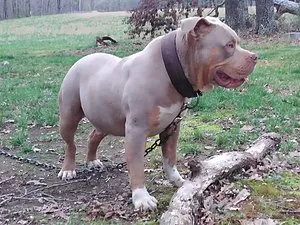
American Bully
Health grade DThe American Bully is an extremely affectionate, massive bull-type companion dog—bred to combine the appearance and power of its ancestors with the gentle temperament of a true family dog. A powerhouse that would prefer to sleep on your lap.
- Height33–51 cm
- Weight13–57 kg
- Life expectancy10–12 yrs
- Puppy price1,500–3,000 €
- Energy4/5
The Essentials at a Glance
The American Bully is an extremely affectionate, massive bull-type companion dog—bred to combine the appearance and power of its ancestors with the gentle temperament of a true family dog. A powerhouse that would prefer to sleep on your lap.
- Health grade D: The American Bully carries a significant risk of serious health problems, particularly due to Brachycephalic Obstructive Airway Syndrome (BOAS), which can severely impair breathing, as well as degenerative joint diseases such as Hip Dysplasia (HD) and Elbow Dysplasia (ED).
- You are a confident and calm leader, because with this much raw power, physical force won't get you anywhere.
- You are looking for a cozy companion for moderate walks rather than an endurance jogging partner.
- You expect your dog to love every stranger at the dog park—bull-type genetics often come with a certain intolerance toward other dogs.
Is the American Bully right for you?
At a glance
American Bully overview
The essentials — key facts, traits, and health priorities — before you dive deeper.
Health grade
Relative to other breeds
S
A
B
C
D
E
Very healthyHigher risk
Elevated risk — responsible breeding really matters.
See full health info & tests →
Note: This health overview is AI-assisted and editorially reviewed. It is for orientation only and does not replace veterinary advice.
Lifespan
10–12 yrs
Height
33–51 cm
Weight
13–57 kg
Practical
- Puppy price: 1,500 – 3,000 €
- Coat: Short, smooth, without undercoat
- Origin: USA
Temperament
Energy
Trainability
Family fit
With kids
Daily life
Care effort
Shedding
Barking
City-friendly
Guard instinct
What matters most
Especially with a American Bully, choosing the right breeder is the single most important decision you'll make. Serious breeders consistently test the parents for inherited conditions, prioritize healthy early socialization, and stay accountable long after handover. A cheap puppy without health screening tends to become the most expensive dog later on.
See HonestDog breeder standards →Colors & coat
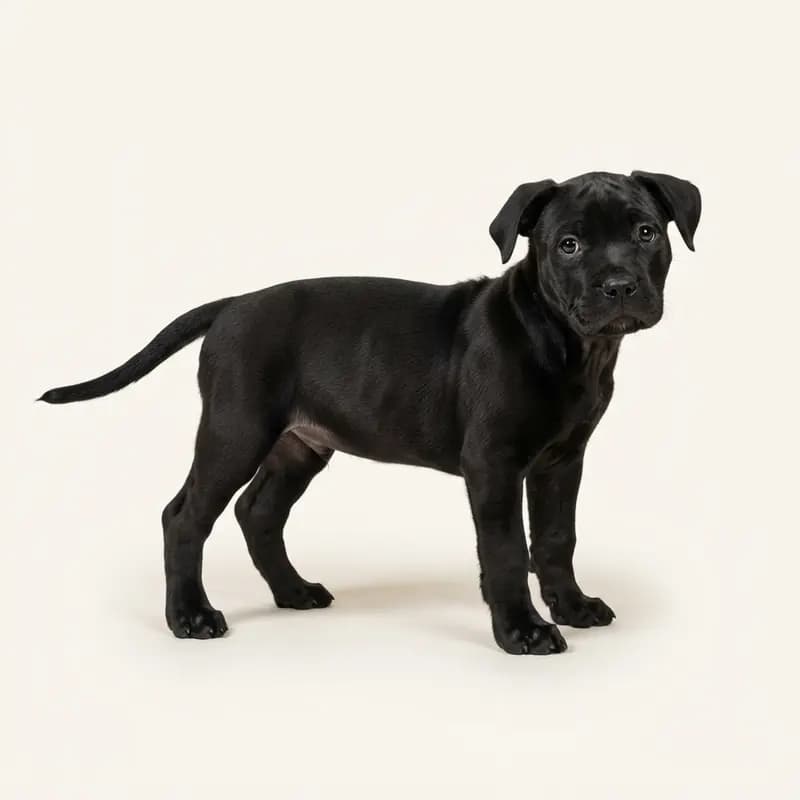
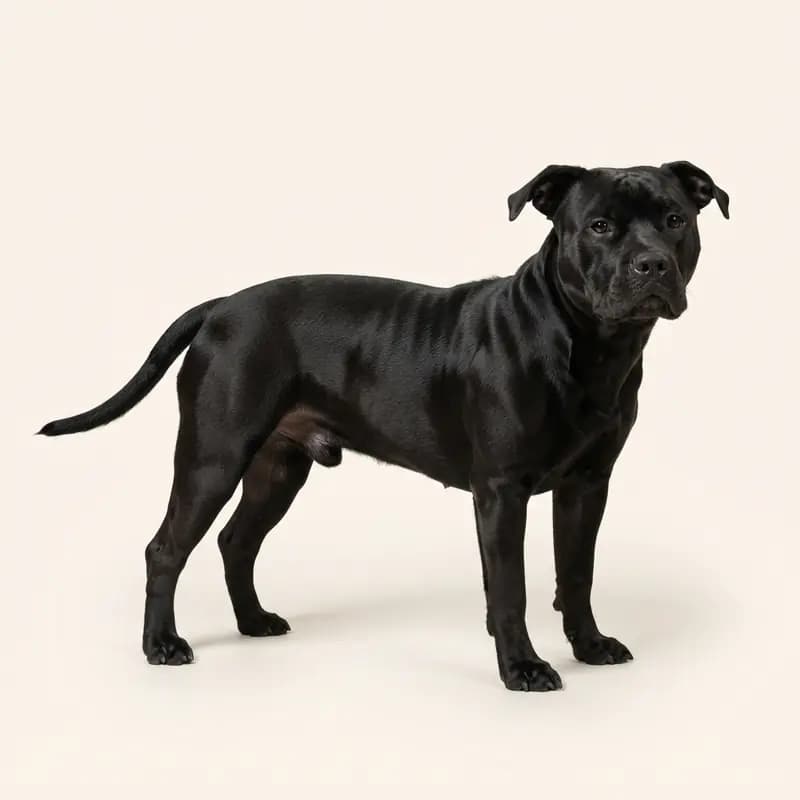
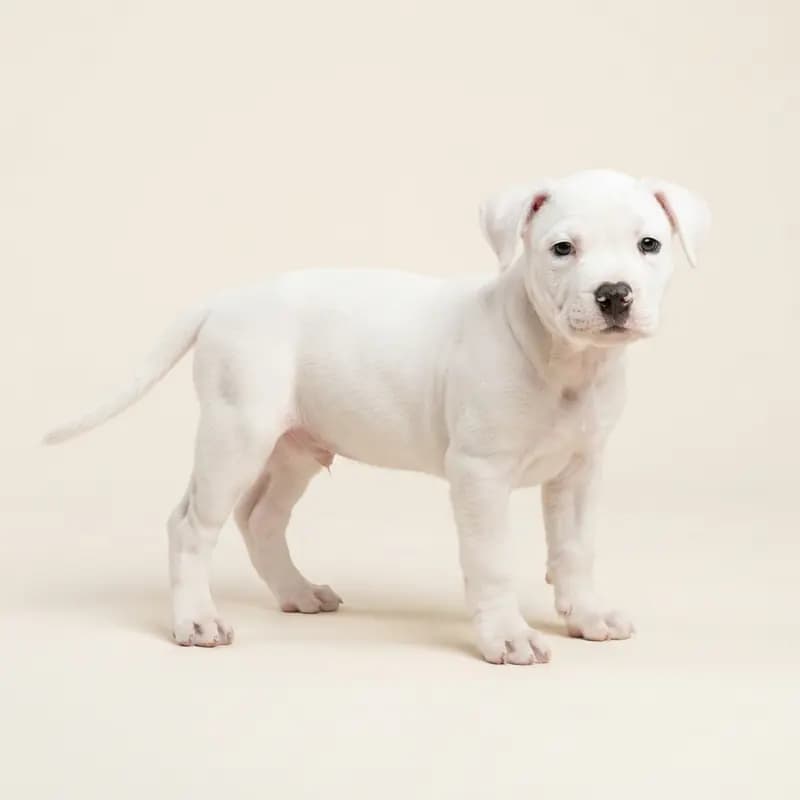
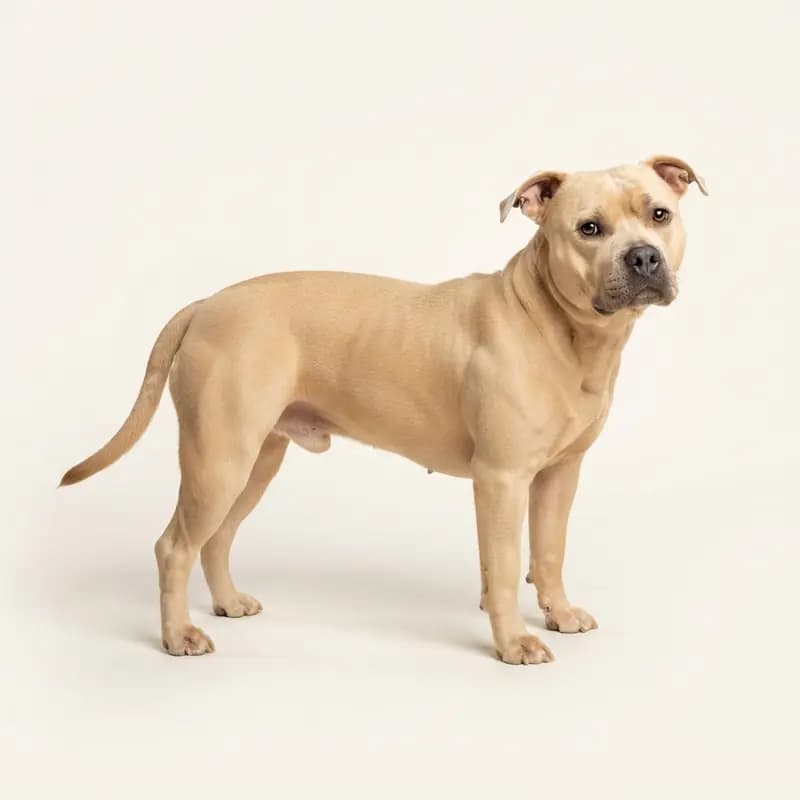
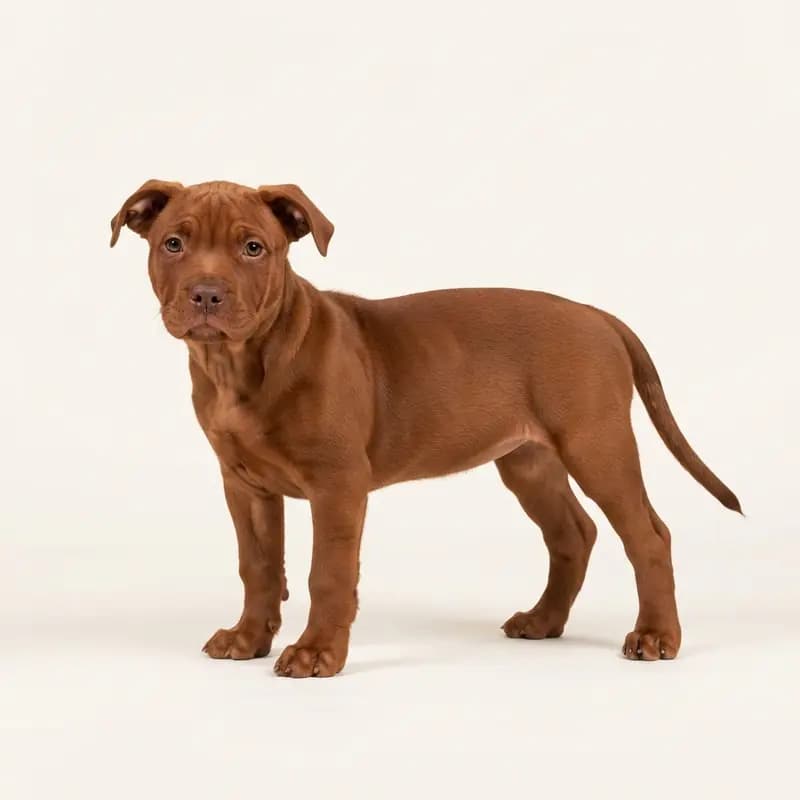
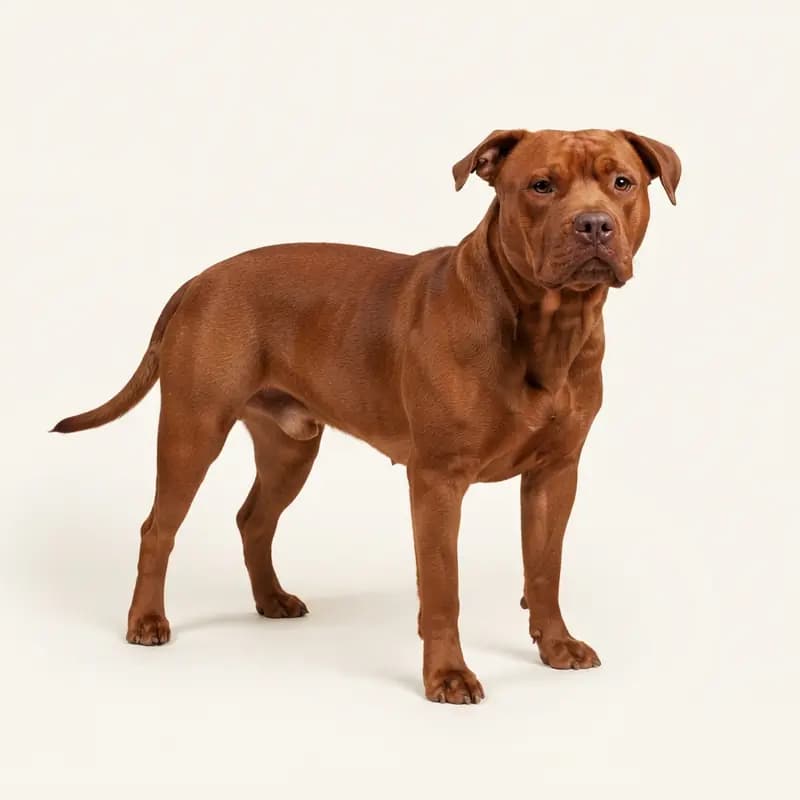
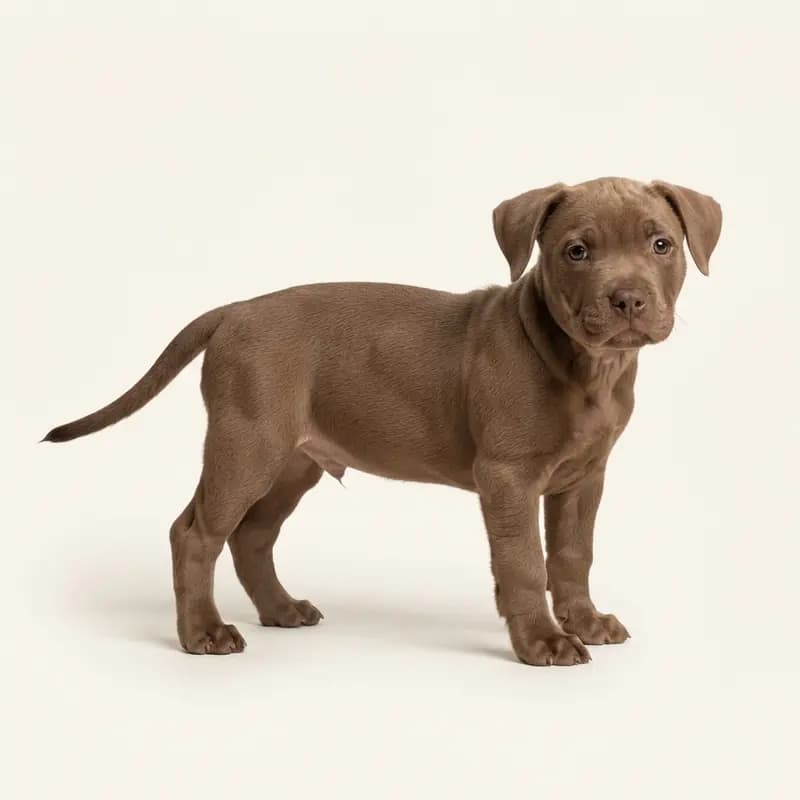
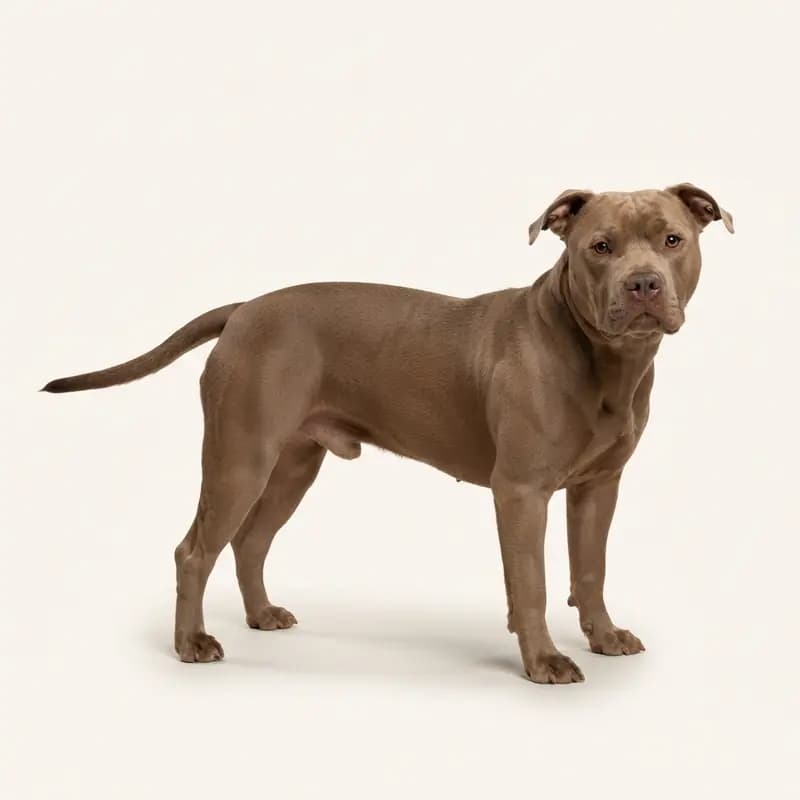
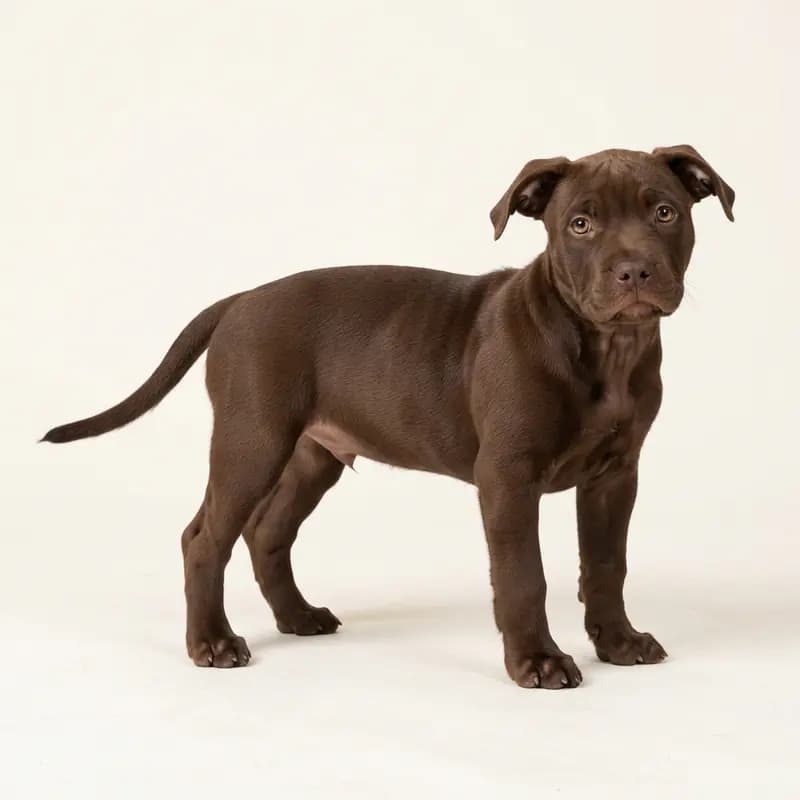
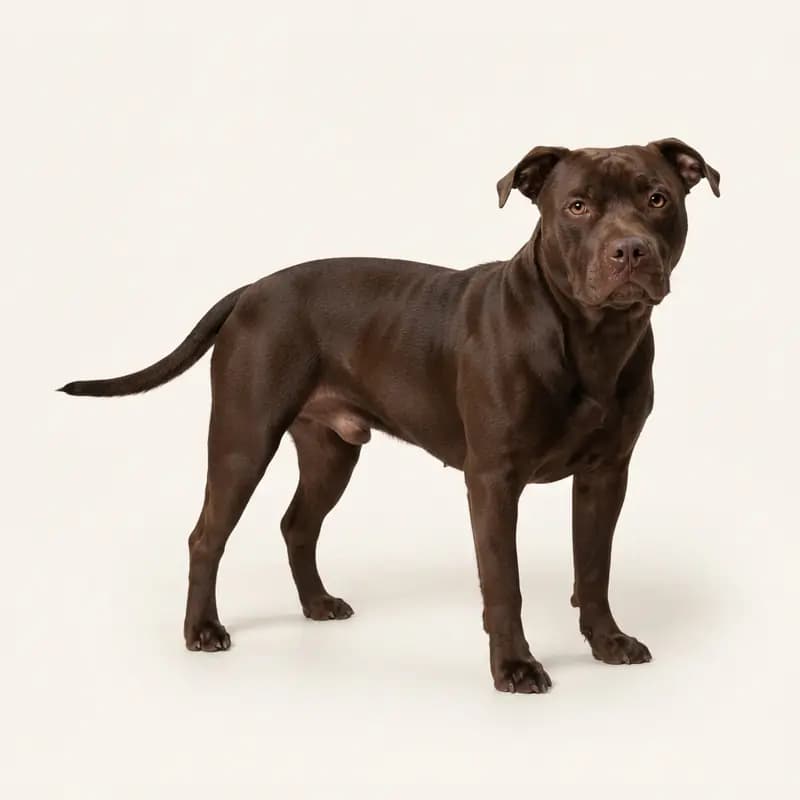
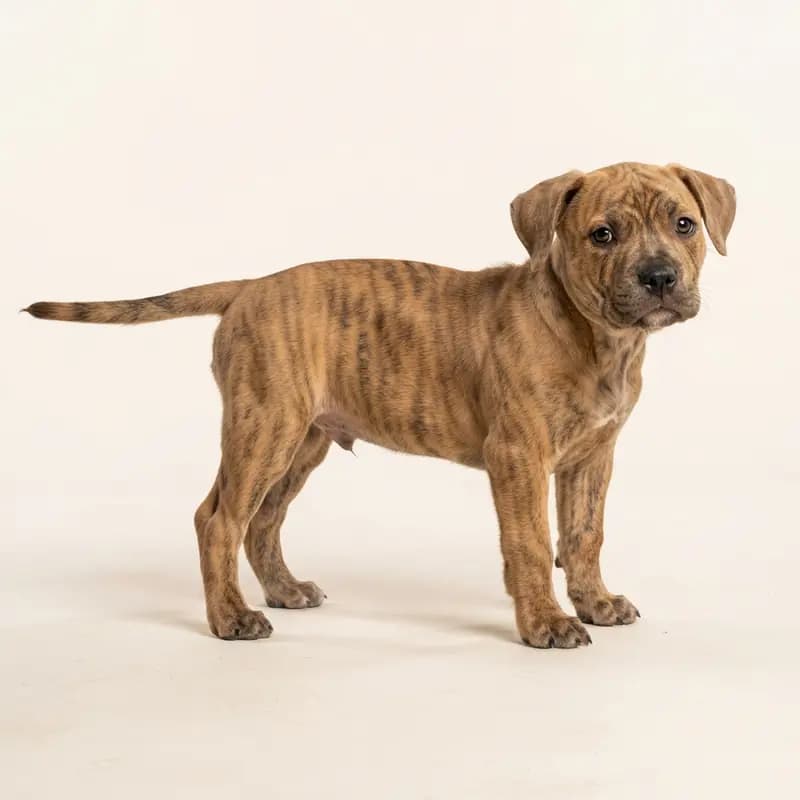
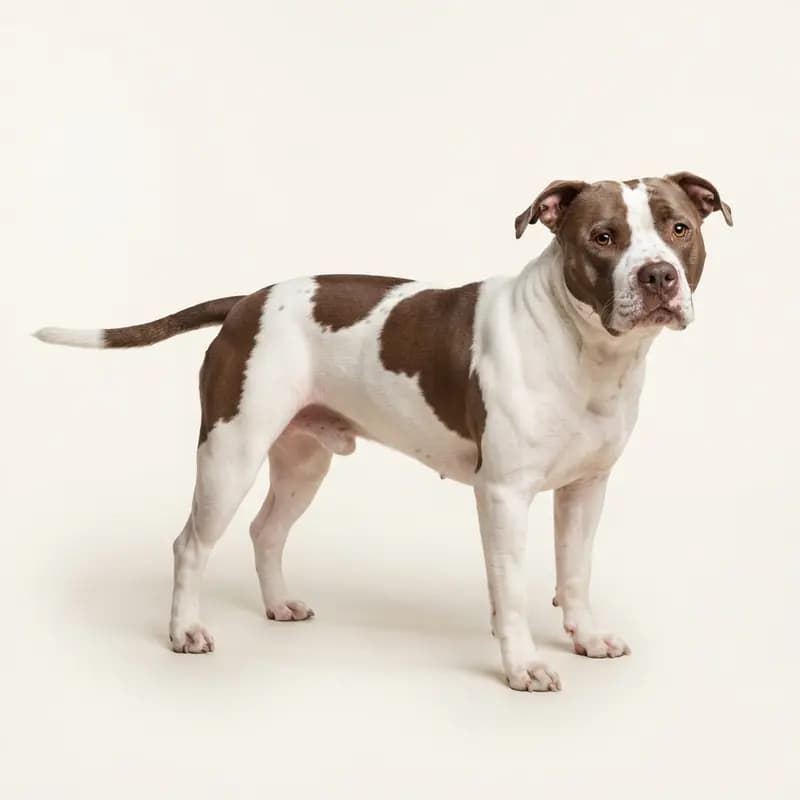
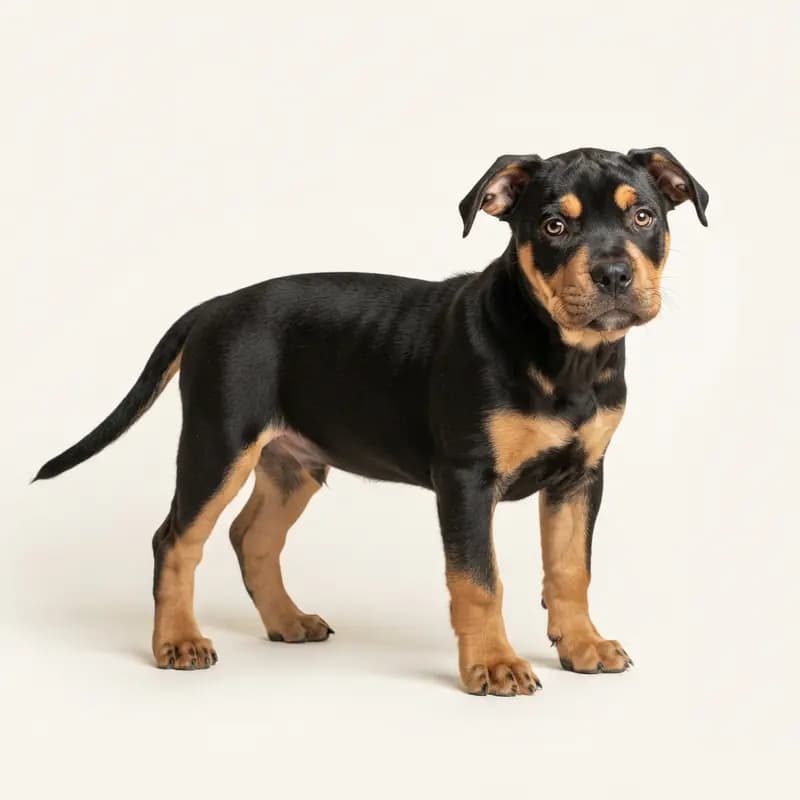
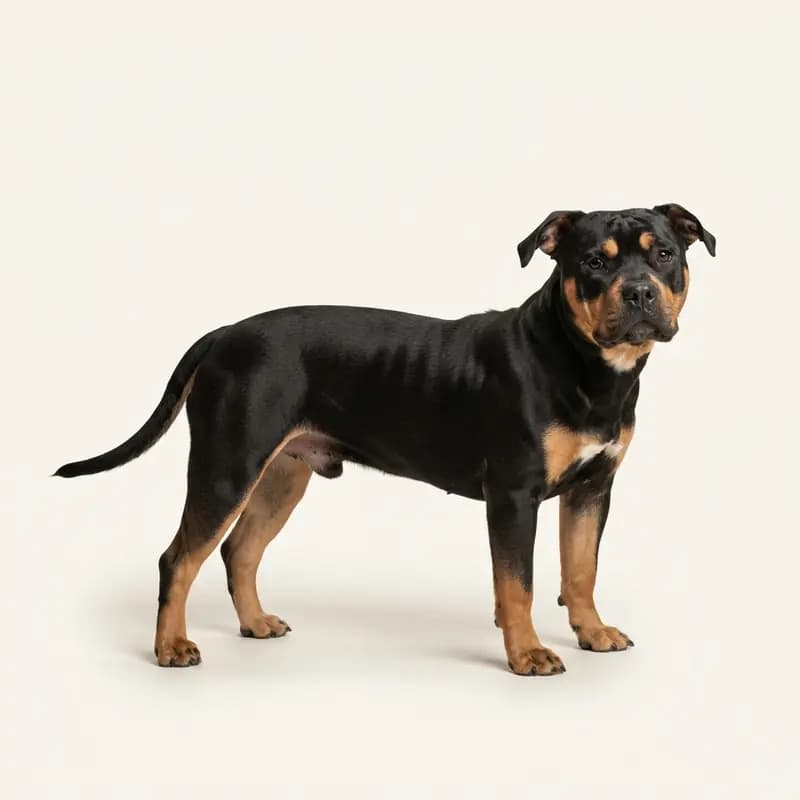
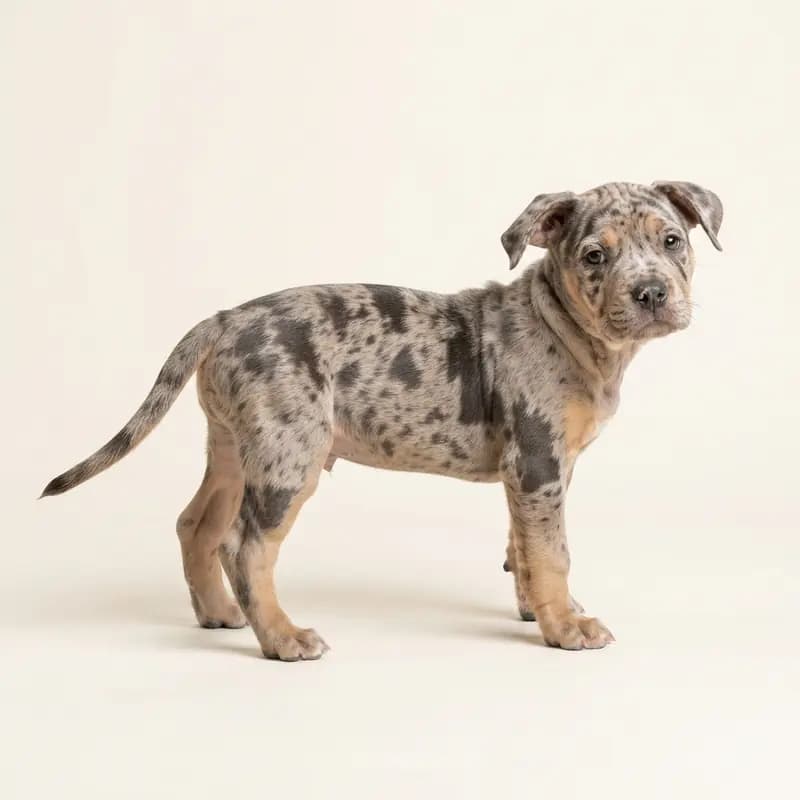
What colors does the American Bully come in?
The coat colors you will see in American Bully litters — including which ones fall outside the breed standard and which carry genetic risk.
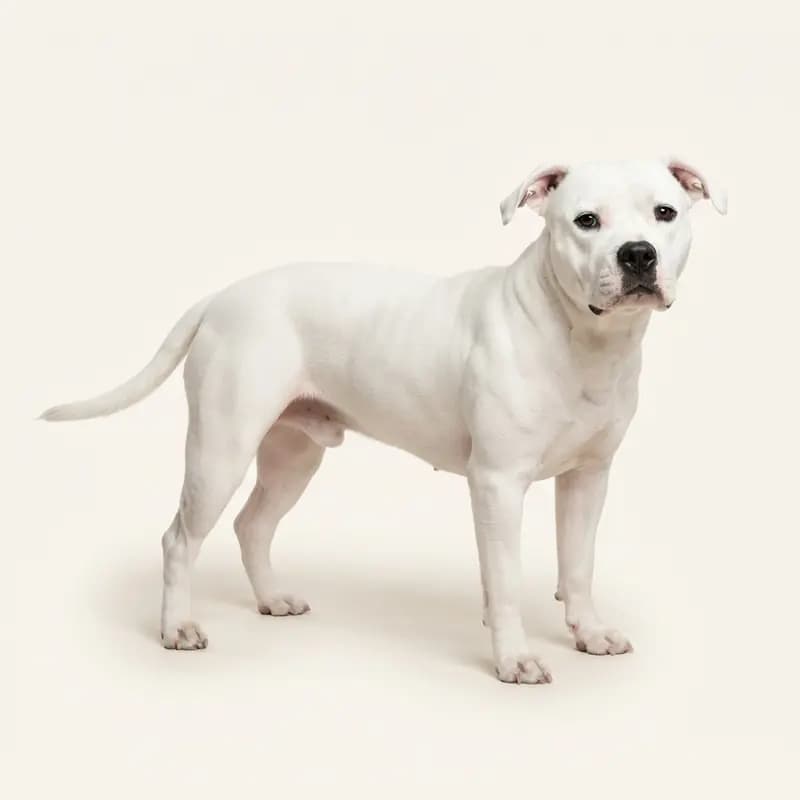
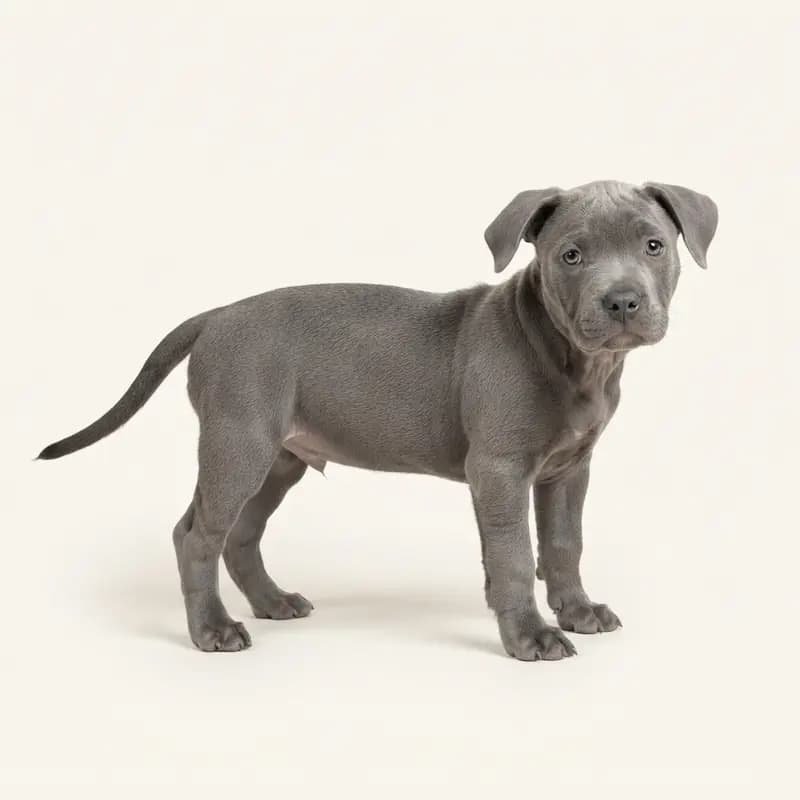
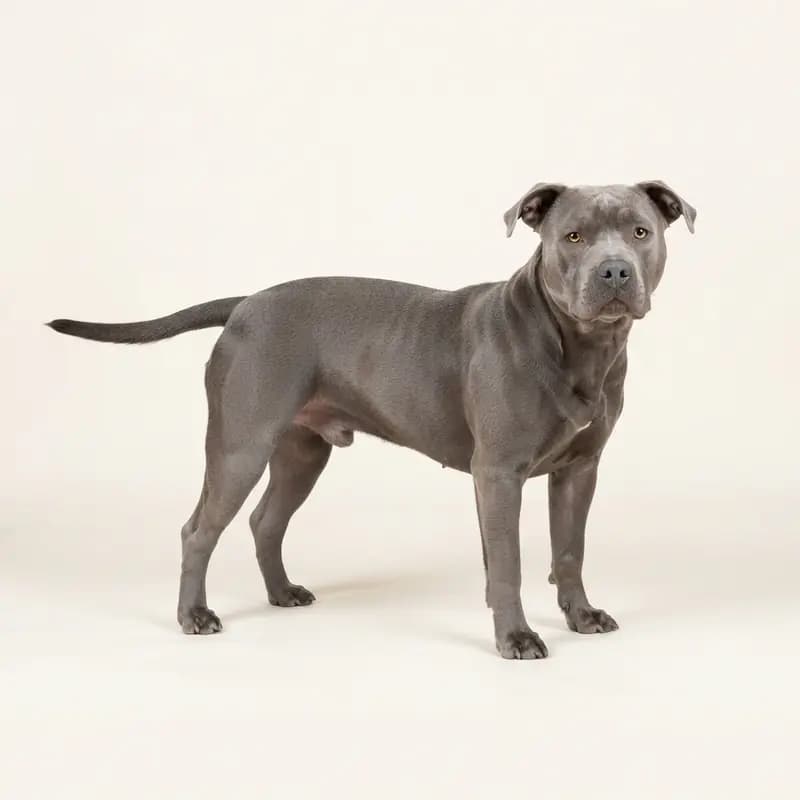
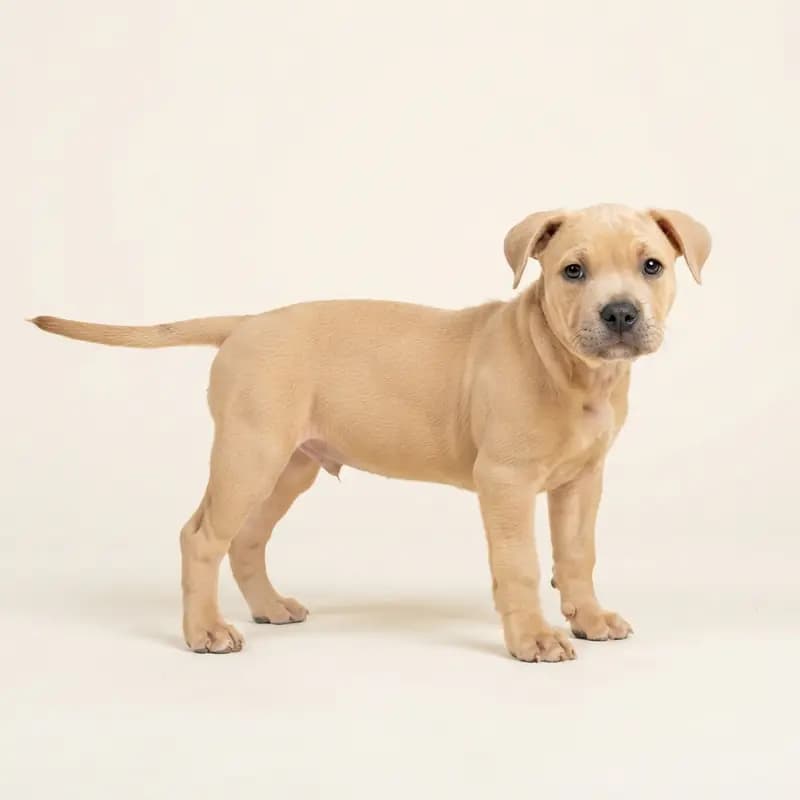
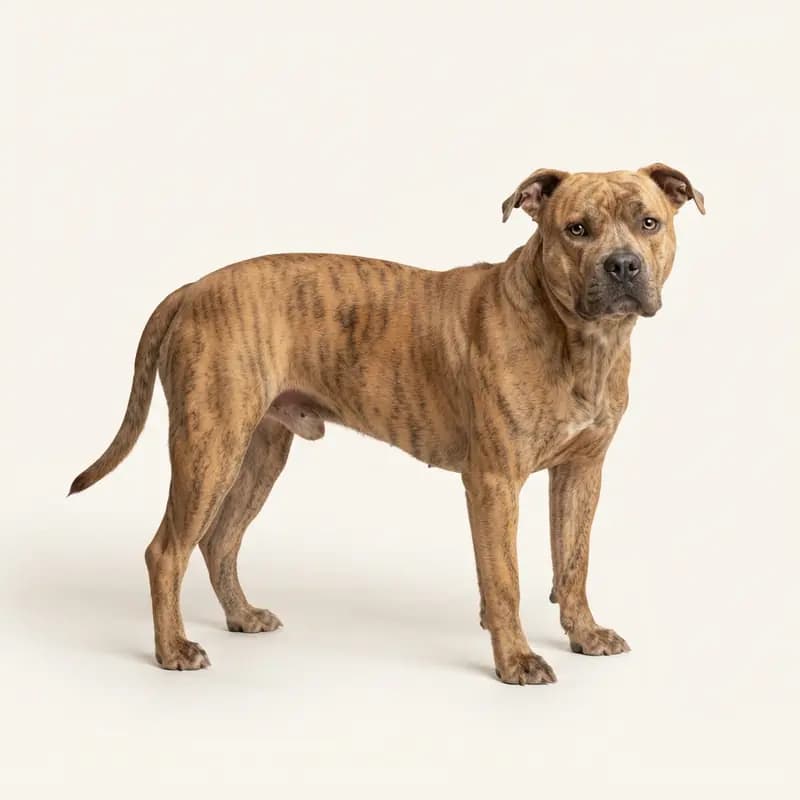
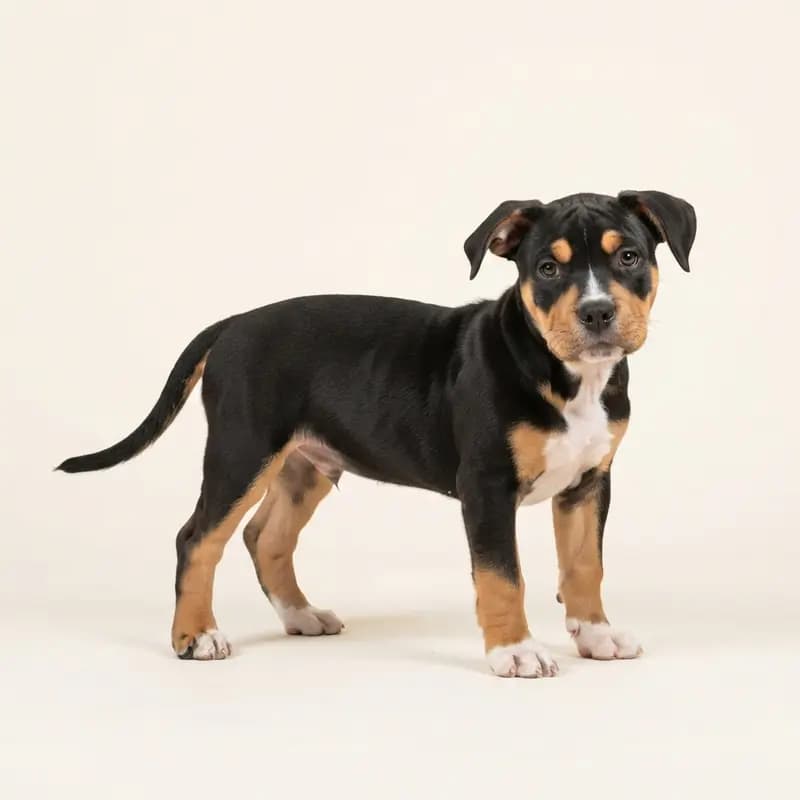
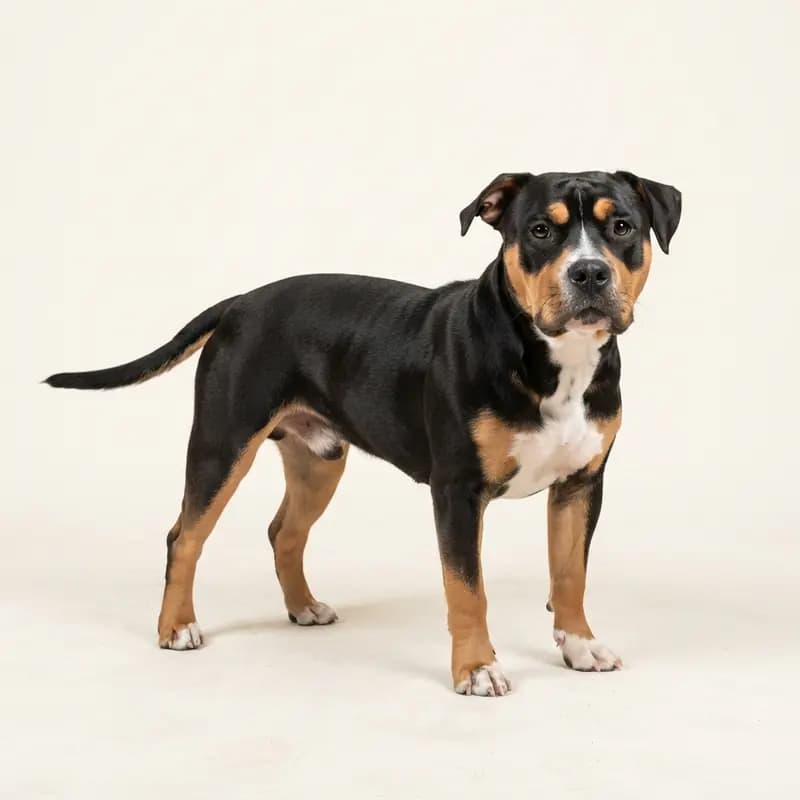
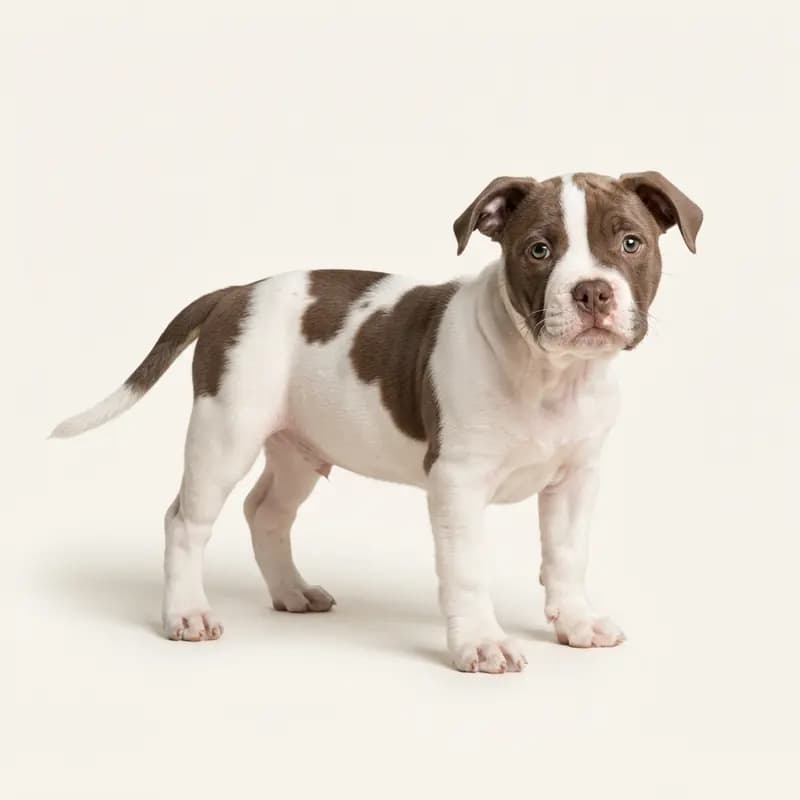
Eye colors
 Brown
Brown Amber
Amber Blue
Blue Green
Green Odd-eyed
Coat type
 Short
Short Smooth
Is the American Bully right for you?
The American Bully is an extremely affectionate, massive bull-type companion dog—bred to combine the appearance and power of its ancestors with the gentle temperament of a true family dog. A powerhouse that would prefer to sleep on your lap.
Perfect for you if:
- You are a confident and calm leader, because with this much raw power, physical force won't get you anywhere.
- You are looking for a cozy companion for moderate walks rather than an endurance jogging partner.
- You want a dog that is extremely people-oriented and soaks up every bit of affection like a sponge.
- You ideally live on the ground floor or have an elevator, as these dogs are too heavy to be carried up stairs every day.
Less ideal if:
- You expect your dog to love every stranger at the dog park—bull-type genetics often come with a certain intolerance toward other dogs.
- You don't want to deal with bureaucratic hurdles, breed-specific legislation, or judgmental looks from neighbors who are intimidated by his appearance.
- You are looking for a light-footed athlete for agility or hours of mountain hiking.
The real vibes check
An American Bully is like a bodybuilder in a velvet suit: he looks like he could tear down walls, but really just wants to cuddle with you on the sofa. His physical strength is very real, however, and requires an owner who can safely handle that weight both mentally and physically in any situation. You aren't getting an aggressive monster, but a massive heart on four short legs.
Self-check
Would the American Bully really fit your life?
Answer 6 quick questions about your everyday life and see how well the American Bully fits you — including an honest cost estimate per month, per year, and across the dog's lifetime.
Fit checkCost estimateRisk dice
Takes about 1 minute · free & anonymous
Breed Profile
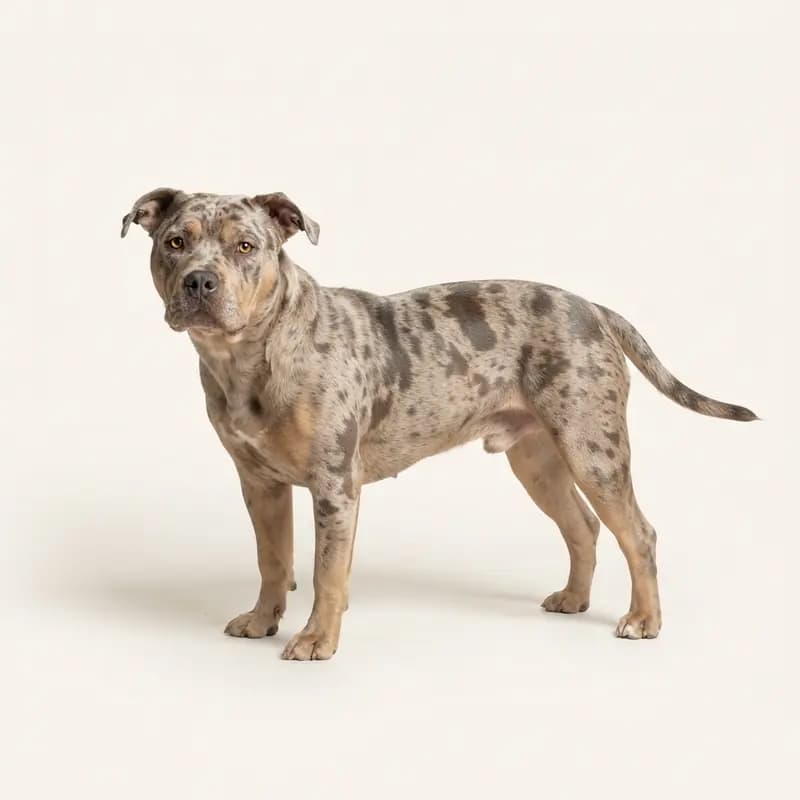
The American Bully is a medium-sized dog breed that combines impressive muscle mass with a loving and friendly temperament. It is robust, with a powerful, square head and a strong jaw. The eyes are set wide apart and can be any color except blue. The ears are set high and can be cropped or natural. The American Bully breed is not recognized in the FCI, but is one of the so-called "Bully breeds" and was mainly bred in the USA. There are four different size classes: Pocket, Standard, Classic and XL. Regardless of size, every American Bully is well proportioned and extremely athletic. There is no separation between performance and show lines in this breed as the breeding focus is on temperament and physical endowment.
All measurements in detail
- Height
- 33 - 48 cm (Female), 38 - 51 cm (Male)
- Weight
- 13 - 40 kg (Female), 15 - 57 kg (Male)
- Life Expectancy
- 10 - 12 yrs
- Character
- Friendly, calm, loyal
- Coat
- Short, smooth, without undercoat
- Coat Color
- All colors and color combinations, except Merle
- Price
- 1500 - 3000 €
Character & Temperament
The American Bully is known for its friendly and even-tempered temperament. Although he has an athletic appearance that is often mistakenly associated with aggression, the American Bully is actually an extremely loving and people-oriented dog. He loves spending time with his family and is known to be particularly good with children. Breeding the American Bully focuses less on working skills and more on the dog's temperament. Compared to its ancestors, the American Staffordshire Terriers and Pit Bull Terriers, the American Bully is less active and requires less exercise. This makes him a great companion dog for people who have a less active lifestyle or are looking for a dog that is happy to relax and enjoy life. The American Bully is an extremely loyal and loyal dog. He is generally good with other dogs and pets as long as he is properly socialized. He can be vigilant and will protect his family if he believes they are being threatened, but he should not be aggressive. Although the American Bully is a calm and easy-going dog, it is important to remember that he still needs daily exercise and mental stimulation. While some Bullies enjoy playing and running around, others are happier when they can take a comfortable nap. The American Bully rarely exhibits strong hunting or prey-catching behavior, although there can always be exceptions. He typically has medium to low energy and a preference for games and activities that rely less on speed and endurance and more on strength and agility. With his deep attachment to people, the American Bully can have difficulty staying alone, especially if he is not used to it. It's important to introduce him to being alone slowly and gently and make sure he has enough to do to prevent boredom and separation anxiety. Each American Bully is an individual and while these descriptions give a general idea of the breed, each dog can be different. A good breeder will be able to tell you more about the specific character and personality of the puppy you are considering. It's important to choose the right puppy for your lifestyle to ensure that both you and your new four-legged friend are happy and content. The American Bully can be a wonderful family dog and a loyal companion. He has an unwavering love for his people and will do anything to make his family happy. With the right training and care, the American Bully will be a loyal friend and protector who will stay by your side throughout his life.
| Trainability Willing to learn with clear rules and regular training. | Balanced |
| Watchfulness Reports unusual activity but stays controlled. | Moderate |
| Openness to Strangers Warms up quickly and is generally welcoming. | Friendly |
| Hunting or Herding Drive Mild interest in movement and small animals — easily managed. | Low |
Fun Fact!
Despite their muscular and intimidating appearance, American Bullies are often cuddly dogs and love to lie on their owners' laps! Their friendly and loving nature is in stark contrast to their robust appearance.
What Awaits You
The American Bully is a muscular and confident dog that impresses with its friendly and balanced nature. It is very people-oriented and well-suited as a family dog. Despite its powerful appearance, the American Bully is usually calm and patient but requires consistent training and sufficient activity. The breed is characterized by its loyalty and protective instinct, without being aggressive.
Housing & Care
American Bullies can live well in both the city and the country. They are generally quiet indoors and can cope with a small garden or even an apartment as long as they get regular walks and exercise. They make excellent family dogs and generally get along well with children. They are known for their patience and love of children, but as with any breed, interaction between dogs and small children should always be supervised. This breed can also get along well with other pets provided it has been properly socialized. However, it is always important to introduce any new dog to other pets in the household slowly and under controlled conditions.
- Family Friendly
Lives for its family — the born family companion.
Ideal family dog - Child Friendly
Takes boisterous and affectionate children in its stride.
Patient with children - Dog Friendly
Usually gets on fine with other dogs.
Generally tolerant - City Friendly
Adapts well to city living and urban environments.
Well-suited to city life
Owning a dog is a privilege, but it's also a real responsibility. Before you bring one into your life, be honest with yourself about the commitment it takes.
Training & Education
American Bullies are intelligent and learn quickly, but can also be stubborn. Positive reinforcement works best and they respond well to rewards and praise. Early socialization and obedience training are crucial for this breed to ensure they grow into well-adjusted and well-behaved adults. This breed has moderate energy and can enjoy activities such as games of tug and fetch, agility, or even weight pulling. It is important to ensure that the dog is not over-employed or over-stressed. Frustration tolerance and impulse control are important skills to train in this breed. Due to their strong build and endurance, they might tend to be "ball junkies." to be, therefore this game should take place in doses and under control. Because they can have a tendency to be protective, it is important to show them from the start that visitors and strangers are not a threat.
Nutrition & Care
An American Bully needs a balanced diet that contains enough proteins and fats for his active and muscular physique. Being overweight can lead to health problems, so it is important to monitor food intake and ensure the dog gets enough exercise. Some American Bullies can have food allergies, so you should watch for possible signs of allergies such as itching, rashes, or gastrointestinal problems. The American Bully has a short, shiny coat that requires little grooming. A weekly brushing should be enough to keep the coat clean and healthy. This breed sheds averagely and has no undercoat. American Bullies can be sensitive to extreme cold or heat, so they should be protected accordingly. In Germany, a coat should be considered in winter.
| Care Level Minimal effort — occasional brushing and bathing. | Low-maintenance |
| Exercise Needs Needs several hours of serious exercise every day. | Very active |
| Shedding Regular shedding — dog hair on clothes is now normal. | Moderate |
| Trainability Willing to learn with clear rules and regular training. | Balanced |
Our experts are still reviewing this information. Spotted something wrong? Email us at info@honestdog.de.
Health & hereditary diseases
Health
D
Elevated risks
Health grade
The American Bully carries a significant risk of serious health problems, particularly due to Brachycephalic Obstructive Airway Syndrome (BOAS), which can severely impair breathing, as well as degenerative joint diseases such as Hip Dysplasia (HD) and Elbow Dysplasia (ED). A responsible breeder actively counteracts this by having their breeding dogs undergo comprehensive health screenings and only mating healthy dogs. When buying, make sure you are presented with official results for Hip Dysplasia (HD) with an FCI A or B result, and for Elbow Dysplasia (ED) with ED 0 or 1. In addition, you should look for evidence showing that the parent dogs are free from Brachycephalic Obstructive Airway Syndrome (BOAS) and proving via genetic tests that they are free from Neuronal Ceroid Lipofuscinosis (NCL) and Hyperuricosuria (HUU) – although a carrier status for these hereditary diseases is only acceptable if the other partner is proven to be completely free.
Grade is relative to other breeds — AI-assisted and editorially reviewed.
In daily life this can mean
You should keep their weight strictly low, avoid heat and overexertion, and honestly budget for higher veterinary costs for joint or heart screenings.
The breeder's role
Responsible breeders have hips, elbows, knees, hearts, and temperament tested and ensure clear airways—though the fundamental risks of this breed cannot be completely eliminated even with the best care.
Note: This health overview is AI-assisted and editorially reviewed. It is for orientation only and does not replace veterinary advice.
No Health Tests Available
No specific health tests are currently available for this breed.
Costs & where to find one
How much does a American Bully cost?
A American Bully costs around ~€200 per month (€100 – €370, depending on your setup). The first year adds up to roughly ~€5,420 including purchase, equipment and puppy school; across the dog's life (11 years) it comes to about ~€28,870.
With surgery cover, running costs come to about ~€200 per month — in return, your share of a major operation drops from several thousand euros to around 20 percent.
Per month
~€200
In the first year
~€5,420
Across the dog's life
~€28,870
Purchase from a breeder: €1,500 – €3,000
Estimate at a mid-range setup (suburban, dry food, 1–2 hours of daily exercise), average German prices, as of July 2026.
Calculate your personal costs1-minute self-check with your own answers
Looking for a American Bully?
Appearance, variants & origin
History
The full history
The American Bully breed emerged in the United States in the 1980s and 1990s. The exact origins are somewhat controversial, but it is generally believed that the American Bully originated from crossing American Staffordshire Terriers and American Pit Bull Terriers, with possibly some other bulldog breeds in the mix. The breed was bred to create a companion dog with the athletic appearance of the Pit Bull Terrier, but with a more relaxed and friendly temperament. In 1990, Dave Wilson founded the Razor's Edge Bloodline, which is considered one of the most well-known and influential bloodlines in American Bully breeding. In 2004, the American Bully Kennel Club (ABKC) was founded to recognize the breed and set standards for its appearance and temperament. The breed is still relatively young and work continues to establish and refine the breed standard. The American Bully is not recognized by the FCI or the AKC, but is recognized by some other organizations such as the United Kennel Club (UKC) and the ABKC.
Original Use
The American Bully was bred to be a companion dog with a friendly nature, based on the American Pit Bull Terrier and other bull breeds.
Origin
USA
Date
1990
Owner experiences
What owners say about the American Bully
Zusammengefasst aus öffentlich geteilten Halter-Erfahrungen
Viele Halter beschreiben den American Bully im familiären Umfeld als extrem anhänglichen, verschmusten und gutmütigen Begleiter. Im Haus zeigen sich viele Bullys als ruhige „Couchpotatoes“, die die Nähe ihrer Menschen suchen. Trotz ihres muskulösen Aussehens wird ihr Grundwesen von ihren Besitzern oft als sehr sanftmütig und kinderlieb wahrgenommen.
Die größte Herausforderung im Alltag ist jedoch häufig nicht der Hund selbst, sondern die Reaktion der Umwelt und die rechtliche Lage. Da der American Bully in vielen deutschen Bundesländern aufgrund seiner Abstammung (wie dem American Staffordshire Terrier) als Listenhund eingestuft wird, berichten Halter von strengen behördlichen Auflagen, Wesenstests und deutlich erhöhten Hundesteuern. Auch im Alltag stoßen Besitzer immer wieder auf Vorurteile, misstrauische Blicke oder offene Ablehnung bei Spaziergängen, weshalb eine dicke Haut und ein verantwortungsvoller Umgang mit der Außenwirkung unerlässlich sind.
Zusammengefasst aus öffentlich geteilten Halter-Erfahrungen
In Erfahrungsberichten wird immer wieder betont, dass der American Bully kein klassischer Anfängerhund ist. Halter berichten häufig von einer ausgeprägten Sturheit, besonders während der Pubertät. Bullys hinterfragen Kommandos gerne und zeigen phasenweise einen ausgeprägten Eigensinn, der eine geduldige, aber absolut konsequente Führung erfordert.
Ein weiterer zentraler Punkt in der Erziehung ist die enorme physische Kraft der Rasse. Da vor allem die größeren Varianten wie der XL Bully sehr massiv und stark werden, weisen erfahrene Halter darauf hin, wie wichtig eine frühzeitige Leinenführigkeit und Sozialisierung sind. Ein ungezogener Bully, der mit voller Kraft in die Leine springt, ist im Alltag kaum zu bändigen. Eine liebevolle, aber konsequente Erziehung von Welpenbeinen an ist daher Pflicht, um den Hund sicher und entspannt durch den Alltag zu führen.
Zusammengefasst aus öffentlich geteilten Halter-Erfahrungen
Das Thema Gesundheit ist unter American-Bully-Haltern und Experten ein hochemotionales und viel diskutiertes Thema. Während moderat gebaute Hunde oft agil sind, berichten viele Besitzer von teils schweren rassetypischen Krankheiten. Besonders häufig werden hartnäckige Hautprobleme und Allergien (etwa gegen bestimmte Proteine im Futter) genannt, die eine lebenslange Spezialernährung erfordern.
Zudem steht die Rasse aufgrund extremer Zuchttrends stark in der Kritik. Viele Halter und Tierschützer warnen vor sogenannten „Exotic“- oder extremen „XL“-Linien, die oft unter schweren Gelenkproblemen wie Hüft- und Ellbogendysplasie leiden. Auch Atemnot (BOAS) durch zu flache Schnauzen und Augenprobleme wie das „Kirschauge“ treten vermehrt auf. In Foren wird daher eindringlich dazu geraten, beim Kauf extrem genau auf die Zucht zu achten, da unüberlegte Käufe oft in jahrelangen, kostspieligen Tierarztbehandlungen enden.
Paraphrased from real owner reports
Loading owner stories
Community Posts
FAQ & more
Frequently asked questions about the American Bully
Is a American Bully the right dog for me?
The American Bully is an active dog that needs plenty of exercise and mental stimulation. Research the temperament, grooming needs, and space requirements before deciding.
How long does a American Bully live?
The average life expectancy of a American Bully is 10-12 years. With proper care and regular vet visits, your dog can live a long, healthy life.
How much grooming does a American Bully need?
American Bully grooming requirements include regular brushing, nail trimming, and dental care. HonestDog provides detailed grooming tips for every breed.
Is a American Bully good for families with children?
The American Bully can be a great family dog. Proper training and socialization are key. HonestDog provides family suitability information for every breed.
What colors does the American Bully come in?
The American Bully comes in these colors: Black, White, Blue, Fawn, Red, Brown, Chocolate, Brindle, Tricolor, Piebald, Black and tan, Merle. Colors that fall outside the breed standard are marked as such on the breed page.
Loading related articles
Are you a American Bully breeder?
Showcase your kennel on HonestDog and reach families searching for a responsibly bred American Bully.
Why HonestDog?
What makes HonestDog different from other platforms
Full transparency
We lay out what we have: who the breeder is, how they work, and any health records they've uploaded. So you can judge for yourself.
Responsible breeding, assured
Every breeder on HonestDog has their identity and documents checked before their profile goes live. Health records they upload are shown on the profile, so you can see exactly what has been tested.
Trust and verification
We verify breeders and buyers alike, so every conversation happens on solid ground. It's a new standard of trust in dog breeding.
Less hassle, more time
We've already checked the breeders' documents and gathered the details, so you can skip the endless research and focus on finding the right puppy for your family.
Our Mission

We connect dog lovers with responsible breeders and shelters to ensure every dog finds the perfect home.
Founded by dog enthusiasts, our platform focuses on ethical dog breeding and adoption.
Why HonestDog?
We connect you with vetted breeders and shelters so you can find your — your new companion — with confidence.
Vetted Partners
Only verified breeders and shelters — for a safe start.
Highest Standards
Every animal's health and wellbeing is our top priority.
Guides & Resources
Guides, checklists, and breed profiles — so you can make a well-informed decision.