Loading breed
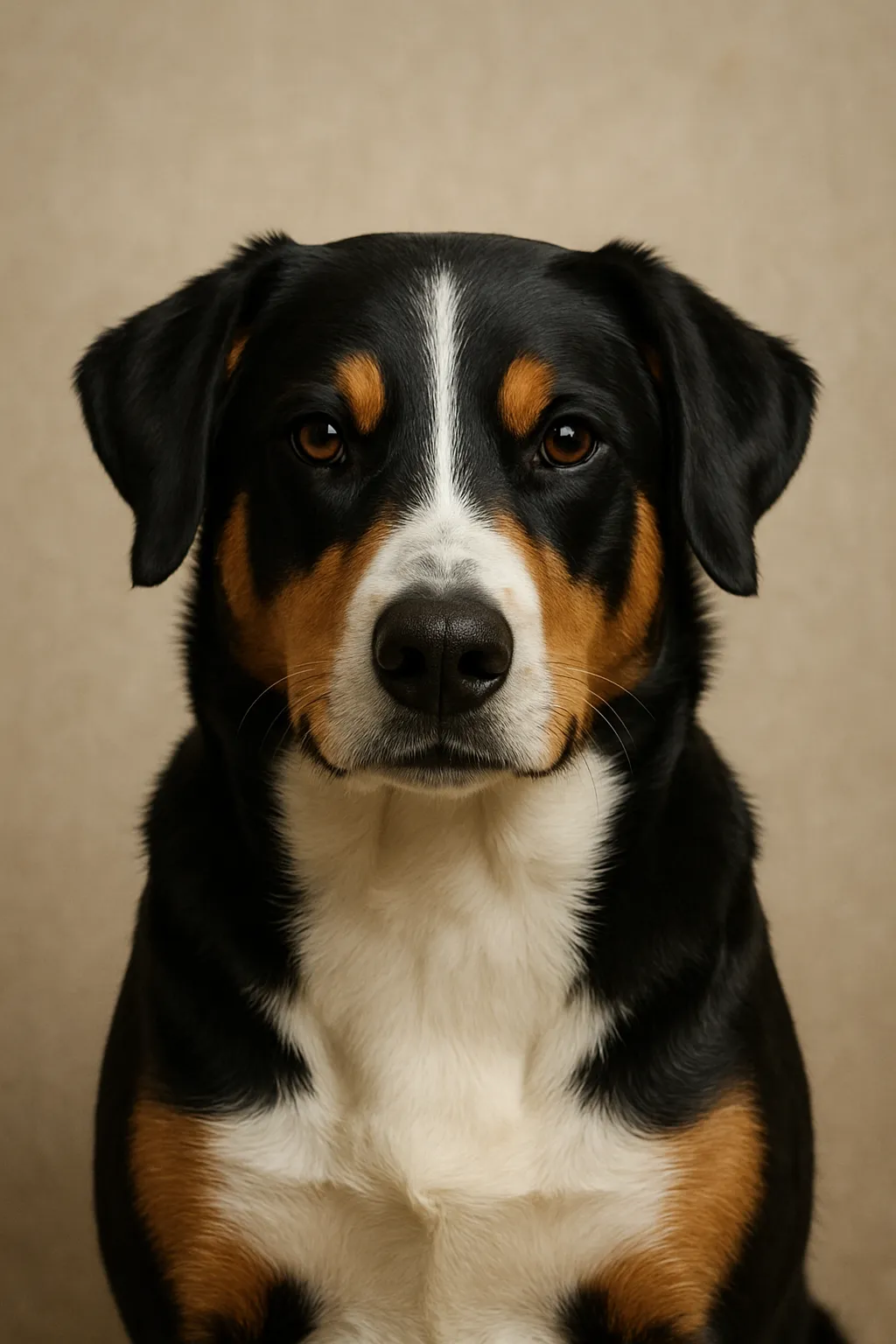
Alpine Herding Dog
Health grade BThe Alpenhütehund is a tireless, territorial worker—bred as a robust Hütehund (herding dog) and Treibhund (drover dog) that independently guides livestock in rugged mountains and guards farms. However, this rustic work ethic means he has absolutely no interest in urban politeness.
- Height50–65 cm
- Weight20–32 kg
- Life expectancy12–15 yrs
- Puppy price1,500–2,500 €
- Energy4/5
The Essentials at a Glance
The Alpenhütehund is a tireless, territorial worker—bred as a robust Hütehund (herding dog) and Treibhund (drover dog) that independently guides livestock in rugged mountains and guards farms. However, this rustic work ethic means he has absolutely no interest in urban politeness.
- Health grade B: With six mandatory health tests, the Alpenhütehund shows an above-average genetic burden compared to the breed average.
- You can provide real, demanding tasks in nature every day—as a pure companion dog without a job to do, this highly specialized working breed will wither away.
- You live in a rural area, ideally with a large property where he can exercise his territorial instincts in a controlled manner.
- You expect him to greet visitors joyfully—he has been selected over generations to keep strangers at a distance and vocally announce his territory.
Is the Alpine Herding Dog right for you?
At a glance
Alpine Herding Dog overview
The essentials — key facts, traits, and health priorities — before you dive deeper.
Health grade
Relative to other breeds
S
A
B
C
D
E
Very healthyHigher risk
Solid — a handful of items a good breeder watches.
See full health info & tests →
Note: This health overview is AI-assisted and editorially reviewed. It is for orientation only and does not replace veterinary advice.
Lifespan
12–15 yrs
Height
50–65 cm
Weight
20–32 kg
Practical
- Puppy price: 1,500 – 2,500 €
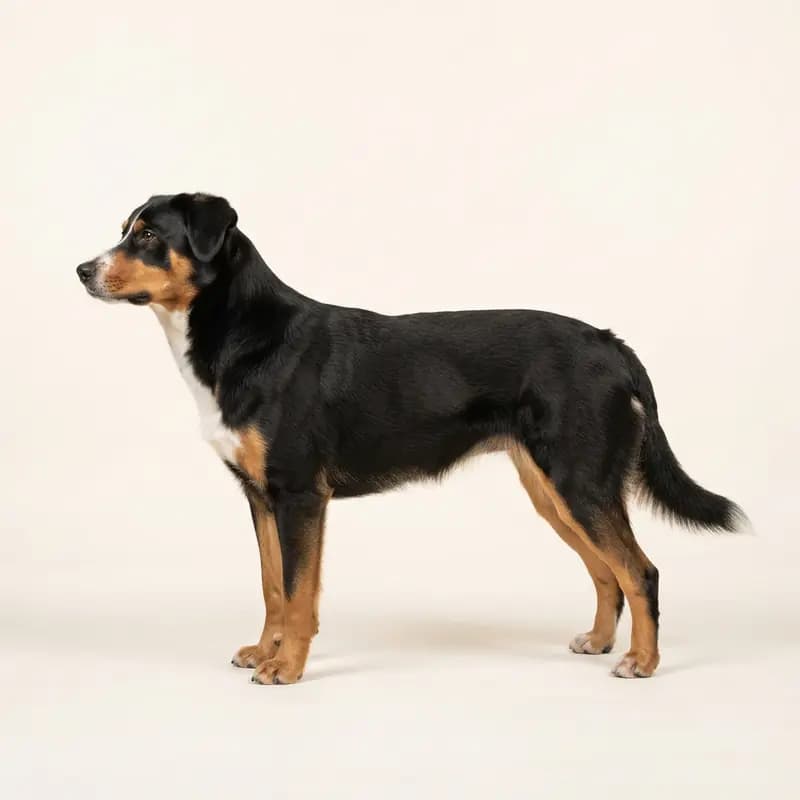
- Coat: Short, dense, without undercoat
- Origin: Switzerland
Temperament
Energy
Trainability
Family fit
With kids
Daily life
Care effort
Shedding
Barking
City-friendly
Guard instinct
What matters most
Especially with a Alpine Herding Dog, choosing the right breeder is the single most important decision you'll make. Serious breeders consistently test the parents for inherited conditions, prioritize healthy early socialization, and stay accountable long after handover. A cheap puppy without health screening tends to become the most expensive dog later on.
See HonestDog breeder standards →Colors & coat
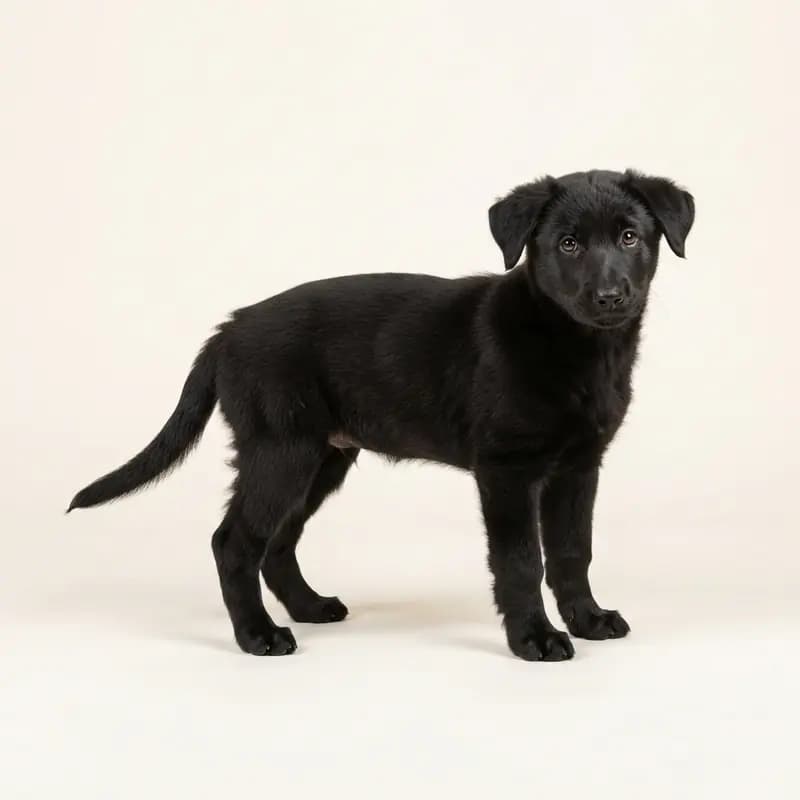
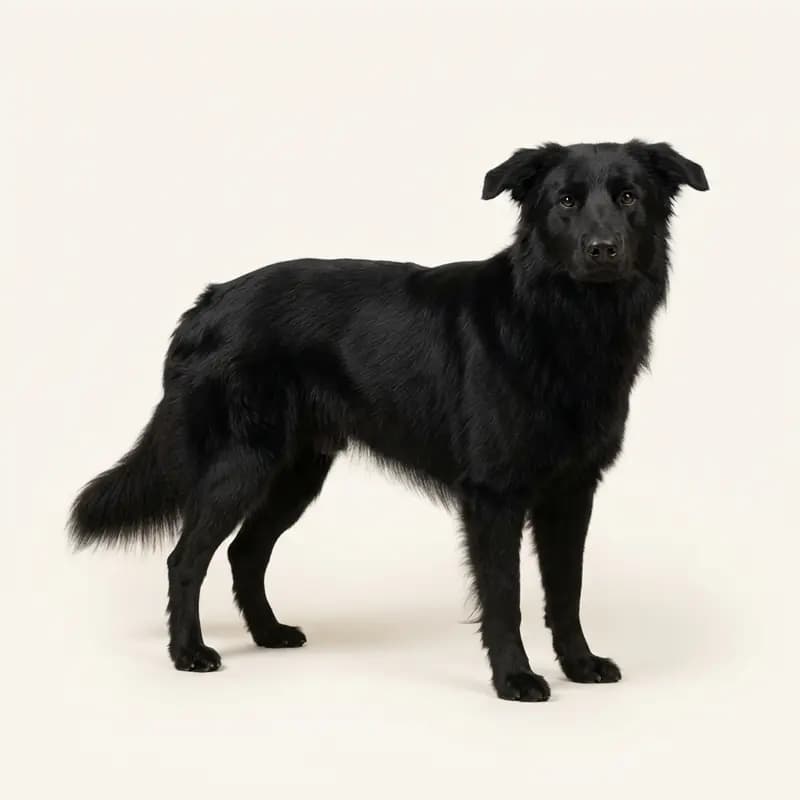
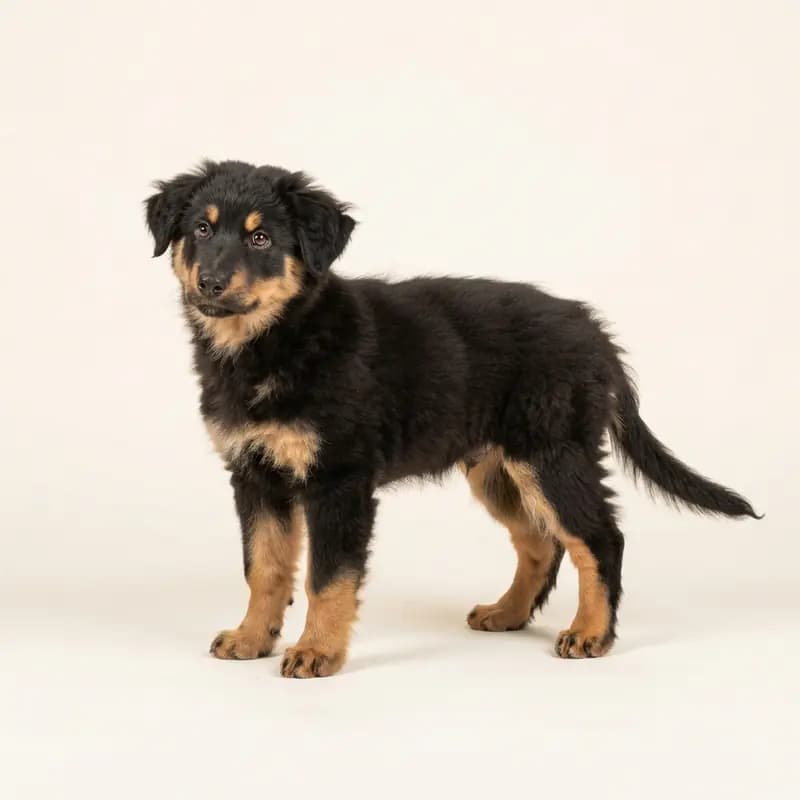
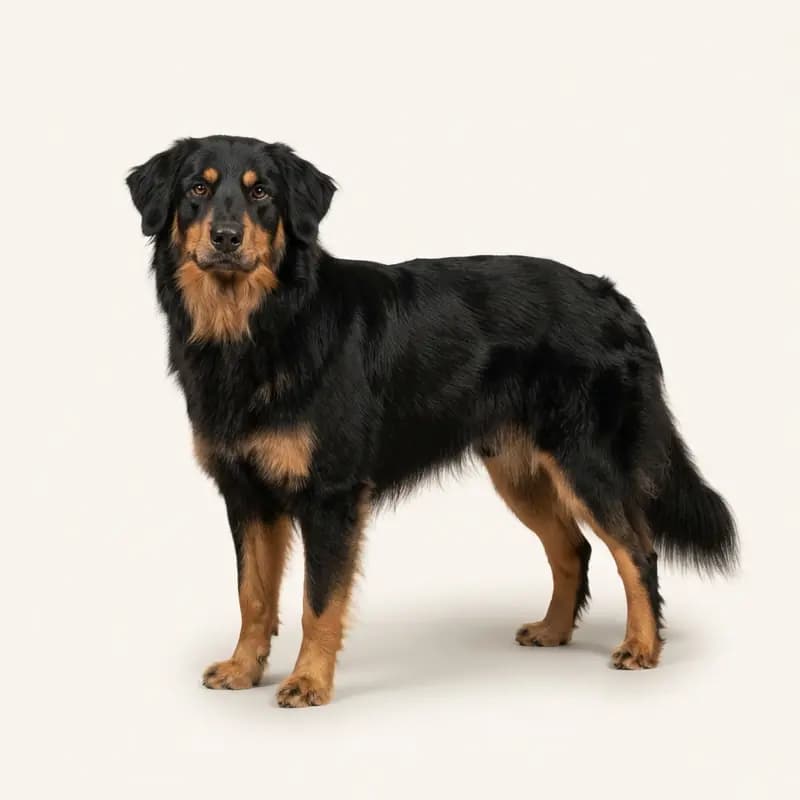
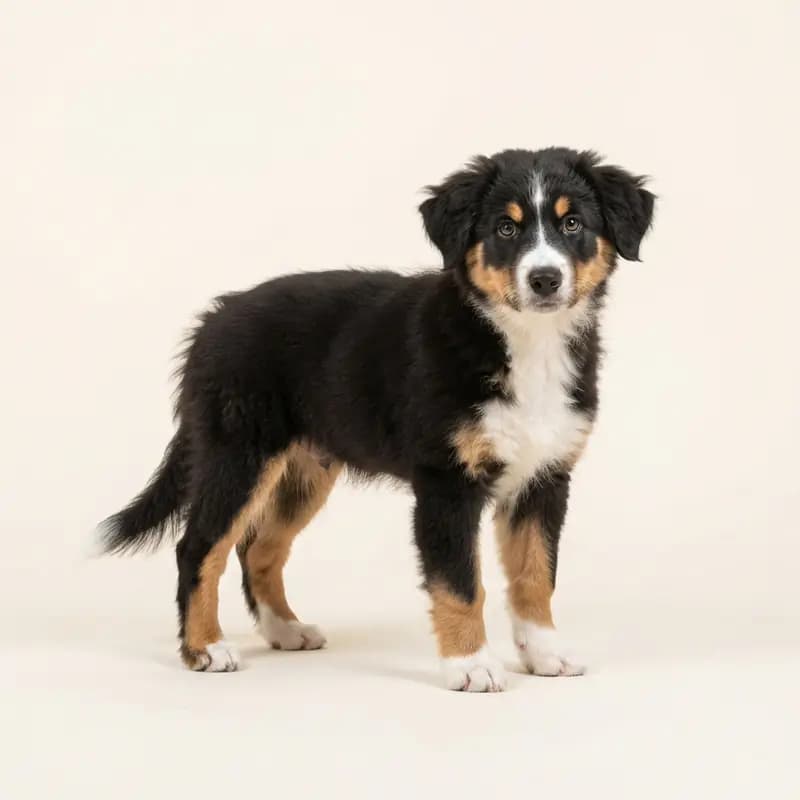
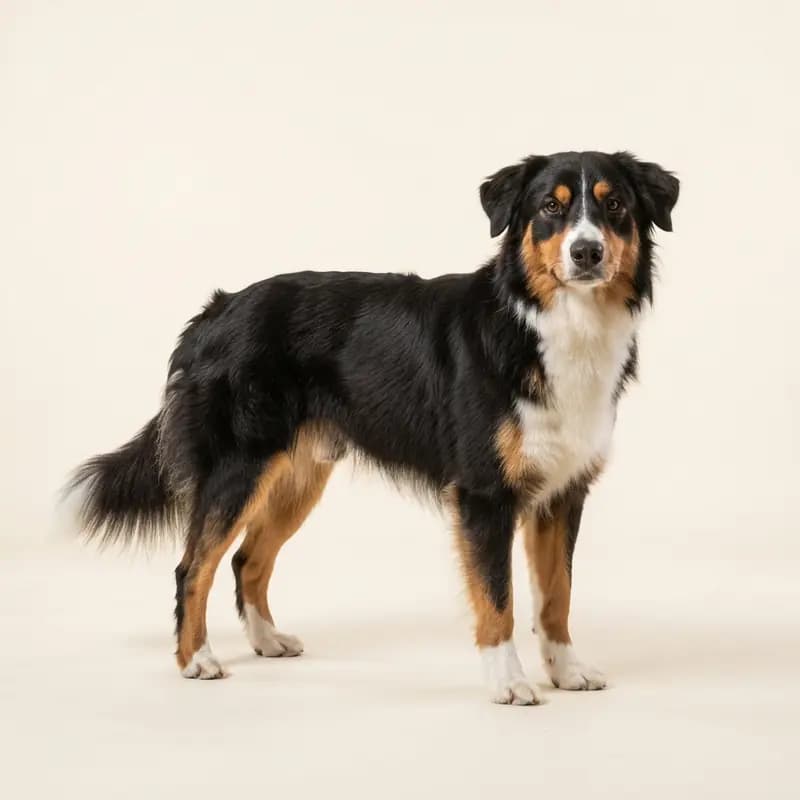
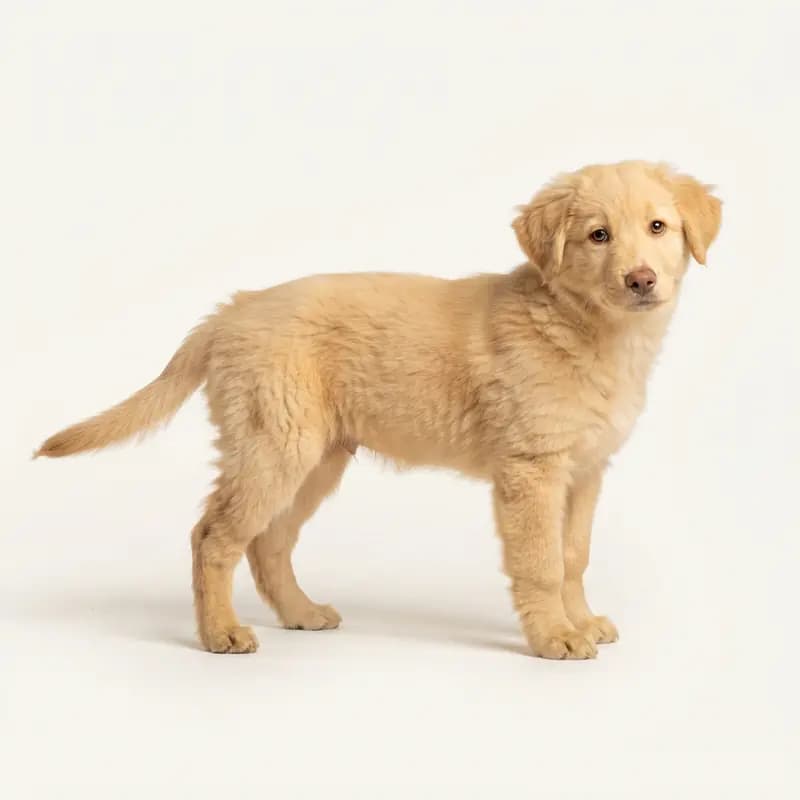
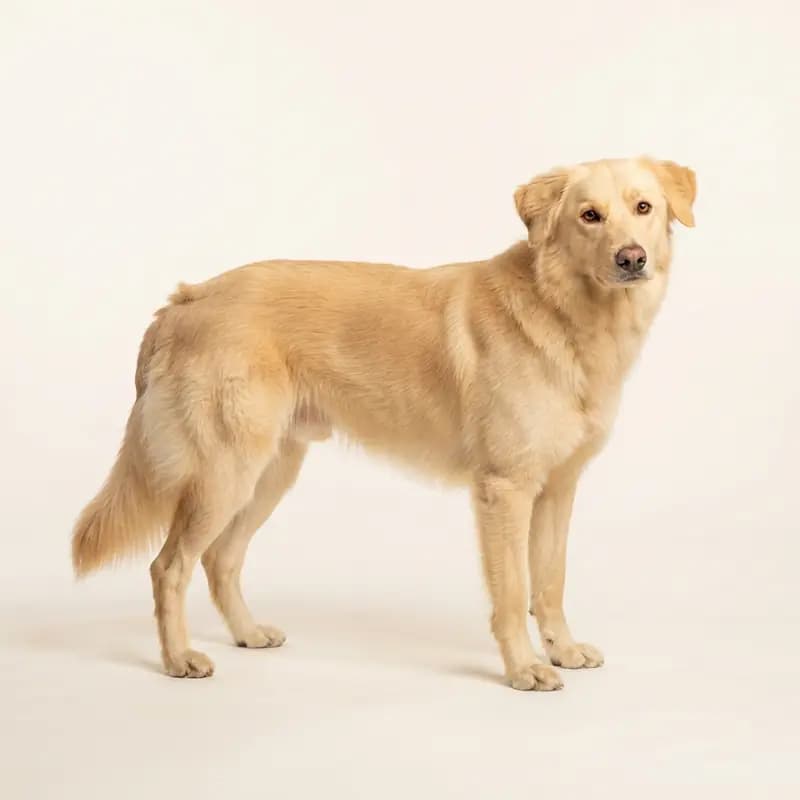
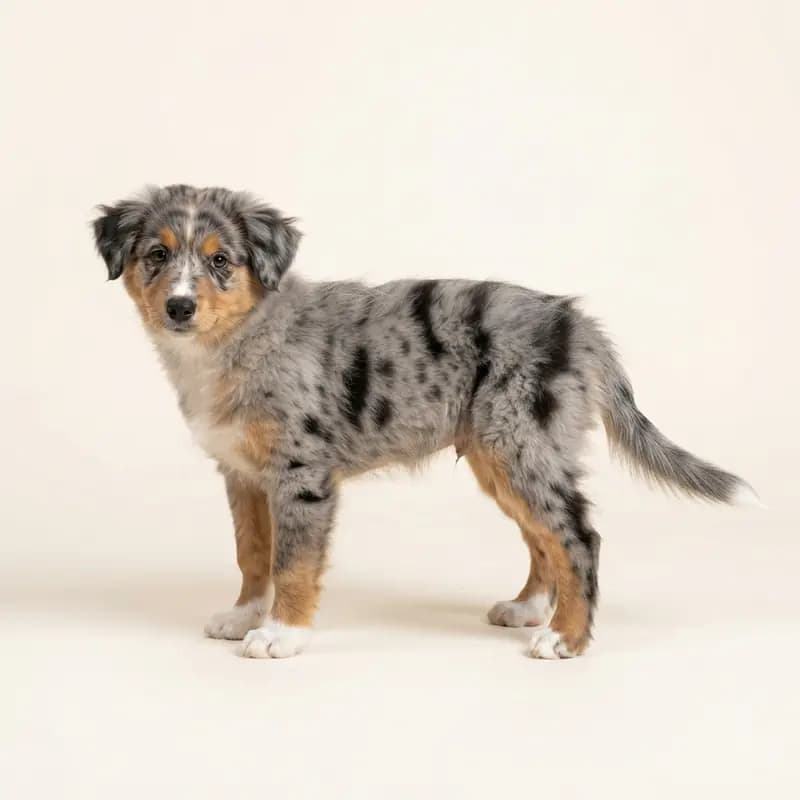
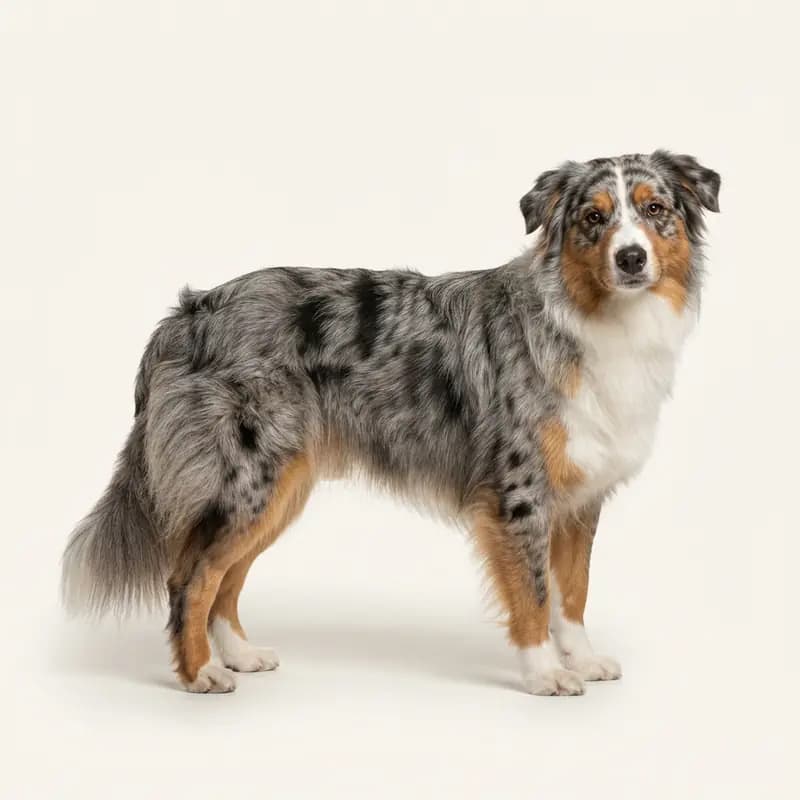
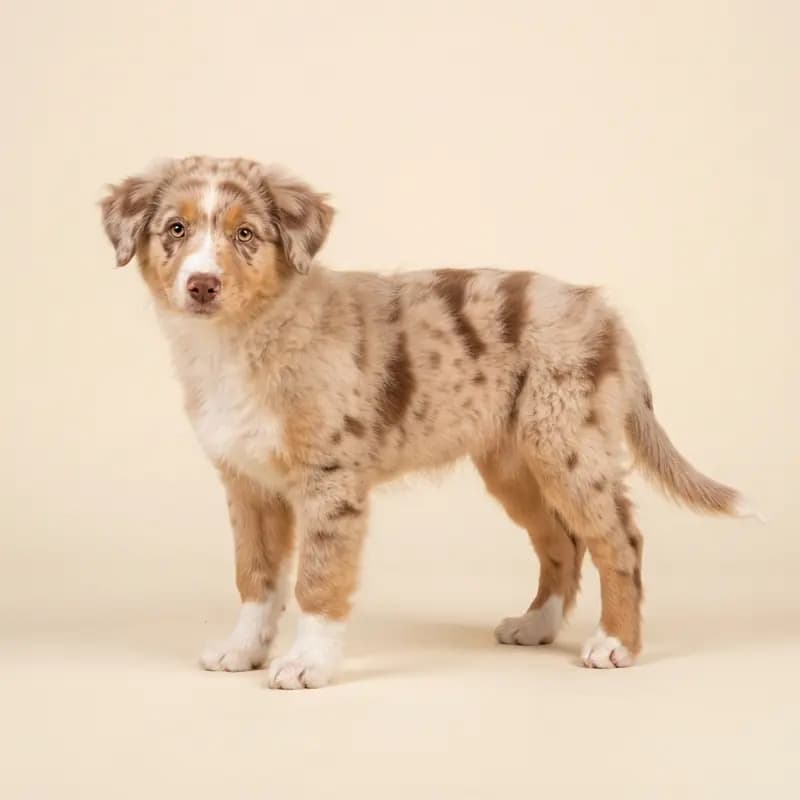
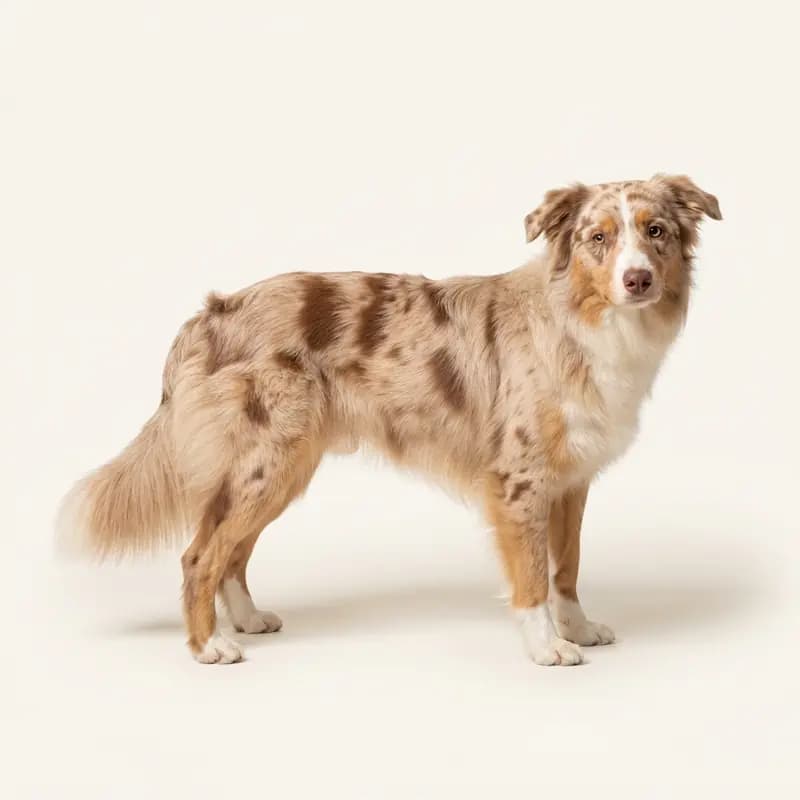
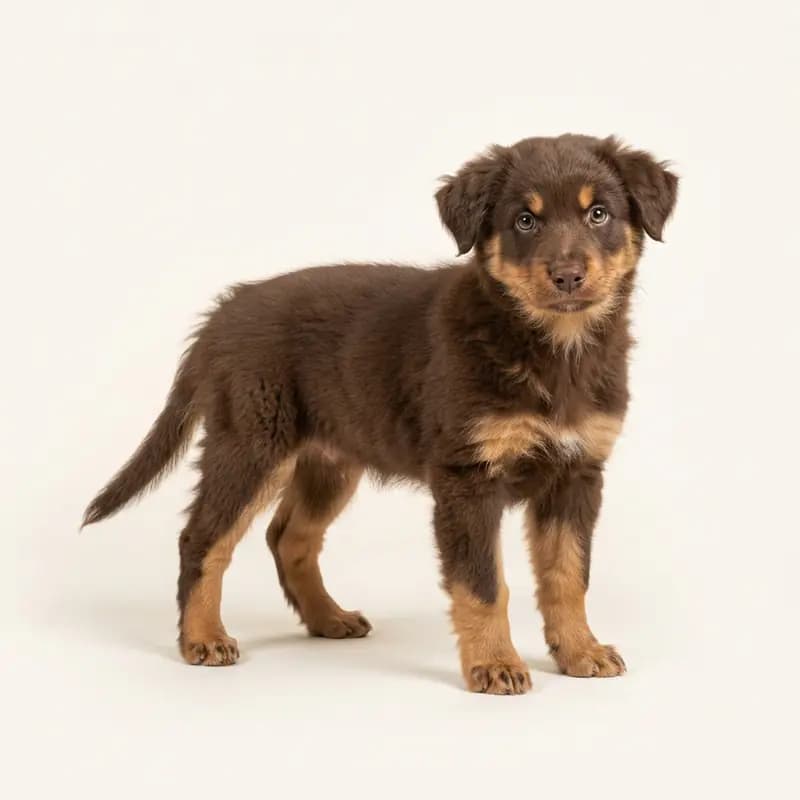
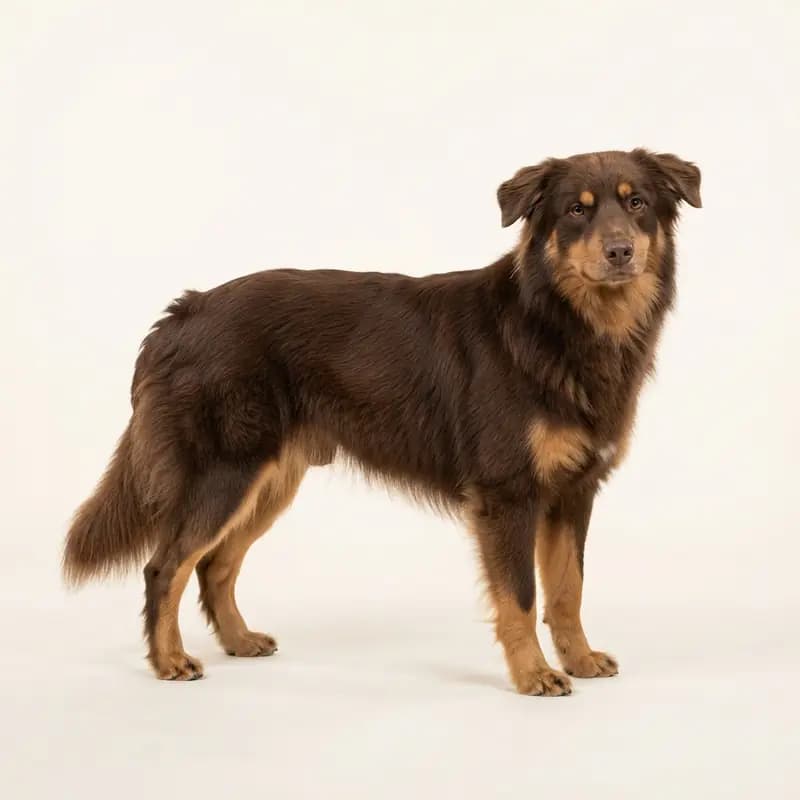
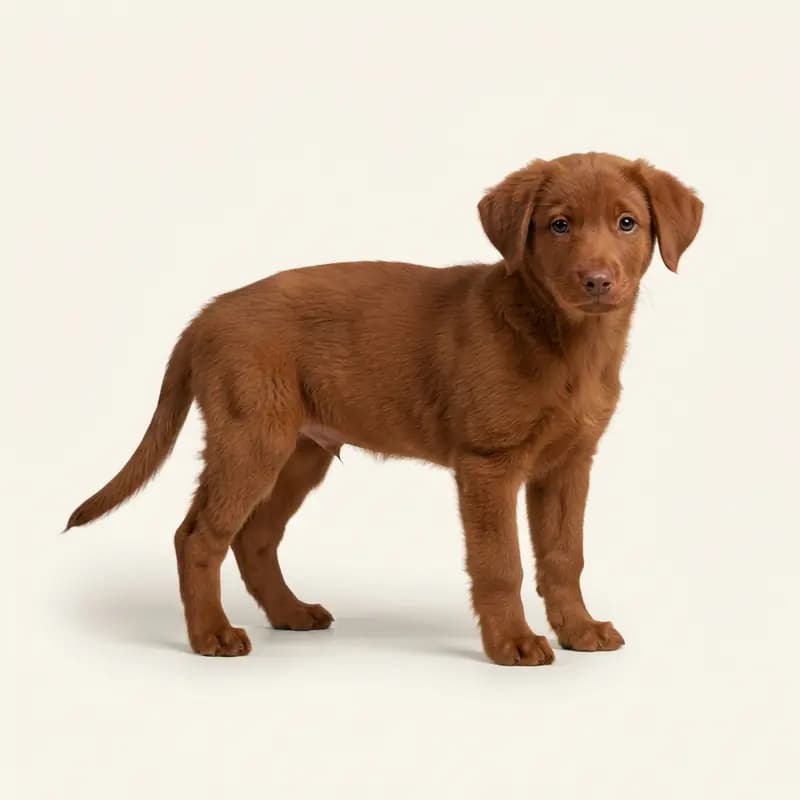
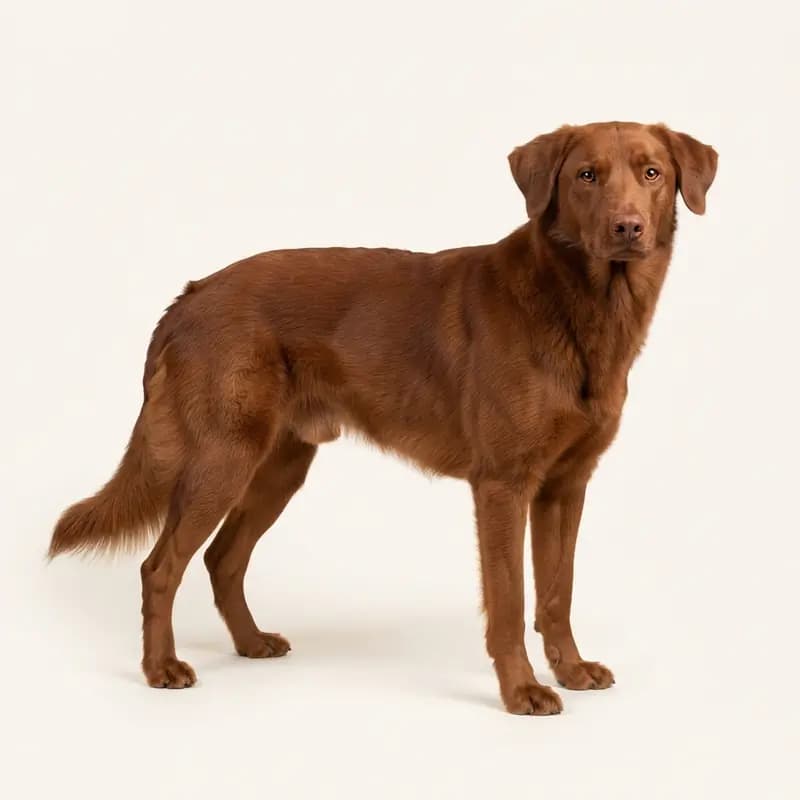
What colors does the Alpine Herding Dog come in?
The coat colors you will see in Alpine Herding Dog litters — including which ones fall outside the breed standard and which carry genetic risk.
Eye colors
 Brown
Brown Blue
Blue Odd-eyed
Coat type
 Illustrative image
Short
 Illustrative image
Medium
 Double coat
Is the Alpine Herding Dog right for you?
The Alpenhütehund is a tireless, territorial worker—bred as a robust Hütehund (herding dog) and Treibhund (drover dog) that independently guides livestock in rugged mountains and guards farms. However, this rustic work ethic means he has absolutely no interest in urban politeness.
Perfect for you if:
- You can provide real, demanding tasks in nature every day—as a pure companion dog without a job to do, this highly specialized working breed will wither away.
- You live in a rural area, ideally with a large property where he can exercise his territorial instincts in a controlled manner.
- You set clear, calm boundaries and can confidently channel his lightning-fast, reactive decisions into productive paths.
- You are out and about for hours in wind, rain, and snow and are looking for an extremely weather-resistant, tough companion.
Less ideal if:
- You expect him to greet visitors joyfully—he has been selected over generations to keep strangers at a distance and vocally announce his territory.
- You live in a densely populated neighborhood or a thin-walled apartment where a vigilant, bark-prone dog will inevitably lead to conflict.
- You only have time for leisurely evening strolls on a short leash in your daily routine.
- You are looking for an uncomplicated dog for the city park or the office, where constant external stimuli would permanently overwhelm him.
The real vibes check
An Alpenhütehund is not a cuddly toy for the sofa, but rather the vigilant foreman on your job site. He takes his job dead seriously and will immediately take control himself if you don't give him clear instructions. You aren't getting a trendy city dog, but a highly loyal, rugged nature-boy who would walk through fire for you—provided you earn his respect.
Self-check
Would the Alpine Herding Dog really fit your life?
Answer 6 quick questions about your everyday life and see how well the Alpine Herding Dog fits you — including an honest cost estimate per month, per year, and across the dog's lifetime.
Fit checkCost estimateRisk dice
Takes about 1 minute · free & anonymous
Breed Profile
The Alpine Shepherd Dog is a robust and versatile dog breed traditionally used in the Alpine regions as a herding and driving dog. It belongs to the herding dog group and is characterized by its strong yet agile build, making it ideal for demanding mountain work. Its dense, weather-resistant coat protects it from the harsh conditions in the mountains. Its attentive eyes and usually upright ears give it a watchful and intelligent appearance. Within the breed, there are various regional variants that may differ slightly in size and coat color, but all are known for their endurance, intelligence, and loyalty. The Alpine Shepherd Dog is a reliable companion for active people who are looking for a hardworking and eager-to-learn dog.
All measurements in detail
- Height
- 50 - 60 cm (Female), 55 - 65 cm (Male)
- Weight
- 20 - 28 kg (Female), 22 - 32 kg (Male)
- Life Expectancy
- 12 - 15 yrs
- Character
- Loyal, intelligent, hardworking
- Coat
- Short, dense, without undercoat
- Coat Color
- Varied; including black, blue, brown, fawn, red, and more.
- Price
- 1500 - 2500 €
Character & Temperament
The Alpine herding dog is a robust and versatile working dog that, due to its origin in the Alpine regions, has a pronounced herding and protective instinct. It is extremely intelligent and eager to learn, making it a reliable partner for demanding tasks. Its close bond with the family and balanced temperament also make it a loyal companion in everyday life. This dog requires a lot of physical and mental exercise, as it quickly becomes under-stimulated and restless otherwise. Due to its natural vigilance, it is excellently suited as a guard and protection dog without being aggressive. The Alpine herding dog shows a strong sense of responsibility and likes to work independently, but always remains attentive to the needs of its human. Its pronounced herding instinct can manifest in certain hunting and prey-catching behaviors, which is why consistent training and early recall training are important. Despite its enthusiasm for work, it is family-friendly and especially patient and loving towards children. Overall, the Alpine herding dog is a versatile, intelligent, and loyal dog that, with the right support and exercise, is an excellent partner for active people.
| Trainability Picks up commands quickly and wants to please. | Eager to learn |
| Watchfulness A natural watchdog with real protective instinct. | High |
| Openness to Strangers Careful around unfamiliar people — thaws slowly. | Cautious |
| Hunting or Herding Drive Powerful instinct that can override recall when triggered. | Strong |
Fun Fact!
Alpine herding dog: The Alpine herding dog is a true mountain professional! Originally bred to herd in the steep Alpine pastures, it not only has robust endurance but also an incredible sense of the terrain – almost as if it had built-in mountaineer sensors.
What Awaits You
The Alpine Shepherd Dog is a robust and hardworking herding dog from the Alpine regions. It is characterized by its endurance and intelligence and is excellently suited for demanding tasks in the mountains. These dogs are vigilant, loyal, and require consistent but loving training. Due to their strong protective and herding instincts, they are ideal companions for active families and people experienced in handling working dogs.
Housing & Care
Alpine herding dogs are robust and hardworking dogs originally bred for herding livestock in the Alps. They are very alert and show a strong bond with their family. Due to their strong protective instinct, they are well suited as guard dogs but require consistent and loving training. These dogs need a lot of exercise and mental stimulation, ideally in a rural environment or with access to a large garden. Keeping an Alpine herding dog solely in an apartment is not optimal, as they need to satisfy their natural urge to move. When dealing with children, Alpine herding dogs are usually patient and friendly but should always be supervised, especially with small children. They get along well with other pets if socialized early. Overall, Alpine herding dogs are loyal and reliable companions for active families or individuals with plenty of time for activity and exercise.
- Family Friendly
Gets on well with different people and varying routines.
Family-friendly - Child Friendly
Gets on well with children — with adult supervision.
With supervision - Dog Friendly
Usually gets on fine with other dogs.
Generally tolerant - City Friendly
Can manage in the city, but only with very active owners.
Difficult in cities
Owning a dog is a privilege, but it's also a real responsibility. Before you bring one into your life, be honest with yourself about the commitment it takes.
Training & Education
Alpine herding dogs are intelligent and eager-to-work dogs that require clear leadership and consistent training. They have a strong herding and protective instinct, which is why it is important to set boundaries from the beginning and promote their impulse control. Similar to the German Shepherd, training should be positive and reward-based to build a trusting bond. Alpine herding dogs need meaningful activities that challenge them both physically and mentally. Herding and search games are particularly suitable as they correspond to the breed's natural instincts. At the same time, it is important to avoid overburdening them, as an under-challenged Alpine herding dog can tend to exhibit unwanted behavior. Frustration tolerance and socialization are central aspects of upbringing to obtain a balanced and resilient dog. Alpine herding dogs are versatile and can be successful in various dog sports such as obedience, agility, or mantrailing. Overall, the Alpine herding dog requires time, patience, and consistency in training. Those who invest this will have a loyal, eager-to-learn, and versatile companion who impresses with their enthusiasm for work and distinctive character.
Nutrition & Care
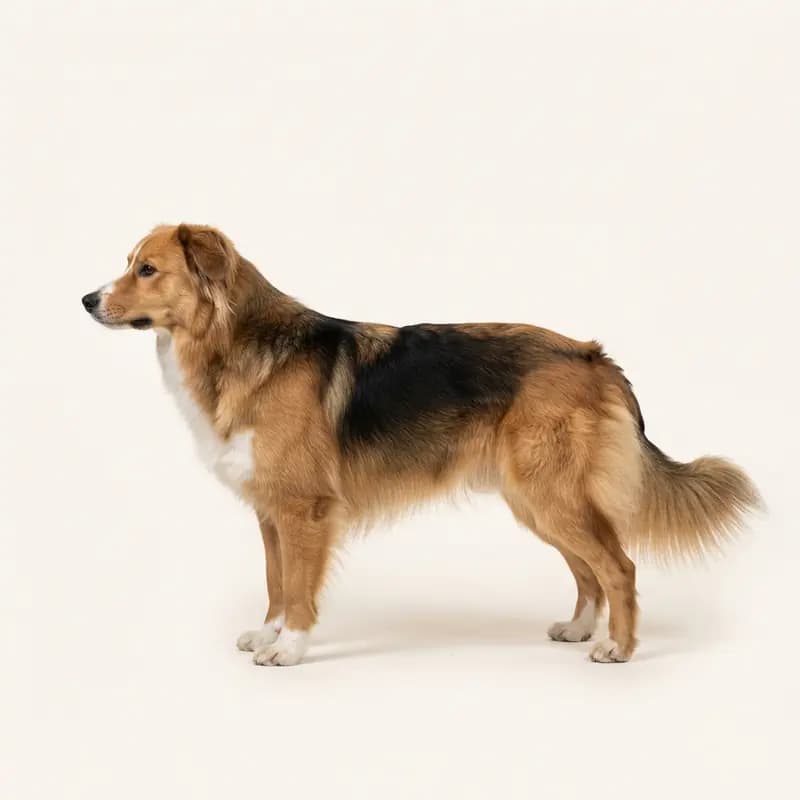
Alpine Shepherd Dog: The Alpine Shepherd Dog requires a balanced diet that supports its active and hardworking nature. High-quality food with a good proportion of proteins and nutrients is important to promote its muscles and endurance. Be careful to avoid overweight, as this can strain the joints. The dense, weather-resistant coat of the Alpine Shepherd Dog protects it well from cold and wet, but it is also high-maintenance. Regular brushing, at least 2-3 times a week, helps remove loose hair and prevent matting. Especially during the shedding seasons in spring and autumn, Alpine Shepherd Dogs shed heavily and then require more intensive coat care. The Alpine Shepherd Dog is well adapted to the Central European climate. Its coat protects it from the cold, but in very hot weather, sufficient shade and water should be provided to prevent overheating. Regular exercise and activity are essential for the well-being of this intelligent and hardworking dog.
| Care Level Minimal effort — occasional brushing and bathing. | Low-maintenance |
| Exercise Needs Needs several hours of serious exercise every day. | Very active |
| Shedding Regular shedding — dog hair on clothes is now normal. | Moderate |
| Trainability Picks up commands quickly and wants to please. | Eager to learn |
Our experts are still reviewing this information. Spotted something wrong? Email us at info@honestdog.de.
Health & hereditary diseases
Health
B
Solid
Health grade
With six mandatory health tests, the Alpenhütehund shows an above-average genetic burden compared to the breed average. Important health aspects such as hip dysplasia (HD) and patellar luxation are monitored by breeders, but still require consistent selection. In addition, the known MDR1 defect (drug sensitivity) must always be kept in mind during daily life and veterinary visits.
Grade is relative to other breeds — AI-assisted and editorially reviewed.
In daily life this can mean
You should ensure joint-friendly rearing, schedule regular eye exams, and always inform your vet in advance about the potential sensitivity to medications.
The breeder's role
Reputable breeders have the hips, elbows, shoulders, and eyes of the parent animals checked and strictly monitor genetic medication compatibility to reduce risks in the lineage.
Note: This health overview is AI-assisted and editorially reviewed. It is for orientation only and does not replace veterinary advice.
No Health Tests Available
No specific health tests are currently available for this breed.
Costs & where to find one
How much does a Alpine Herding Dog cost?
A Alpine Herding Dog costs around ~€180 per month (€100 – €340, depending on your setup). The first year adds up to roughly ~€5,010 including purchase, equipment and puppy school; across the dog's life (13.5 years) it comes to about ~€32,250.
With surgery cover, running costs come to about ~€180 per month — in return, your share of a major operation drops from several thousand euros to around 20 percent.
Per month
~€180
In the first year
~€5,010
Across the dog's life
~€32,250
Purchase from a breeder: €1,500 – €2,500
Estimate at a mid-range setup (suburban, dry food, 1–2 hours of daily exercise), average German prices, as of July 2026.
Calculate your personal costs1-minute self-check with your own answers
Looking for a Alpine Herding Dog?
HonestDog Concierge
No verified Alpine Herding Dog breeders on HonestDog yet
We currently have no breeders for this breed who have passed our verification. Create your short buyer profile: we'll set up your search alert, review a possible source and email you within 28 days.
Appearance, variants & origin
History
The full history
The history of the Alpine herding dog dates back to the 19th century, when robust and versatile working dogs were needed in the Alpine regions. These dogs were specifically bred for herding and guarding livestock in the challenging mountain landscapes. Their endurance, intelligence, and adaptability made them indispensable companions to the shepherds. Over time, various regional variants developed, distinguished by their special abilities and appearance. Today, the Alpine herding dog represents a traditional breed closely connected to Alpine culture and agriculture.
Original Use
The Alpine Shepherd Dog was bred to herd livestock in the Alpine regions and is known for its endurance and willingness to work.
Origin
Switzerland
Date
1800
Owner experiences
What owners say about the Alpine Herding Dog
Zusammengefasst aus öffentlich geteilten Halter-Erfahrungen
Halterinnen und Halter beschreiben den Alpenhütehund – oft liebevoll „Alpie“ genannt – im Alltag als einen überaus treuen, anhänglichen und anpassungsfähigen Begleiter, der am liebsten überall dabei ist. Viele betonen, dass diese Hunde im Haus sehr verschmust und menschenbezogen sind. Sie eignen sich hervorragend als Familienhunde, da sie eine sehr enge Bindung zu ihren Menschen aufbauen und im Haus als reine Wohnungshunde gehalten werden sollten. Eine Zwinger- oder reine Außenhaltung wird von erfahrenen Haltern strikt abgelehnt, da die Hunde den engen Kontakt zu ihrer Familie brauchen.
Allerdings wird in Erfahrungsberichten auch deutlich, dass der Alltag mit einem unausgelasteten Alpenhütehund anstrengend sein kann. Wenn sie körperlich oder geistig nicht gefordert werden, neigen sie dazu, nervös, „wibbelig“ und fordernd zu werden. Sie benötigen tägliche, ausgiebige Spaziergänge bei jedem Wetter und wollen aktiv am Leben teilnehmen. Wer einen ruhigen Couch-Potato sucht, wird mit dieser Rasse nicht glücklich, auch wenn die Hunde nach einem aktiven Tag sehr wohl die Ruhephasen im Haus genießen.
Zusammengefasst aus öffentlich geteilten Halter-Erfahrungen
In der Erziehung gilt der Alpenhütehund als extrem intelligent, schnell lernend und ausgesprochen vielseitig. Halter berichten begeistert, dass die Hunde Tricks und kleine Kunststücke im Handumdrehen erlernen und sehr geschickt beim Klettern oder bei Agility-Übungen sind. Anders als manche andere Hütehunderassen wie der Border Collie benötigen sie laut Rassevertretern keine echte Hütearbeit an Vieh, um glücklich zu sein. Stattdessen lassen sie sich hervorragend durch Suchspiele, Mantrailing oder Kopfarbeit auslasten.
Die Kehrseite dieser Intelligenz ist jedoch ein ausgeprägter Eigensinn. Der Alpenhütehund hinterfragt Kommandos und arbeitet gerne eigenständig. Insbesondere die Welpen- und Junghundzeit wird von vielen Besitzern als sehr intensiv und fordernd beschrieben. Zudem weisen Halter darauf hin, dass die Hunde zwar eine geringe Affinität zu großem Wild wie Rehen oder Hasen haben, dafür aber einen leidenschaftlichen Jagdtrieb auf Mäuse, Maulwürfe und andere Kleinnager entwickeln, was beim Freilauf im Blick behalten werden muss.
Zusammengefasst aus öffentlich geteilten Halter-Erfahrungen
Aus gesundheitlicher Sicht wird der Alpenhütehund als robuste, wetterharte und langlebige Rasse beschrieben, die oft ein Alter von 14 bis 16 Jahren erreicht. Dennoch weisen erfahrene Halter und Zuchtvereine darauf hin, dass potenzielle Käufer genau hinschauen müssen. Da die Rasse nicht von den großen internationalen Dachverbänden wie der FCI anerkannt ist und die Zuchtbasis in Deutschland relativ klein ist, wird in Hundeforen immer wieder über das Risiko von Inzucht und einen engen Genpool diskutiert.
Um gesundheitliche Risiken zu minimieren, betonen Besitzer die Wichtigkeit von umfassenden Zuchttests. Zu den bekannten Erbkrankheiten, auf die Elterntiere untersucht werden sollten, gehören Hüftgelenksdysplasie (HD), Patellaluxation (PL) sowie erbliche Augenerkrankungen. Zudem muss aufgrund der genetischen Nähe zu anderen Hütehunden auf den MDR1-Defekt (Arzneimittelüberempfindlichkeit) sowie das Merle-Gen geachtet werden.
Paraphrased from real owner reports
Loading owner stories
FAQ & more
Frequently asked questions about the Alpine Herding Dog
Is a Alpine Herding Dog the right dog for me?
The Alpine Herding Dog is an active dog that needs plenty of exercise and mental stimulation. Research the temperament, grooming needs, and space requirements before deciding.
How long does a Alpine Herding Dog live?
The average life expectancy of a Alpine Herding Dog is 12-15 years. With proper care and regular vet visits, your dog can live a long, healthy life.
How much grooming does a Alpine Herding Dog need?
Alpine Herding Dog grooming requirements include regular brushing, nail trimming, and dental care. HonestDog provides detailed grooming tips for every breed.
Is a Alpine Herding Dog good for families with children?
The Alpine Herding Dog can be a great family dog. Proper training and socialization are key. HonestDog provides family suitability information for every breed.
What colors does the Alpine Herding Dog come in?
The Alpine Herding Dog comes in these colors: Black, Black and tan, Tricolor, Yellow, Blue merle, Red merle, Brown and tan, Red.
Loading related articles
Are you a Alpine Herding Dog breeder?
Showcase your kennel on HonestDog and reach families searching for a responsibly bred Alpine Herding Dog.
Why HonestDog?
What makes HonestDog different from other platforms
Full transparency
We lay out what we have: who the breeder is, how they work, and any health records they've uploaded. So you can judge for yourself.
Responsible breeding, assured
Every breeder on HonestDog has their identity and documents checked before their profile goes live. Health records they upload are shown on the profile, so you can see exactly what has been tested.
Trust and verification
We verify breeders and buyers alike, so every conversation happens on solid ground. It's a new standard of trust in dog breeding.
Less hassle, more time
We've already checked the breeders' documents and gathered the details, so you can skip the endless research and focus on finding the right puppy for your family.
Our Mission

We connect dog lovers with responsible breeders and shelters to ensure every dog finds the perfect home.
Founded by dog enthusiasts, our platform focuses on ethical dog breeding and adoption.
Why HonestDog?
We connect you with vetted breeders and shelters so you can find your — your new companion — with confidence.
Vetted Partners
Only verified breeders and shelters — for a safe start.
Highest Standards
Every animal's health and wellbeing is our top priority.
Guides & Resources
Guides, checklists, and breed profiles — so you can make a well-informed decision.